

Engineering Excellence: A Technical Guide to Custom Gym Equipment Manufacturers
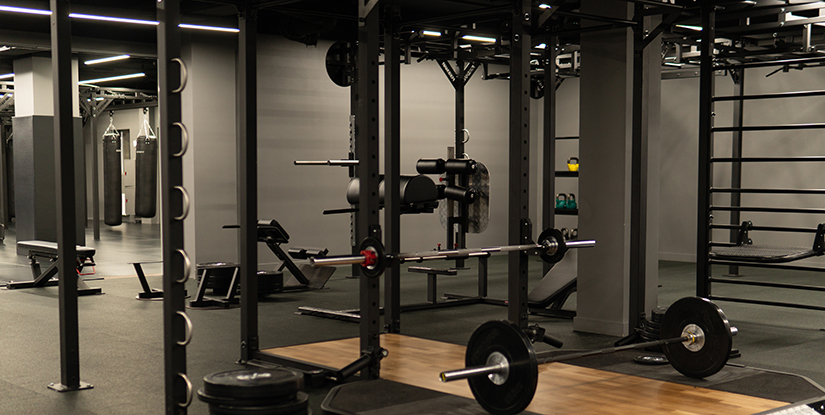
The Precision Gap in Commercial Strength Training Procurement
Facility owners and professional athletic directors often encounter a recurring, costly dilemma: the gap between standard catalog availability and actual functional requirements. Whether it is a specific footprint restriction in a boutique studio or a highly specialized biomechanical movement path for elite athletes, off-the-shelf solutions frequently fall short. This structural mismatch often leads to secondary issues like inefficient floor space utilization or, more critically, ergonomic misalignment that can increase injury risks. Understanding the manufacturing intricacies of Custom Gym Equipment Manufacturers is the first step in closing this gap and ensuring that bespoke designs translate into durable, high-performance assets.
The core of this problem lies in the lack of engineering oversight during the procurement phase. When a buyer selects a generic product, they are accepting a pre-determined compromise. In contrast, working with customized production paths allows for the optimization of weight distribution, movement ergonomics, and structural integrity tailored to specific user demographics. Before diving into the raw materials, it is essential to recognize that customization is not merely about aesthetic color changes; it is a deep-seated structural optimization process. This sets the stage for understanding how raw steel and complex engineering drawings are transformed into specialized training tools.
Material Selection and Structural Integrity Standards
Moving from the conceptual phase to physical reality requires a rigorous selection of base materials that can withstand high-frequency, high-impact mechanical stress. A common failure mode in lower-tier equipment is the use of thin-walled tubing that deforms under lateral loads, leading to catastrophic structural failure in heavy-duty settings. To avoid this, professional manufacturers prioritize material grades that offer a predictable yield strength and fatigue resistance.
Steel Grade and Wall Thickness Parameters
The foundation of any heavy-duty strength machine is the quality of its steel. Most high-end customized production utilizes cold-rolled or hot-rolled carbon steel, but the distinction in wall thickness is where the long-term durability is determined. A common mistake among buyers is focusing solely on the weight of the machine rather than the gauge of the steel tubing used in the frame.
- 11-Gauge Steel: Standard for high-impact weight racks and heavy-duty benches; provides maximum stability and minimal vibration.
- 14-Gauge Steel: Suitable for lighter cardio accessories or modular storage solutions where weight reduction is a secondary priority.
- Tubing Diameter: Typically ranges from 2-inch to 3-inch diameters for main structural uprights to ensure non-deformable support.
By standardizing these metrics, manufacturers ensure that the equipment remains rigid during eccentric loading phases. Once the material foundation is established, the focus shifts to the metallurgical and mechanical processes that shape these components.
Understanding Component Fabrication Processes
Beyond raw steel, the way components are joined and shaped determines the longevity of the mechanism. Quality manufacturers utilize precision CNC (Computer Numerical Control) technology to ensure that parts are interchangeable and fit with minimal tolerance. A lack of precision in this phase leads to 'mechanical drift,' where parts begin to loosen or vibrate after repeated use.
| Fabrication Method | Technical Advantage | Common Defect to Watch For |
|---|---|---|
| CNC Laser Cutting | High precision for complex part geometries and tight tolerances. | Heat-affected zones that weaken the edge if not properly cooled. |
| TIG Welding | Superior aesthetic finish and high-strength, localized heat control. | Inconsistent bead width causing stress concentration points. |
| CNC Tube Bending | Creates smooth, ergonomic curves without structural weak points. | Wall thinning or kinking at the apex of the bend. |
Ensuring these fabrication standards are met is crucial for long-term reliability. After the physical components are shaped, they must undergo surface treatment to prevent environmental degradation and surface-level fatigue.
Surface Finish, Coating Longevity, and Corrosion Resistance
A well-built frame is only as durable as its outermost layer. In commercial environments characterized by high humidity and heavy perspiration, the coating is the primary defense against oxidation and chemical degradation. Many operators report premature rusting or paint chipping, which is often a direct consequence of inadequate surface preparation prior to the final coating application.
The Role of Electrostatic Powder Coating
Most professional Custom Gym Equipment Manufacturers utilize electrostatic powder coating due to its exceptional durability and uniform coverage. Unlike liquid paint, which can be applied too thinly in corners or complex joints, powder coating provides a thick, resilient layer that is cured under high heat. This process ensures that the finish is chemically bonded to the substrate.
However, the quality of the coating is heavily dependent on the pre-treatment process. A common failure occurs when manufacturers skip the degreasing or phosphate conversion stage. Without these steps, the coating may appear perfect initially but will fail prematurely when exposed to moisture or cleaning agents. To verify quality, check for a consistent 'orange peel' texture or any areas where the coating appears translucent, which may indicate thin coverage.
Niche Finishes for Ergonomic and Tactile Requirements
Customization extends into the tactile experience of the equipment. For certain specialized machines, a standard powder coat is insufficient. Manufacturers may implement specialized finishes such as:
- Textured Grip Finishes: Used on handles and contact points to increase friction and prevent slipping during high-intensity movements.
- Chrome or Polished Stainless Steel: Often used for moving parts or weight stacks to reduce friction and provide a high-end aesthetic.
- High-Density Neoprene or PU Wraps: Applied to impact surfaces to dampen noise and protect the structural frame from impact fatigue.
Selecting the right finish is not just a design choice but a functional one that impacts both user safety and the equipment's maintenance cycle. These surface treatments lead directly into the mechanical assembly where precision movement is tested.
Explore the complete technical specifications:
Precision Engineering of Moving Parts and Bearings
While the steel frame provides the strength, the moving parts—pulleys, bearings, and cables—provide the function. The transition from a static frame to a dynamic machine is where most mechanical failures occur if the tolerances are not strictly managed. A poorly engineered cable machine will suffer from jerky movements (stiction) or inconsistent resistance, which can disrupt a user's training rhythm and potentially cause injury.
Bearing Selection and Mechanical Smoothness
The smoothness of a machine's motion is largely dictated by the quality of the bearings used in the pivot points. In high-use environments, standard ball bearings may wear out rapidly, leading to increased friction and heat. Professionals look for manufacturers that use sealed, high-grade bearings that can handle both lateral and axial loads.
| Component Type | High-Performance Spec | Maintenance Red Flag |
|---|---|---|
| Pulley Wheels | Self-lubricating nylon or aluminum with precision bearings. | Squeaking, grinding sounds, or visible wobble during rotation. |
| Weight Stack Guides | Linear bearings or high-strength bushings with low friction. | Resistance spikes or 'sticking' during the lift phase. |
| Cable Systems | Aircraft-grade steel cables with high breaking strength. | Fraying, visible kinks, or excessive stretch under load. |
A common mistake is to prioritize the thickness of the cable over the quality of the pulley. A thick cable on a low-quality pulley will still result in poor mechanical efficiency. By verifying these component specs during the procurement stage, operators can significantly reduce downtime. Once the mechanical assembly is verified, the final stage is rigorous testing of the entire system.
Explore the complete technical specifications:
Hidden Costs of Choosing the Wrong Fitness Equipment Manufacturer
Quality Control Protocols and Failure Mode Testing
Before any custom piece of equipment leaves the factory floor, it must pass through a rigorous multi-stage testing protocol. For Custom Gym Equipment Manufacturers, this is the most critical phase to ensure that the bespoke design actually meets the engineering intent. Without standardized testing, a 'custom' design might simply be an unverified prototype that fails under real-world conditions.
The Stress-Testing Paradigm
Testing generally falls into two categories: static load testing and dynamic cycle testing. Static load testing involves applying a weight significantly higher than the maximum rated capacity to a stationary part of the machine to ensure it does not buckle. Dynamic cycle testing, however, is much more representative of actual gym use. It involves running the machine through its full range of motion thousands of times to identify potential points of wear or fatigue.
Failure Mode Analysis: A professional manufacturer will actively look for common failure modes during these tests, such as:
- Weld Fracture: Micro-cracks appearing in the heat-affected zones of a weld during high-frequency vibration.
- Fastener Loosening: Bolts or nuts backing out due to the inherent vibrations of the machine's movement.
- Bearing Deformation: The inability of the bearing to maintain its shape under repeated eccentric loading.
An effective way to verify a manufacturer's QC process is to ask for their specific testing documentation for the product line you are ordering. If they cannot provide data on how they test for fatigue or load capacity, it is a significant red flag.
Final Inspection and Assembly Verification
The final stage is a visual and tactile inspection of the entire assembly. This includes checking the torque of every single bolt, the alignment of every pulley, and the uniformity of the finish. A meticulous manufacturer will use a torque wrench to ensure every fastener meets the exact specification outlined in the engineering drawing, rather than relying on a 'hand-tightened' approach. This level of detail prevents the subtle, long-term issues that plague poorly constructed commercial-grade equipment.
Explore the complete technical specifications:
The Benefits of Factory-Direct Customization for Gyms | Optimize Layout
Long-Term Operational Maintenance and ROI Optimization
The successful procurement of custom-built equipment is only the beginning of the lifecycle. To protect the investment and ensure the longevity of the customized components, a structured maintenance protocol is required. Many facility managers fail to realize that custom equipment often has more specific maintenance needs than standardized models, particularly regarding specialized coatings and precision bearings.
Preventative Maintenance Checklist for Facilities
To maximize the Return on Investment (ROI), facilities should implement a tiered maintenance approach. Failure to do so can lead to accelerated wear on customized components that are difficult to replace. Use the following criteria for routine inspections:
- Weekly: Visual inspection of cable integrity and lubrication of exposed pulley surfaces.
- Monthly: Comprehensive torque check on all structural fasteners and inspection of powder coating for chips or exposed metal.
- Quarterly: Deep cleaning of bearing housings and assessment of weight stack guide alignment.
Implementing a documented maintenance log serves as a quality control measure for the facility itself. By tracking the frequency of component replacement, managers can optimize their procurement cycles and ensure that high-performance machines remain in peak condition for years.