

Navigating the Production Lifecycle of Custom Fitness Equipment Manufacturers
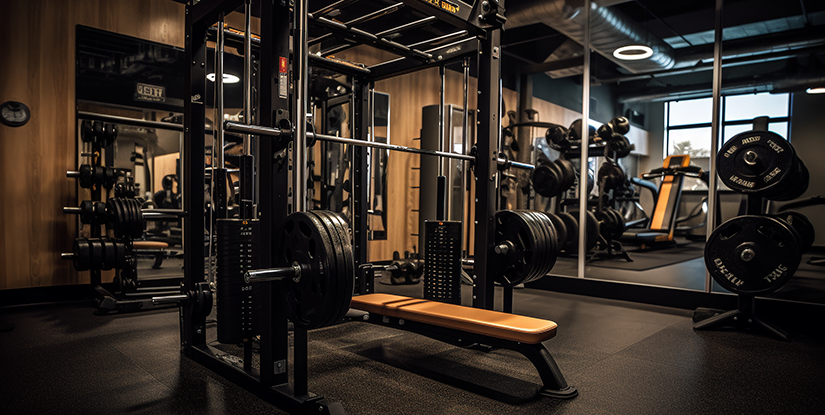
The journey from a conceptual fitness movement to a high-performance commercial machine is a complex engineering lifecycle. For facility owners and distributors, understanding this lifecycle is critical to avoiding the high costs of premature equipment failure or non-compliance with safety standards. Customization adds layers of volatility to the manufacturing process, requiring rigorous control over material selection and assembly precision. This guide explores the end-to-end production flow utilized by professional Custom Fitness Equipment Manufacturers to ensure durability and performance.
Defining Specifications: The Architecture of Customization
Before a single piece of steel is cut, the project enters the specification phase. A common failure in this stage is the lack of clarity regarding the intended use environment, which leads to inappropriate material selection. A machine designed for a luxury boutique studio will have different structural requirements than one intended for a high-impact CrossFit box.
Successful custom projects begin with a detailed technical dossier that includes biomechanical movement profiles, load capacities, and spatial dimensions. Without these parameters, the manufacturing process lacks a benchmark for success.
Biomechanical Modeling and Ergonomic Validation
Custom manufacturers must translate human movement into mechanical pathways. This involves calculating the arc of motion to ensure that the resistance curves align with the physiological strength profile of the intended user. Engineers utilize 3D modeling to simulate pivot points and tension vectors, preventing the mechanical jams that often occur in poorly designed custom rigs. Failure to validate these paths during the design phase results in expensive retrofitting costs later in the cycle.
Material Selection and Structural Integrity Standards
The choice of metal, bearing, and upholstery directly dictates the equipment's lifespan. Professional manufacturers evaluate a range of materials based on the target application. The following table illustrates the decision criteria for structural components during the specification phase.
| Component Type | Standard Material | Customization Option | Primary Failure Mode if Mismanaged |
|---|---|---|---|
| Main Frame | 11-gauge Steel | High-tensile Alloy Steel | Structural buckling under lateral load |
| Pivot Bushings | Bronze Sleeves | Precision Ball Bearings | Increased friction and heat buildup |
| Upholstery | Standard PU Leather | Medical-grade Antimicrobial Vinyl | Cracking and fluid absorption |
| Resistance Elements | Standard Steel Springs | Custom Torsion/Isokinetic Units | Fatigue failure due to cycle count |
Once the specifications are locked, the project moves from abstract theory to tangible fabrication. A precise specification serves as the baseline for the intensive material processing that follows.
Fabrication Phase: Precision Cutting and Metal Forming
Moving from design to production requires the transformation of raw steel into specialized structural components. This phase is where the structural integrity of the equipment is truly established, as any error in cutting or bending will propagate through the entire assembly process.
The most common issue during fabrication is dimensional drift, where slight variations in part size lead to a machine that cannot be correctly assembled. This is often caused by using outdated CAD files or poorly calibrated machinery.
Laser and Plasma Cutting Precision
High-end manufacturers utilize CNC laser or plasma cutting to ensure that every plate and tube meets the exact dimensions defined in the design phase. Precision at this stage is non-negotiable; a 1mm variance in a mounting plate can lead to misalignment in the final pivot mechanism. Operators should verify that the manufacturer uses modern CNC technology rather than manual cutting methods for custom orders.
Tube Bending and Structural Forging
For machines with organic or curved geometries, CNC tube bending is essential. The challenge here is maintaining wall thickness integrity during the bend. If a bend is too aggressive, the steel can thin out or develop micro-fractures. Manufacturers must monitor the bend radius and use high-quality mandrels to prevent collapse. A robust bending process ensures that the frame remains rigid under heavy load and high-frequency use.
Effective fabrication sets the stage for the assembly of these parts into a cohesive unit, requiring highly controlled environments for both welding and surface finishing.
Explore the complete technical specifications:
Core Certification Systems for Professional Fitness Equipment Manufacturers
Assembly and Component Integration: The Precision Gap
As the fabricated parts arrive at the assembly station, the focus shifts from raw strength to functional precision. The assembly phase is where the mechanical and ergonomic elements are integrated, making it the most critical juncture for the final user experience.
A frequent problem in assembly is the use of improper fastening techniques or substandard lubricants, which lead to the characteristic 'squeak' or 'grind' that plagues lower-tier equipment. Addressing these issues requires a strict adherence to torque protocols and lubrication standards.
Welding and Joint Integrity Verification
The structural joints of a fitness machine are its most vulnerable points. High-quality manufacturers employ certified welders who use MIG or TIG welding to create seamless, deep-penetration joints. A critical check during this phase is the visual inspection for porosity or undercut in the weld bead, which can act as stress concentrators. A failure in welding integrity often manifests as a catastrophic fracture during heavy-duty training sessions.
Bearing and Pulley Calibration
Smooth motion is the hallmark of professional-grade equipment. The integration of bearings and pulleys must be handled with extreme care to prevent contamination. If dust or metal shavings enter a bearing race during assembly, the machine's motion will feel 'notchy' or uneven. Manufacturers should use a clean-room approach for all precision moving parts to ensure long-term smoothness and minimize maintenance intervals.
| Assembly Checkpoint | Typical Standard | Verification Method | Red Flag Indicator |
|---|---|---|---|
| Bolt Torque | Specified Nm (Newton Meters) | Digital Torque Wrench | Loose fasteners or uneven tension |
| Cable Tension | Consistent Resistance Profile | Load Cell Testing | Stuttering or jerky movements |
| Pivot Alignment | ±0.5 Degree Tolerance | Digital Protractor | Offset center-of-gravity |
| Upholstery Fit | Edge-to-Frame Seamlessness | Visual & Tactile Inspection | Gaps or exposed foam |
With the mechanical assembly complete, the machine is ready for its final aesthetic and protective coatings, a step that bridges the gap between functionality and long-term durability.
Explore the complete technical specifications:
Surface Treatment and Aesthetic Finishing
The surface finish of a machine is not merely about looks; it is the primary defense against oxidation, perspiration, and environmental wear. A poorly executed finish will result in rust or chipped paint within months of use, regardless of how strong the underlying steel is.
The most common failure in this stage is inadequate surface preparation. If the steel is not properly de-greased or sandblasted, the powder coating will fail to adhere, leading to widespread delamination.
Powder Coating and Electrostatic Application
Professional Custom Fitness Equipment Manufacturers typically utilize electrostatic powder coating. This process involves applying a dry powder to the metal surface, which is then cured in a high-temperature oven. The result is a much tougher, more uniform finish than traditional liquid paint. This layer is highly resistant to the high-pH cleaning agents commonly used in commercial gyms.
Component Finishing: Chrome and Polishing
For exposed moving parts, such as barbell shafts or weight stacks, the finish requirements are even more stringent. Chrome plating or high-grade stainless steel is often required to prevent corrosion from skin oils and sweat. A thorough inspection of the polish quality is necessary to ensure that any micro-scratches—which can harbor bacteria or cause user discomfort—are eliminated before the product leaves the facility.
Once the finishes are applied and the machine is fully assembled, it undergoes the most rigorous phase of the lifecycle: the testing and quality assurance cycle.
Explore the complete technical specifications:
Hidden Costs of Choosing the Wrong Fitness Equipment Manufacturer
Quality Control and Stress Testing Protocols
The final barrier between a finished product and a functional piece of equipment is the Quality Control (QC) phase. This phase is designed to simulate years of use in a matter of days, identifying latent defects before they reach the consumer. Without a rigorous testing protocol, even the best-designed machines can fail due to fatigue under real-world conditions.
A significant mistake in the QC phase is relying solely on visual inspections. Physical stress testing is required to verify the structural limits of custom-engineered components.
Cyclic Load Testing and Fatigue Analysis
To ensure longevity, machines must undergo cyclic load testing. This involves a mechanical actuator that repetitively applies weight to a component—such as a seat or a cable system—thousands of times. This simulates the repetitive stress of heavy training. If a component shows signs of deformation or micro-cracking during this test, the entire batch is flagged for investigation. This rigorous approach prevents the 'sudden failure' scenarios that can lead to liability issues for gym operators.
Dimensional Tolerance and Final Inspection Checklist
The final step is a meticulous walk-through using a formalized checklist. This ensures that every aspect of the initial specification is met. The following list is a standard for high-end manufacturers:
- Visual Audit: Check for paint chips, seam irregularities, and upholstery tears.
- Functional Test: Operate every moving part through its full range of motion at least 20 times.
- Stability Test: Ensure the machine does not wobble or shift under a centered vertical load.
- Safety Guard Verification: Confirm all covers and shields are securely fastened and do not present pinch points.
- Branding Accuracy: Verify that custom logos and color schemes match the client's approval.
With quality verified, the equipment enters its final stage: deployment and the ongoing lifecycle of maintenance.
Explore the complete technical specifications:
How Customization Increases Your Gym's Brand Value | Maximize ROI
Operational Deployment and Lifecycle Management
The production process does not end when the machine leaves the factory; it truly begins when it is deployed in a facility. Proper installation and an established maintenance cadence are essential to preserving the investment made during the custom manufacturing process.
The primary pain point for operators is the lack of a standardized maintenance plan for custom-built machines. Because these machines often have unique parts, a one-size-fits-all maintenance approach is insufficient.
Installation Precision and Site Readiness
Custom equipment often has unique footprint requirements or weight distributions. Failure to prepare the site—such as ensuring a level floor or appropriate electrical capacity for motorized units—can lead to uneven wear or premature motor failure. It is vital that installers follow the manufacturer's specific anchoring protocols to ensure the machine remains stationary during high-intensity use.
Preventative Maintenance and Longevity Strategies
To maximize the ROI of custom equipment, facility managers must implement a proactive maintenance schedule. This includes regular lubrication of bearings, tension checks for cables, and inspection of upholstery integrity. By treating the equipment as a dynamic machine rather than a static object, operators can significantly extend the interval between major repairs and ensure a consistent user experience.
Understanding the deep complexity of the manufacturing journey ensures that the transition from a design concept to a high-performance asset is a seamless and successful one.