

A Complete Guide to Fitness Equipment for Commercial Gyms
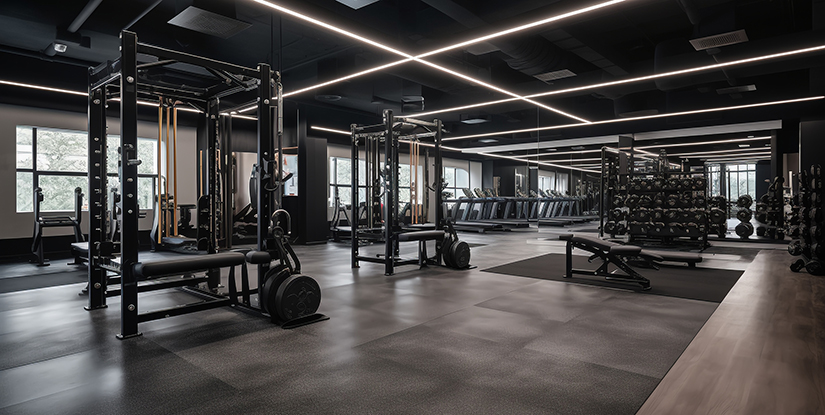
Mitigating Rapid Asset Depreciation in Commercial Gyms
The most immediate challenge for any facility operator is the rapid depreciation of capital investments. Unlike residential equipment, commercial-grade assets are subjected to continuous high-torque cycles and varying levels of user hygiene. When equipment begins to fail prematurely, the cause is rarely a single catastrophic event but rather a combination of improper load management and environmental stressors. To maintain a high ROI, operators must move from a reactive 'fix-when-broken' mindset to a proactive structural monitoring approach.
Understanding the distinction between load-bearing capacity and aesthetic wear is the first step in managing these assets. A machine that looks pristine but has a loose pivot pin is a latent liability. This foundational understanding of asset value and structural integrity sets the stage for selecting the right categories of equipment for your specific facility footprint.
Common Causes of Early Equipment Failure
- Overloading: Users exceeding the designed weight capacities of selectorized machines.
- Environmental Contamination: Sweat and cleaning agents penetrating bearings or electronic consoles.
- Improper Lubrication: Drying out of moving parts leading to increased friction and heat.
Once these failure modes are identified, the focus shifts to the technical specifications required to mitigate them during the procurement phase.
Critical Technical Specifications for High-Traffic Environments
Selecting equipment based solely on ergonomics is a common mistake that leads to high replacement costs. High-traffic commercial gyms require a specific grade of metallurgy and upholstery that can withstand constant mechanical stress. When analyzing a spec sheet, the operator must look beyond the surface-level features and investigate the structural-grade components that ensure longevity.
The following table outlines the critical differences between high-end commercial grade and standard fitness equipment to assist in your procurement decision-making process.
| Feature Component | Standard Commercial Spec | Premium High-Traffic Spec | Decision Criteria |
|---|---|---|---|
| Frame Construction | 11-gauge steel tubing | 7 to 9-gauge heavy-duty steel | Check weight-bearing stability under max load. |
| Bearing Type | Standard ball bearings | Sealed, precision-grade bearings | Essential for long-term smoothness and low maintenance. |
| Upholstery Material | Standard vinyl coating | High-density, antimicrobial polyurethane | Evaluate resistance to sweat and cleaning chemical degradation. |
| Cable Strength | Standard nylon/steel core | Polymer-coated aircraft-grade steel | Verify tensile strength and abrasion resistance. |
By prioritizing these high-spec components, an operator can justify a higher initial CAPEX through significantly lower long-term OPEX. However, even the best-built machine will degrade without a rigorous operational framework.
Optimizing the Selection of Strength Training Modules
Building a strength training zone requires a balance between versatile free weights and specialized selectorized machines. The goal is to provide a comprehensive range of motion for users while minimizing the floor space footprint. A common failure in gym design is the lack of clear zoning, which leads to uneven wear and congestion in certain areas of the facility.
Selectorized vs. Plate-Loaded Systems
The decision between selectorized and plate-loaded equipment often depends on the target demographic and the desired flow of the gym. Selectorized machines are generally more accessible for beginners, whereas plate-loaded systems are often preferred by experienced lifters for their ability to provide progressive resistance increments.
- Selectorized Benefits: Faster transitions, consistent resistance curves, and higher user safety profiles.
- Plate-Loaded Benefits: Greater versatility in weight increments and a more traditional 'old-school' aesthetic.
Effective zoning ensures that these modules are placed in a way that respects user flow and prevents bottlenecking. As we transition from equipment selection to physical placement, the importance of spatial layout becomes paramount.
Explore the complete technical specifications:
Strategic Gym Layout and Spatial Management
A poorly designed layout is more than just an aesthetic issue; it is a direct cause of equipment damage and safety incidents. When machines are placed too close together, users are more likely to bump into adjacent equipment, causing unintended impact stress on the frames. Furthermore, inadequate clearance around large machines can lead to user fatigue and loss of control during heavy lifts.
The Impact of Ergonomic Flow on Equipment Longevity
A well-planned layout accounts for 'buffer zones'—empty space around equipment that accommodates the machine's movement and the user's range of motion. This prevents the mechanical collisions that often lead to bent frames or damaged protective guards. Operators should implement a zoning strategy that separates high-intensity zones from low-intensity areas.
- High-Intensity Zone: Free weights and heavy plate-loaded machines (requires heavy-duty rubber flooring).
- Cardio Zone: High-frequency movement area (requires optimized ventilation and spacing).
- Mobility Zone: Low-impact area (requires softer flooring and minimal noise disruption).
Establishing these zones prevents the 'chaotic wear' patterns seen in unmanaged facilities. With the layout solidified, the next critical step is the implementation of a routine maintenance cycle.
Standardized Preventative Maintenance and Inspection Protocols
The most effective way to extend the lifespan of commercial fitness equipment is through a disciplined maintenance schedule. Most operators fail here because they treat maintenance as an occasional task rather than a daily operational requirement. Neglecting small issues like a single loose bolt can lead to systemic failure and expensive replacements.
The Tiered Maintenance Framework
To ensure both safety and longevity, operators should adopt a tiered approach to equipment care. This moves from superficial daily tasks to deep structural inspections performed on a quarterly basis.
| Frequency | Task Category | Key Action Items |
|---|---|---|
| Daily | Sanitization & Visual | Wipe down touchpoints; check for obvious cable fraying or upholstery tears. |
| Weekly | Mechanical Check | Inspect weight stacks for alignment; check bolt tightness on movable parts. |
| Monthly | Lubrication & Deep Clean | Apply silicone lubricant to guide rods; clean internal bearing housings. |
| Quarterly | Structural Audit | Inspect frame weld points; test electrical components on cardio equipment. |
Executing this framework regularly allows the maintenance team to catch minor deviations before they become critical failures. Once the maintenance plan is in place, the team must be prepared to troubleshoot common issues as they arise.
Troubleshooting Mechanical and Electronic Failures
Even with rigorous maintenance, equipment will occasionally experience downtime. Understanding the root cause of common failures can significantly reduce the time an asset is out of commission. Most mechanical failures in commercial gyms are caused by one of three things: lack of lubrication, cable fatigue, or environmental ingress.
Diagnosing Common Failure Modes
When a machine stops performing as expected, an operator should follow a systematic diagnostic path. For example, if a selectorized machine feels 'stuttery' during a lift, the issue is likely mechanical rather than electronic.
- Stuttering Resistance: Often caused by debris in the guide rods or insufficient lubrication. Fix: Clean rods with an alcohol-based solution and re-apply high-grade silicone.
- Cable Slippage: Usually results from worn-out pulleys or over-tensioned cables. Fix: Check pulley alignment and replace worn cables before they snap.
- Console Error (Cardio): Frequently caused by sweat-induced corrosion or software glitches. Fix: Ensure all electronics are protected by weather-resistant covers and check power supply stability.
Rapid diagnosis ensures that the 'out of order' sign is removed as quickly as possible, maintaining the facility's reputation for quality. As these technical cycles conclude, the operator must look toward the long-term lifecycle of the facility.
Lifecycle Management and Long-term Replacement Strategies
A successful commercial gym operator does not just buy equipment; they manage a revolving portfolio of assets. Successful lifecycle management involves tracking the age, usage, and repair costs of every major piece of equipment to predict the optimal replacement window. Replacing a machine based on a scheduled cycle rather than a failure cycle is a hallmark of professional-grade facility management.
Determining the Replacement Threshold
When deciding whether to repair or replace an aging asset, operators should use a data-driven approach. The 'Repair vs. Replace' decision can be quantified by looking at the increasing cost of maintenance relative to the machine's remaining useful life. If the annual repair cost exceeds 25% of the cost of a new, more efficient model, replacement is usually the more profitable choice.
Tracking these metrics allows for better budgeting and prevents the sudden, unbudgeted capital outflows that occur when a facility's core equipment fails simultaneously. This comprehensive approach, from procurement to replacement, forms the backbone of a profitable and safe commercial gym operation.