

Maximizing Operational Lifespan with Complete Facility Solutions and Commercial Fitness Products
The High Cost of Fragmented Procurement in Fitness Management
Facility operators often encounter a recurring crisis: the premature degradation of high-value assets. This is rarely the result of a single catastrophic failure, but rather the cumulative impact of mismatched equipment specifications and a lack of integrated facility planning. When a facility attempts to piece together various components from different vendors without a cohesive strategy, they create a 'compatibility gap.' This gap manifests as excessive mechanical vibration, uneven floor load distribution, and accelerated wear on moving parts. Solving this requires moving beyond simple purchasing toward implementing complete facility solutions with commercial fitness products that are designed to function as a unified ecosystem.
The fundamental cause of these failures is often the selection of equipment based on individual unit price rather than total lifecycle cost. A low-cost treadmill may appear attractive on a quarterly budget, but if its vibration profile is incompatible with the facility's flooring system, the resulting impact stress will destroy both the machine's internal electronics and the structural integrity of the subfloor. By prioritizing integrated solutions, operators can mitigate these hidden technical liabilities from the outset. Understanding these structural tensions is the first step toward a robust procurement framework.
The Lifecycle Cost Discrepancy
To make an informed decision, procurement officers must look beyond the initial invoice. The following table illustrates the disparity between piecemeal acquisition and an integrated facility solution approach.
| Metric | Piecemeal Acquisition Approach | Integrated Facility Solution Approach |
|---|---|---|
| Initial Capital Outlay | Lower per-unit cost | Higher initial investment |
| Installation Complexity | High (Variable mounting/power needs) | Low (Unified electrical/structural specs) |
| Maintenance Efficiency | Low (Multiple service schedules/parts) | High (Unified parts and service protocols) |
| Long-term ROI | Diminishing due to high replacement rate | Stable due to optimized asset lifespan |
With the financial implications of fragmented procurement clear, the focus must shift toward the technical precision required during the initial installation phase.
Structural Integrity and Load Distribution Optimization
Once the strategic procurement decision is made, the focus shifts to the physical environment where these assets will reside. A common failure mode in large-scale fitness centers is the neglect of subfloor load-bearing capacities. Commercial-grade equipment, particularly heavy strength training rigs and high-impact cardio machines, exerts significant dynamic loads that differ vastly from static weight. If the floor does not meet the specific tolerances required by the equipment, the resulting micro-shifts can lead to catastrophic bolt loosening and frame misalignment.
To verify that your facility is ready for the incoming shipment, operators should implement a standardized load-testing protocol. This involves checking the static weight capacity of the floor against the peak dynamic load of the most intensive machine in the fleet. For instance, a heavy lifting platform requires a different impact attenuation profile than a standard cardio zone. Failure to match these profiles results in structural fatigue and potential liability issues. Developing a rigorous installation checklist is the only way to ensure the foundation supports the equipment's long-term performance.
Pre-Installation Verification Checklist
- Subfloor Material Verification: Confirm the floor material (concrete, wood, or composite) can withstand the maximum dynamic load of the heaviest equipment.
- Levelness Tolerance Check: Use a high-precision laser level to ensure surfaces are within the +/- 2mm tolerance required for heavy machinery.
- Electrical Impedance Mapping: Verify that the circuit can handle the simultaneous peak power draw of multiple high-wattage cardio units.
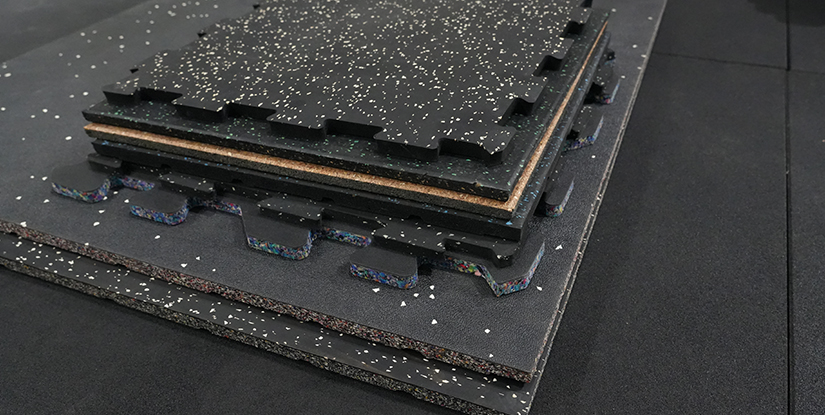
- Vibration Isolation Analysis: Identify zones where rubber matting or specialized damping platforms are mandatory to prevent resonant frequency issues.
Successful load management sets the stage for the mechanical longevity of the equipment, provided that the moving components are handled with identical precision.
Preventing Mechanical Fatigue through Rigorous Maintenance Cycles
Even the most robust equipment will eventually succumb to mechanical fatigue if the maintenance strategy is reactive rather than proactive. A common mistake among facility managers is treating maintenance as a response to a failure. This "run-to-failure" model is incredibly expensive, as it often leads to secondary damage—for example, a worn bearing in a treadmill motor can eventually destroy the drive belt and the motor itself. A professional approach utilizes a structured maintenance cadence tailored to the specific mechanical complexity of each product category.
Effective maintenance requires distinguishing between daily user-level hygiene and periodic technician-level deep dives. For high-use commercial fitness products, the frequency of inspection should be a function of usage hours rather than calendar days. An operator should track the total 'duty cycle' of their machines to determine when precision adjustments are necessary. This data-driven approach ensures that components are replaced before they reach the point of critical failure.
Tiered Maintenance Framework
| Maintenance Tier | Frequency | Primary Focus | Required Skill Level |
|---|---|---|---|
| Level 1: Daily Hygiene | Every 24 Hours | Surface cleaning, user-facing controls, debris removal | Unskilled Staff |
| Level 2: Weekly Inspection | Every 7 Days | Bolt tightness, cable fraying, lubrication points | On-site Maintenance |
| Level 3: Monthly Diagnostic | Every 30 Days | Sensor calibration, motor brush inspection, belt tension | Certified Technician |
| Level 4: Quarterly Overhaul | Every 90 Days | Deep mechanical disassembly, structural weld check, software updates | Manufacturer-Authorized Specialist |
By establishing these tiers, the facility moves from a state of constant repair to a state of controlled operational availability. However, even a perfect maintenance schedule cannot compensate for a poorly designed layout.
Explore the complete technical specifications:
Optimizing Spatial Geometry and User Workflow
The mechanical longevity discussed in previous sections is heavily influenced by how the equipment is positioned within the facility. Spatial mismanagement—such as placing heavy strength equipment too close to high-traffic walkways or placing cardio machines in areas with poor ventilation—can lead to accelerated wear. For example, excessive heat buildup in a poorly ventilated corner will shorten the lifespan of sensitive electronic control boards in high-end cardio equipment. A complete facility solution must account for the thermal and airflow requirements of the machines.
Operators must also consider the 'ergonomic footprint' of each piece of equipment. This includes not just the physical dimensions of the machine, but the 'clearance zone' required for safe movement around it. A common error is failing to account for the swing radius of adjustable machines or the space needed for a user to step off a machine safely. When these zones are violated, there is an increased risk of both user injury and equipment collision, which can damage the aesthetic and structural integrity of the products. A well-planned layout optimizes both safety and machine durability.
Spatial Planning Decision Criteria
- Heat Dissipation Zone: Ensure a minimum of 0.5 meters of clearance around all electronic-heavy equipment to allow for adequate air circulation.
- Impact Buffer Zones: Maintain a 1-meter perimeter around heavy free-weight areas to isolate vibrations from other zones.
- Flow Interruption Points: Avoid placing high-resistance machines in narrow thoroughfares to prevent user frustration and physical contact.
- Electrical Access Proximity: Group machines by power requirements to minimize the need for excessive cord-running and trip hazards.
Optimizing the physical layout protects the hardware and the user, but the final component of a durable facility is the procurement of the right parts and accessories.
Explore the complete technical specifications:
Gym Equipment: Commercial Categories, Specifications, and Procurement
Supply Chain Resilience and Accessory Standardization
A significant, often overlooked vulnerability in facility management is the reliance on non-standardized accessories. While a single piece of equipment might be high-quality, the failure to source compatible, high-durability accessories can lead to operational bottlenecks. For example, using generic replacement weight plates or non-specialized resistance bands on professional-grade machines can lead to mismatched friction levels and unpredictable resistance profiles. This undermines the professional experience and can cause premature wear on the machine's adjustment mechanisms.
To build a resilient supply chain, operators should strive for standardization across their equipment categories. If a facility utilizes several different types of strength machines, sourcing a single type of standardized weight plate or accessory can simplify both the inventory management and the training of staff. This reduces the number of unique SKUs (Stock Keeping Units) that must be tracked and ensures that all replacement parts meet the specific technical tolerances of the original equipment. This level of precision is a hallmark of a truly complete facility solution.
Standardization Benefit Analysis
Standardizing accessories and replacement parts provides a measurable advantage in both operational speed and cost control. Below is a comparison of the two methodologies during a typical replacement event.
| Scenario | Non-Standardized Environment | Standardized Environment |
|---|---|---|
| Parts Identification | Time-consuming; requires specific manuals for each unit | Rapid; universal parts compatible across multiple units |
| Inventory Overhead | High; must stock dozens of unique part types | Low; small number of versatile, high-usage parts |
| Staff Training | Complex; high risk of using the wrong accessory | Simple; one standard procedure for all equipment |
| Emergency Downtime | High; waiting for specialized, single-source parts | Low; readily available, widely compatible components |
This strategic approach to parts management ensures that the facility remains operational even during supply chain disruptions. Moving from these high-level management strategies, we can conclude with the essential verification of long-term value.
Verifying Long-Term ROI and Total Cost of Ownership
The ultimate goal for any facility director is to ensure that the investment in commercial fitness products yields a sustainable Return on Investment (ROI). To achieve this, one must look beyond the simple payback period and analyze the Total Cost of Ownership (TCO). TCO includes the initial purchase, installation, energy consumption, maintenance, and the eventual decommissioning/disposal costs. A facility that prioritizes high-quality, integrated solutions may have a higher initial TCO but a much lower long-term cost per use-hour.
When evaluating potential investments, managers should utilize a TCO comparison framework. This helps in identifying whether a cheaper, non-integrated product will actually become a liability within 24-36 months due to maintenance and replacement needs. By treating the facility as a single, integrated asset rather than a collection of parts, the ROI becomes predictable and the operational lifespan is maximized. This holistic view is the cornerstone of professional facility management.
TCO Comparison Checklist
- Energy Consumption: Factor in the power draw and cooling requirements of high-end equipment.
- Service Interval Cost: Compare the cost of specialized vs. universal maintenance parts.
- Asset Depreciation Rate: Estimate how quickly non-integrated equipment loses functional utility.
- End-of-Life Disposal: Account for the environmental and logistical costs of replacing worn-out components.