

Maximizing Long-Term ROI: How a Commercial Gym Equipment Solution Supports Your Business
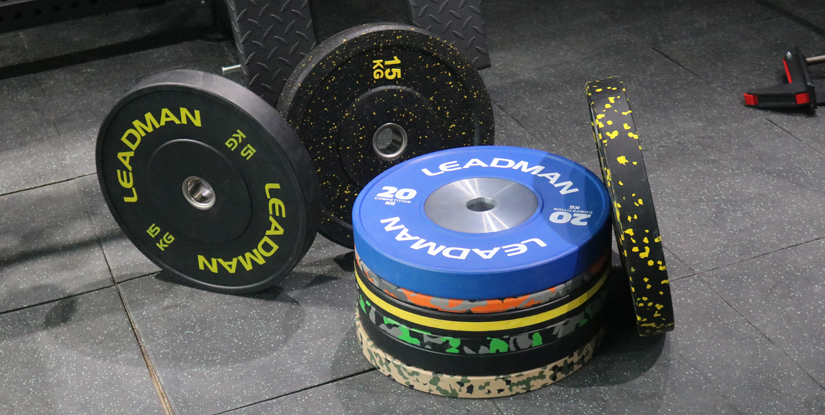
For facility operators and fitness entrepreneurs, the procurement of fitness assets is not merely a purchase—it is a strategic capital allocation. A common pitfall in the fitness industry is the tendency to prioritize low upfront costs over total cost of ownership (TCO). This oversight leads to a cycle of premature replacement, frequent repairs, and diminished member satisfaction. Understanding how a commercial gym equipment solution supports your business requires a shift in perspective: from viewing machines as individual tools to viewing them as integrated components of a high-performance operational ecosystem.
Strategic Asset Selection and the Total Cost of Ownership (TCO)
The initial decision-making process often centers on the purchase price, yet the most successful fitness enterprises focus on the lifecycle value. A commercial-grade solution is designed to withstand high-frequency usage patterns that would quickly degrade consumer-grade alternatives. When selecting equipment, an operator must evaluate not just the machine itself, but the logistical and financial implications of its entire lifespan.
Evaluating Durability vs. Initial Outlay
The primary failure mode in budget-driven procurement is the 'false economy'—buying cheap equipment that necessitates replacement every 24 months. High-quality commercial solutions utilize superior metallurgy, reinforced bearings, and heavy-duty upholstery that can endure a decade of rigorous use. By investing more upfront, a business reduces the frequency of capital-intensive replacement cycles.
| Selection Criterion | Consumer-Grade Profile | Commercial-Grade Solution |
|---|---|---|
| Frame Construction | Thin-walled tubing; prone to vibration | Heavy-gauge steel; optimized stability |
| Component Lifespan | Short (12-24 months under heavy use) | Long (5-10 years with maintenance) |
| Maintenance Requirement | High; parts often unavailable | Predictable; standardized parts available |
| Impact on ROI | Low initial cost; high replacement frequency | High initial cost; low long-term TCO |
By aligning equipment specifications with the expected volume of your facility, you ensure that your hardware serves as an asset rather than a recurring liability. This foundational understanding of asset value sets the stage for optimizing your facility's physical layout and movement flow.
Optimizing Facility Throughput via Equipment Ergonomics
Once the quality of the assets is established, the next critical layer of business support comes from how those assets interact with human movement and floor space. A professional commercial gym equipment solution supports your business by maximizing the utility of every square foot and ensuring that high-traffic areas do not become bottlenecks.
The Mechanics of Floor Space Efficiency
Inefficient layouts lead to 'dead zones' where equipment is rarely used because it is difficult to access or lacks sufficient clearance. Operators should look for equipment with a compact footprint that offers adjustable settings, allowing a single machine to serve multiple user profiles (e.g., adjustable bench heights or multi-functional cable stations). This versatility increases the 'revenue per square foot' metric of your facility.
- Clearance Zones: Always calculate the 'user footprint' (the space required for the machine plus the user's limb extension) during the planning phase.
- Multi-Functionality: Prioritize machines that offer progressive resistance or adjustable weight stacks to cater to diverse member demographics.
- Aesthetic Uniformity: A cohesive equipment line reduces visual clutter, making the facility feel larger and more professional.
A well-planned layout reduces friction for the user and operational headaches for the staff. However, even the best layout and most durable equipment will fail if the technical integrity of the machines is not rigorously maintained.
Explore the complete technical specifications:
Best Commercial Gym Equipment Manufacturers | Technical Guide
Implementing a Preventive Maintenance Protocol
The difference between a thriving fitness center and one struggling with downtime is the rigor of its maintenance schedule. Reactive maintenance—fixing things only when they break—is the most expensive way to manage a fitness facility. It leads to unscheduled downtime, member frustration, and potentially dangerous operating conditions.
Technical Inspection Checklists for Operators
To move from reactive to preventive, operators must implement a tiered inspection system. This ensures that minor wear is identified before it evolves into a catastrophic component failure. A professional-grade solution is designed for easy access to internal parts, which facilitates this process.
| Inspection Tier | Frequency | Focus Areas | Typical Action Required |
|---|---|---|---|
| Level 1: Visual/Daily | Every Shift | Upholstery, loose bolts, cables | Wipe down; report visible damage |
| Level 2: Functional/Weekly | Weekly | Lubrication, cable tension, pivot points | Apply silicone spray; adjust tension |
| Level 3: Structural/Monthly | Monthly | Bolt torque, frame alignment, electronic sensors | Check torque settings; calibrate software |
Failure to follow these protocols often results in 'ghost problems'—issues that seem intermittent (like a slight squeak or a jittery screen) but are actually early indicators of structural fatigue. A disciplined approach to maintenance preserves the residual value of your assets and ensures long-term stability.
Explore the complete technical specifications:
Mitigating Liability Through Safety Compliance and Monitoring
Beyond the financial and operational aspects, a commercial gym equipment solution serves as a frontline defense against legal and physical liability. In a high-risk environment like a weight room, equipment failure is not just a maintenance issue; it is a significant business risk.
Addressing Mechanical Failure Modes
The most common sources of liability in a fitness setting are neglected cable systems and unstable weight stacks. When a cable snaps due to frayed strands, the result can be instantaneous injury. A professional-grade solution includes features that mitigate these risks, such as containment shrouds and safety-stop mechanisms.
Common Mistake: Relying solely on visual inspections for cables.
The Fix: Use a tactile check and a magnifying lens periodically to inspect for 'micro-frays' or discoloration in the steel core, which often precedes a snap. High-quality equipment will have more robust, weather-resistant coatings to prevent this oxidation.
By prioritizing safety-centric equipment, you protect both your members and your brand reputation. This technical oversight must be coupled with an understanding of how the equipment's electronic and mechanical components interact.
Integration of Digital Ecosystems and User Engagement
Modern commercial gym equipment solutions are increasingly integrated into a broader digital landscape. This connectivity is no longer a luxury; it is a vital tool for tracking member progress and driving retention. When equipment can communicate with a user's smartphone or a central management system, it adds a layer of perceived value that justifies higher membership fees.
Leveraging Data for Business Intelligence
Connected equipment provides more than just workout data; it provides operational data. For example, tracking the frequency of use for specific cardio machines can help an operator decide which assets are performing and which are underutilized. This data-driven approach removes the guesswork from future procurement cycles.
- User Retention: Gamification and progress tracking through connected interfaces keep members engaged and committed to their goals.
- Utilization Analytics: Identifying 'peak usage' times for specific machines allows for better staff scheduling and optimized cleaning routes.
- Remote Diagnostics: Some high-end solutions offer remote error reporting, allowing technicians to identify a hardware fault before it leads to a complete shutdown.
The ability to harness these digital insights transforms the equipment from a static object into a dynamic business intelligence tool. As the industry moves toward more automated and connected solutions, the integration of software and hardware becomes a key differentiator.
The Long-Term Impact on Brand Equity and Market Position
Ultimately, how a commercial gym equipment solution supports your business is best seen in your brand's market position. In a competitive landscape, the physical environment is a tangible expression of your brand promise. A facility filled with well-maintained, high-performance, and modern equipment signals to the market that you are a premium operator dedicated to quality.
Maintaining Brand Standards Over Time
Brand erosion often happens slowly through 'death by a thousand cuts'—a torn seat here, a squeaky treadmill there, a digital screen that won't turn on. These small failures accumulate, creating a perception of neglect. A standardized, high-quality equipment solution prevents this by offering consistent performance and a unified aesthetic.
To ensure your brand remains high-tier, you must view your equipment as a part of your marketing strategy. An aging or broken machine is a visible sign of declining standards. Conversely, a modern, seamless, and highly functional environment builds trust and fosters member loyalty.
Financial Sustainability and Future-Proofing Your Facility
The final pillar of a successful business model is the ability to scale without losing operational integrity. A modular approach to equipment selection allows you to adapt to changing fitness trends without completely overhauling your capital investments. This adaptability is a key marker of a sophisticated commercial gym equipment solution.
When planning for expansion, consider the scalability of your current hardware. For instance, can your existing strength training area accommodate more specialized equipment, or is the structural layout too rigid? By choosing platforms that are expandable or upgradeable via software, you protect your initial investment from rapid obsolescence.
As you transition from procurement to long-term operation, the focus must remain on the interplay between hardware quality, maintenance rigor, and digital integration. Mastering these three pillars is the most effective way to ensure your fitness assets yield a sustainable and profitable return on investment.