

Commercial Exercise Equipment—What Makes It Different from Home Gear
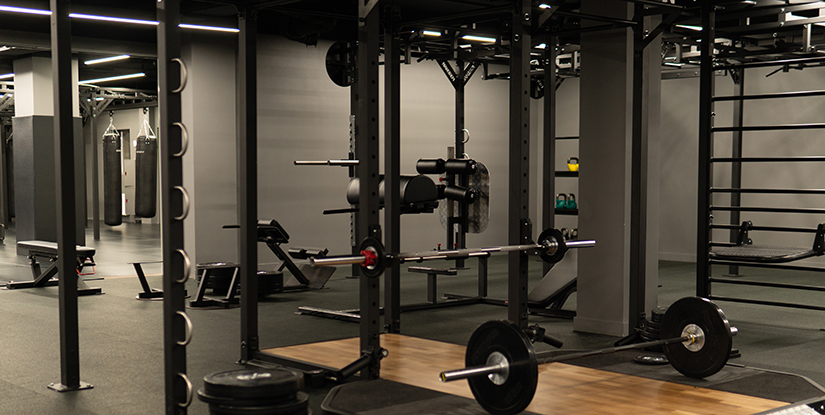
Structural Integrity and Material Selection Standards
In my years managing procurement for high-traffic fitness facilities, the most expensive mistake I see is treating a commercial space like an oversized home gym. The fundamental difference between commercial exercise equipment and home gear is not just price; it is the engineering required to withstand high-frequency, high-impact usage. While home gear is often built for a single user exercising a few times a week, commercial machines are engineered for hundreds of users daily, often operating at near-constant capacity.
Steel Gauge and Frame Density
When reviewing spec sheets, don't just look at the weight of the machine. You must look at the steel gauge. Home equipment frequently uses thinner-walled tubing to save on shipping costs and material. In contrast, commercial frames utilize heavy-duty, high-gauge steel designed to prevent frame flex under heavy loads. A common failure mode occurs when a machine looks sturdy in a showroom but begins to wobble or develop structural fatigue within six months of high-intensity use in a gym environment.
The Cost of Material Rigidity
The following table outlines the standard material differences you should look for during the procurement phase to ensure long-term ROI.
| Feature | Home-Grade Specification | Commercial-Grade Specification |
|---|---|---|
| Steel Tubing Wall Thickness | Thin-walled, light gauge | High-gauge, heavy-duty steel |
| Weld Type | Standard spot or basic fillet welds | Full-penetration, reinforced welds |
| Weight Capacity (Per Station) | Limited/Standardized | High-variance/Heavy-load optimized |
| Base Stability | Lightweight footprints | Oversized, weighted bases for stability |
Understanding these material thresholds is the first step in avoiding the pitfall of premature equipment replacement. Once the structural integrity is verified, the focus must shift toward how these machines actually move—specifically through the precision of their mechanical components.
Mechanical Component Durability and Tolerance Levels
Having established the necessity of a rigid frame, we must now examine the internal mechanisms. A machine is only as reliable as its moving parts. In a commercial setting, the primary pain point is the degradation of smoothness in resistance machines and the eventual seizure of bearings in cardio equipment. This is a direct result of higher tolerances and higher frequency of motion than home-grade components can accommodate.
Bearing and Bushing Resilience
A major differentiator is the quality of the bearings. Home-grade treadmills or ellipticals often use plastic bushings or low-grade bearings that lack high-level lubrication retention. Under heavy commercial use, these components overheat and wear down rapidly. Professional-grade equipment utilizes sealed, high-precision bearings designed to maintain consistent tension and smoothness even during extended periods of high-speed operation. When you feel a 'catch' or a slight vibration in a machine, it is often a sign of component fatigue that a commercial-grade bearing would have mitigated.
Cable and Pulley Systems
If you are inspecting strength training equipment, the cable and pulley system is a critical failure point. Commercial cables are typically aircraft-grade or high-tensile steel, often coated in a robust nylon sheath to prevent fraying. Home cables are frequently thinner and more susceptible to snapping under extreme tension or prolonged friction. A common mistake among facility operators is failing to inspect the 'sheath integrity' of these cables, leading to catastrophic failure when a user is mid-rep.
With the mechanics understood, the next operational priority is ensuring that the actual user experience remains consistent through proper maintenance protocols.
Maintenance Cadence and Preventative Care Protocols
Because commercial machines are subject to much harsher environments than home gear, the maintenance requirement is not optional—it is a survival strategy for your assets. One of the most common mistakes I've seen is treating maintenance as a 'fix-it-when-it-breaks' task. In a commercial facility, that approach leads to downtime and user frustration. Instead, you must implement a proactive, scheduled cadence.
Developing a Daily vs. Monthly Inspection Routine
A professional facility operator should categorize inspections into two tiers: daily visual checks and monthly deep-dive mechanical audits. Daily checks focus on cleanliness and obvious wear, while monthly audits look at the subtle indicators of impending failure.
- Daily Checklist: Wipe down contact points, check for loose bolts on visible surfaces, and verify that digital consoles are responsive.
- Monthly Checklist: Check cable tension, lubricate high-friction joints, inspect treadmill belt alignment, and verify the torque on critical structural bolts.
A rigorous maintenance schedule significantly extends the lifecycle of the equipment. However, even the best maintenance cannot compensate for poorly chosen hardware, which leads us to the critical task of verifying performance during the initial setup.
Explore the complete technical specifications:
Best Commercial Gym Equipment Manufacturers | Technical Guide
Installation and Layout Optimization Standards
The difference between home and commercial gear extends beyond the metal itself and into how the equipment interacts with the space. While a homeowner might prioritize a compact footprint, a commercial operator must prioritize user flow, safety clearances, and structural load distribution. Improper installation is a primary cause of both equipment damage and user injury.
Safety Clearance and User Flow
In a commercial environment, 'clearance' is a legal and safety requirement. While home equipment can be tucked into a corner, commercial machines require a defined perimeter to allow for safe exit during failure or sudden movement. You must ensure that there is sufficient space between machines to accommodate multiple users and that high-impact zones (like free weights or heavy cardio) are not placed on surfaces that cannot dampen vibrations.
Floor Loading and Vibration Management
A technical detail often overlooked by novice buyers is the floor load capacity. Commercial machines, particularly heavy strength stations or high-impact treadmills, exert significant localized pressure on a floor. If the installation doesn't account for this, you risk sub-floor damage or excessive vibration that can shake the entire facility. Using industrial-grade rubber matting is not just about aesthetics; it is a functional requirement to dissipate energy and protect the machine's internal electronics from impact shock.
| Installation Parameter | Home Implementation | Commercial Implementation |
|---|---|---|
| Floor Surface | Carpet or basic thin mats | High-density vulcanized rubber flooring |
| Spacing Requirement | Minimal/Compact | Regulated safety zones/clearance per machine |
| Power Supply Stability | Standard wall outlet | Dedicated circuits with surge protection |
| Mounting | Unanchored/Portable | Anchored/Weighted for maximum stability |
After ensuring the physical placement is correct, the final step in a successful deployment is verifying that every component performs to the engineered standard.
Explore the complete technical specifications:
Verification of Performance Standards and Troubleshooting
Once the equipment is installed, you cannot simply assume it works as intended. A formal verification process is required to ensure that the tolerances and mechanical specs you paid for are actually present. This is where many buyers fail; they accept a 'working' machine rather than a 'perfectly calibrated' one.
The Calibration Verification Process
For resistance-based equipment, the first step is to check for 'smoothness through the range.' Move the weight through its entire arc of motion. If you feel any micro-stutters or resistance changes, the machine is not properly calibrated or the bearings are defective. For cardio, the verification involves checking the belt speed consistency and the decibel level of the motor. A loud, grinding noise is an immediate red flag that the mechanical components are not up to commercial standards.
Common Troubleshooting Scenarios for Operators
When a machine fails, you need to be able to diagnose whether it is a maintenance issue or a fundamental hardware failure. Below are the most frequent issues encountered in high-traffic environments:
- Issue: Squeaking during use. Cause: Dry bearings or lack of lubrication in the pulley system. Fix: Apply approved lubricant to high-friction joints.
- Issue: Digital console unresponsive. Cause: Voltage fluctuations or loose connection. Fix: Check power stability and tighten internal cable connections.
- Issue: Weight stack feels 'jerky'. Cause: Worn cable sheath or uneven pulley alignment. Fix: Replace the cable or re-align the pulley system.
By understanding these failure modes, you can prevent minor issues from becoming permanent damage. This technical rigor ensures that your investment remains a high-performing asset rather than a liability.
Environmental Resilience and Component Hardening
Beyond the immediate physical movement, commercial equipment must withstand the ambient environment of a high-traffic gym. This includes humidity, temperature fluctuations, and the sheer volume of airborne particulates. Home-grade equipment is rarely designed for the micro-climates created by heavy human activity, which often involves increased perspiration and fluctuating humidity levels.
Moisture Resistance and Corrosion Protection
A critical parameter for commercial-grade machines is the level of corrosion resistance applied to non-structural components. In many high-end facilities, the air can become quite humid. A common failure mode for lower-tier equipment is the rapid oxidation of exposed metal parts, such as weight stack pins or adjustment knobs. Commercial machines often utilize electrostatically applied powder coatings and stainless steel components in high-contact areas to mitigate this risk.
Digital System Stability in High-Traffic Zones
The electronic components of commercial cardio machines are also hardened against the environment. Unlike home-grade electronics that might be sensitive to slight power dips or ambient humidity, commercial consoles are designed with enhanced shielding. This prevents the 'ghost touch' or connectivity drops often seen in lower-spec digital interfaces when many machines are operating simultaneously on the same electrical circuit.
| Environmental Factor | Home-Grade Vulnerability | Commercial-Grade Defense |
|---|---|---|
| High Humidity | Surface rust/oxidation | Powder coating & stainless steel |
| Electronic Interference | Signal drops/Consoles freezing | Enhanced electromagnetic shielding |
| Dust/Particulate | Internal motor overheating | Sealed component housings |
Ensuring your hardware can survive the environment is just as important as the mechanical movements themselves. This leads to the final consideration: the long-term economic outlook of your procurement strategy.
Long-Term ROI and Lifecycle Management Strategies
Ultimately, the decision to invest in commercial-grade equipment rather than high-end home gear is a decision about the total cost of ownership. While the initial capital expenditure is higher, the cost per year of use is significantly lower when managed correctly. The goal is to transition from a 'reactive' ownership model to a 'proactive' lifecycle management model.
Calculating the Total Cost of Ownership (TCO)
When comparing two pieces of equipment, do not look at the sticker price. Instead, look at the projected lifespan and the cost of required parts. A home treadmill might cost half as much, but if it requires replacement every 18 months due to high usage, the commercial-grade machine—which may last 5 to 7 years with proper care—is the much cheaper option over time. A failure to calculate this often results in 'budget-friendly' choices that become massive long-term liabilities.
The Strategic Advantage of Quality Procurement
Selecting equipment based on technical specifications (steel gauge, bearing type, and motor capacity) rather than brand recognition or price ensures that your facility maintains a high standard of service. This stability reduces user turnover and prevents the constant need for emergency repairs. A well-managed fleet of professional-grade machines is a cornerstone of a successful commercial fitness operation.