

Strategic Procurement: How to Choose Commercial Gym Equipment Packages
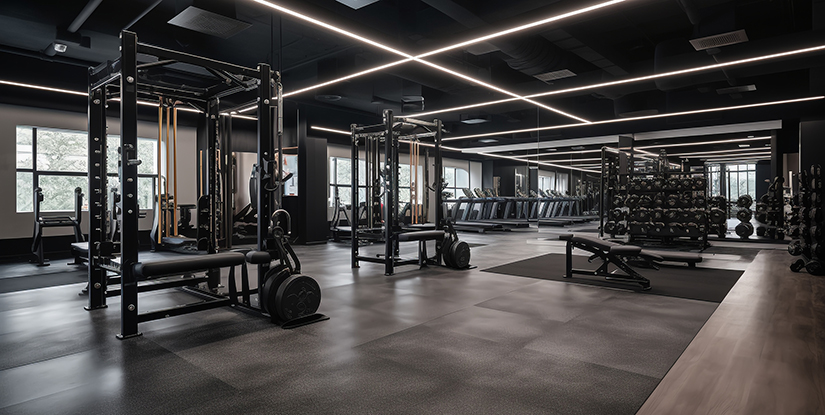
Identifying Structural Discrepancies in Equipment Bundles
The most frequent failure in gym procurement is not the purchase of low-quality individual pieces, but the acquisition of poorly structured equipment packages that do not align with actual facility throughput. Many operators realize too late that their 'complete package' lacks the critical diversity required for peak hours, leading to bottlenecks in specific training zones. A package is not merely a collection of items; it is a calculated ecosystem where the strength of one machine directly impacts the efficiency of the space around it.
To avoid this, one must look beyond the total piece count and analyze the functional density of the bundle. A package might contain twenty pieces of equipment, but if fourteen of those are variations of unilateral strength machines, your facility will suffer from high demand on basic compound movement stations. Understanding this structural logic is the first step in avoiding a mismatch between your investment and your user base. Once you understand how these bundles are built, you can begin to scrutinize the specific material integrity of the components.
The Trap of High-Volume, Low-Utility Bundles
A common mistake among new facility managers is selecting a package based solely on the number of units. High-volume bundles often prioritize high-margin, low-utility accessories over core strength foundations. This creates a facility that looks full but lacks the heavy-duty foundational pieces required for serious athletes. Always verify the ratio of free weights to selectorized machines before committing.
| Package Type | Typical Composition | Primary Risk | Best Use Case |
|---|---|---|---|
| Strength Focused | Racks, Free Weights, Plate-Loaded Machines | Higher maintenance/space needs | Performance-driven training centers |
| Cardio Heavy | Treadmills, Cycles, Ellipticals, Rowing | High electronic/mechanical complexity | High-traffic health clubs/boutique studios |
| Hybrid/Generalist | Mixed Selectorized, Basic Cardio, Functional Kits | Lack of specialized depth | Standard commercial fitness centers |
Identifying the right structural type prevents the catastrophic mistake of over-investing in niche equipment that remains underutilized. This foundational understanding must now be applied to the granular material specifications that ensure longevity.
Evaluating Material Durability and Load-Bearing Tolerances
After defining the structural intent of your package, the focus must shift to the engineering standards of the individual units. A package that looks cohesive on a sales sheet can be a liability if the metal gauges and upholstery grades are inconsistent. Discrepancies in material thickness lead to uneven wear patterns, where the most used machines in the package fail prematurely, leaving your facility with a visually 'incomplete' look and high replacement costs.
A professional buyer should demand specific details regarding steel gauge and coating methods. For instance, a commercial-grade frame should ideally utilize heavy-gauge steel with a powder-coated finish to prevent oxidation in high-humidity environments. If a package offers a mix of high-end steel frames and lightweight aluminum-based accessories, the maintenance cycles will become a logistical nightmare. You must ensure a baseline level of structural homogeneity across the entire selection.
Key Material Parameters for Commercial Use
- Steel Gauge: Look for a minimum of 11-gauge or 7-gauge steel for heavy-duty racks and base frames.
- Upholstery Grade: Specify high-density foam with antimicrobial, high-tear-strength vinyl.
- Bearing Systems: Verify the use of sealed ball bearings in cardio and selectorized cable machines to reduce friction.
- Finish Durability: Prioritize electrostatic powder coating over standard spray paint to resist chipping.
Checking these physical attributes prevents the 'hidden cost' of frequent repairs. However, even the highest-quality steel can be undermined if the mechanical components within the machines are not properly synchronized. This brings us to the necessity of examining kinematic consistency.
Ensuring Kinematic Consistency Across Selectorized Equipment
Kinematic consistency refers to the smoothness and predictability of the movement path across different machines. In a commercial setting, if the resistance curve of a leg press feels fundamentally different in 'feel' than the resistance curve of a leg extension within the same package, users will experience discomfort or even injury. This inconsistency is often caused by manufacturers using different pulley ratios or varying weights of resistance through the range of motion.
A major failure mode in low-tier equipment packages is the use of inconsistent cable-to-pulley ratios. This results in 'jerky' movements that can disrupt a user's rhythm and place unnecessary stress on joints. To verify quality, an operator should perform a 'smoothness test' on multiple cable-driven machines within the sample. The resistance should feel linear or predictably progressive without sudden drops or spikes in tension.
The Resistance Curve Verification Process
When reviewing a potential package, request the resistance profiles for key movements. A professional-grade package will have standardized resistance profiles across its selectorized line. This ensures that a user' training progression remains consistent, regardless of whether they are utilizing a chest press or a shoulder press machine. A lack of standardized profiles is a red flag for a package that may not be built for high-performance athletes.
Standardizing these movements ensures a higher level of user satisfaction and safety. Once the mechanical movement is verified, the next critical layer of evaluation involves the technical specifications of the electronic components, particularly for cardio-heavy packages.
Explore the complete technical specifications:
Best Commercial Gym Equipment Manufacturers | Technical Guide
Analyzing Electronic Longevity in Cardio-Centric Packages
For packages that include substantial cardio components, the risk shifts from mechanical wear to electronic obsolescence and component failure. Electronic consoles are often the first point of failure in a commercial gym, and a package that lacks integrated, high-durability electronics will result in high downtime and frustrated members. The problem is rarely the motor itself; it is the control boards and the interface stability.
Operators must differentiate between 'home-grade' electronics and 'commercial-grade' integrated systems. Commercial systems are designed to withstand high heat, constant vibration, and heavy-duty usage. If a package offers a highly competitive price but uses basic, unshielded electronics, you are essentially buying a ticking time bomb of maintenance requests. The complexity of these systems also impacts your long-term ROI, as proprietary software can lead to vendor lock-in for repairs.
Comparing Cardio Control Systems
| Feature | Commercial-Grade Requirement | Risk of Lower-Tier Selection |
|---|---|---|
| Console Durability | Sealed, vibration-resistant, antimicrobial | Short lifespan due to sweat and vibration |
| Connectivity | Open API or standard Bluetooth/IoT integration | Obsolescence as user technology evolves |
| Motor Cooling | Dedicated thermal management systems | Frequent motor burnout in high-usage zones |
| Power Management | High-tolerance voltage stabilizers | Control board failure during power fluctuations |
Verifying the electronic robustness ensures that your cardio zone remains a revenue-driver rather than a maintenance sink. However, the success of these machines also depends heavily on the environment in which they are placed, necessitating a strategic approach to facility layout.
Explore the complete technical specifications:
Optimizing Spatial Footprint and Equipment Flow
A common error in selecting equipment packages is neglecting the physical dimensions of the machines versus the actual floor space. A package might contain a highly efficient set of strength machines, but if their footprint is too large or their access points are poorly designed, your gym will feel cramped and unorganized. This lack of flow can lead to safety hazards, such as users colliding or having insufficient clearance to perform safe movements.
Effective procurement requires a transition from 'piece-by-piece' thinking to 'zone-based' thinking. You are not just buying machines; you are buying zones of activity. A high-quality package should have a logical spatial hierarchy, where heavy-duty stations are placed in low-traffic perimeter areas, and more compact, high-rotation machines are placed in central zones. This maximizes the perceived and actual square footage of your facility.
The Implementation Checklist for Floor Planning
- Clearance Radius: Map out the maximum possible movement range for every machine (e.g., barbell path, weight stack travel).
- Traffic Lanes: Ensure at least 3 feet of passage space between all equipment rows.
- Electrical/Utility Access: Verify that cardio machines are positioned near designated power drops to avoid trip hazards from cables.
- Acoustic Buffering: Place heavy-duty free weight areas on reinforced flooring to manage noise and impact.
Strategic placement ensures that your chosen equipment performs at its highest potential. As you finalize the layout and selection, you must prepare for the inevitable lifecycle of the equipment: the maintenance phase.
Establishing a Preventative Maintenance Cadence
Once the package is installed, the focus shifts from procurement to preservation. A common mistake is viewing a commercial equipment package as a 'set and forget' investment. In reality, the more complex the package—specifically those with high-end electronics or multi-functional cable systems—the more rigorous the maintenance schedule must be. Failure to implement a routine results in the rapid degradation of the very features you paid a premium for.
The goal is to move from reactive maintenance (fixing what is broken) to preventative maintenance (ensuring it does not break). This requires a formalized cadence based on the specific mechanics of the package. For example, cable-driven machines require lubrication and tension checks, while cardio units require sensor cleaning and software updates. A structured approach preserves the resale value and operational life of the entire package.
Recommended Maintenance Intervals
A successful operation utilizes a tiered maintenance schedule. This prevents small issues from escalating into expensive replacements. For most commercial packages, a weekly visual audit and a monthly technical deep-dive are sufficient to maintain high uptime levels.
| Component Type | Maintenance Task | Frequency | Verification Method |
|---|---|---|---|
| Cable/Pulley Systems | Tension check and lubrication | Monthly | Visual check for fraying and tactile smooth movement |
| Cardio Electronics | Console cleaning and software check | Weekly | Ensure no error codes during standard operation |
| Upholstery/Padding | Sanitize and inspect for tears | Daily | Visual and physical inspection for cracks or foam exposure |
| Frame/Bolts | Tightness and structural integrity | Quarterly | Manual torque check on primary assembly bolts |
Implementing these protocols ensures that your investment remains a reliable asset. With a maintenance plan in place, you can now focus on the long-term ROI and the eventual technological evolution of your facility.
Measuring ROI and Long-Term Value of Equipment Bundles
The final stage of choosing a commercial gym equipment package is the calculation of its long-term value. Many operators focus exclusively on the 'Initial Outlay' (CAPEX) and ignore the 'Total Cost of Ownership' (TCO). A cheaper, lower-quality package may save money in the first year, but the cumulative costs of repairs, downtime, and member turnover due to broken machines can quickly exceed the cost of a premium package.
To accurately measure ROI, you must consider the relationship between equipment uptime and member retention. If a key piece of equipment in your package is frequently 'out of order,' you are actively losing revenue. A professional procurement strategy treats the equipment package as a depreciating asset that must generate maximum utility during its lifecycle. High-quality packages often have a longer usable life and higher resale value, which should be factored into your initial budget.
KPIs for Evaluating Package Performance
To determine if your package was a successful investment, track these metrics over a 12-to-24-month period. These indicators provide a clear picture of whether your procurement decisions aligned with your business goals.
- Downtime Percentage: The total hours a piece of equipment is unavailable versus total operating hours.
- Maintenance Cost per Unit: The total spent on parts and labor divided by the number of machines.
- Member Satisfaction Score: Specific feedback regarding equipment availability and condition.
- Equipment Lifespan Variance: The difference between the expected life of the equipment and actual replacement need.
By treating the purchase as a long-term operational decision rather than a one-time expense, you ensure that your facility remains competitive and profitable in a shifting market.