

Strategic Framework for Choosing the Right Partner Among Commercial Exercise Equipment Manufacturers
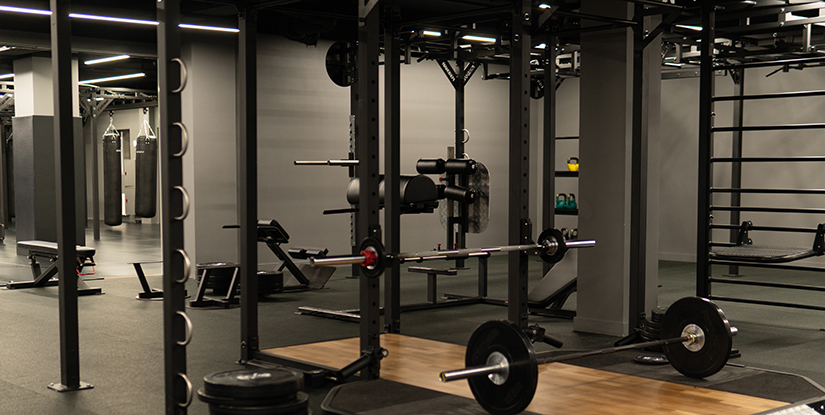
For facility operators and procurement directors, selecting a long-term equipment provider is not a mere transaction; it is a capital expenditure decision that dictates the operational uptime and safety profile of a fitness center for the next decade. A misstep in Choosing the Right Partner Among Commercial Exercise Equipment Manufacturers often results in a cascading failure: poor material durability leads to frequent maintenance, which in turn drives up labor costs and decreases user satisfaction. This guide provides a technical deep-dive into the manufacturing lifecycle, enabling you to look past marketing gloss to evaluate the actual industrial capacity and quality control mechanisms of a potential partner.
Evaluating the Raw Material Selection and Metallurgical Integrity
Before a single piece of equipment reaches your facility, the foundation of its longevity is laid in the selection of raw materials. A common pitfall for buyers is focusing solely on the finished aesthetic while ignoring the grade of steel or the composition of the alloys used in structural components.
Steel Gauge and Structural Grade Analysis
Commercial-grade equipment must withstand high-frequency, high-impact use. When evaluating a manufacturer, you should demand specifics regarding the steel gauge used for main frames. A common failure mode in lower-tier manufacturing is the use of thin-walled tubing that looks substantial but lacks the structural rigidity required for heavy lifting or high-intensity cardio. High-quality manufacturers typically utilize heavy-gauge, cold-rolled steel, which offers better dimensional stability and resistance to warping during the welding process.
In addition to thickness, the chemical composition of the steel matters. Resistance to oxidation and structural fatigue is often a byproduct of the metallurgical grade. If a manufacturer cannot specify the type of steel or the coating process applied to the base metal, it is a red flag indicating a potential lack of control over the most fundamental stage of production.
| Material Aspect | Standard Commercial Requirement | Common Low-Quality Defect |
|---|---|---|
| Steel Wall Thickness | Consistent high-gauge (e.g., 11-gauge or higher) | Variable wall thickness leading to structural weak points |
| Coating Type | Electrostatic powder coating or high-grade epoxy | Thin paint that chips or flakes under impact |
| Metal Composition | High-carbon or alloy steel for high-stress joints | Mild steel that lacks fatigue resistance |
Understanding these baseline material standards ensures that your initial capital investment is protected by a robust physical foundation. Once the metallurgical integrity is confirmed, the focus must shift toward the precision of the fabrication and assembly processes.
Analyzing Fabrication Precision and Welding Standards
The transition from raw metal to a complex machine requires extreme precision in fabrication. Even the highest grade of steel will fail if the structural joints are improperly joined through substandard welding or incorrect machine tolerances.
Welding Integrity and Heat Management
In commercial fitness manufacturing, the quality of the weld is a primary indicator of equipment lifespan. Poor welding often manifests as brittle joints or aesthetic inconsistencies that hide structural flaws. A professional manufacturer will utilize automated or highly skilled TIG (Tungsten Inert Gas) or MIG (Metal Inert Gas) welding to ensure deep penetration and consistent bead formation. A common mistake in the manufacturing process is excessive heat application, which can temper the surrounding steel and create a brittle zone near the joint, eventually leading to stress fractures.
Precision in Component Tolerances
Beyond welding, the mechanical fit of moving parts—such as pivot points in strength machines or bearing housings in cardio equipment—must adhere to strict tolerance levels. If the tolerance is too loose, the machine will exhibit "play" or wobbling, which degrades the user experience and increases wear on the components. If it is too tight, friction increases, leading to premature overheating and mechanical failure. You should verify if the manufacturer utilizes CNC (Computer Numerical Control) machining for precision parts to ensure consistency across thousands of units.
Rigorous attention to these fabrication details prevents the most expensive form of failure: the gradual degradation of mechanical movement. With a firm grasp of fabrication quality, the procurement professional can now evaluate how these parts are actually tested before leaving the factory floor.
Explore the complete technical specifications:
Best Commercial Gym Equipment Manufacturers | Technical Guide
The Critical Role of Quality Control and Stress Testing Protocols
Having established that the manufacturing process is sound, the next step is to verify how the manufacturer validates their own output. A reliable partner does not just rely on a final visual inspection; they employ systematic stress testing to simulate years of intense commercial use.
Simulated Load and Cycle Testing
A robust quality control (QC) department will utilize specialized testing rigs to subject components to extreme conditions. For strength equipment, this involves cycle testing where weight stacks or resistance arms are moved through hundreds of thousands of repetitions to check for fatigue. For cardio equipment, it involves high-speed motor endurance tests and heat dissipation analysis. If a manufacturer cannot provide data on their cycle testing protocols, they are likely bypassing the most critical phase of reliability verification.
Failure Mode and Effects Analysis (FMEA) in Manufacturing
Top-tier manufacturers integrate FMEA into their production lines. This means they actively look for potential failure points—such as a specific bolt that might loosen under vibration or a cable that might fray over time—and design preventative measures into the product. This proactive approach moves the relationship from reactive repair to long-term reliability.
By understanding the depth of a manufacturer's testing, you can better predict the total cost of ownership (TCO) for your facility. This leads directly into the necessity of evaluating the mechanical components that drive the user experience.
Explore the complete technical specifications:
Evaluating Mechanical Drive Systems and Component Lifespans
While the frame provides the structure, the drive systems—the motors, belts, bearings, and cables—are the "engine" of the equipment. These components are often the first to fail if not sourced with the same rigor as the metal frame.
Bearing and Bushing Specifications
In many strength machines, the smooth transition of weight is governed by the quality of the bearings or bushings. Cheap, unsealed bearings are highly susceptible to dust and perspiration, leading to rapid friction-induced failure. When evaluating manufacturers, ask about the seal types and the lubrication-free properties of their bearings. A high-quality bearing should offer smooth, consistent resistance without the need for frequent manual greasing, which reduces both maintenance time and the risk of user injury.
Motor and Electronic Component Reliability
For cardio equipment, the electronic architecture is the most complex part of the machine. A common failure in modern gyms is the failure of the console or the motor controller due to overheating or poor voltage regulation. A professional manufacturer will use high-rated industrial motors and shielded electronics to ensure that power surges or high-ambient temperatures do not result in a "dead" machine. Verify if their electronic components are designed for commercial-duty cycles or if they are repurposed from consumer-grade technology.
| Component Category | High-Performance Indicators | Warning Signs of Low Quality |
|---|---|---|
| Bearings | Sealed, high-precision, low-friction types | Unsealed, high-noise, metal-on-metal contact |
| Cables/Belts | Steel-core, high-tensile, UV-resistant | Nylon or fiber-only, prone to stretching/fraying |
| Electronics | Industrial-grade controllers, heat-sink integrated | Consumer-spec boards, high heat sensitivity |
Ensuring these internal components are of high quality minimizes the frequency of service calls. However, even the best hardware requires a structured approach to long-term management, which is the next phase of the procurement lifecycle.
Optimizing Long-Term Maintenance and Operational Uptime
Once the equipment is deployed, the focus shifts from procurement to operational management. Choosing a partner is not just about the initial delivery, but about the support system that maintains the equipment's peak performance over its lifespan.
Preventative vs. Reactive Maintenance Strategies
A major operational cost for gyms is "down-time." If a piece of equipment is out of order, it is not generating revenue, and it may frustrate members. A professional manufacturer provides detailed maintenance schedules and specialized tools required for upkeep. You should look for partners that offer a structured preventative maintenance program, which includes specific torque settings for bolts, lubrication points, and replacement intervals for wear-and-tear parts like belts and pads.
The Importance of Parts Availability and Technical Support
The true test of a manufacturing partner occurs when a component fails. A manufacturer with a global footprint and a robust distribution network for spare parts is vastly more valuable than one with low upfront costs but long lead times for replacement parts. Before signing a contract, ask about their parts-fulfillment guarantees and the level of technical training provided to your on-site maintenance staff. A partner that offers remote diagnostic support or detailed video-based repair guides can significantly reduce your reliance on expensive third-party technicians.
With a maintenance strategy in place, the final consideration is the lifecycle end-point—how the equipment performs as it ages and how to transition to new technologies.
Future-Proofing through Technological Integration and Scalability
Modern commercial fitness is increasingly driven by software and connectivity. A partner that specializes only in traditional mechanical structures may leave you with obsolete technology in a few short years. Selecting a manufacturer with a strong R&D (Research and Development) focus ensures your facility remains competitive.
IoT Integration and Data-Driven Insights
The current trend in high-end commercial facilities involves the integration of the Internet of Things (IoT). Modern treadmills and strength machines can now track user progress, report machine status to a central server, and even predict when a part is about to fail based on real-time usage data. A manufacturer that builds these capabilities into their hardware allows you to transition from reactive maintenance to "predictive maintenance," which is much more cost-effective.
Compatibility and Software Ecosystems
Consider whether the equipment's software is an open platform or a closed ecosystem. While closed systems can provide a premium, branded experience, they can also lead to vendor lock-in. A manufacturer that offers API access or integrates with major fitness tracking apps provides more value to your end-users and makes your facility more attractive to a tech-savvy demographic. Ensure the hardware is scalable so that adding new digital features in the future does not require replacing the entire unit.
As technology continues to evolve, having a partner that understands both the mechanical foundations and the digital frontiers is essential for long-term success.
Finalizing the Selection: The Procurement Decision Matrix
To successfully navigate the process of Choosing the Right Partner Among Commercial Exercise Equipment Manufacturers, you must move beyond the showroom floor and into the factory specifications. The decision should be driven by a comprehensive analysis of material quality, manufacturing precision, and long-term service capability.
Ultimately, the goal is to minimize the Total Cost of Ownership (TCO) while maximizing the reliability and user experience of your facility. Use the technical criteria outlined in this guide—from steel gauges to electronic reliability—to vet your potential partners. A partner that can answer these deep-level technical questions with precision is a partner that is prepared to support your business for the long haul.