

How to Build a Unique Brand Identity with Custom Gym Equipment
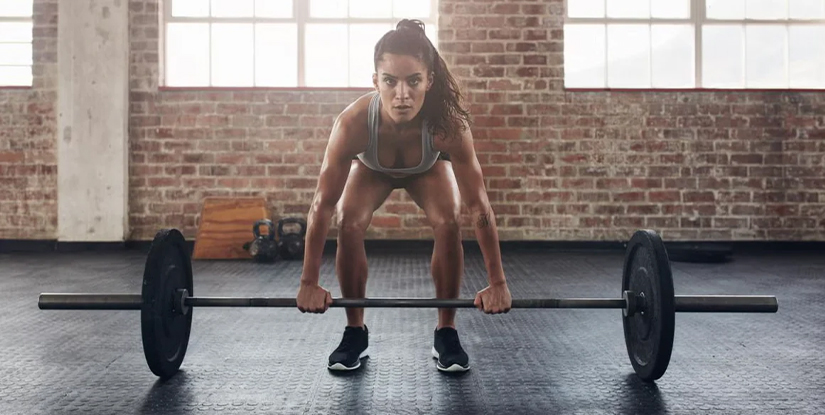
In the highly competitive fitness industry, facility operators often struggle with the 'commodity trap'—the phenomenon where a gym feels indistinguishable from the one down the street. This lack of distinction is frequently caused by a reliance on standardized, off-the-shelf equipment that lacks character and fails to communicate a specific brand ethos. When every facility uses the same grey steel and black upholstery, the brand identity becomes invisible. To break this cycle, sophisticated operators are shifting toward bespoke procurement strategies to differentiate their market position.
Defining the Strategic Value of Customization in Branding
Moving beyond mere aesthetic preference, the decision to invest in customized assets is a strategic move to increase the perceived value of a membership. A generic gym environment signals a generic service; a highly curated environment signals an elite, specialized experience. The core mechanism here is psychological: the physical environment acts as a non-verbal communicator of your brand's standards and niche.
Selecting between standard and custom options requires a rigorous understanding of your target demographic. For instance, a high-end boutique studio may prioritize tactile premiumness, while a functional fitness box might prioritize rugged, industrial-strength aesthetics. The following table outlines the primary strategic drivers for different facility types:
| Facility Type | Primary Branding Driver | Customization Focus Area | Expected ROI Metric |
|---|---|---|---|
| Luxury Wellness Club | Exclusivity & Sophistication | Materials (Wood, Leather, Stone) | Premium Membership Tier Retention |
| High-Performance Training Center | Authority & Power | Industrial Durability & Color Accents | Athlete/Specialist Acquisition |
| Boutique HIIT/Yoga Studio | Lifestyle & Aesthetics | Color Palettes & Compact Footprints | Social Media Shareability/Brand Reach |
| Commercial Strength Gym | Reliability & Scale | Consistent Logo Integration | Long-term Equipment Life Cycle |
By identifying your primary driver early, you can direct your procurement budget toward the specific custom elements that will yield the highest impact on your brand perception. Once the strategic direction is set, the technical focus must shift toward the tangible specifications that define the look and feel of the equipment.
Technical Specifications for Visual Brand Integration
The transition from a conceptual brand identity to a physical product requires precise technical oversight. A common mistake among operators is assuming that a simple logo sticker is sufficient for branding. In reality, true brand integration occurs at the foundational level of manufacturing, including powder coating, upholstery textures, and hardware finishes. This depth of customization ensures the brand identity is permanent and professional rather than superficial.
Mastering Color Theory and Powder Coating Finishes
The color of your equipment is the most visible element of your brand identity. However, choosing a color is more complex than picking a swatch; you must consider the texture and durability of the finish. Powder coating is the industry standard for metal frames due to its resistance to impact and chemical cleaners. When ordering custom colors, operators should verify the micron thickness of the coating to ensure the finish does not peel under heavy use.
Common Failure Mode: Selecting a high-gloss finish for high-traffic areas. While gloss looks premium in a showroom, it highlights scratches, fingerprints, and chalk buildup almost immediately, making the equipment look neglected and damaging the brand image. For high-intensity environments, a matte or textured satin finish is generally more resilient.
Upholstery and Material Texture Selection
While metal frames provide the structure, the touchpoints—the benches, seats, and pads—provide the sensory experience. High-end brands often use customized upholstery to communicate quality. A technical specification for premium upholstery should include high tear strength and moisture resistance. The choice between matte, textured, or smooth finishes can fundamentally change the 'feel' of a workout.
An operator should verify the material properties through a technical spec sheet rather than a visual sample. For example, a textured vinyl might suggest a rugged, industrial brand, whereas a smooth, matte synthetic leather suggests a premium wellness experience. This selection process sets the stage for the functional layout of the facility.
Explore the complete technical specifications:
Optimizing Facility Layout for Brand-Centric Equipment Flow
Having defined the aesthetic and technical specifications, the next step is to determine how these custom assets will inhabit your space. A mistake in layout can undermine even the most expensive custom equipment by creating bottlenecks or breaking the visual 'flow' of the brand story. The way equipment is positioned dictates the user's journey through the facility.
Zoning Strategies for Specialized Equipment
Effective branding is not just about what the equipment looks like, but how it is grouped. Using custom equipment to create distinct 'zones' helps in reinforcing a specific brand message. For example, a training center might use a distinct color palette for its powerlifting zone to differentiate it from the cardio area. This visual zoning aids in wayfinding and reinforces the specialized nature of different training modalities.
- The High-Impact Zone: Use heavier, industrial-style custom pieces to ground the room and create a sense of power.
- The Transition Zone: Integrate lighter-weight or more colorful equipment to lead users into specialized areas.
- The Recovery Zone: Utilize soft textures and neutral colors to signal a shift in intensity and brand tone.
When designing these zones, operators must consider the physical footprint of the custom pieces. Custom equipment often follows different dimensional standards than generic models, so a strict layout plan is essential. Once the layout is conceptualized, the focus must move to the long-term preservation of these brand assets.
Explore the complete technical specifications:
Maintenance Protocols for Preserving Custom Brand Aesthetics
The highest level of investment in custom gear is rendered useless if the equipment looks aged and worn within twelve months. Maintenance in a brand-centric gym is not just about functionality; it is about aesthetic preservation. If your brand identity is built on 'premium luxury,' a single scratch on a customized leather pad can severely damage your market position. Operators must move from reactive to proactive maintenance protocols.
| Component Type | Maintenance Task | Frequency | Branding Risk (If Ignored) |
|---|---|---|---|
| Powder Coated Frames | Non-abrasive cleaning & inspection | Weekly | Faded colors or chipped finishes that look 'cheap' |
| Custom Upholstery | Conditioning & sanitization | Daily | Cracking or discoloration that breaks the 'premium' feel |
| Moving Parts (Bells/Cables) | Lubrication & tension check | Monthly | Squeaking or jerky movement that degrades the user experience |
| Branded Signage/Decals | Visual audit for peeling/fading | Quarterly | Inconsistent branding due to damaged logos |
A rigorous maintenance schedule ensures that the high ROI of your custom investment is realized over the entire life cycle of the equipment. However, even with perfect maintenance, the procurement stage remains the most critical point of control. This leads to the final technical checklist for the decision-maker.
Final Procurement Checklist for Brand-Centric Equipment
Before finalizing any purchase order for custom gear, a professional operator must verify that the manufacturer's technical capabilities align with the brand's visual requirements. Reliance on a salesperson's word is a major risk; instead, rely on technical verification of the production process. A failed procurement attempt results in both wasted capital and a fragmented brand identity.
The Verification Checklist:
- Color Match Verification: Request a physical sample or a high-resolution, color-corrected digital swatch of the powder coating to ensure it matches your brand guidelines.
- Material Durability Check: Ask for the tensile strength and abrasion resistance ratings for all customized upholstery.
- Branding Execution Method: Clarify if logos are silk-screened, laser-etched, or embossed. Laser-etching on metal is often more durable and premium-feeling than stickers.
- Lead Time and Batch Consistency: Confirm that the manufacturer can produce identical color batches for future expansions to prevent color drifting.
- Warranty Scope: Ensure the warranty covers both the mechanical function and the aesthetic finish (e.g., powder coating durability).
By executing this checklist, you transition from a buyer of 'gym equipment' to a curator of a 'branded environment.' This distinction is what ultimately separates a standard fitness facility from a world-class training brand.