

Precision in Barbell Weight: A Technical Guide to Calibration and Selection
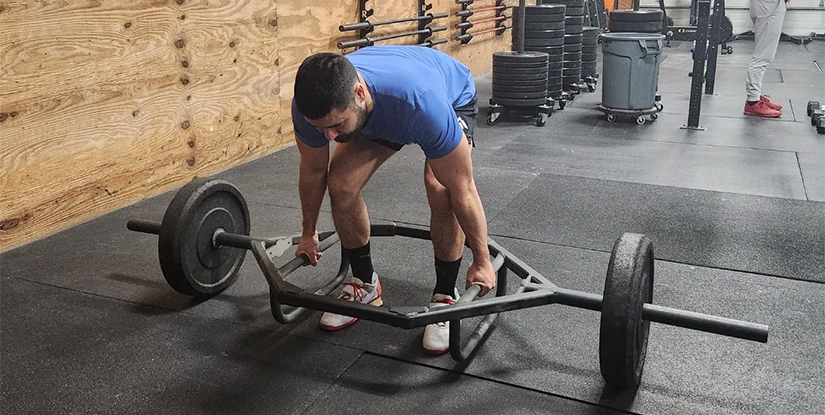
In professional strength training environments, the integrity of a training session rests entirely on the predictability of the load. When an athlete lifts, they are not just moving a physical object; they are interacting with a mathematical constant. Discrepancies in Barbell Weight measurement can lead to failed progressions, skewed training data, and, in extreme cases, physical injury due to unexpected loading shifts. This guide addresses the technical nuances of weight precision, from material composition to environmental calibration and routine inspection protocols.
Standardization and Tolerance Thresholds for Training Loads
Before addressing maintenance, one must understand the baseline of what constitutes an acceptable variance. In a commercial or competitive setting, the expectation for weight accuracy varies significantly between equipment types. A precision-machaled barbell must work in tandem with plates that adhere to strict manufacturing tolerances to ensure the total system weight remains consistent.
The primary cause of weight discrepancy is often found in the manufacturing of weight plates rather than the barbell itself. Low-grade cast iron plates frequently suffer from significant volume inconsistencies, whereas high-end calibrated competition plates are engineered to a much tighter margin. Operators must decide between cost-efficiency and absolute precision based on the specific application of the equipment.
| Equipment Category | Expected Tolerance | Primary Use Case | Accuracy Priority |
|---|---|---|---|
| Commercial Rubber Bumper | ± 2% to 3% | General Fitness/Crossfit | Moderate |
| Calibrated Competition Plate | ± 0.1% to 0.25% | Powerlifting/Olympic Lifting | Extreme |
| Standard Iron Plate | ± 3% to 5% | Home Gym/General Strength | Low |
Establishing these thresholds allows facility managers to implement a verification system that differentiates between acceptable wear and actual equipment failure. Understanding these tiers of precision provides the foundation for the subsequent technical inspection of the barbell components.
Verifying Barbell Weight Accuracy Through Systemic Testing
Once the tolerance standards are defined, the next step is the actual process of verification. A common mistake among operators is weighing only the barbell itself, neglecting the cumulative error introduced by the plates and collars. To achieve a true Barbell Weight verification, the entire loaded system must be evaluated.
Implementing a Load Verification Protocol
To ensure the training load matches the digital or manual readout, facility operators should employ a standardized testing routine. This prevents the gradual creep of inaccuracy that occurs as equipment ages or undergoes heavy use.
- Baseline Measurement: Weigh the empty barbell on a calibrated industrial scale to establish a certified zero point.
- Incremental Loading: Add plates in standard increments (e.g., 20kg, 10kg) and weigh the entire assembly including collars.
- Differential Analysis: Compare the measured total weight against the theoretical sum of the components to identify the margin of error.
- Environmental Check: Conduct testing at consistent temperatures, as extreme heat can technically influence the density of certain plate materials.
If the differential analysis reveals a variance exceeding the established tolerance for that equipment class, the operator must move from verification to troubleshooting the specific components involved. This diagnostic approach ensures that the fault is isolated to either the bar, the plates, or the sleeve interface.
Explore the complete technical specifications:
Barbell Weight Plates: Hole Size, Material, Tolerance Comparison
Identifying Causes of Weight Fluctuations in Loaded Bars
Even with high-quality equipment, operators may observe perceived changes in how a weight feels, which often translates to a perceived change in actual mass. These discrepancies are rarely a result of the metal losing mass, but rather a change in the distribution or the mechanical interface of the system.
One frequent failure mode is the buildup of debris within the sleeve mechanism. When dust, chalk, or moisture accumulates between the bar and the plate, it can create micro-friction that alters the rotational dynamics. While the static weight remains the same, the dynamic resistance changes, leading the athlete to perceive a different load. Another cause is the degradation of the collar's clamping force, which can cause plates to shift slightly on the sleeve, altering the center of gravity during movement.
The following table outlines common mechanical causes for perceived weight discrepancies:
| Observed Symptom | Potential Technical Cause | Recommended Fix |
|---|---|---|
| Imbalanced Loading (Side-to-Side) | Uneven plate thickness or sleeve debris | Clean sleeves and re-calibrate plates |
| Erratic Rotational Resistance | Bearing/Bushing failure or lack of lubrication | Replace bearings or apply specialized lubricant |
| Sleeve/Plate Oscillation | Worn or low-tension collars | Replace collars or tighten clamping mechanism |
By identifying these mechanical culprits, operators can restore the predictable feel of the equipment. Once the mechanical integrity is addressed, the focus shifts to the long-term maintenance of the bearing and bushing systems.
Explore the complete technical specifications:
Rubber Barbell Weight Set: Barbell Quality Matters More Than Plates
Maintaining Bearing and Bushing Integrity for Smooth Rotation
A perfectly calibrated weight is useless if the bar's rotation is compromised. The relationship between the central shaft and the sleeves is critical for both the smoothness of the lift and the long-term accuracy of the perceived load. Neglecting the internal mechanisms is a primary reason for premature equipment failure in high-volume facilities.
The Role of Lubrication and Friction Management
The internal components—either needle bearings or bronze bushings—require specific care to function correctly. If the rotation is stiff, the user experiences a high-torque situation that can lead to uneven load distribution across the wrists and shoulders. This is not a weight error in a static sense, but it is a fundamental failure in the weight-delivery system.
Common Mistakes in Bearing Maintenance:
- Using Incorrect Lubricants: Applying heavy grease to needle bearings can actually cause them to seize by attracting excessive debris.
- Over-Cleaning: Using harsh chemical solvents can strip the essential factory-applied lubrication from the bushings.
- Ignoring Noise: A grinding sound from the sleeve is a critical indicator that the internal components are failing and require immediate attention.
To verify proper function, an operator should perform a 'spin test': with the bar unloaded, spin the sleeves and observe the duration and smoothness of the rotation. A steady, decaying spin is the hallmark of a well-maintained system. Correcting these issues ensures the athlete experiences the intended load without mechanical interference.
Explore the complete technical specifications:
Olympic Bar vs Standard Bar Weight: 20kg vs 5kg – B2B Procurement Engineering Guide
Environmental Factors Affecting Equipment Longevity
While the structural weight of the steel remains relatively constant, the environment in which the equipment is stored and used can impact the mechanical accuracy of the Barbell Weight experience. Factors such as humidity and temperature variations can induce subtle changes in material properties and mechanical resistance.
High humidity levels often lead to oxidation if the plating or coating is compromised. This oxidation is not merely an aesthetic issue; it can increase surface roughness on the shaft, which impacts the sleeve rotation and the ease of plate loading. Furthermore, extreme temperature fluctuations can affect the viscosity of any applied lubricants in the bearings, leading to inconsistent rotational speeds during intense training sessions.
Environmental Risk Checklist:
- Moisture/Humidity: Monitor for signs of oxidation or rust on the shaft and collar interfaces.
- Temperature Flux: Ensure the facility temperature is regulated to prevent thermal expansion/contraction of the sleeve-bearing interface.
- Airborne Debris: In high-volume/outdoor-adjacent facilities, ensure air filtration is adequate to prevent dust accumulation in the sleeves.
By managing these external variables, facility managers can preserve the mechanical integrity of their high-end equipment, ensuring that the weight remains predictable and the rotation stays smooth. This proactive environmental control serves as a precursor to a formal inspection cycle.
Explore the complete technical specifications:
How Much Does a Short Barbell Weigh? Complete Guide 3kg to 25kg
Long-Term Inspection Cycles and Asset Management
Maintenance is not a one-time event but a continuous cycle of inspection and adjustment. For facilities managing significant capital investments in strength equipment, a structured inspection schedule is the only way to mitigate the risks of sudden failure or inaccurate weight reporting.
A professional approach to asset management requires documenting the lifecycle of each barbell. This includes tracking the frequency of heavy impact (drops), the frequency of sleeve cleaning, and the intervals for bearing replacement. Regularity in these checks prevents the gradual deterioration that leads to the 'failure modes' mentioned previously.
Recommended Inspection Cadence
- Daily/Post-Session: Visual check for sleeve debris and basic rotation smoothness.
- Monthly: Deep clean of the sleeves and a formal check of the Barbell Weight via a calibrated scale.
- Quarterly: Comprehensive inspection of the shaft for bending or knurling wear, and a check of the collar tension.
- Annually: Full bearing/bushing diagnostic and potential replacement of high-wear components.
By adhering to this professional cadence, operators ensure that their equipment remains a reliable tool for training. Consistent verification of the Barbell Weight and the mechanical subsystems protects both the financial investment and the physical safety of the end users.
Summary of Technical Requirements for Weight Precision
Ensuring the accuracy of a training load requires a multi-faceted approach involving material science, mechanical maintenance, and rigorous testing. From the initial selection of high-tolerance plates to the regular lubrication of internal bearings, every step contributes to the overall reliability of the system. A facility that prioritizes these technical details will experience less equipment downtime, higher user satisfaction, and a safer training environment. The ultimate goal is a seamless interaction between the athlete and the resistance, where the weight is exactly what the documentation claims it to be.