

Optimizing Back Bench Press Performance through Technical Setup
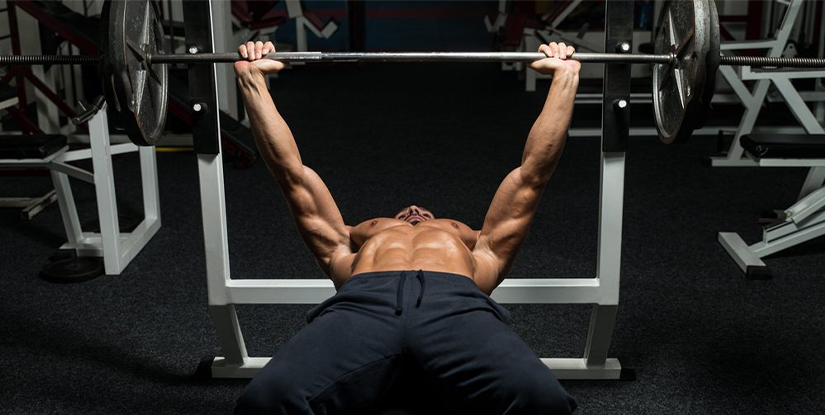
Selecting the Right Equipment for Back Bench Press Stability
Before engaging in a high-intensity lifting session, an operator or athlete must ensure that the foundational support system—the bench itself—is engineered for the specific load profiles intended. A common failure point in strength training facilities is the procurement of benches that lack the structural rigidity required for heavy-duty Back Bench Press movements. This mismatch leads to lateral instability, which can compromise both performance and safety.
When selecting a bench, professional evaluators focus on several critical parameters. You should not merely look at the aesthetic, but rather the mechanical integrity of the frame and the density of the upholstery. A substandard bench may suffer from uneven foam compression or frame flex, both of which disrupt the kinetic chain during a heavy press. To avoid these issues, it is essential to weigh the load capacity against the intended use case.
| Feature | Standard Commercial Grade | High-Performance/Competition Grade |
|---|---|---|
| Frame Construction | Steel tubing with basic welding | Reinforced heavy-duty steel with full-perimeter welding |
| Upholstery Density | Medium density foam (standard compression) | High-density, non-compressible foam |
| Footprint/Base | Standard width for stability | Extra-wide or weighted base for lateral resistance |
| Adjustment Mechanism | Single-pin or friction-based | Heavy-duty steel pin with multi-position locking |
By choosing a bench that aligns with these high-performance criteria, you mitigate the risk of structural failure under peak load. Once the correct equipment is in place, the focus must shift from the machine to the human interface: the setup of the user's body position.
Ergonomic Positioning and Spinal Alignment
Achieving a stable base begins with the physical relationship between the lifter and the bench. A poorly positioned lifter is highly susceptible to shoulder impingement or lumbar strain, often caused by an incorrect angle of the upper torso relative to the bench surface. This mechanical inefficiency is frequently the root cause of perceived strength plateaus.
The Importance of Scapular Retraction
A critical component of the Back Bench Press is the engagement of the scapulae. Without active retraction and depression, the shoulder girdle remains unstable, forcing the smaller rotator cuff muscles to compensate for the load. This mistake often leads to chronic injury over time. To verify correct engagement, the operator should ensure the shoulder blades are pinched together and driven into the bench before the bar is unracked.
Lumbar Support vs. Natural Arch
A frequent debate in strength training is the degree of lumbar arching. While a slight arch is a natural physiological response to stabilize the core, an excessive arch can shift the weight too far onto the upper thoracic region, leading to a loss of leverage. Operators should aim for a position where the lower back maintains contact with the bench during the eccentric phase, only slightly lifting during the peak concentric drive to stabilize the hips.
With the body correctly positioned, the next logistical step involves the precise calibration of the rack and the bar itself.
Precision in Rack Height and Barbell Calibration
The stability of the bench is only as effective as the rack it is paired with. If the rack height is improperly calibrated, the lifter may struggle with the initial unrack or the final lockout, both of which are high-risk moments for a Back Bench Press. A misalignment here creates an uneven distribution of weight, often resulting in the bar tilting or dropping unexpectedly.
To ensure a safe and efficient lift, the following calibration steps must be strictly followed:
- Height Verification: The bar should be positioned at a height that allows for a smooth transition from the rack to the starting position without excessive vertical travel.
- J-Cup Alignment: Ensure both J-cups are at the exact same height. Even a millimeter of difference can cause a rotational imbalance during the unrack phase.
- Safety Pin Positioning: Set the safety pins or arms just below the chest height when the lifter is in the bottom position of the movement.
Failure to verify these settings is a common cause of equipment damage and injury. Once the mechanical environment is verified, the lifter can focus on the specific execution phases of the lift.
Mechanical Execution and Force Vector Optimization
Executing a consistent Back Bench Press requires a mastery of the kinetic chain. It is not merely an upper-body movement; rather, it is a full-body stabilization task. Inefficiency in one segment—be it the legs, the core, or the arms—will cause a break in the force vector, leading to a failed lift.
The Leg Drive Mechanism
A common mistake among novice operators is neglecting the lower body. Effective force transmission begins with the feet. By driving the feet into the floor, the lifter creates tension through the legs that travels up the posterior chain to the upper back. This tension stabilizes the torso against the bench, preventing the hips from shifting during the press. To verify effective leg drive, notice if the feet remain anchored throughout the entire repetition.
The Eccentric and Concentric Arc
The path of the bar must be controlled. A straight vertical line is often too difficult to maintain; instead, most professionals utilize a slight J-curve. The bar descends toward the lower sternum and is driven back toward the eyes. This movement optimizes the angle of the elbows and maintains constant tension in the triceps and pectorals. If the bar moves too far toward the neck, the leverage is lost, and the risk of a failed lockout increases significantly.
Understanding these execution nuances helps identify why a lifter might feel 'stuck' at specific points in the lift. Often, the issue lies in the maintenance of the equipment rather than the technique itself.
Preventative Maintenance for High-Load Equipment
Long-term operational success depends on a rigorous maintenance schedule. Because the Back Bench Press involves significant repetitive stress and vibration, structural components and moving parts can degrade over time. Neglecting these checks leads to catastrophic failures like bolt shearing or upholstery tearing.
| Component | Inspection Frequency | What to Check For | Corrective Action |
|---|---|---|---|
| Frame Bolts | Monthly | Looseness or missing washers | Re-torque to manufacturer specifications |
| Upholstery | Weekly | Cracks, tears, or compression loss | Replace padding or resurface |
| Rack J-Cups | Bi-Weekly | Wobble or misalignment | Adjust height or replace hardware |
| Barbell Knurling | Quarterly | Smoothness or excessive wear | Clean or replace barbell |
A broken or loose component can disrupt the lifter's center of gravity mid-lift. Maintaining a high standard of equipment hygiene ensures that the mechanical variables remain constant across every training session.
With the maintenance protocols established, the final stage is addressing the most common errors encountered during actual operation.
Troubleshooting Common Performance Failures
When an operator experiences a decrease in power or a sudden change in the 'feel' of the lift, it is rarely a random occurrence. Most performance failures can be traced back to specific mechanical or ergonomic causes. By identifying the symptom, you can determine the precise failure point.
Symptom: Loss of Balance During Unrack
Potential Cause: Uneven weight distribution on the bar or misaligned J-cups in the rack. If one side of the barbell is even slightly heavier or the rack is tilted, the unrack will feel asymmetrical. The Fix: Reset the rack and ensure the barbell is centered. Verify the J-cups are level using a spirit level or a digital angle gauge.
Symptom: Unstable Upper Back Feeling
Potential Cause: Insufficient scapular retraction or a bench with low-density foam. If the foam is too soft, the lifter's weight will settle into the center, causing the shoulders to roll forward. The Fix: Perform a density check on the upholstery. If the foam is non-responsive, upgrade to a high-density commercial-grade bench. For posture, focus on 'pinching' the shoulder blades more aggressively before the lift.
Symptom: Hips Lifting Off the Bench
Potential Cause: Weak leg drive or an overly aggressive lumbar arch. While an arch is beneficial, an uncontrolled hip lift indicates that the lifter is using the bench as a fulcrum rather than a stable base. The Fix: Re-focus on driving the feet into the floor without lifting the glutes, and ensure the core is braced to maintain spinal neutrality.
Regularly running through these troubleshooting steps will allow for rapid recovery from technical hitches, ensuring that the training session remains productive and safe.
Verification of Technical Readiness
Before a heavy lifting session begins, a final verification loop is required. This is the process of moving from 'assumption' to 'certainty.' A professional does not assume the bench is ready; they verify it. This final check ensures that the entire system—the human, the bench, and the rack—is synchronized for maximum force output.
To verify readiness, follow this final checklist:
- Surface Check: Is the bench surface dry and free of any contaminants (sweat, oil) that could cause sliding?
- Load Test: Does the bar move smoothly through the intended path without unexpected friction from the rack?
- Stability Test: If you apply slight lateral pressure to the bench, does it remain rigid or does it wobble?
- Personal Check: Is the lifter's breathing and bracing synchronized with the planned weight increment?
By adhering to these rigorous standards, the operator transforms the Back Bench Press from a simple exercise into a highly controlled, predictable, and professional-grade technical maneuver.