

Optimizing Performance with a 48 Kg Competition Kettlebell
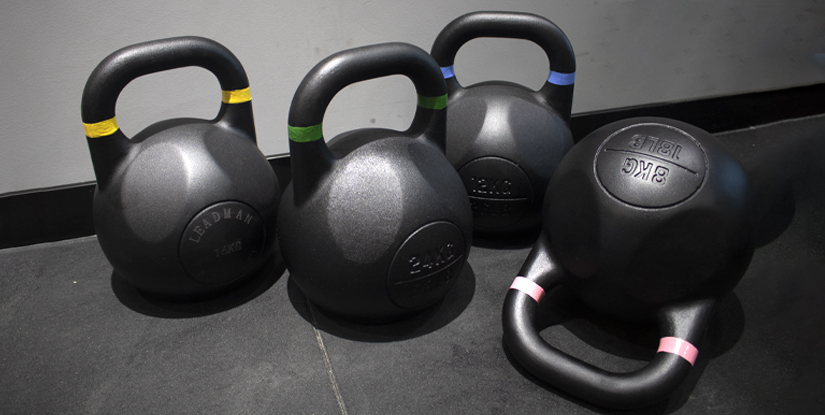
Mastering the 48 Kg Competition Kettlebell: Core Fundamentals
Engaging with a 48 Kg competition kettlebell represents a significant threshold in strength athletics. At this mass, the equipment is no longer just a tool for general fitness; it becomes a specialized implement that demands precise technical execution. Whether you are preparing for a sanctioned event or a heavy strength peak, understanding the physics of such a substantial load is paramount. Success requires a transition from purely muscular force to a sophisticated understanding of momentum and inertia.
A critical first step is verifying the structural integrity of the bell. High-mass implements are subject to intense kinetic stress during explosive movements. You must ensure the density is uniform throughout the casting. To evaluate this, practitioners often perform low-intensity swings to detect any eccentric oscillation. A well-balanced bell should feel rhythmic; any lateral jerking suggests a center-of-mass discrepancy that can lead to wrist or shoulder injury. Once the structural integrity is confirmed, the next layer of expertise involves understanding the specific geometry of the handle and how it interacts with your grip.
The Critical Role of Handle Geometry and Grip Stability
When working with a 48 Kg competition kettlebell, the handle is your primary interface for power transfer. In professional settings, handle dimensions are strictly standardized to ensure consistency across various training environments. A common mistake among enthusiasts is assuming all heavy bells are interchangeable, but even a 2mm difference in handle diameter can fundamentally alter your lifting mechanics.
Consider the following technical parameters for handle selection:
- Standard Diameter Range: Most high-tier implements fall between 35mm and 38mm.
- Texture and Surface Friction: A powder-coated or slightly textured finish is preferred to manage moisture without causing abrasics on the skin.
- Internal Clearance: The space between the handle and the bell body must be wide enough to allow for a clean transition during the snatch or clean, yet tight enough to maintain a stable center of gravity.
If the handle is too narrow, it can cause premature forearm fatigue; if it is too wide, you lose the ability to control the bell's trajectory. Having mastered the grip, you must now turn your attention to the material standards that ensure the bell survives years of high-impact training.
Material Standards and Surface Integrity
A 48 Kg competition kettlebell must be manufactured to withstand extreme thermal and mechanical stress. High-quality competition bells often utilize specialized casting processes to ensure the iron is dense and free of air pockets. These air pockets are not just aesthetic flaws; they are structural failure points that can lead to cracking under heavy impact.
| Feature | Standard Expectation | Common Failure Mode |
|---|---|---|
| Material Density | High-density cast iron or steel | Internal voids or hollow pockets |
| Surface Finish | Consistent powder coating or smooth iron | Uneven texture causing grip slips |
| Weight Tolerance | Precision-weighted within strict margins | Discrepancies in weight distribution |
Choosing an implement with substandard material quality often leads to unexpected weight shifts during high-velocity movements. This instability is exacerbated if the surface coating is uneven. Once you have verified the material quality, it is essential to establish a routine for maintaining the longevity of the implement through strict protocols.
Maintenance Protocols for High-Mass Implements
Maintaining a 48 Kg competition kettlebell is not merely about aesthetics; it is about preventing oxidation and ensuring the grip remains predictable. The presence of rust or accumulated sweat can significantly decrease the coefficient of friction, leading to dangerous slips during the snatch or overhead press. A well-maintained bell serves as a reliable partner in heavy training sessions.
Follow these maintenance guidelines to preserve your equipment:
- Cleaning: Use a damp cloth with a pH-neutral solution to remove salt and skin oils. Never use acidic cleaners that might strip the protective coating.
- Rust Prevention: If an iron surface begins to show signs of oxidation, a very light application of a specialized metal protectant can mitigate the issue.
- Visual Inspection: Perform a monthly deep-dive inspection of the casting to look for hairline fractures or surface degradation.
Proper maintenance ensures that the bell remains safe for both the athlete and the surrounding environment. This leads us to the physical relationship between the bell and the training floor, which is a critical aspect of gym management.
Managing Impact and Floor Protection
A 48 Kg weight drop can generate massive kinetic energy. Without proper mitigation, the impact of a heavy kettlebell can damage even the most durable surfaces and compromise the structural integrity of the bell itself. Professional training environments prioritize floor-to-bell interaction through advanced energy dissipation systems.
When planning your training space, use the following checklist for floor protection:
- Material Thickness: Ensure rubber mats are at least 20mm to 30mm thick to absorb heavy impacts.
- Surface Stability: The flooring must be non-slip to prevent the bell from sliding upon contact.
- Structural Consideration: For continuous use of 48 Kg bells, reinforced subflooring is highly recommended to prevent long-term floor depressions.
By treating the floor as part of the training system, you reduce the risk of equipment damage. With a stable base, you can now focus on the intricate movement mechanics required to move such a massive weight effectively.
Advanced Movement Mechanics and Momentum Control
Moving a 48 Kg competition kettlebell requires a departure from the standard mechanics used for lighter weights. At this level, the primary challenge is not just lifting the weight, but managing the massive momentum generated during the swing or snatch. The inertia of a 48 kg mass is significant, and failing to respect it can result in lost control or injury.
Key technical adjustments include:
- Hip Extension Speed: You must increase the explosiveness of your hip extension to overcome the initial inertia of the heavy bell.
- The 'Wait' Phase: There is a subtle delay in the bell's ascent compared to lighter bells; you must time your pull to meet the mass at its peak velocity.
- The Eccentric Phase: Controlling the descent is just as vital as the ascent. You must use your core and posterior chain to guide the weight back down, rather than letting it pull you off balance.
Understanding these mechanics allows for more fluid transitions between lifts. However, to truly master the weight, you must also be aware of the subtle variables that can cause a lift to feel 'off'.
Identifying and Overcoming Instability Issues
Even with perfect form, a kettlebell can sometimes feel uncooperative. This often stems from subtle manufacturing variances or environmental factors. Being able to diagnose these issues allows you to decide whether to continue with the set or switch to a different implement for safety.
Common instability symptoms and their causes:
- Lateral Jerking: Usually caused by an off-center weight distribution within the casting.
- Handle Wobble: Often a result of improper grip tension or a handle that is too large for the hand's optimal grip range.
- Unexpected Drag: Can be caused by surface irregularities on the bell body catching against the forearm or thigh during the clean.
If you encounter persistent instability, it is wise to re-evaluate your equipment. Once you have diagnosed these issues, you can move into the final stage of professional training: the verification of your total system setup.
Final Verification and Performance Readiness
Before starting a high-intensity session with a 48 Kg competition kettlebell, a comprehensive verification process should be completed. This is the final check that bridges the gap between preparation and execution. A systematic approach ensures that no detail—from the grip to the floor—has been overlooked.
Complete this pre-training checklist for every session:
| Verification Step | Target Outcome |
|---|---|
| Visual Casting Check | Zero visible cracks or structural flaws |
| Weight Balance Check | Smooth, non-oscillating swing rhythm |
| Grip Friction Check | Clean, non-greasy handle surface |
| Floor Integrity Check | High-density mats are properly positioned |
By adhering to this rigorous standard of verification, you ensure that your training with the 48 Kg competition kettlebell is as productive, safe, and consistent as possible. This holistic approach transforms a heavy piece of iron into a precision instrument for elite performance.