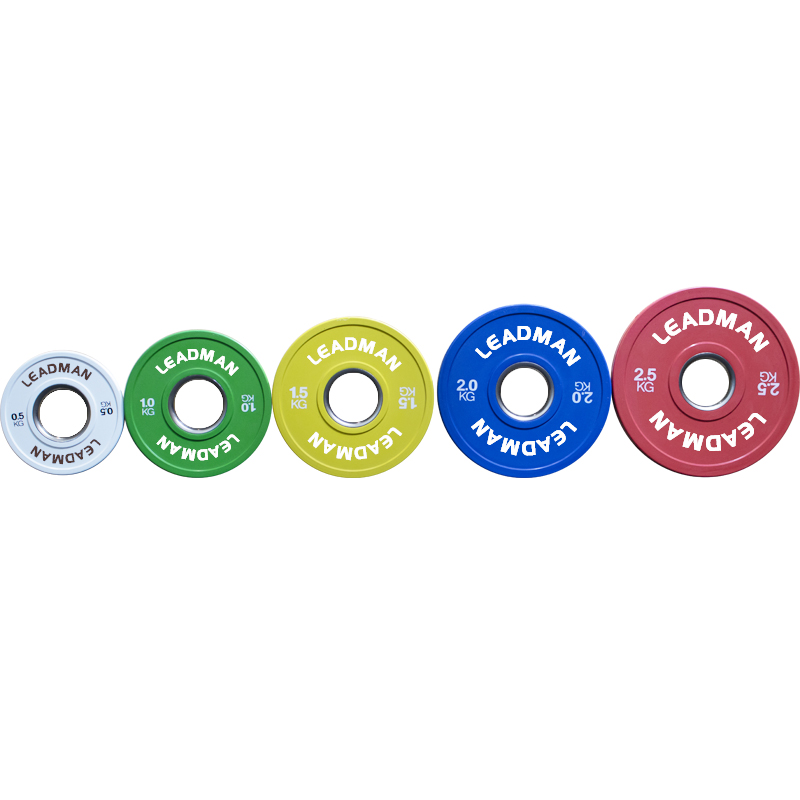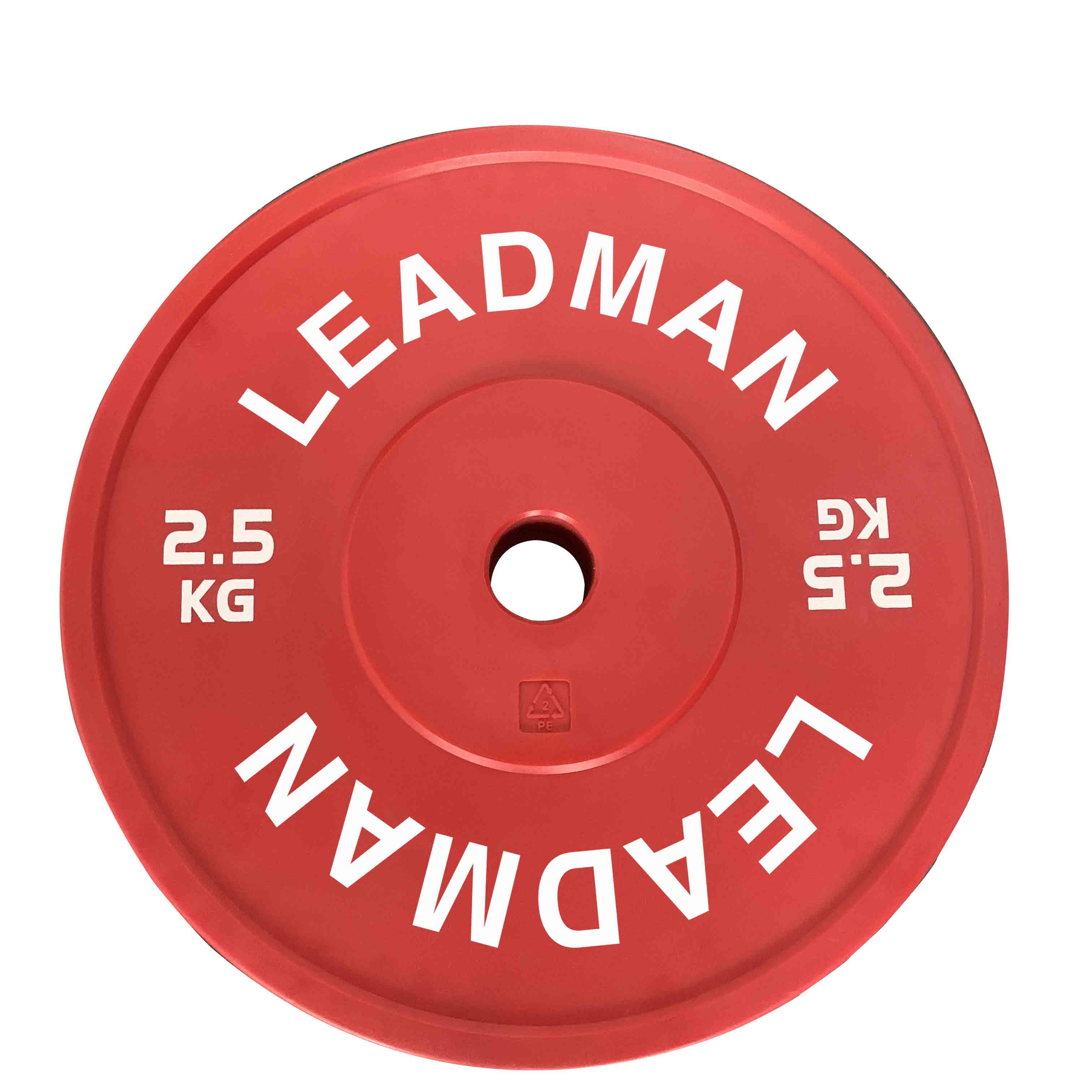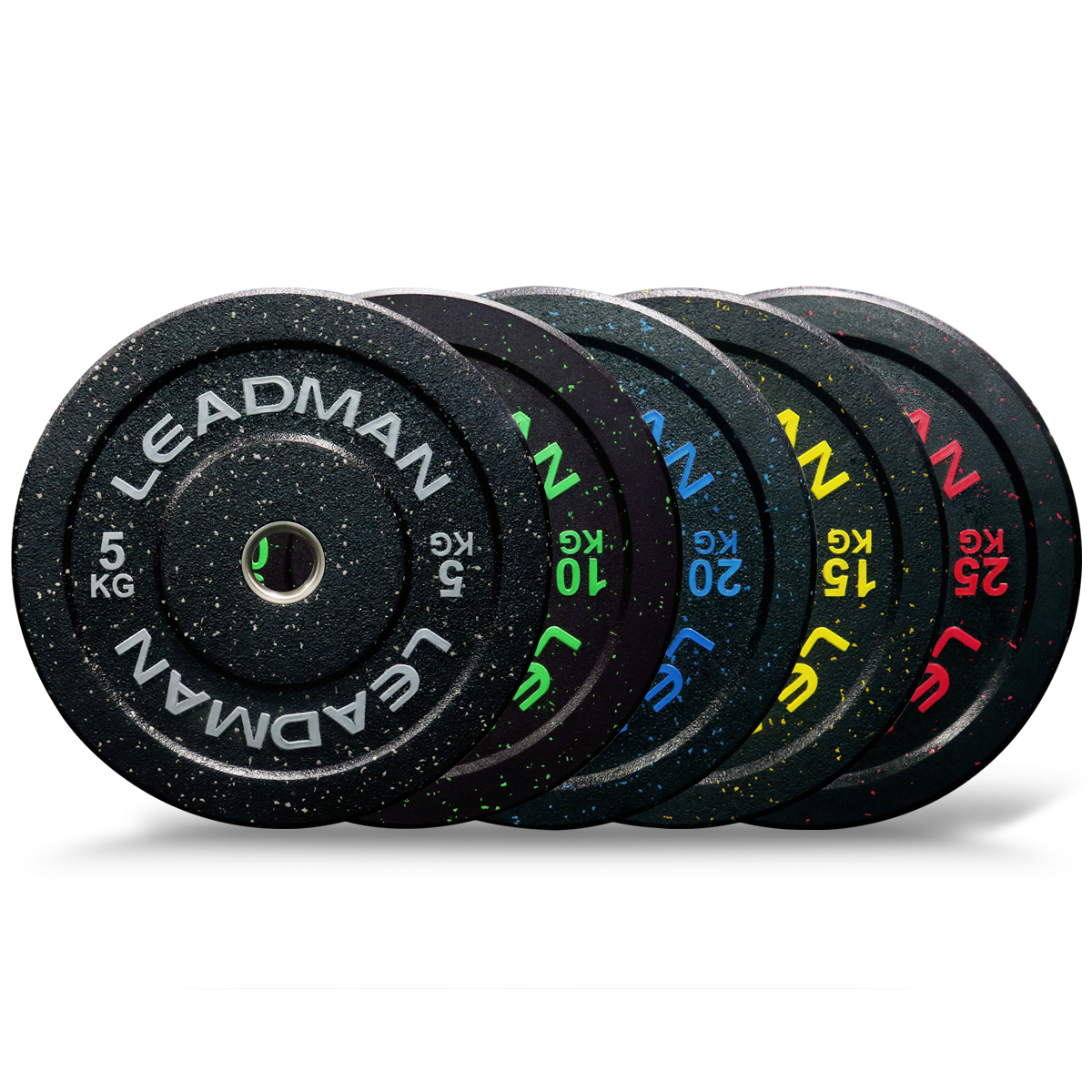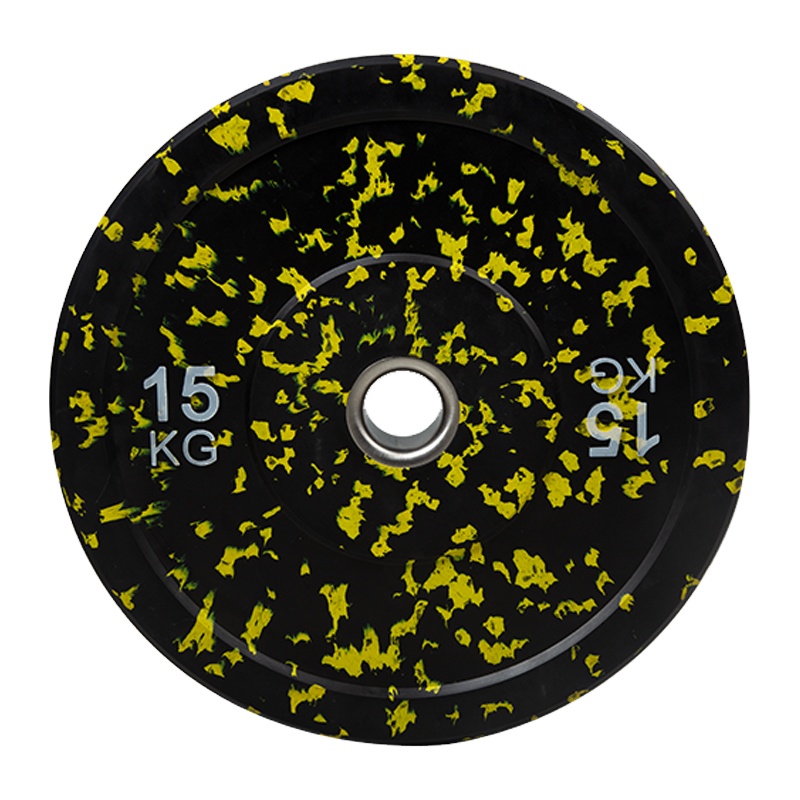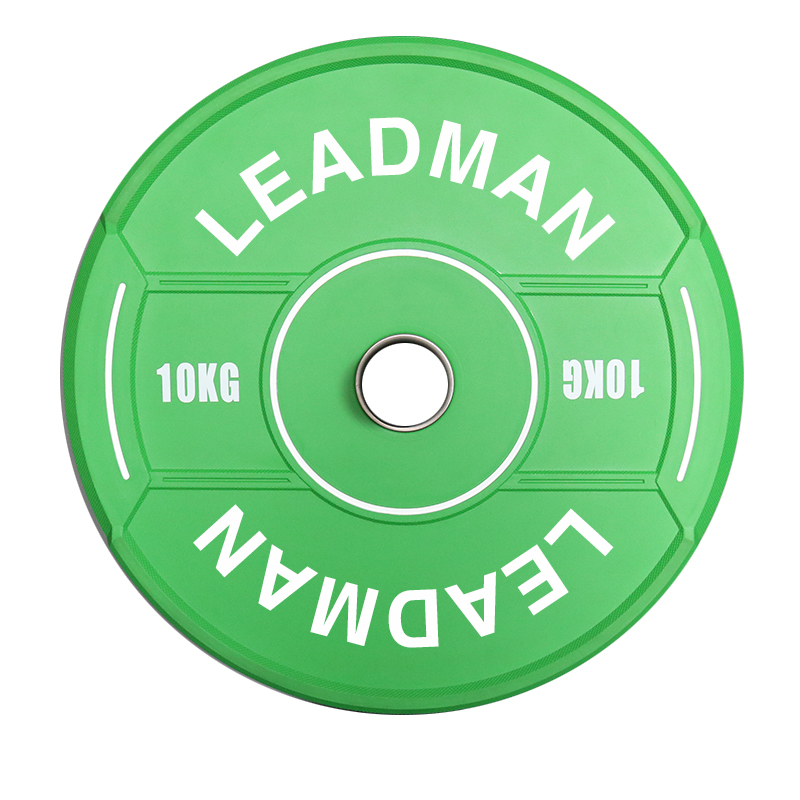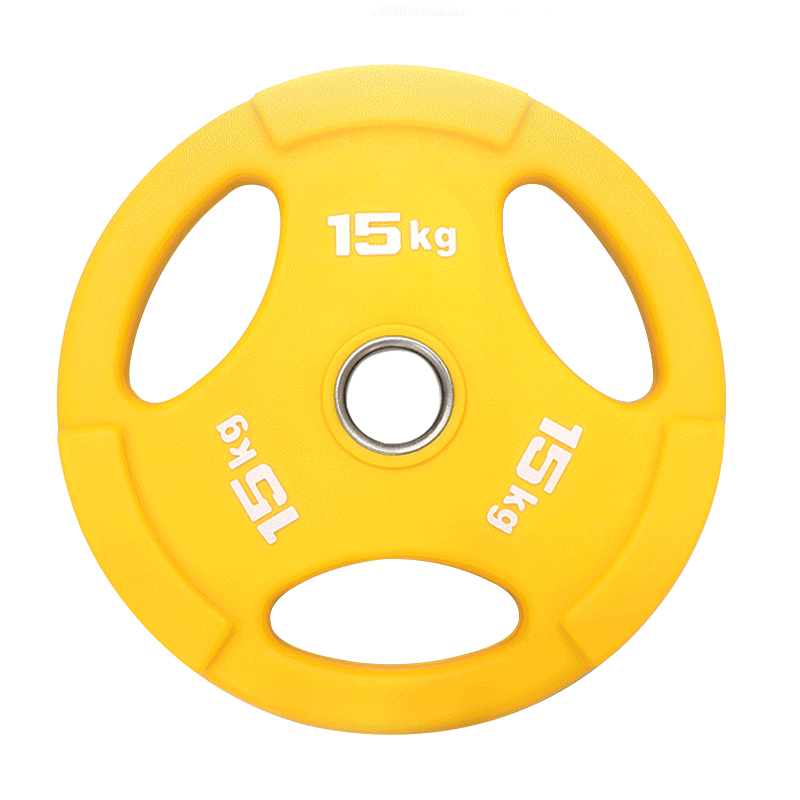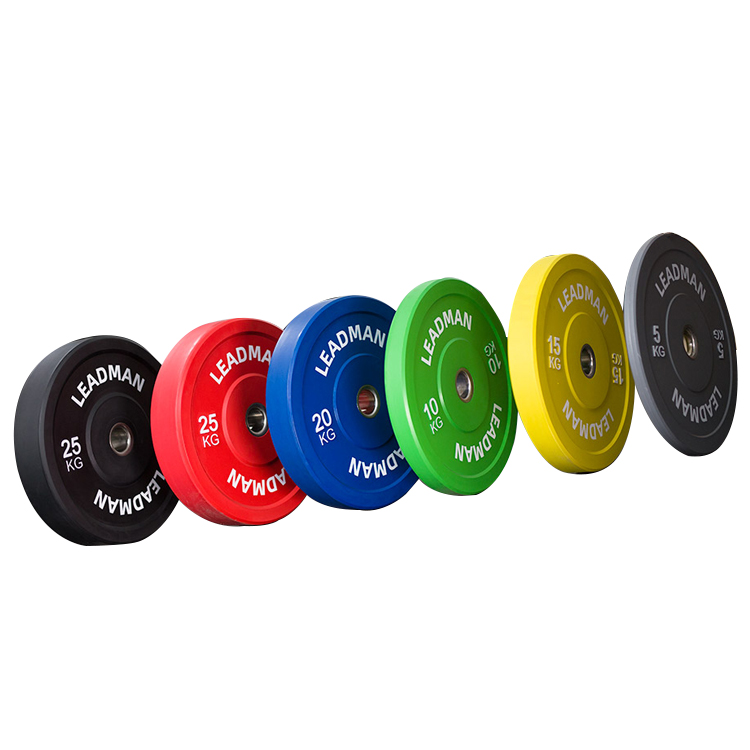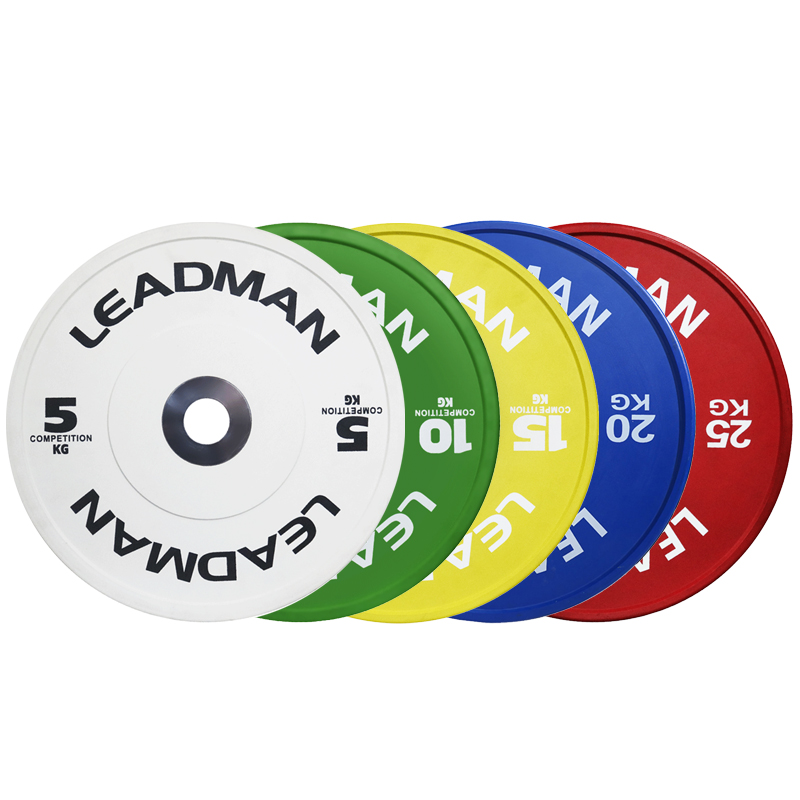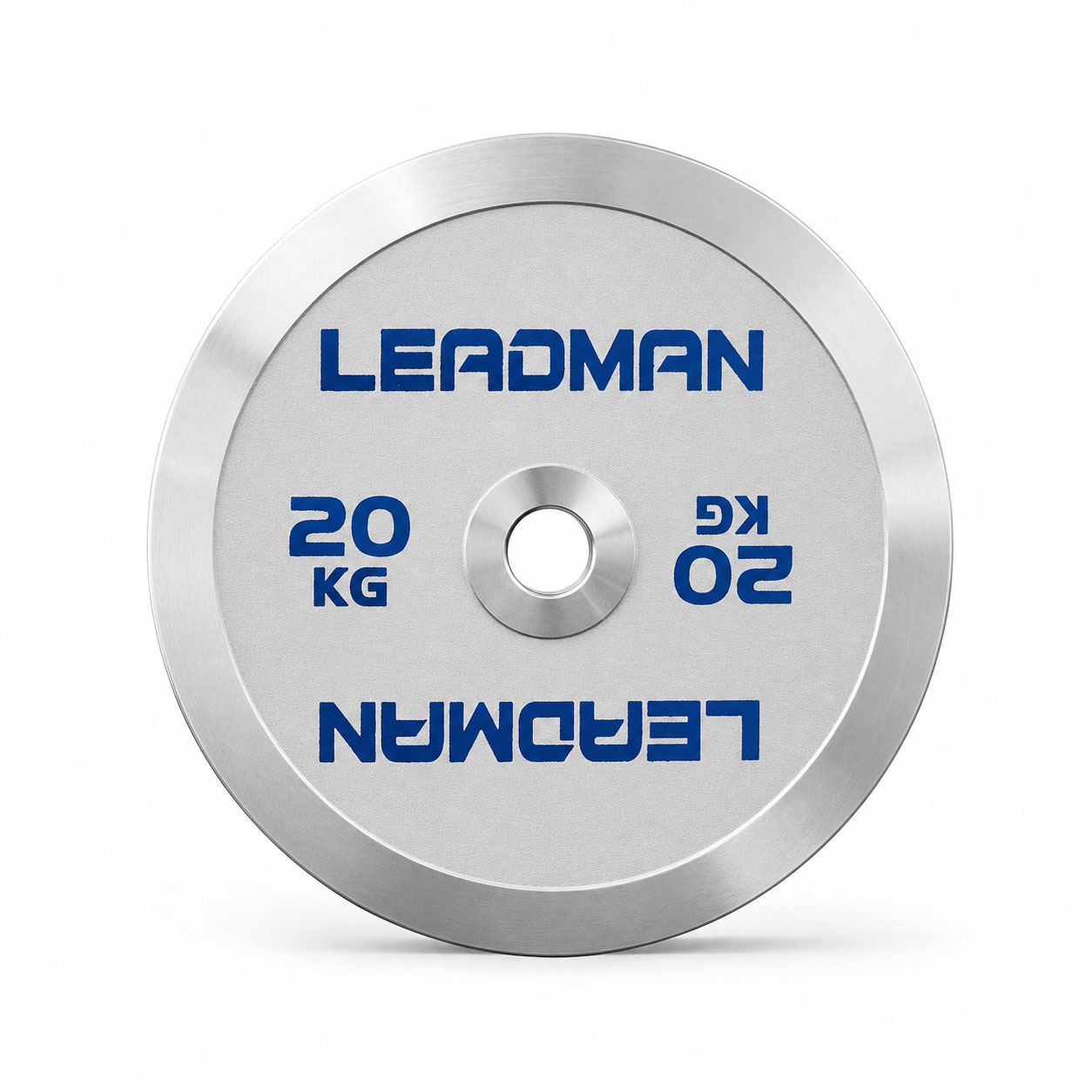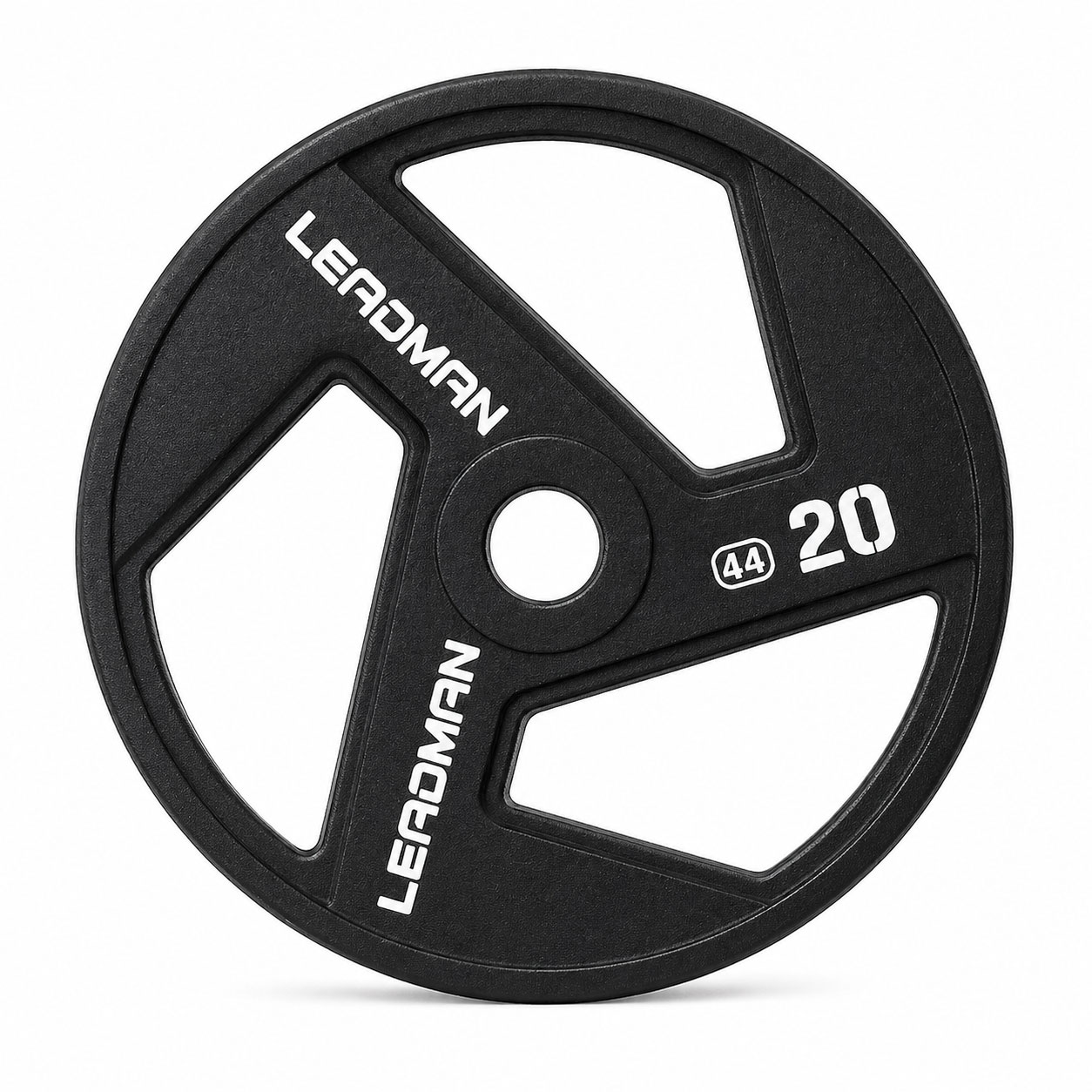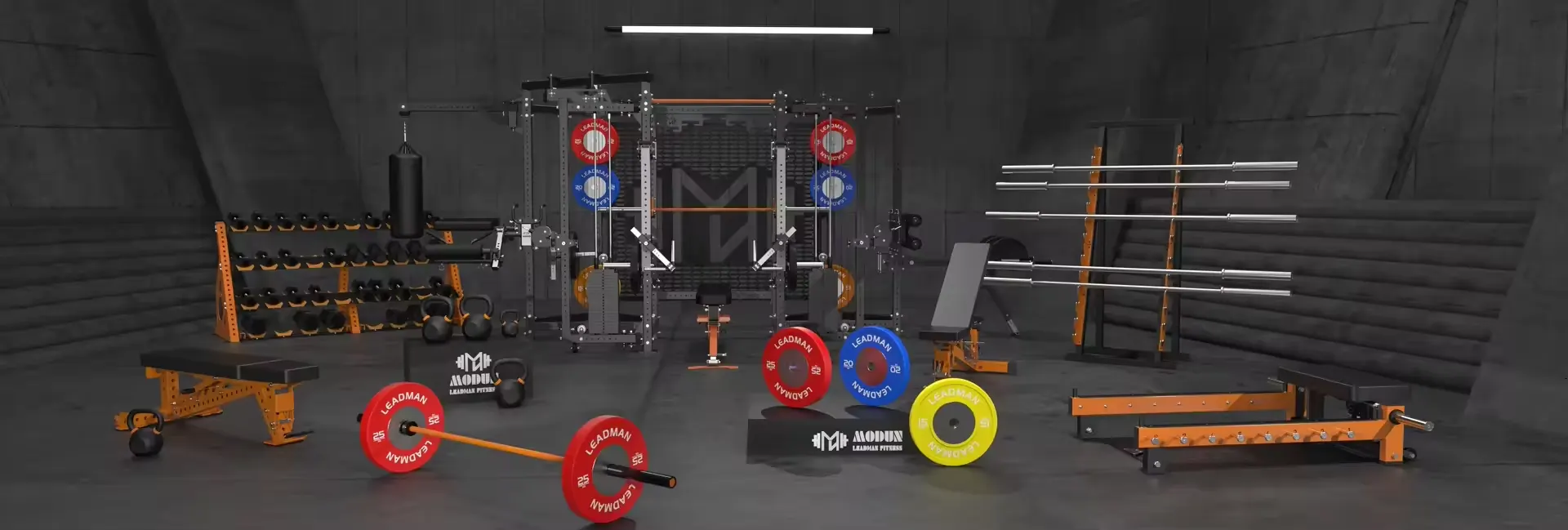
Rubber 1 inch weight plates serve home gym owners using standard barbells with 25mm (1-inch) diameter sleeves. Unlike Olympic plates with 50mm center holes, these plates cater to budget-conscious setups, compact storage needs, and older or entry-level barbells. However, the narrower center hole and thinner plate profile create unique durability challenges.
The critical engineering factor for rubber 1 inch plates is the steel insert quality and bonding method. Premium plates use a machined steel bushing pressed into vulcanized rubber, ensuring the center hole maintains true 25mm diameter. Cheap alternatives either skip the steel insert entirely (rubber directly molded around the hole) or use thin stamped metal that deforms under load. Without a reinforced insert, the rubber wall around the 1-inch hole compresses and elongates, causing the plate to wobble or stick on the barbell sleeve.
User data from home gym forums indicates that rubber 1 inch plates without steel inserts develop ovalized holes after 12-18 months of regular use. Conversely, plates with 2mm thick machined inserts showed minimal wear after three years. The second common failure point is edge chipping—thin rubber coatings (under 3mm) on cast iron cores crack when plates are leaned or dropped. True rubber composition plates with 10mm+ uniform thickness absorb impact far better but cost significantly more.
For buyers evaluating rubber 1 inch plates, perform three checks. First, confirm the hole tolerance: plates should slide smoothly but without lateral play. Second, inspect the plate thickness per weight—quality 5kg (10lb) plates measure at least 20mm thick; thinner plates indicate dense (brittle) rubber or iron-dominant construction. Third, verify weight accuracy: budget plates often have +/-5% variance, causing barbell imbalance. Always weigh individual plates if possible before bulk purchase.

Let our experts design the perfect gym solution for your business. Get a free consultation and quote today.