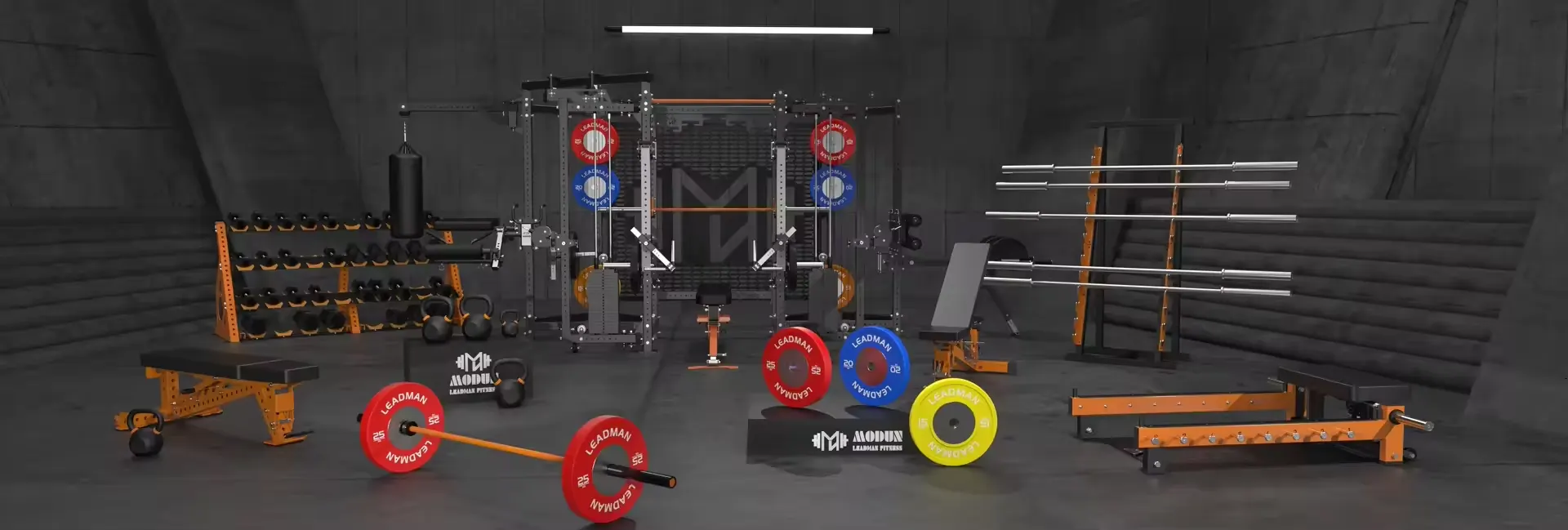
The global fitness equipment manufacturing industry is dominated by a concentrated group of industry leaders whose production scale, technological innovation, and distribution networks shape commercial fitness infrastructure worldwide. These largest gym equipment manufacturers collectively account for approximately 40% of the total market, which is projected to surpass $15 billion by 2027, driven by rising health consciousness and institutional investment in wellness facilities. Their dominance spans full-spectrum product lines, from cardiovascular machines and selectorized strength equipment to free weights and connected fitness ecosystems, with manufacturing footprints across North America, Europe, and Asia.
Understanding the tier structure of fitness equipment manufacturing reveals strategic differentiation among market leaders. Top-tier manufacturers like Life Fitness and Technogym compete primarily on brand prestige, biomechanical research, and comprehensive facility solutions, often securing exclusive contracts with premium hotel chains and professional sports organizations. Second-tier giants such as Precor and Matrix Fitness emphasize commercial durability and value optimization, capturing the bulk of mid-market gym chains and university athletic centers. Meanwhile, specialized heavyweights like Hammer Strength (owned by Life Fitness) and Cybex (acquired by Core Health & Fitness) maintain formidable positions in targeted niches, particularly plate-loaded equipment and rehabilitation-focused product lines.
Market consolidation has accelerated through strategic acquisitions, with major holding groups including KPS Capital Partners (which owns Life Fitness and Hammer Strength) and True Fitness Technology leading portfolio diversification. This consolidation trend confers significant advantages in supply chain efficiency, global distribution logistics, and cross-brand component standardization, enabling these manufacturers to offer integrated facility packages that smaller competitors cannot replicate. Additionally, connected fitness integration has become a critical battleground, with top manufacturers partnering with software developers to embed performance tracking and virtual coaching capabilities into hardware, responding to shifting consumer expectations for data-driven workout experiences.
Geographically, manufacturing concentration has decentralized with major players maintaining multi-continent production to mitigate tariff risks and regional supply disruptions. Life Fitness operates facilities in the United States, Hungary, and China, while Technogym produces primarily in Italy with regional assembly hubs. This distributed manufacturing approach enables rapid responsiveness to regional demand fluctuations while maintaining rigorous quality control standards across all production sites. For commercial buyers, partnering with top-tier manufacturers ensures robust after-sales support networks, parts availability, and factory-trained technicians—considerations often as critical as initial equipment pricing.
Emerging market dynamics present both opportunities and pressures for industry leaders. Rising fitness participation in Asia-Pacific and Latin America drives new facility construction, fueling demand for high-volume equipment orders. Simultaneously, boutique fitness operators increasingly favor specialized equipment from niche manufacturers, challenging the broad-product-line strategy of traditional titans. Leading manufacturers respond through product diversification, R&D investment, and strategic acquisitions, with the largest firms allocating over 5% of annual revenue to research and innovation, ensuring continued competitive advantage in this evolving landscape.
Let our experts design the perfect gym solution for your business. Get a free consultation and quote today.