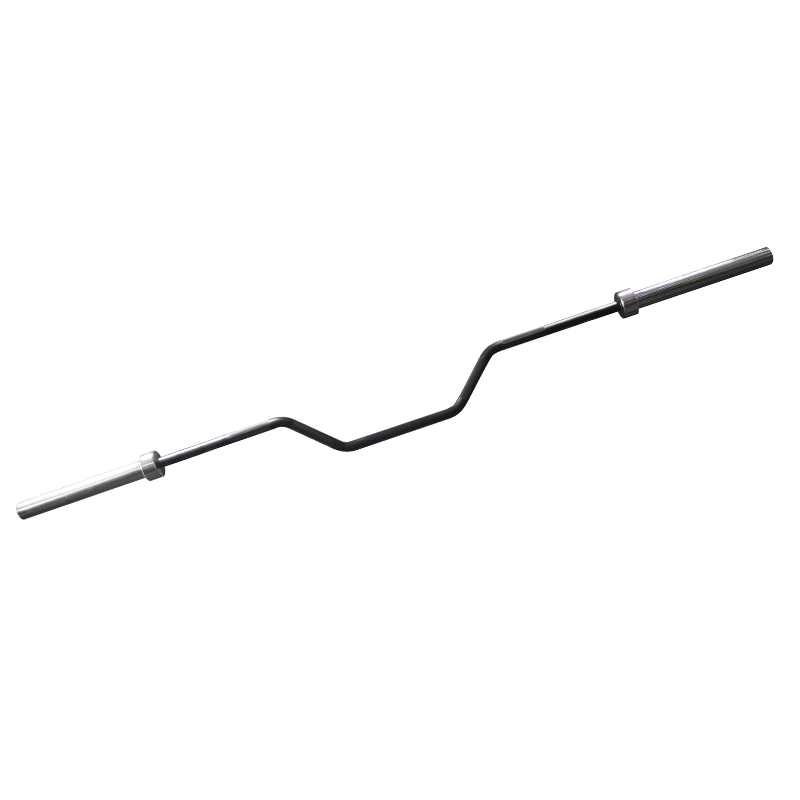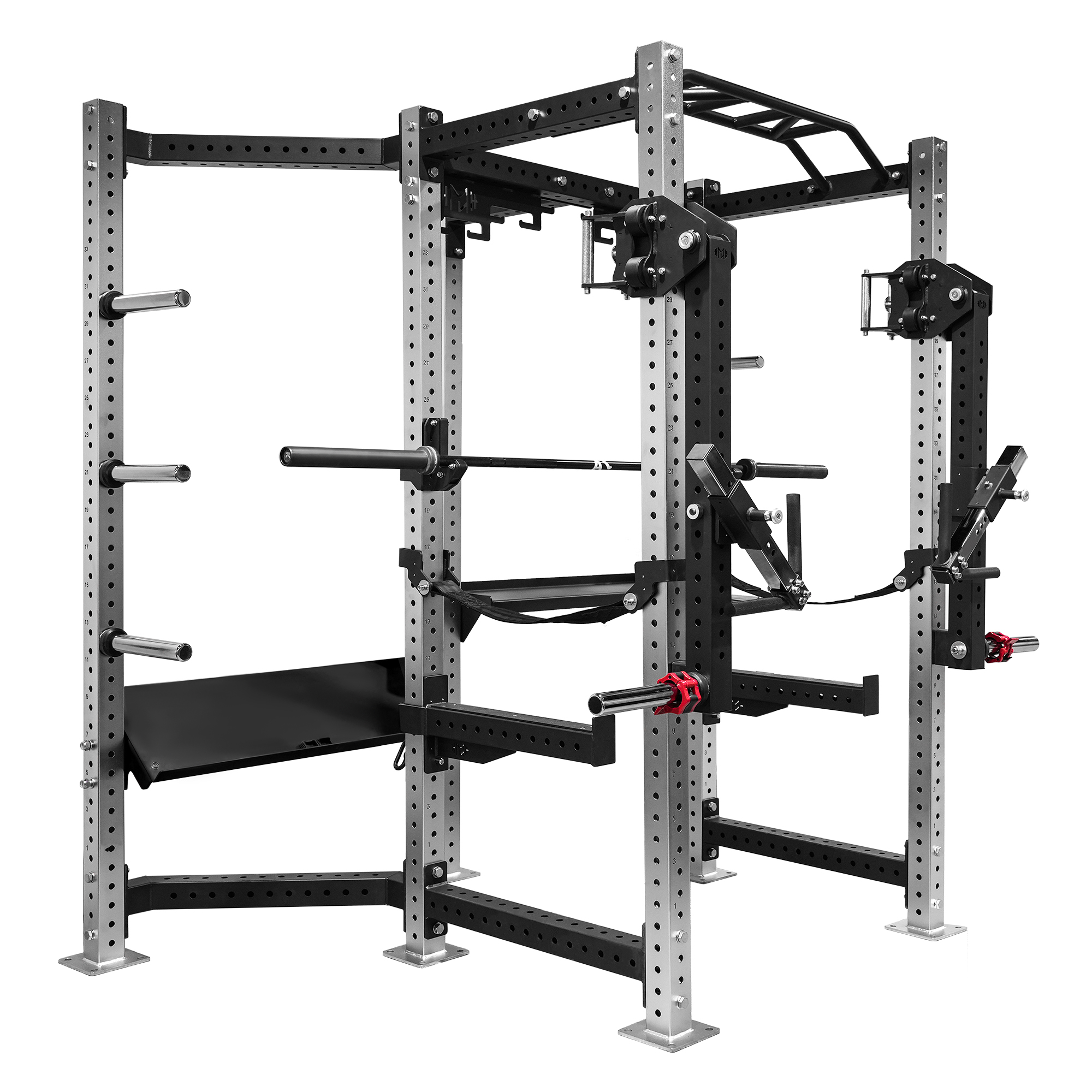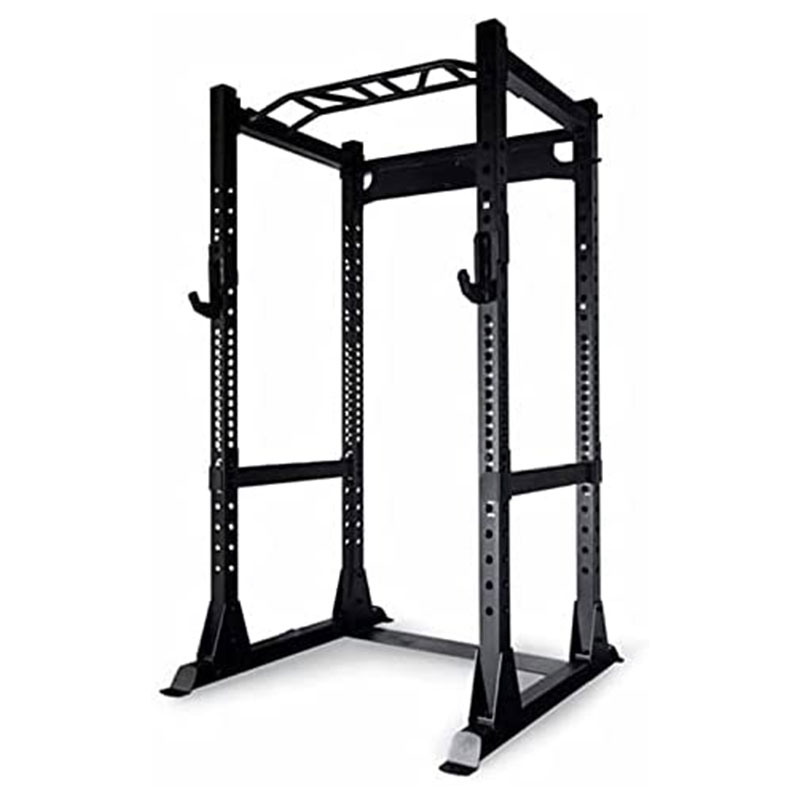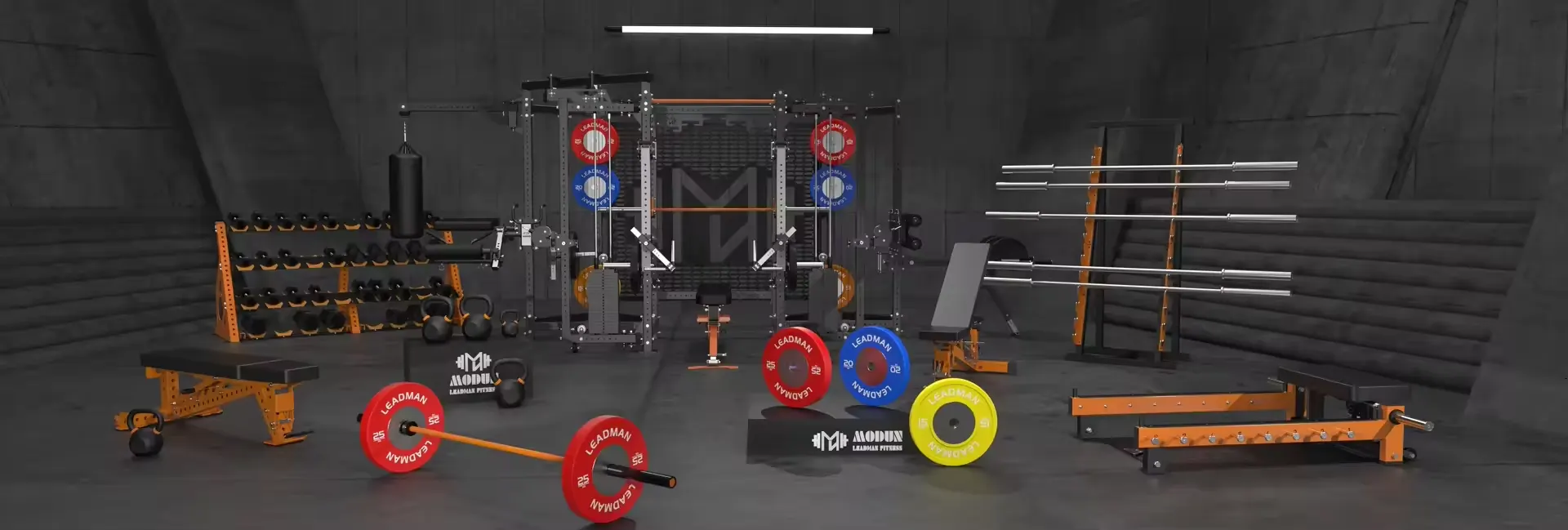
Choosing a fitness product manufacturer is a strategic decision that impacts product quality, supply chain reliability, and brand reputation. Unlike distributors who aggregate finished goods, manufacturers control the entire transformation—from raw steel coils, rubber compounds, and foam densities to welded frames, assembled stacks, and packaged equipment.
The core operational metric for evaluating manufacturers is yield rate and defect density. Top-tier manufacturers achieve first-pass yield rates of 97-99%, meaning less than 3% of products require rework after final assembly. This efficiency stems from statistical process control at each stage: incoming material inspection (verifying steel gauge and rubber durometer), in-process welding checks (penetration depth and porosity), and final load testing (validating weight capacities). Manufacturers without documented SPC systems typically operate at 85-90% first-pass yield, leading to shipment delays and inconsistent customer experiences.
Industry data from equipment sourcing reports indicates that manufacturers with in-house tooling and mold-making capabilities offer 30-50% faster custom development cycles. A manufacturer that subcontracts mold creation adds 4-8 weeks and $5,000-15,000 in markup per mold. Conversely, integrated manufacturers produce rubber bumper plate molds in 2-3 weeks at 40-60% lower cost. Similarly, manufacturers with on-site powder coating lines achieve consistent color and thickness (60-100 microns) versus outsourced finishing which introduces variable results and transport damage risks.
For buyers vetting a fitness product manufacturer, conduct a capability deep-dive across five domains. First, engineering: request CAD samples of previous custom work and ask about DFM (design for manufacturing) feedback provided to clients. Second, materials sourcing: verify relationships with steel mills (e.g., Baosteel, POSCO) and rubber compounders rather than spot-market purchasing. Third, production scale: assess maximum monthly output (e.g., 500 power racks vs 5,000 kettlebells) against your volume requirements. Fourth, compliance: confirm EN 20957, ASTM, or ISO 9001 certifications are current and lot-specific, not expired or factory-wide only. Fifth, after-sales: ask about spare parts availability, documentation quality (assembly manuals, explosion drawings), and warranty claims process. Always negotiate a pilot order (10-20% of target volume) before full commitment, allowing real-world quality verification at production scale.
Let our experts design the perfect gym solution for your business. Get a free consultation and quote today.