The global landscape of fitness equipment manufactures spans a complex ecosystem of casting foundries, CNC machining facilities, rubber vulcanization plants, and final assembly operations. Unlike consumer-facing brands that prioritize marketing and retail distribution, original equipment manufacturers (OEMs) focus on production engineering, material sourcing, and quality systems. Understanding this distinction is critical for commercial buyers, franchise operators, and private labelers who need reliable supply chains rather than just brand recognition. The manufacturing base concentrates heavily in regions with mature steel processing industries—particularly Shandong Province in China, Northern Italy for premium urethane work, and the American Midwest for heavy-duty commercial racks. Each region offers distinct advantages in cost structure, technical capability, and minimum order quantities, but all share the fundamental challenge of balancing production speed against quality consistency across large batch runs.
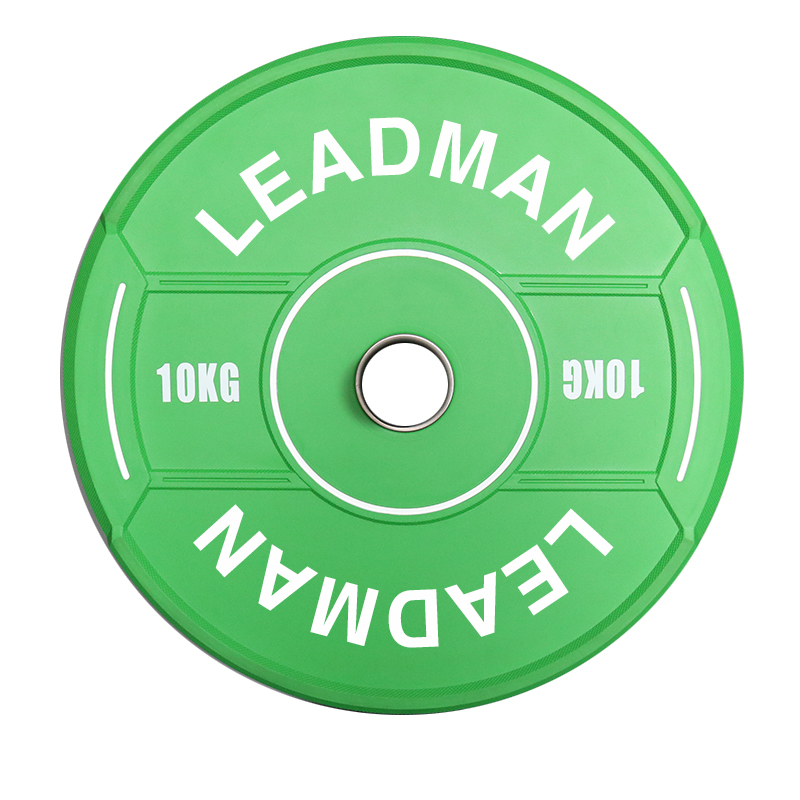
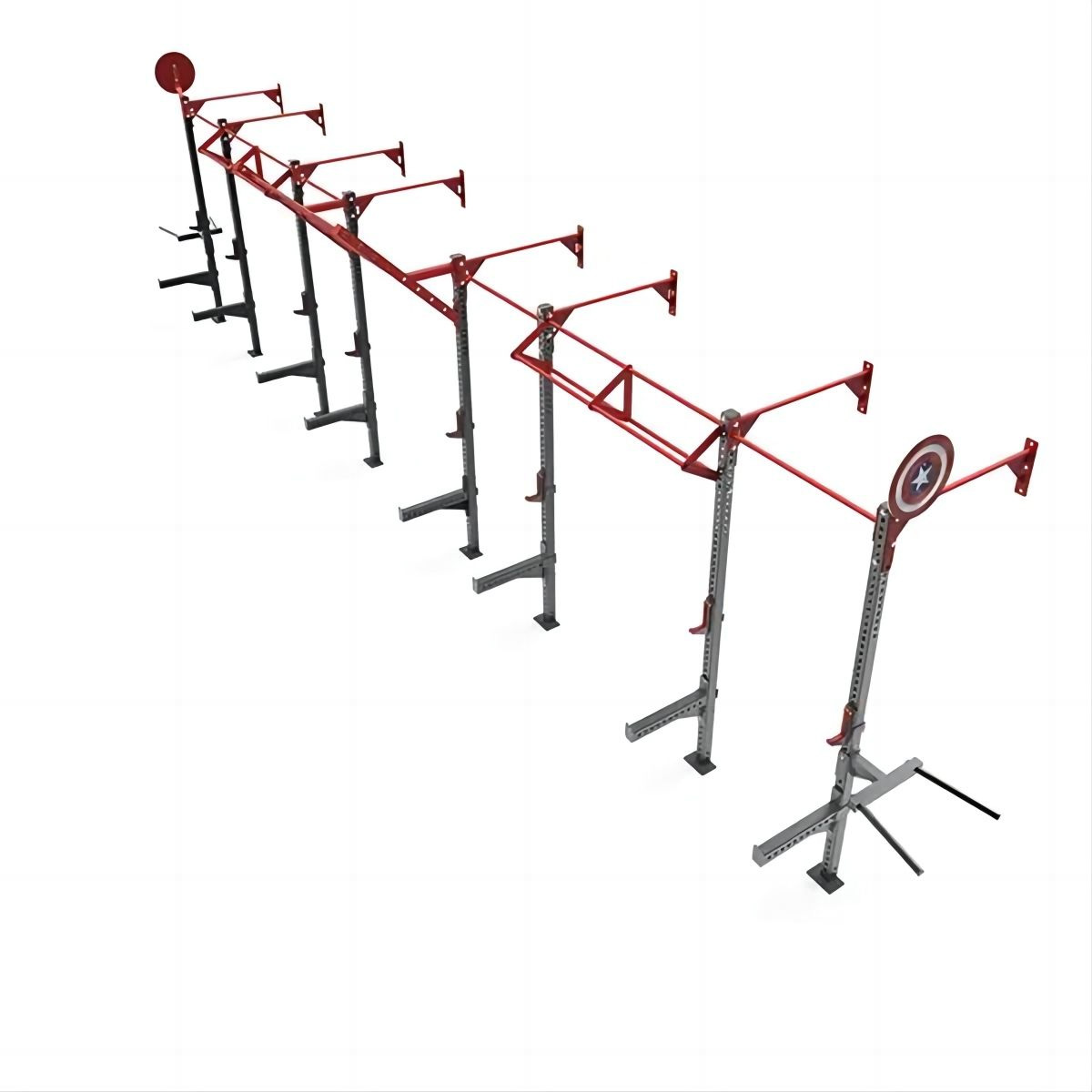
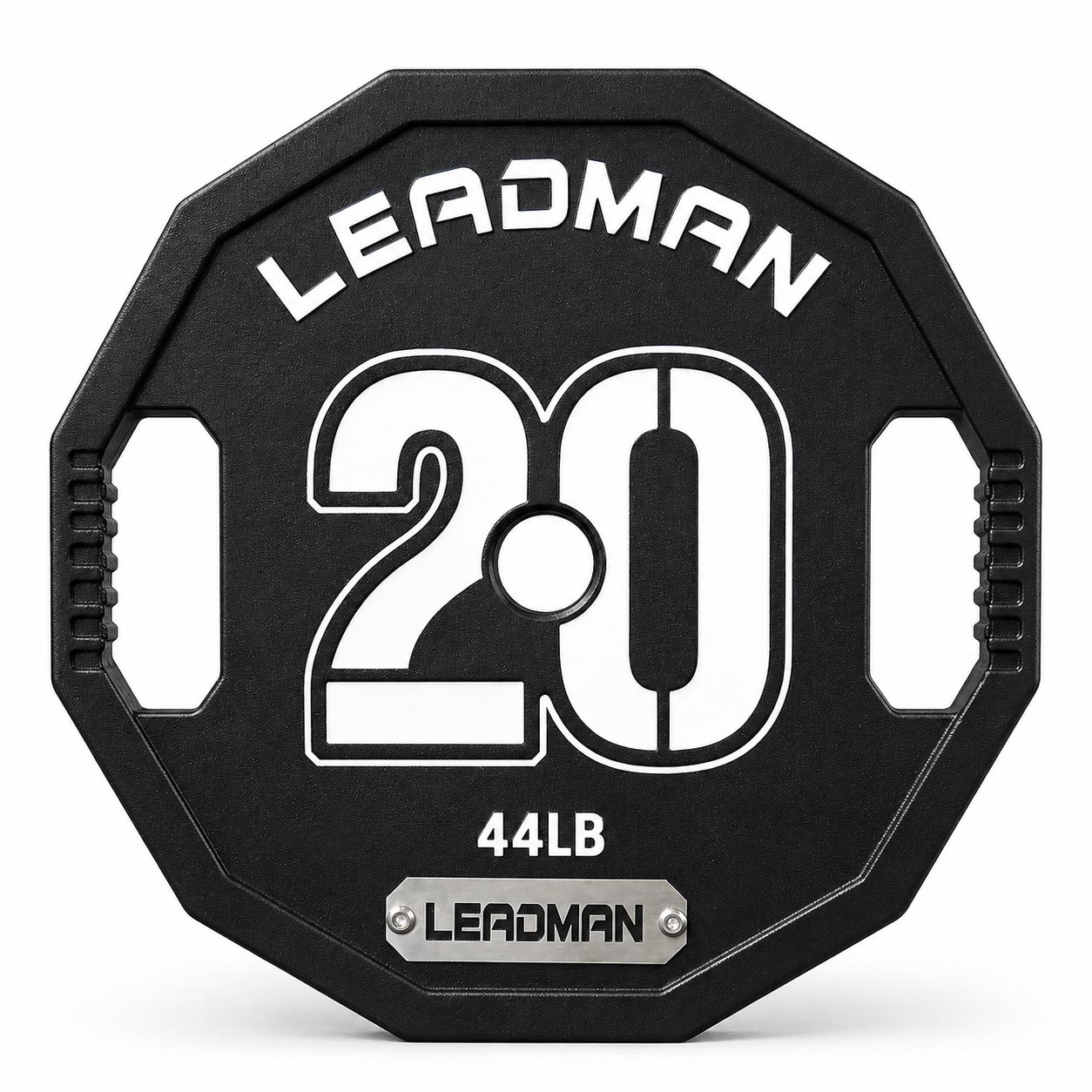
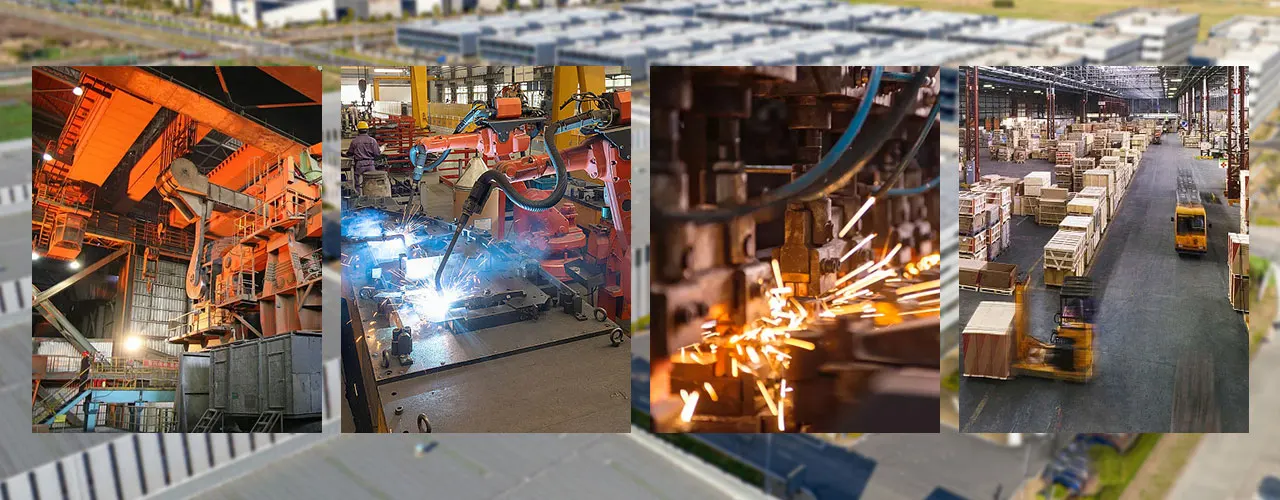
From a production engineering perspective, evaluating fitness equipment manufactures requires examining capabilities beyond the final product appearance. Bumper plate manufacturing exemplifies the technical depth required: premium producers use natural rubber compounding with precise durometer targeting (85-90 Shore A for durability, 75-80 Shore A for quieter operation), multi-step bonding processes for steel insert adhesion, and CNC-machined insert tolerances under 0.2mm. Lower-tier producers skip the bonding primer layer or use recycled rubber blends, resulting in insert separation or inconsistent bounce characteristics within 6-12 months of commercial use. Steel fabrication capabilities tell a similar story: manufacturers with in-house laser cutting (rather than outsourcing plasma cutting) achieve hole placement tolerances within +/- 0.5mm, essential for racks and rigs where attachment compatibility matters. Welding automation levels separate consistent producers from variable ones—robotic welding cells maintain identical parameters across 10,000+ units, while manual welding introduces variance based on operator fatigue, skill level, and shift scheduling. For commercial buyers placing repeat orders over multiple years, visiting the production floor or requesting uncut weld process videos provides more actionable intelligence than any brochure or certification alone.
For procurement professionals seeking long-term partnerships with fitness equipment manufactures, three operational indicators predict supplier reliability better than price competitiveness alone. Raw material inventory practices matter: manufacturers who maintain 4-6 weeks of steel, rubber compound, and bearing stock demonstrate supply chain maturity, while those operating just-in-time (ordering materials only against confirmed purchase orders) face unpredictable lead times when any upstream supplier delays. A simple inquiry about typical steel inventory levels reveals this distinction immediately. Batch traceability systems separate professional operations from job shops. Premium manufacturers stamp batch codes into each weight plate or frame component, allowing them to trace any quality issue back to the specific production day, shift, material lot, and quality inspector. Without batch traceability, a single defective batch requires recalling entire product lines or—more commonly—leaving customers to discover failures individually. Third-party audit frequency offers another leading indicator: ISO 9001 certification requires annual surveillance audits, but proactive manufacturers voluntarily submit to SGS, TÜV, or Bureau Veritas inspections every 6 months, using findings to drive continuous improvement rather than just maintaining compliance. Requesting the two most recent audit reports (with commercial redactions permitted) reveals whether the manufacturer treats quality as a marketing claim or an operational discipline. For private label buyers, the manufacturer's willingness to co-brand or disclose their OEM client list also signals confidence—reputable producers name their partners transparently, while those who insist on confidentiality often serve mostly price-driven, low-volume customers with inconsistent purchasing patterns. Ultimately, the most reliable fitness equipment manufactures view themselves as engineering partners rather than order-takers, investing in application testing (e.g., 500,000-cycle durability trials) and publishing the results publicly, knowing that transparent data builds trust faster than any sales pitch.
Let our experts design the perfect gym solution for your business. Get a free consultation and quote today.