A commercial leg press machine is a cornerstone of lower body development in any high-traffic fitness facility, yet selecting the right model requires analyzing more than just weight stack size. The biomechanical path—whether linear, curved, or plate-loaded—dictates muscle activation patterns and joint stress. For commercial settings, the priority is a machine that survives repetitive heavy loading while offering natural, safe movement for users of all heights and mobility levels.
The defining characteristic of a true commercial-grade unit is its structural integrity under cyclical stress. Unlike consumer models, these machines use thicker-walled steel tubing (typically 11-gauge or higher) and reinforced pivot points with sealed linear bearings. A case study from a regional gym chain showed that replacing consumer-grade leg presses with commercial models reduced maintenance calls by 87 percent over 18 months, primarily due to eliminated bushing wear and carriage misalignment.
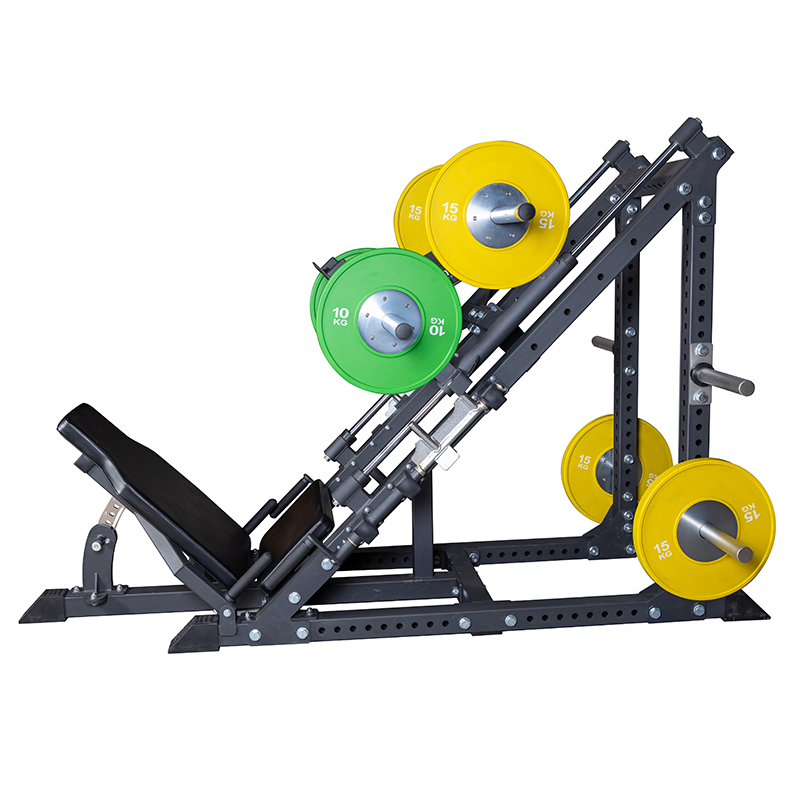
Load configuration separates the market: plate-loaded leg presses offer infinite weight progression and lower purchase costs, making them ideal for strength-focused facilities. Conversely, selectorized leg presses with enclosed weight stacks excel in circuit training environments where speed and safety take priority. The choice hinges on your member demographic—powerlifters favor plate-loaded sleds, while general fitness users prefer the convenience of pin selection.
Critical safety features often overlooked include positive-stop mechanisms (locking stops that prevent hyperextension) and low-friction carriage systems with dual rail guides. Inspect the sled's range limiters: adjustable rubber bumpers or polyurethane stops that absorb impact without metal-on-metal wear. Additionally, footplate texturing and angle adjustability (typically 20 to 45 degrees) accommodate different training goals, from glute-dominant high stance to quad-focused low placement.
Maintenance considerations directly impact total cost of ownership. Commercial leg presses require lubrication-free linear bushings or easily accessible grease fittings. The best designs feature sealed bearing housings and debris covers. For facilities with high usage (200+ users daily), a maintenance schedule of quarterly pivot inspection and annual cable replacement (for selectorized units) is standard industry practice. Invest in models with standardized, globally available replacement parts rather than proprietary components that create costly downtime.
Let our experts design the perfect gym solution for your business. Get a free consultation and quote today.