

Why Wholesale Dumbbell Sets Are a Smart Investment
Material Integrity and Structural Longevity
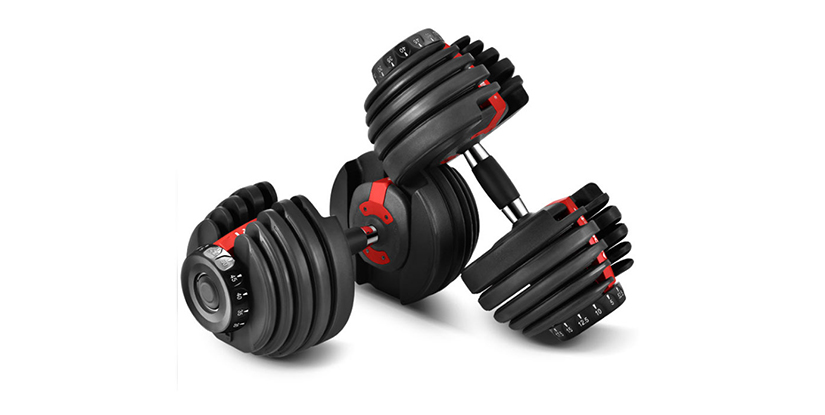
For facility operators and gym owners, the primary frustration regarding equipment procurement is the rapid degradation of assets. Low-quality equipment often suffers from premature oxidation, handle fatigue, or coating delamination. Understanding why wholesale dumbbell sets are a smart investment requires looking beyond the initial price tag and into the metallurgical standards and casting processes employed during manufacturing.
The Mechanics of Casting and Core Composition
High-grade dumbbell sets typically utilize high-density cast iron or precision-molded urethane. The failure mode in budget-tier sets often involves hollow cores or impure iron, which leads to internal structural cracks under high-impact scenarios. A professional-grade set ensures uniform density, which prevents shifting weights during high-velocity movements. When evaluating a set, operators should verify the density of the core material and the seamlessness of the molding process.
| Material Type | Durability Profile | Maintenance Requirement | Best Use Case |
|---|---|---|---|
| Cast Iron (Uncoated) | High impact resistance; prone to rust | Low; requires periodic oiling | Traditional strength training |
| Rubber Encased | Excellent impact absorption; high durability | Moderate; check for cracks | High-traffic commercial gyms |
| Urethane Coated | Highest durability; resistant to chemicals | Very Low; extremely resilient | Premium commercial facilities |
By prioritizing material density and coating resilience, buyers mitigate the risk of frequent replacements. This focus on structural integrity forms the baseline for long-term fiscal efficiency, leading directly to the necessity of understanding procurement scales.
Optimizing Procurement through Scalable Sourcing
Once the technical requirements for material integrity are established, the next logistical hurdle is the cost-per-unit curve. A common mistake among new facility managers is purchasing smaller, fragmented batches of equipment to accommodate immediate space constraints, which inadvertently increases the total cost of ownership due to shipping complexities and higher individual unit pricing.
Analyzing the Volume-to-Value Ratio
Purchasing via wholesale channels allows for a reduction in the overhead associated with multiple transactions. When you acquire a complete range of weights simultaneously, you gain control over the aesthetic consistency of your facility. For example, a mismatched set of dumbbells—where different brands have varying handle diameters or head shapes—creates a disorganized user experience and complicates the visual branding of a professional gym.
- Standardization: Wholesale sets ensure identical grip dimensions across the entire weight range.
- Logistics Efficiency: Single-shipment bulk orders reduce the complex customs and freight handling fees associated with multi-vendor sourcing.
- Predictable Depreciation: Uniform quality across a single order makes financial depreciation and asset tracking significantly more predictable.
The ability to standardize equipment across a single order stabilizes the facility's operational profile. However, the physical presence of these large volumes necessitates a precise understanding of how they will be organized and maintained within the workspace.
Optimizing Operational Ergonomics and Facility Layout
A significant volume of high-quality equipment is only an asset if it is organized efficiently. A common pain point in facility management is the 'cluttered floor' syndrome, where mismatched or disorganized dumbbell sets lead to trip hazards and inefficient movement patterns for users. The transition from procurement to implementation requires a calculated approach to weight spacing and rack integration.
Designing for User Flow and Safety
Professional operators must consider the 'footprint-to-function' ratio. When deploying wholesale dumbbell sets, the weight rack must be as robust as the dumbbells themselves. A mismatch between a heavy, high-density dumbbell and a lightweight, poorly constructed rack is a recipe for catastrophic failure. Operators should verify that the rack's weight capacity exceeds the total weight of the full set by at least 20% to account for dynamic loading.
| Layout Component | Verification Metric | Common Failure Mode |
|---|---|---|
| Dumbbell Racks | Load-bearing capacity vs. total set weight | Structural bowing or tipping |
| Spacing Intervals | Distance between weights for hand clearance | Users knocking adjacent weights |
| Floor Protection | Impact rating of underlayment | Damage to sub-flooring from dropped weights |
Effective layout planning ensures that the investment in high-quality sets translates into a professional atmosphere. This organized environment, however, is only sustainable if a rigorous maintenance cadence is established to prevent the slow decay of the equipment's physical state.
Explore the complete technical specifications:
Implementing Rigorous Inspection and Maintenance Protocols
The durability of a high-end dumbbell set is not infinite; it is a function of how well it is treated and inspected. The failure to implement a scheduled maintenance program is a primary reason why even premium-tier equipment begins to look dilapidated within eighteen months of heavy use. A systematic approach to inspection ensures that minor issues do not evolve into safety hazards.
The Three-Tier Inspection Framework
Operators should implement a tiered inspection system to monitor the condition of the dumbbell sets. This ensures that the cost-savings realized through wholesale procurement are not erased by a premature need for replacement.
- Tier 1: Visual Daily Check: Look for signs of coating peeling, handle discoloration, or rust spots. A quick scan can identify moisture issues immediately.
- Tier 2: Weekly Physical Audit: Check for any loosening of the connection between the handle and the weight head. For adjustable or bolt-on styles, verify the tightness of all fasteners.
- Tier 3: Quarterly Deep Clean: Use non-abrasive, pH-neutral cleaning agents to remove accumulated sweat and skin oils from handles and coatings.
Regularity is more important than intensity. A technician should be able to verify the integrity of the grip surface and the structural connection points during every monthly facility audit. Moving from maintenance to the actual purchasing phase requires a clear understanding of the technical specifications that define a 'good' set.
Explore the complete technical specifications:
Verification of Technical Specifications During Sourcing
One of the most frequent mistakes in the procurement process is failing to verify the actual weight tolerances of the equipment. A '10kg' dumbbell that weighs 9.5kg or 10.5kg may seem minor, but in a professional setting, this inconsistency undermines the credibility of the training environment and can disrupt specialized programming.
Tolerance Ranges and Manufacturing Standards
When negotiating or selecting a wholesale partner, buyers must ask for the weight tolerance percentage. High-quality manufacturers typically operate within a narrow range, whereas budget-tier manufacturers may have much wider variances. An operator must decide which level of precision is required based on the target clientele (e.g., professional athletes vs. general fitness enthusiasts).
- Precision Requirement: High-end facilities should demand a tolerance of ±1% to ±2%.
- Budget-Tier Requirement: Standard commercial gyms may accept a tolerance of up to ±5%.
- Verification Method: A sample unit from the batch should be weighed on a calibrated digital scale before the full order is approved.
By demanding these technical details upfront, the buyer transforms the procurement process from a gamble into a calculated technical decision. This rigor ensures that the resulting equipment serves as a long-term foundational asset rather than a recurring expense.
The Long-Term Cost of Ownership (TCO) Perspective
The final component of understanding why wholesale dumbbell sets are a smart investment is the shift from 'Initial Purchase Price' to 'Total Cost of Ownership'. While the upfront cost of a high-quality, wholesale-purchased set may be higher than a fragmented, low-tier purchase, the long-term financial benefits are substantial.
Quantifying the ROI of Quality Equipment
The ROI of a premium dumbbell set is realized through three specific channels: reduced replacement frequency, lower maintenance labor, and higher member retention. A facility that presents well-maintained, consistent, and high-quality equipment attracts a higher caliber of clientele and can justify higher membership dues.
| Metric | Low-Tier/Fragmented Approach | Wholesale/Premium Approach |
|---|---|---|
| Annual Replacement Rate | High (due to damage/rust/imbalance) | Very Low (due to material quality) |
| Maintenance Labor Hours | High (constant cleaning/fixing) | Low (routine/preventative) |
| Brand Perception | Budget/Variable (impacts retention) | Professional/Consistent (boosts retention) |
Ultimately, the smart investor looks at the multi-year lifecycle of the asset. The initial savings of a low-cost, small-batch approach are almost always eclipsed by the cumulative costs of replacement and the loss of facility reputation.
Technical Summary and Strategic Outlook
To conclude, the decision to invest in wholesale dumbbell sets is a decision to invest in the structural and financial stability of a fitness facility. By prioritizing material density, standardizing through volume, and implementing strict inspection protocols, an operator can ensure that their equipment remains a functional asset for years rather than a depreciating liability.
The market is moving toward even higher standards of precision and specialized coatings. Facilities that adopt these high-standard procurement strategies today will be better positioned to handle the evolving demands of the modern fitness industry. Ensuring that every piece of equipment meets a verified technical specification is the single most effective way to guarantee a high return on a significant capital expenditure.