

What to Expect from Wholesale Fitness Equipment Suppliers
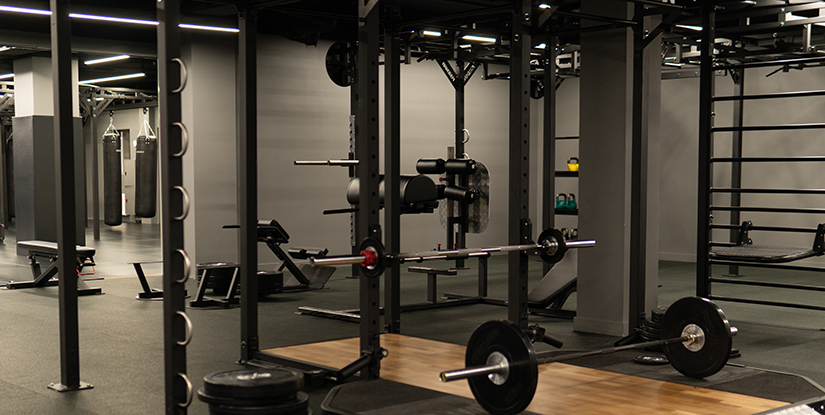
Beyond the Surface: Debunking the Myth of Uniformity in Wholesale Manufacturing
A common misconception among facility operators is that all wholesale fitness equipment is fundamentally identical, varying only in aesthetic finish or branding. This assumption leads to significant procurement errors where high-traffic commercial environments are inadvertently outfitted with equipment designed for low-impact residential use. From a technical standpoint, the divergence begins at the metallurgy and structural engineering level, not just the upholstery.
When purchasing at scale, the primary risk is the 'specification gap'—the distance between a supplier's marketing claims and the actual structural tolerances of the delivered product. For instance, a supplier may claim 'commercial grade' strength, but if the steel gauge is inconsistent or the weld penetration is shallow, the equipment will suffer premature fatigue under peak load. To avoid this, operators must move past visual inspections and demand technical data sheets that define material thickness, alloy types, and load-bearing capacities. Understanding these foundational technical requirements is the first step in verifying whether a supplier meets the rigorous demands of a professional facility.
With the technical foundation of material selection established, the focus must shift to how these materials are actually processed through advanced manufacturing stages.
Analyzing Material Specifications and Manufacturing Tolerances
The discrepancy between high-quality industrial equipment and substandard wholesale products often lies in the invisible variables of material science. To effectively vet a supplier, one must understand the specific parameters that dictate durability and long-term ROI.
Steel Gauge and Alloy Consistency
The skeleton of strength training equipment relies heavily on the gauge of the steel tubing. A common failure mode in lower-tier wholesale products is the use of thin-walled tubing that looks robust but buckles under eccentric loading. Professional operators should look for specific steel wall thicknesses (often measured in mm or gauge) to ensure structural stability. Furthermore, the carbon content and alloying elements in the steel affect both the weight and the resistance to oxidation, which is critical for longevity in humid gym environments.
Surface Finish and Coating Durability
The coating of a piece of equipment is not merely for aesthetics; it is a protective barrier against mechanical wear and environmental corrosion. A high-quality supplier will utilize advanced finishing processes such as electrostatic powder coating or electroplating. A common mistake is assuming a glossy finish implies quality; in reality, a high-performance coating should exhibit high adhesion and scratch resistance, even under heavy friction from barbell movement or repeated contact.
| Feature | Residential/Low-Tier Spec | Commercial/Professional Spec | Verification Method |
|---|---|---|---|
| Steel Wall Thickness | < 2.0mm | 2.5mm to 3.0mm+ | Caliper measurement |
| Welding Type | Spot or basic MIG | Full-penetration TIG/MIG | Visual/X-ray inspection of joints |
| Coating Type | Standard Paint | Electrostatic Powder Coating | Cross-hatch adhesion test |
| Upholstery Density | > 45 kg/m³ | Compression recovery test |
By demanding these specific technical benchmarks, a buyer can move from subjective opinions to objective verification. Once the material integrity is confirmed, the next logical step is to evaluate the mechanical precision of the moving parts.
Evaluating Mechanical Precision and Bearing Assemblies
While the steel frame provides the skeleton, the precision of moving parts—such as bearings, pulleys, and cables—dictates the user experience and mechanical longevity. A failure to verify these components often leads to high maintenance costs and frequent downtime.
Bearing Life and Smoothness
In strength and cardio equipment, the bearing assembly is a critical failure point. A substandard supplier might use unsealed, low-grade bearings that are prone to dust ingress and premature seizure. A professional-grade bearing should be sealed to prevent particulate contamination and should maintain smooth rotational velocity under varying load conditions. Operators should look for suppliers who provide documentation regarding bearing types (e.off, sealed ball bearings) and their expected service life.
Cable Tensile Strength and Pulley Systems
For cable-driven machines, the tensile strength of the wire is a non-negotiable safety parameter. A common error in procurement is failing to verify the sheath material and the internal wire construction. High-quality cables are typically made of aircraft-grade steel with a durable nylon or polyurethane coating to reduce friction and prevent fraying. Similarly, pulley wheels must be constructed from high-density polymers or aluminum to ensure they do not deform under continuous use.
Verifying these mechanical specifications requires a transition from purchasing parts to managing a long-term maintenance lifecycle. This necessitates a clear understanding of the logistical support provided by the supplier.
Explore the complete technical specifications:
How to Vet Wholesale Fitness Equipment Suppliers for Commercial Gyms
The Reality of Logistical Support and Aftersales Reliability
The relationship with a wholesale fitness equipment supplier does not end at the delivery dock. In fact, the true cost of ownership is often determined by the efficiency of the supplier's logistics and their technical support infrastructure.
Lead Time Transparency and Shipping Stability
One of the most significant pain points in wholesale procurement is the 'lead time creep,' where promised delivery dates are pushed back due to poor supply chain management. A reliable supplier maintains transparent communication regarding production cycles and shipping windows. It is essential to verify whether the supplier manages their own logistics or uses third-party freight forwarders, as this significantly impacts the ability to track and expedite shipments during delays.
Parts Availability and Warranty Protocols
A common failure mode for new facility owners is realizing too late that critical replacement parts—such as specific cables, bushings, or electronic components—are unavailable. A professional supplier must have a robust inventory of spare parts and a defined process for warranty claims. It is highly recommended to ask for a 'Parts Availability Ratio' or a clear list of consumable parts that will be required for standard maintenance over a three-year period.
- Verification Tip: Request a sample parts catalog to see if specific, high-wear components are easily accessible.
- Verification Tip: Inquire about the specific protocol for returning defective components and the time-to-replacement guarantee.
Understanding the logistical tail of the procurement process ensures that a machine's downtime remains minimal. This leads directly into the critical necessity of on-site maintenance and inspection protocols.
Explore the complete technical specifications:
Implementing a Standardized Maintenance and Inspection Cadence
Once the equipment is installed, the operational focus shifts from procurement to preservation. Even the highest quality equipment will degrade if a rigorous maintenance schedule is not enforced. A failure to maintain a consistent inspection cadence is a leading cause of mechanical failure and liability risks.
Daily vs. Monthly Inspection Protocols
Effective facility management requires two distinct levels of inspection: daily visual checks and monthly deep-dives. Daily inspections are focused on immediate safety risks, such as frayed cables or loose bolts, while monthly inspections are more technical and thorough. Professionals should implement a formalized checklist to ensure consistency across different shifts and staff members.
| Inspection Frequency | Focus Areas | Action Required |
|---|---|---|
| Daily (Visual) | Cable fraying, upholstery tears, loose weights, obvious spills. | Immediate removal of equipment from use. |
| Weekly (Tactile) | Bolt tightness, smooth movement of pulleys, seat height adjustment ease. | Minor tightening or lubrication application. |
| Monthly (Technical) | Bearing noise, cable tension, electrical connections, frame stability. | Detailed lubrication, part replacement, or professional service. |
| Quarterly (Structural) | Full frame integrity, weld points, extreme load testing, motor performance. | Comprehensive audit and certification check. |
A standardized approach to maintenance prevents small issues from cascading into catastrophic failures. However, even with perfect maintenance, knowing when to replace a component is a skill in itself.
Identifying Component Fatigue and Necessary Replacement Cycles
The ability to distinguish between a temporary malfunction and a fundamental component failure is vital for both safety and budget management. Over-maintaining can be as costly as under-maintaining, so understanding the signs of true fatigue is essential.
Common Failure Modes in High-Use Equipment
Identifying the early warning signs of failure can save a facility from significant liability. For instance, a gradual increase in noise from a cable machine usually indicates bearing wear or cable friction, whereas a sudden 'clunk' often signifies a structural failure in a mounting bracket or a sheared bolt. Understanding these nuances allows operators to react with precision rather than panic.
When to Replace vs. When to Repair
A critical decision-making point for operators is determining whether a component is worth repairing or if it has reached the end of its functional life. The following table outlines the decision criteria for common high-wear items.
| Component | Repairable If... | Replace If... |
|---|---|---|
| Weight Stack Cables | Minor surface wear observed. | Fraying, kinks, or visible core exposure. |
| Seat Upholstery | Surface dirt or minor discoloration. | Cracks, tears, or loss of foam density. |
| Pulley Wheels | Mild noise during rotation. | Cracked housing or irregular rotation. |
| Electronic Displays | Software glitches or lag. | Screen flickering or unresponsive touch interface. |
Mastering these replacement thresholds ensures that the facility maintains a high standard of quality and safety. As technology continues to evolve, the next phase of equipment management involves integrating these physical checks with digital monitoring.
The Evolution of Monitoring: Integrating Smart Technology
As we look toward the future of facility management, the distinction between traditional mechanical maintenance and proactive digital monitoring is becoming increasingly clear. The current landscape of wholesale fitness equipment is rapidly shifting toward 'smart' integration.
IoT and Predictive Maintenance
Modern professional-grade equipment is increasingly equipped with IoT (Internet of Things) sensors that can track usage cycles, load patterns, and mechanical stress. This allows for a transition from a time-based maintenance schedule to a usage-based predictive model. Instead of inspecting a machine every 30 days, the system can alert the operator when a specific number of cycles has been reached or when a component's thermal profile suggests impending failure.
Data-Driven ROI and Facility Optimization
For large-scale operators, the ability to collect data from the equipment is a massive advantage for ROI calculations. Understanding which machines have the highest 'dwell time' versus which are underutilized allows for smarter future procurement decisions. A supplier who offers both high-quality hardware and integrated software solutions provides much more than just equipment; they provide a data-driven ecosystem for facility optimization.
In conclusion, successfully navigating the complexities of wholesale fitness equipment requires a deep dive into material science, mechanical precision, and long-term logistical support. By moving beyond surface-level aesthetics and focusing on technical specifications and maintenance protocols, operators can ensure a durable, safe, and profitable facility.