

What to Ask Suppliers for Gym Equipment Before Ordering
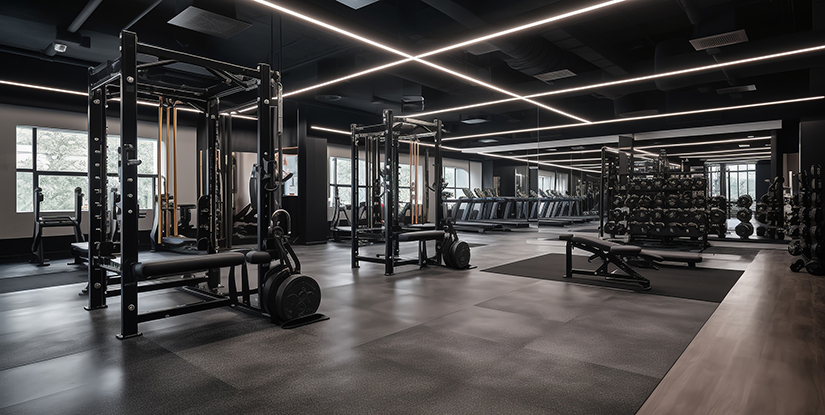
Procuring fitness equipment for a commercial facility or a high-end boutique studio is not merely a transaction; it is a capital investment in your operational longevity. A common failure mode for facility managers is the 'low-bid trap,' where an initial cost saving is rapidly erased by premature mechanical failure, high maintenance downtime, or excessive replacement cycles. To mitigate these risks, a buyer must move beyond surface-level aesthetics and interrogate the technical specifications and supply chain reliability of their partners. This guide provides the granular technical questions necessary to transform a standard purchase into a strategic asset acquisition.
Interrogating Material Composition and Structural Integrity
The most immediate risk in gym procurement is the discrepancy between advertised quality and actual material density. Low-grade steel or inferior alloys often lead to structural fatigue and catastrophic failure under heavy load. Before placing an order, you must establish a baseline for material standards to ensure the equipment can withstand the high-frequency, high-impact usage characteristic of commercial environments.
Verifying Steel Gauges and Alloy Quality
Do not settle for vague terms like 'heavy-duty.' Instead, demand specific technical documentation regarding the thickness and composition of the frames. A common mistake is assuming a certain weight implies durability, but weight can also be a result of inefficient design rather than high-quality steel. Ask for the actual steel gauge (e.g., 11-gauge or 7-gauge) and the type of steel used in the load-bearing components. High-carbon steel is generally preferred for weight racks and heavy strength machines due to its superior fatigue resistance.
| Component Type | Critical Specification to Ask For | Why It Matters for Longevity |
|---|---|---|
| Strength Racks / Racks | Steel Gauge (e.g., 11-gauge) | Prevents structural bowing under heavy weight loads. |
| Cardio Machine Frames | extPowder Coating Micron Thickness | Prevents corrosion and chipping in high-humidity environments. |
| Weight Plates | Rubber Density & Core Material | Reduces impact noise and prevents cracking over time. |
By securing these specific dimensions and material grades, you transition from a consumer to an informed operator. Once the structural skeleton of your facility is secured, the next level of scrutiny must shift to the movement mechanisms.
Analyzing Bearing Systems and Motion Smoothness
Even the most robust steel frame is useless if the mechanical movement is inconsistent or jerky. Smooth movement is not just a matter of user experience; it is a fundamental safety requirement. Irregular motion in cable machines or resistance bikes can lead to joint strain and repetitive stress injuries for your clients. Identifying the quality of the internal drive systems is essential to avoiding high maintenance costs.
The Difference Between Bushings and Ball Bearings
A critical distinction to make during your inquiry is whether the equipment utilizes simple bushings or high-grade ball bearings. Bushings are cost-effective but prone to friction-induced heat and wear, which eventually leads to 'stuttering' in the movement. Ball bearings, particularly those with sealed housings, offer much higher precision and a longer service life. Ask the supplier if the pulleys and pivot points use sealed bearings and if those bearings are replaceable without requiring a full component overhaul.
- Failure Mode: A cable machine with unsealed pulleys that attract dust and moisture, leading to eventual cable fraying and seized movement.
- Verification Method: Ask for the specific type of bearing used in the pivot points and whether they are 'sealed' or 'open.'
- Implementation Detail: Request a technical spec sheet that details the friction coefficient or resistance levels of the movement.
Securing high-quality bearings ensures a smooth user experience, but the longevity of these moving parts also depends heavily on the durability of the surfaces they interact with.
Explore the complete technical specifications:
Evaluating Surface Finishes and Upholstery Durability
In a commercial setting, the aesthetic decline of equipment is often the first sign of a poor investment. Sweat, skin oils, and constant friction can degrade upholstery and coatings much faster than expected. If the surfaces fail, the equipment becomes a liability both visually and hygienically. You must determine how these materials will age under heavy-duty use.
Upholstery: Beyond the Visual Aesthetic
Standard vinyl often cracks or peels within months of heavy use in a commercial gym. When asking about upholstery, move beyond the color and texture. Ask for the 'tear strength' of the material and the density of the foam underneath. High-density, medical-grade vinyl is standard for professional environments because it is resistant to both moisture and common disinfectant-based cleaning agents. If a supplier cannot provide details on the material's resistance to chemicals, it is a red flag.
Technical Checklist for Surface Inspection:
- Coating: Is the frame finished with electrostatic powder coating? (Provides better adhesion than standard paint).
- Foam Density: Is the upholstery high-density foam or standard soft foam? (High-density maintains shape under load).
- Stitching: Are the seams reinforced with double-stitching or heat-sealed edges? (Prevents moisture ingress into the foam).
Ensuring your surfaces can withstand heavy use is a vital step, but the true cost of ownership is often hidden in the components that are often overlooked during the initial sale: the electronics and sensors.
Explore the complete technical specifications:
The Complexity of Cardio Technology and Software Integration
Modern fitness-tech-driven cardio machines represent a significant portion of a modern gym's capital expenditure. However, they also present the highest risk of technological obsolescence. A machine that is physically durable but software-limited becomes a paperweight the moment a new connectivity standard emerges. You must understand the long-term viability of the tech stack you are purchasing.
Inquiry Parameters for Digital Interfaces and Connectivity
When vetting cardio suppliers, your questions should focus on hardware-software synergy. A common pitfall is purchasing machines that lack the ability to update or integrate with third-party ecosystem-building apps. This results in 'feature rot' where the console becomes obsolete within two years.
Key Questions for Technology-Heavy Equipment:
1. OTA Capability: Can the firmware be updated 'Over-The-Air' (OTA), or does it require a technician for every software patch?
2. API Access: Does the console have an open API or compatibility with common fitness tracking ecosystems?
3. Hardware Life Cycle: How many years is the estimated support lifecycle for the current console hardware version?
4. Power Resilience: How does the machine handle sudden power outages or voltage spikes in the electronics?
Understanding these digital nuances prevents the frustration of managing a fleet of 'dumb' machines in an increasingly smart fitness market. Once the technology is vetted, you must address the logistical reality of keeping these machines running.
Logistical Integrity: Shipping, Installation, and Lead Times
The 'total cost of ownership' includes the cost of the equipment arriving in your facility in one piece and being installed correctly. A common failure point in procurement is a supplier who offers a great price but has an unreliable logistics network. This results in damaged components, missing bolts, or extensive downtime during the setup phase.
Verifying Delivery and Assembly Protocols
Do not assume the delivery includes setup. Many suppliers ship 'knock-down' kits that require professional assembly. If your staff attempts to assemble complex weight machines without the proper tools or torque wrenches, they may compromise the structural integrity of the machine. Ask for a detailed 'Scope of Work' for the delivery process.
| Logistical Element | What to Ask the Supplier | The Potential Problem if Ignored |
|---|---|---|
| Assembly Requirements | Is professional assembly included or an add-on? | Improperly torqued bolts leading to structural instability. |
| Shipping Packaging | What is the standard protection for high-end components? | Scratch-prone surfaces or damaged electronics upon arrival. |
| Lead Time Accuracy | What is the 'guaranteed' vs. 'estimated' delivery window? | Delayed facility openings and lost revenue. |
Rigorous logistical planning ensures that your investment actually makes it onto the floor and into operation without unnecessary delays. However, the work does not end when the equipment is installed; it begins there with a formal maintenance plan.
Establishing Maintenance Cycles and Parts Availability
The most expensive piece of equipment is the one that is out of order. A supplier's ability to provide parts and technical support is as important as the quality of the machine itself. If a specialized part breaks and it takes six weeks to ship, your facility's reputation suffers. You must move from a purchase-only mindset to a lifecycle-management mindset.
Securing Post-Purchase Support and Spare Parts
When negotiating, ask for a 'Spare Parts Inventory Guarantee.' This is a request to know which high-wear parts (cables, belts, bushings, upholstery) are readily available in the supplier's local or regional warehouse. A failure to confirm this can lead to extended downtime for your most popular equipment.
- Failure Mode: A custom-built piece of equipment that uses a proprietary motor which is no longer manufactured, rendering the entire unit useless.
- The Fix: Always ask for a list of 'Common Replacement Parts' and their current market availability.
- Verification: Ask the supplier to provide a sample maintenance schedule that is recommended for their high-use commercial models.
Having a maintenance-first approach builds a foundation for long-term ROI. As you prepare to close your procurement cycle, there is one final, critical piece of the puzzle: the legal and financial safeguards.
Warranty Nuances and Liability Protection
Standard warranties often contain 'fine print' that excludes commercial use, which is a devastating trap for gym owners. If you buy a machine marketed for home use and use it in a commercial gym, the warranty is almost certainly void. You must clarify exactly what is covered and for how long.
Defining 'Commercial-Grade' Warranty Terms
When reviewing a contract, look specifically for the distinction between 'Structural Warranty' and 'Component/Parts Warranty.' A supplier might offer a lifetime frame warranty but only a 90-day warranty on the electronics or upholstery. This is a deceptive way to lower the initial price while offering very little actual long-term value.
Critical Warranty Questions:
1. Commercial Usage Clause: Does this warranty explicitly state coverage for high-traffic commercial/club environments?
2. Labor vs. Parts: Does the warranty cover the cost of a technician's labor to replace a part, or only the part itself?
3. Exclusion List: Can I see a full list of things that void the warranty (e.g., certain cleaning chemicals, non-authorized repairs)?
4. Diminishing Returns: At what point in the lifecycle does the warranty on moving parts expire?
By mastering these technical inquiries, you move from a position of uncertainty to one of absolute control over your facility's future assets.