

What Makes Fitness Commercial Equipment Worth the Investment
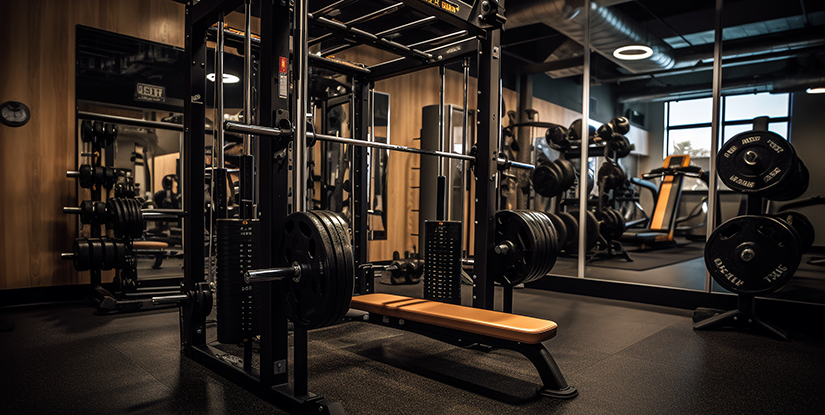
The Hidden Cost of Low-Grade Steel and Component Fatigue
Facility operators often encounter a frustrating cycle where new equipment requires replacement or significant repair within the first 18 months of heavy usage. This premature failure is rarely an accident; it is typically a direct consequence of selecting equipment with insufficient material gauges or substandard welding techniques. When a facility invests in lower-tier products to save on initial capital expenditure, they often ignore the reality of mechanical fatigue and metal stress that occurs under continuous commercial-grade loads.
To determine if a piece of equipment is truly a long-term asset, one must look beyond the aesthetic finish and examine the underlying structural integrity. For instance, a weight bench that appears robust but utilizes thin-walled tubing will experience frame deformation under eccentric loading. This structural compromise leads to instability, which not also degrades the user experience but also introduces significant liability risks for the operator. Understanding these foundational material properties is the first step in moving from a reactive procurement model to a strategic investment strategy.
Critical Material Specifications for High-Traffic Gyms
When evaluating heavy-duty frames, look for the following specifications to ensure long-term utility:
- Steel Gauge Thickness: High-density commercial frames should utilize at least 11-gauge steel for primary structural members.
- Welding Quality: Look for continuous, deep-penetration welds rather than stitch welding, which is prone to cracking under vibration.
- Powder Coating Micron Depth: A thicker coating provides better resistance to sweat-induced corrosion and surface abrasions.
Establishing these baseline material standards allows an operator to predict the lifespan of a machine before it even arrives on-site. Once the physical frame is secured, the focus must shift toward the moving parts that facilitate movement.
Engineering Precision: Why Mechanical Tolerances Dictate Longevity
A common failure in budget-oriented equipment is the development of "stuttering" or erratic resistance during a movement cycle. This mechanical inconsistency is caused by loose tolerances in the bearing assemblies or poorly machined guide rods. While a machine might function well during a single test session, the cumulative effect of thousands of repetitions will expose these imperfections, leading to costly downtime and user dissatisfaction.
True commercial-grade equipment is defined by its ability to maintain a consistent resistance curve throughout the entire range of motion. This requires high-precision bearing housings and sophisticated pulley systems. If the tolerances are too wide, the machine will feel "sloppy"; if they are too tight, friction will generate excessive heat, leading to premature lubricant breakdown. Precision engineering is the differentiator between equipment that lasts five years and equipment that lasts fifteen.
| Component Type | Low-Tier Indicator | Commercial-Grade Standard |
|---|---|---|
| Guide Rods | Surface scratches/pitting | High-polish, chrome-plated or stainless steel |
| Bearing Assemblies | Plastic bushings | Sealed precision ball bearings |
| Pulley Wheels | Standard nylon | High-density reinforced nylon or aluminum |
| Resistance Transition | Erratic/jerky motion | Fluid, continuous resistance curve |
By identifying these mechanical discrepancies, procurement officers can avoid the trap of purchasing equipment that suffers from high maintenance frequency. Ensuring smooth mechanical motion is critical, but it is only one half of the equation; the electronic and user-interface components must also be robust.
Electronic Stability and Interface Durability in Modern Facilities
As fitness centers integrate more smart technology, the electronic components within cardio machines have become a major point of failure. The primary problem is not just a broken screen, but the underlying failure of internal circuit boards due to moisture exposure or power surges. When a facility's premium treadmills or bikes are out of service because of a faulty software interface, the perceived value of the membership drops significantly.
A high-quality investment includes electronics that are protected against the harsh environment of a fitness center. This includes ingress protection for circuit boards to resist humidity and high-quality power management systems to handle electrical fluctuations. A common mistake is focusing solely on the "look" of the touchscreen while ignoring the internal shielding and component grade.
Verification Checklist for Integrated Technology
Before approving a purchase involving electronic consoles, verify the following:
- Environmental Protection: Are the internal boards rated against moisture and dust accumulation?
- Modular Design: Can the console or internal motherboard be replaced easily without replacing the entire machine?
- Software Stability: Is the operating system capable of regular, secure updates to maintain compatibility?
- Power Management: Does the unit include surge protection to mitigate local electrical instability?
Reliable electronics ensure that the technology serves as a feature rather than a liability. However, even the most advanced console cannot mask a failure in the machine's physical maintenance routine.
Explore the complete technical specifications:
Operational Efficiency Through Standardized Maintenance Protocols
The difference between an aging, broken gym and a thriving, premium facility often comes down to the rigor of the maintenance protocol. Most operators realize too late that equipment failure is rarely a spontaneous event; it is a progressive breakdown caused by neglected lubrication, tightening, and cleaning. Without a structured maintenance workflow, even the best equipment will eventually suffer from component drift and mechanical failure.
The goal of a professional maintenance program is to move from corrective maintenance (fixing things when they break) to preventative maintenance (addressing issues before they cause failure). This requires a deep understanding of the machine's specific lubrication points, bolt torque requirements, and cable tension limits. Neglecting these small tasks leads to the "death by a thousand cuts" scenario where minor issues escalate into major structural repairs.
Daily vs. Monthly Maintenance Schedule
| Frequency | Target Areas | Action Required |
|---|---|---|
| Daily | Surface/Cosmetic | Wipe down sweat, clean upholstery, check for obvious debris. |
| Weekly | Moving Parts | Inspect cables for fraying, check bolt tightness on high-use areas. |
| Monthly | Mechanical Core | Lubricate guide rods/pulleys, check belt tension, test electronic connectivity. |
| Quarterly | Deep Inspection | Full frame integrity check, motor brush inspection, recalibrate resistance. |
Following a structured schedule reduces the total cost of ownership by extending the useful life of the equipment. Once the maintenance logic is understood, the next step is addressing the most frequent points of failure through expert troubleshooting.
Explore the complete technical specifications:
How to Ensure Weld Integrity in Steel Gym Frames | Expert Guide
Identifying and Resolving Frequent Failure Modes
Operational downtime is the greatest enemy of ROI. When a piece of equipment goes out of service, it is not just the cost of the repair that matters, but the lost utility of the floor space and the potential frustration of the clients. Most common failures can be categorized into three distinct groups: mechanical friction, electrical instability, and structural loosening.
Understanding the root cause of a problem—such as whether a noise is coming from a dry bearing or a loose bolt—allows technicians to solve the issue once and for all, rather than applying a temporary fix. A common mistake among junior operators is to apply excessive grease to a machine that is actually suffering from a bearing failure; this only traps more debris and worsens the problem. Diagnosing the actual mechanism of failure is essential for professional-grade facility management.
Technical Troubleshooting Guide
Use this guide to identify the cause of common performance issues:
- Symptom: High-pitched squeak during movement.
Likely Cause: Lack of lubrication on cables or pulleys.
Verification: Apply a small amount of silicone spray; if the noise persists, the bearing is likely seized. - Symptom: Uneven or jerky resistance.
Likely Cause: Worn out resistance bands or irregular pulley friction.
Verification: Inspect the internal resistance mechanism for debris or worn-out components. - Symptom: Vibration in the frame.
Likely Cause: Loose fasteners or uneven floor surface.
Verification: Check the torque of all bolts and ensure the base is perfectly level.
By mastering these diagnostic steps, your staff can maintain high equipment availability. This leads to the final stage of the investment cycle: measuring and proving the actual return on these high-quality assets.
The Economics of Durability: Calculating Long-Term Value
Procurement teams often struggle to justify higher upfront costs when competing against low-cost, high-volume alternatives. However, the true economic value of fitness commercial equipment is found in the stability of its lifecycle. A decision-making parameter often overlooked is the "Replacement Interval Ratio," which compares the expected lifespan of high-grade equipment against the maintenance-heavy lifespan of budget options.
To evaluate whether your purchase strategy is working, you should implement a rigorous tracking system for operational expenses. A successful investment will show a high correlation between premium specifications and lower indirect costs, such as labor hours spent on repairs and member refund requests due to equipment unavailability. Failing to account for these secondary costs results in a flawed ROI calculation that favors the wrong equipment.
ROI Verification Metrics
Track these key performance indicators (KPIs) to confirm the value of your commercial-grade assets:
- MTBF (Mean Time Between Failures): The average operating time between any mechanical or electrical service events.
- Maintenance Labor Ratio: The total hours spent on preventative vs. corrective maintenance.
- Equipment Uptime Percentage: The total percentage of time the equipment is available for use versus out of service.
By shifting focus from initial procurement costs to these long-term reliability metrics, facility owners can make data-driven decisions that ensure long-term profitability and member satisfaction.
Quantifying the Long-Term Return on Investment (ROI)
Calculating the true value of fitness commercial equipment requires a shift in perspective from initial purchase price to Total Cost of Ownership (TCO). A machine that costs 30% less upfront but requires twice as much maintenance and lasts only half as long is, in reality, much more expensive. To make a professional decision, you must look at the long-term financial impact of durability and reliability.
High-quality equipment provides a predictable expenditure model. When you purchase commercial-grade assets, your primary costs shift from unpredictable, emergency repairs to predictable, scheduled maintenance. This stability allows for better cash flow management and ensures that your facility remains a high-performing environment for your members without sudden, unexpected capital calls.
To verify the ROI of your equipment, track the following metrics over a 36-month period: the frequency of out-of-order events, the total cost of replacement parts, and the labor hours spent on emergency repairs. A high-quality investment will show a declining curve in these areas, whereas low-quality equipment will show an escalating cost-to-service ratio. As you finalize your procurement strategy, remember that the most expensive piece of equipment is often the one that fails when you need it most.