

Maximizing Procurement Value: The Professional Squat Rack Wholesale Guide
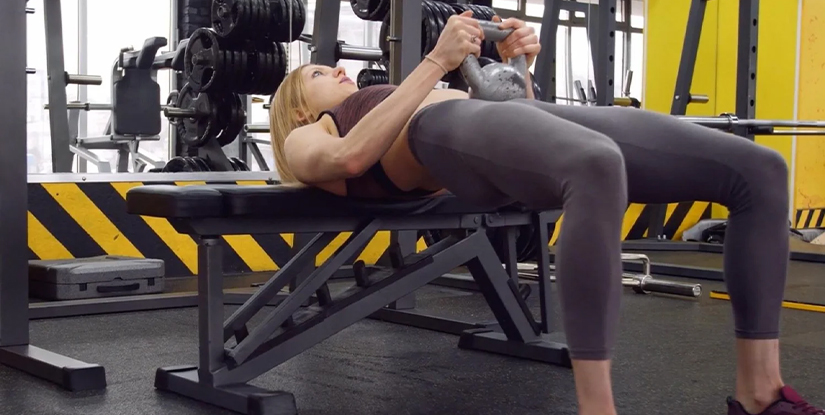
The Hidden Costs of Low-Quality Squat Rack Wholesale Selections
When facility managers or gym owners seek out Squat Rack Wholesale opportunities, the primary focus is often the immediate reduction in capital expenditure. However, a low entry price frequently masks long-term operational liabilities. The most significant problem encountered in high-volume procurement is structural fatigue resulting from substandard steel gauge or poor weld integrity. When a rack fails under load, the cost is not merely the replacement of the unit, but the potential for catastrophic injury and massive legal liability.
The cause of these failures is typically a mismatch between the equipment's intended use and its engineering specifications. For instance, a rack designed for residential light use that is sold into a commercial environment via wholesale channels will inevitably show signs of stress. Operators must look beyond the price tag to evaluate the fundamental metallurgy and construction methods. Understanding these baseline requirements is the first step in moving from a reactive maintenance cycle to a proactive procurement strategy.
| Failure Mode | Common Cause | Operational Impact |
|---|---|---|
| Frame Deflection | Insufficient steel gauge (under 11-gauge) | Irregular barbell path and user instability |
| Weld Cracking | Low-heat manual welding without penetration | Total structural failure under heavy loads |
| J-Cup Slippage | Poor tolerance in pin sizing | Equipment damage and unexpected barbell drops |
By identifying these indicators early, buyers can avoid the trap of 'cheap' equipment that necessitates frequent replacement. Establishing these baseline standards allows for a more nuanced evaluation of structural integrity, which leads directly into the technical specifics of material selection.
Material Specifications and Steel Gauge Criticality
Building upon the need for structural stability, it is essential to understand the specific material properties that differentiate a durable rack from a fragile one. The density and thickness of the steel tubing are the most critical variables in the manufacturing process. In the realm of Squat Rack Wholesale, the variety in steel quality can be vast, making independent verification essential.
Steel Gauge and Wall Thickness Standards
A common mistake among procurement officers is assuming that all heavy-duty steel is created equal. The industry standard for commercial-grade racks typically utilizes 11-gauge (approximately 3mm) or 7-gauge (approximately 4.5mm) steel. Using thinner materials, such as 14-gauge steel, may appear cost-effective, but it significantly increases the risk of metal fatigue over time. When the steel is too thin, the constant vibration and impact from heavy weight loads can lead to micro-fractures in the frame.
Decision-makers should demand specific documentation regarding the steel origin and thickness. A professional-grade rack should maintain its shape even under extreme lateral pressure. If a supplier cannot provide the specific gauge of the steel used in the uprights, it is a significant red flag. Verifying the wall thickness via a digital caliper during sample inspections is a reliable way to ensure you are receiving the quality promised.
Surface Finish and Corrosion Resistance
Beyond the structural steel, the way the surface is treated determines the longevity of the equipment in high-humidity environments. Many wholesale options utilize basic powder coating, which can chip easily upon impact. High-quality commercial equipment often employs advanced electrostatic powder coating techniques that provide a more resilient finish. This prevents rust and corrosion, which are the primary drivers of aesthetic and structural degradation in weight rooms.
Ensuring the finish is applied uniformly prevents the underlying steel from being exposed to moisture. Once a coating fails, oxidation begins, leading to a weakened frame. Once the material integrity is established, the next phase of procurement must focus on the mechanical components that interface with the athlete.
Precision Engineering of J-Cups and Accessory Interface
The durability of the frame is only as effective as the precision of its moving parts. A common pain point for gym operators is the 'play' or wobble found in J-cups and spotter arms. This instability is often caused by loose tolerances in the manufacturing of the adjustment holes and the pins themselves. If the interface between the bar and the rack is not precise, the user's lifting mechanics are compromised.
- Tolerance Check: Ensure J-cups fit snugly without excessive lateral movement.
- Pin Hardness: Verify that adjustment pins are made of hardened steel rather than soft iron to prevent bending.
- Impact Resistance: Test the J-cups for their ability to absorb the shock of a heavy barbell being re-racked.
A high-quality rack will have consistent hole spacing, often following a standard 2-inch or 1-inch pattern. If the spacing is inconsistent, it indicates a lack of precision in the drilling or punching process, which can lead to uneven weight distribution during a lift. With the mechanical components verified, the focus shifts to the assembly and long-term structural maintenance.
Explore the complete technical specifications:
Assembly Protocols and Hardware Integrity
Even the highest quality Squat Rack Wholesale units can become unsafe if the assembly process is flawed or if the provided hardware is substandard. Many failures attributed to the rack itself are actually the result of poor fastening. This is often due to the use of low-grade bolts that cannot withstand the shear forces generated during heavy lifting.
Operators should prioritize racks that use high-tensile grade bolts. During the initial setup, a systematic approach to assembly is vital. Instead of tightening bolts as you go, it is best practice to hand-tighten all fasteners first, then go through a secondary pass with a calibrated torque wrench. This ensures even tension across the entire frame and prevents the warping that can occur if one side of the structure is tightened too aggressively.
| Component | Verification Step | Required Standard |
|---|---|---|
| Hex Bolts | Visual Inspection | No visible thread deformities or rust |
| Washers | Presence Check | Must be present under all load-bearing heads |
| Structural Braces | Alignment Check | Must sit flush against the uprights |
| Base Plates | Leveling Check | Must be perfectly flat for stability |
Following a strict assembly protocol minimizes the risk of loose connections that lead to vibration and noise. Once the rack is properly assembled, a rigorous maintenance and inspection schedule must be implemented to ensure ongoing safety.
Explore the complete technical specifications:
Operational Inspection and Maintenance Cycles
A professional facility cannot rely on a one-time setup; safety is a continuous process. The transition from a new installation to a long-term operational asset requires a disciplined inspection cadence. Failure to monitor the hardware leads to the gradual loosening of the structure, which can eventually result in a catastrophic failure.
We recommend three levels of inspection for any high-traffic commercial environment:
Weekly Visual and Tactile Audits
During weekly floor walkthroughs, staff should look for obvious signs of wear, such as chipped paint, loose bolts, or bent uprights. A simple tactile check involves shaking the rack or checking for any unexpected movement in the J-cups. This level of inspection is designed to catch minor issues before they escalate into safety hazards.
Monthly Torque Verification
On a monthly basis, the maintenance team should perform a detailed torque check on all major structural bolts. Using a torque wrench, verify that every fastener meets the manufacturer's specified tension. This is critical because the constant vibration from heavy lifting and dropping weight can slowly back out even the most secure bolts. This step is the best way to prevent the structural 'play' that often plagues older, poorly maintained racks.
Quarterly Deep-Dive Inspections
Every quarter, a more comprehensive audit should be performed, involving the removal of accessory components like dip stations or pull-up bars to inspect the underlying mounting points. This allows for a thorough check of the welding points and the integrity of the holes. If any micro-fractures are detected in the welds, the equipment should be immediately decommissioned or repaired by a professional.
Explore the complete technical specifications:
Common Implementation Mistakes in Large-Scale Procurement
When scaling up a facility through Squat Rack Wholesale channels, the pressure to meet a budget can lead to significant oversights. Many buyers focus exclusively on the price per unit and neglect the logistics of installation and long-term maintenance. This oversight often results in hidden costs that far exceed the initial savings.
One frequent mistake is failing to account for floor load capacities. A massive, heavy-duty squat rack requires a stable, level surface. Installing high-end equipment on an uneven or weak floor can cause the rack to tilt, putting uneven stress on the frame and the bolts. Another mistake is purchasing multiple different brands of racks for a single facility. This complicates the maintenance process, as the facility must now stock different types of replacement parts and follow multiple sets of assembly and torque specifications.
To avoid these pitfalls, buyers should standardize their equipment selection. Choosing a single, high-quality model for all rack needs simplifies the training for staff, reduces the parts inventory, and ensures a consistent user experience for the athletes. Standardization is the hallmark of a professional facility operation.
Explore the complete technical specifications:
The Future of Strength Equipment Manufacturing
As we look forward, the manufacturing of strength equipment is moving toward even higher levels of precision and modularity. We are seeing a trend toward integrated technology, where racks can incorporate sensor-based feedback and digital tracking. While these are advanced features, the foundation remains the same: the quality of the steel and the integrity of the welds.
For those engaging in Squat Rack Wholesale procurement, the focus should remain on the core principles of structural engineering. While advanced features are a bonus, a rack that lacks basic structural integrity is a liability, regardless of how many digital screens it possesses. Staying informed about material advancements and manufacturing standards will ensure that your facility remains at the cutting edge of both technology and safety.
Explore the complete technical specifications:
Summary of Procurement and Safety Standards
Navigating the complexities of high-volume equipment acquisition requires a deep understanding of both material science and operational management. From the initial selection of steel gauge to the monthly torque verification, every step is a critical link in the safety chain. By prioritizing durability and precision over the lowest possible price, facility owners protect both their investment and the people who use it.
Always remember that the most expensive piece of equipment is the one that fails when it is needed most. Maintaining a rigorous inspection schedule and a standardized procurement process is the only way to ensure long-term success in a commercial strength environment.