

Protecting Your Gym Floor with a Heavy Duty Exercise Mat: A Strategic Investment Guide
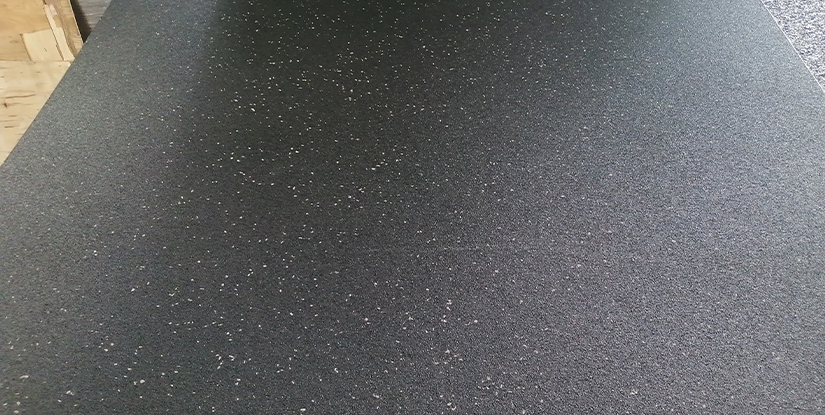
Facility operators often overlook the silent degradation of subflooring, only to face astronomical replacement costs when high-impact equipment meets an unprotected surface. A cracked concrete slab or a dented hardwood floor is not just an aesthetic issue; it is a direct threat to the longevity of your facility's most expensive assets. Understanding the mechanics of impact force and load distribution is the first step in protecting your gym floor with a heavy duty exercise mat. This guide provides the technical framework necessary to select, install, and maintain high-performance surfacing to maximize your long-term ROI.
The Mechanics of Impact and Subfloor Vulnerability
The primary failure mode in high-traffic fitness environments is not surface wear, but structural fatigue caused by dynamic loading. When a heavy barbell or a dropped weight hits a hard surface, the energy is not merely absorbed by the object; it is transmitted through the floor. Without a high-density buffer, this kinetic energy creates micro-fractures in concrete or deep indentations in wood.
To mitigate this, one must understand the difference between static weight and dynamic impact. A 100kg barbell sitting on a floor exerts a constant force, but a 100kg barbell dropped from a height of 20cm generates a massive momentary impulse. This impulse is what destroys subfloors. Effective protection requires a material with high compressive strength and sufficient density to dissipate this energy across a wider surface area.
By understanding these force vectors, operators can move from reactive repairs to proactive prevention. This foundational knowledge leads directly to the technical requirements needed when sourcing specialized materials.
Material Density and Compression Standards
Selecting a mat based on thickness alone is a common mistake that leads to premature failure. A thick, soft mat might provide comfort, but it lacks the structural integrity to prevent heavy equipment from 'bottoming out' and striking the hard floor underneath. For professional environments, the focus must shift from thickness to density and durometer ratings.
Density determines how well a mat maintains its shape under repeated high-pressure loads. Low-density foam may provide good cushioning for yoga, but it will fail under the weight of a commercial power rack. When evaluating options, professionals should look for the following technical attributes:
| Attribute | Low-Grade Consumer Mat | Professional Heavy Duty Mat |
|---|---|---|
| Density Level | Low (Air-filled or soft foam) | High (Recycled SBR or high-density EVA) |
| Compression Recovery | Slow/Permanent deformation | Rapid/High resilience |
| Primary Use Case | Home yoga or stretching | Strength training and heavy lifting |
| Impact Resistance | Surface level onlyDeep impact dissipation |
A professional-grade mat should demonstrate high resilience, meaning it returns to its original shape immediately after a load is removed. If a mat shows permanent indentations after a single heavy session, it is insufficient for a commercial setting. Once the correct material density is identified, the next critical factor is ensuring the surface finish complements your operational needs.
Surface Texture and Friction Coefficients
While density handles the downward force, the surface texture manages the horizontal forces—specifically, the friction between the user and the mat, and the stability of the equipment. A mat that is too slick presents a significant slip hazard, while one that is too high-friction can make moving equipment difficult or even trap a user'p foot during a movement.
Facility managers must verify the coefficient of friction (CoF) to ensure safety standards are met. In a commercial environment, the texture must also remain consistent even when the surface is slightly damp from perspiration. A common mistake is choosing a high-gloss or perfectly smooth surface that becomes a liability during high-intensity intervals.
Optimizing Grip for Different Training Modalities
Different zones in a gym require different surface characteristics. A functional training area might benefit from a slightly more textured, high-grip surface, whereas a weightlifting area requires a surface that can handle the grind of metal plates without becoming a high-friction trap. Protecting your gym floor with a heavy duty exercise mat involves balancing these competing needs of safety and utility.
Evaluating these surface properties is essential, but even the best material will fail if it is not integrated correctly into the floor layout. This brings us to the complexities of installation and spatial planning.
Explore the complete technical specifications:
Commercial Gym Mats: Ultimate Guide to Heavy-Duty Flooring Solutions
Strategic Layout and Installation Protocols
Improper installation is a leading cause of mat displacement, which creates trip hazards and uneven load distribution. Many operators simply lay mats down without considering the subfloor preparation or the long-term layout of their equipment. A well-planned installation ensures that the protective layer behaves as a single, cohesive unit rather than a collection of loose pieces.
When planning your floor layout, consider the following implementation steps:
- Subfloor Leveling: Ensure the base floor is flat and free of debris. Any unevenness in the subfloor will be magnified by the mat, leading to 'waves' or lifting.
- Expansion Gaps: Always leave a small gap (approximately 5-10mm) between the mat edges and the walls. This allows for the natural expansion and contraction of the material due to temperature changes.
- Interlocking vs. Single Large Sheets: Interlocking tiles are easier to replace individually but can create weak points at the seams. Large-format rolls or heavy-duty sheets offer better continuity for heavy lifting zones.
A common error is failing to account for the transition between different zones. If a heavy lifting area is adjacent to a cardio zone, the transition in thickness must be gradual to prevent tripping. Proper installation sets the stage for long-term durability, provided a rigorous maintenance schedule is followed.
Explore the complete technical specifications:
Operational Maintenance and Inspection Checklists
Even the highest quality rubber or high-density foam requires regular upkeep to prevent the buildup of contaminants that can degrade the material. For instance, certain cleaning chemicals can cause rubber to become brittle or cause foam to lose its elasticity. Maintenance is not just about cleanliness; it is about material preservation.
To ensure your investment remains effective, implement a recurring inspection and cleaning protocol. This moves the operation from a reactive 'fix it when it breaks' model to a managed asset model.
The Professional Maintenance Checklist
| Frequency | Task | Verification Method |
|---|---|---|
| Daily | Surface Debris Removal | Visual check for dust, sweat, or chalk |
| Weekly | Deep Cleaning | Use pH-neutral cleaners; ensure no residue remains |
| Monthly | Structural Integrity Check | Inspect for seam separation or permanent indentations |
| Quarterly | Expansion Gap Audit | Verify gaps are clear and the mat is not buckling |
By following this checklist, you can extend the lifespan of your flooring significantly. However, even with perfect maintenance, certain signs of wear indicate that the material has reached the end of its functional life. Recognizing these failure modes is critical for safety.
Identifying Critical Failure Modes and Replacement Triggers
As a facility manager, you must know when a mat is no longer providing the intended protection. Ignoring these signs can lead to expensive subfloor repairs that far outweigh the cost of a new mat. Failure is rarely instantaneous; it is usually a gradual decline in performance.
Watch for these three primary warning signs:
- Compression Set: If an area under a weight rack remains indented even after 48 hours of non-use, the material has lost its ability to dissipate impact energy.
- Surface Delamination: If the top layer of a dual-density mat begins to peel or separate from the base, the structural integrity is compromised.
- Brittleness and Cracking: If the mat develops small cracks or becomes prone to tearing under minimal stress, it has likely undergone chemical or UV degradation.
When these signs appear, replacement is the only viable option. Relying on a degraded mat is a liability risk. Understanding these triggers allows you to budget for replacement long before a catastrophic failure occurs.
Optimizing Long-Term ROI Through Material Selection
From a strategic procurement perspective, the cheapest option is rarely the most cost-effective. A low-cost, thin mat might save capital today, but the frequent replacement cycles and the risk of subfloor damage will result in a much higher Total Cost of Ownership (TCO).
When calculating the ROI of your flooring, include the following variables in your model:
- Expected Lifespan: High-density rubber typically lasts 5-10 years in commercial settings, whereas consumer-grade foam may last less than one.
- Subfloor Protection Value: Calculate the cost of replacing your structural flooring versus the cost of premium mats.
- Maintenance Overhead: Consider the labor and chemical costs required to keep the surface in top condition.
Investing in quality materials at the outset provides a predictable expense model and a much safer environment for your clients. As the fitness industry evolves, the sophistication of flooring technology will only increase, making these technical standards even more vital.
The Future of Gym Surface Technology
As we look forward, the industry is moving toward more sustainable and even more specialized materials. We are seeing an increase in bio-based high-density foams and recycled SBR (Styrene-Butadiene Rubber) that offer the same impact resistance with a lower carbon footprint. Furthermore, the integration of 'smart' surfaces that can track impact and wear is on the horizon.
For now, the core principles of density, texture, and systematic maintenance remain the pillars of facility management. By mastering these, you ensure that protecting your gym floor with a heavy duty exercise mat remains a successful long-term strategy rather than a recurring expense.