

Understanding What Professional Gym Equipment Packages Typically Include
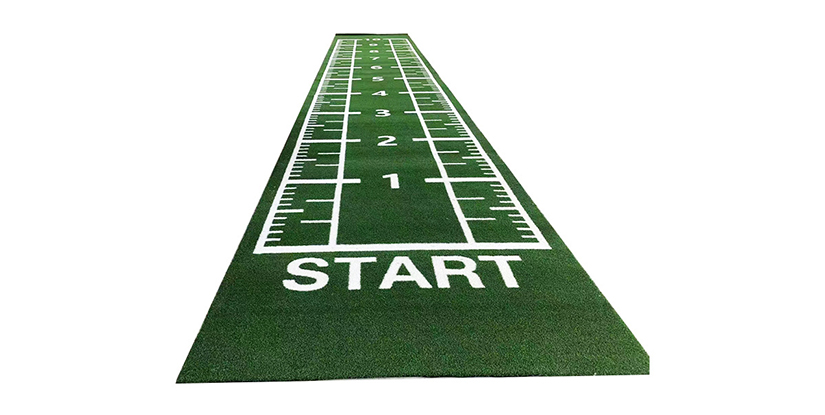
Facility managers and commercial gym owners often face a critical dilemma during the procurement phase: the discrepancy between a quoted price and the actual operational utility of the delivered assets. A common failure mode in equipment acquisition is the 'component gap,' where a buyer assumes a package is comprehensive, only to discover later that essential accessories, specialized flooring, or mounting hardware were excluded. This oversight leads to unexpected secondary costs and delays in facility launch. Navigating what professional gym equipment packages typically include requires a deep dive into the technical specifications and the logistical requirements of a high-traffic training environment.
Identifying the Core Component Architecture of Commercial Packages
Before analyzing the specific items, one must understand the architectural logic behind professional-grade bundles. Unlike residential sets, professional packages are designed for durability and high-frequency usage. The primary objective of a professional package is to provide a cohesive training ecosystem rather than a random assortment of machines. When evaluating these packages, operators must differentiate between 'base machines' and 'functional additions.'
A standard professional package is usually built around a central pillar of strength or cardio equipment, with secondary support items intended to enhance the utility of the primary machines. For example, a strength package might center on a power rack and a cable station, but its true value is determined by the inclusion of specialized attachments. Without these, the central machine's versatility is severely limited. Therefore, the first step in verification is to check the ratio of core machines to functional accessories.
Common Package Composition Framework:
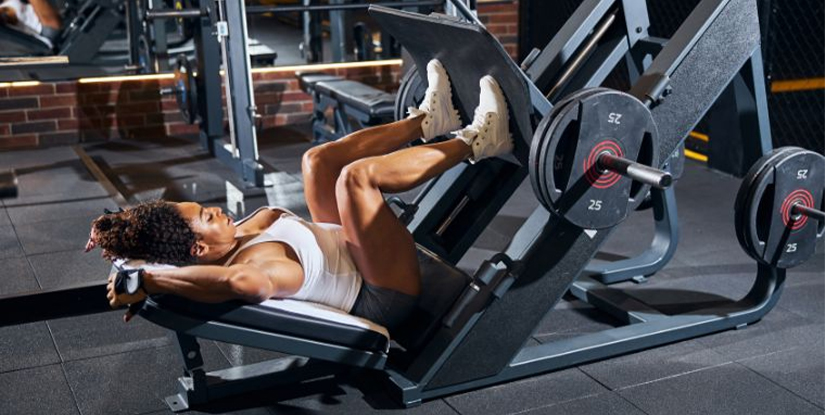
- Core Strength Modules: Power racks, multi-gym stations, and plate-loaded machines.
- Cardio Essentials: Treadmills, stationary bikes, and rowing machines (often sold as distinct modules within a package).
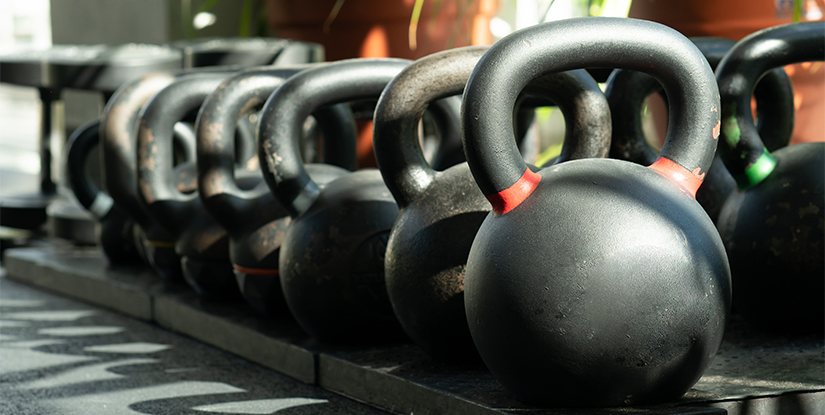
- Auxiliary Weight Sets: Dumbbell sets, kettlebells, and barbell/plate combinations.
- Integration Hardware: Specialized bolts, mounting plates, and tensioning cables.
Understanding this foundational structure allows operators to move from a simple item list to a technical assessment of what is truly required for a functional facility. This technical assessment leads directly into the specific categories of equipment that define the package's quality.
Evaluating Strength Training and Resistance Modules
Once the general architecture is understood, the focus must shift to the strength and resistance modules, which often represent the highest capital expenditure in a package. The failure to verify the load-bearing capacity and the gauge of the steel used in these modules can result in premature equipment fatigue. A common mistake is assuming that all 'strength equipment' is created equal; however, the tolerances in commercial-grade steel are vastly different from consumer versions.
When reviewing a strength package, you must demand technical specifications regarding the steel thickness and the type of upholstery. High-quality packages will include resistance machines with reinforced pivot points and high-density foam padding that resists sweat-induced degradation. If a package does not specify the gauge of the steel or the weight-stack capacity, it is a red flag for potential long-term maintenance issues.
Strength Module Specification Checklist:
| Feature Category | Standard Requirement | Verification Method |
|---|---|---|
| Frame Integrity | 11-gauge or higher steel thickness | Check spec sheet for steel gauge/weight |
| Upholstery Durability | High-density, sweat-resistant vinyl | Inspect seam strength and material thickness |
| Moving Parts | Sealed ball bearings in pivot points | Manual test of smooth, silent movement |
| Weight Stacks | Reinforced selector pins and guide rods | Verify pin thickness and rod straightness |
By applying these verification methods, an operator can ensure the resistance modules are capable of handling the intended load. With the strength component secured, the next critical area of inquiry involves the cardiovascular elements of the package.
Assessing Cardiovascular Integration and Performance Standards
As the strength components provide the foundation, the cardiovascular elements in a professional package are designed to drive volume and endurance. However, a frequent oversight in package procurement is the omission of the 'support ecosystem' for cardio—such as specialized consoles or integrated data connectivity. A package that includes high-end treadmills but lacks the necessary power management or connectivity options can leave a facility technologically obsolete upon installation.
Professional cardiovascular modules are categorized by their mechanical complexity. High-end packages often include machines with integrated touchscreens and IoT connectivity, while mid-range packages focus on mechanical reliability. The technical specification must clearly state the motor type (AC vs. DC) and the continuous horsepower (CHP) rating, as this dictates how much heavy-duty usage the machine can sustain before motor burnout occurs.
Cardio Performance Metrics to Verify:
- Motor Rating: Ensure the package specifies CHP (Continuous Horsepower) rather than just peak horsepower.
- Drive Systems: Verify if the treadmills use belt-driven or direct-drive systems for smoother operation.
- Connectivity: Confirm if Bluetooth, ANT+, or proprietary streaming modules are included in the base package cost.
- Resistance Types: For bikes, check if the resistance is electromagnetic or mechanical for longevity.
Ensuring these metrics are met prevents the common issue of high downtime due to motor or electrical failure. Moving beyond the heavy machines, we must address the smaller, yet vital, free weight and accessory components.
The Role of Free Weights and Functional Accessories
A common point of friction in the implementation of a new gym layout is the realization that the 'free weight' section of a package is incomplete. Operators often focus on the large machines but overlook the fact that professional-grade dumbbells, barbells, and kettlebells are essential for a complete training environment. A package that includes only a few basic weights will quickly become inadequate as membership numbers grow.
A high-quality professional package should include a graduated set of free weights that can withstand dropping and high-volume use. This includes not just the weights themselves, but the storage solutions. A common mistake is purchasing high-quality weights but low-quality racks, which leads to safety hazards and disorganized floor layouts. The weight of the weights and the capacity of the racks must be synchronized to prevent structural failure.
Essential Free Weight and Accessory Components:
| Component Type | Standard Inclusion | Operational Purpose |
|---|---|---|
| Dumbbell Set | Hex or round-head, rubber-coated | Standardizes strength training and minimizes floor damage |
| Barbell System | Standard Olympic bars and plates | Provides foundational heavy lifting capabilities |
| Storage Solutions | Dedicated racks for dumbbells and plates | Organizes the floor space and ensures safety |
| Functional Tools | extKettlebells, medicine balls, or resistance bands | Diversifies the training offerings for members |
When the free weight and accessory components are properly integrated, the facility becomes a versatile training space. However, these physical assets require a controlled environment, which brings us to the necessity of professional flooring and environmental considerations.
Infrastructure Requirements: Flooring and Environmental Controls
A frequently ignored aspect of what professional gym equipment packages typically include is the foundational support—specifically, the flooring. Many buyers assume that the equipment can be placed directly onto a standard concrete or wood floor. This is a significant error that leads to rapid deterioration of both the equipment and the building's subfloor due to vibration and impact stress.
Professional packages often provide an optional or tiered addition of specialized flooring. High-impact rubber flooring is not merely an aesthetic choice; it is a mechanical necessity for sound attenuation and shock absorption. Without it, the kinetic energy from dropped weights or heavy treadmill use will cause structural micro-cracks in the building's foundation. Operators should verify the thickness (measured in mm) and the density of the rubber to ensure it meets the specific needs of their equipment.
Flooring Selection Criteria:
- Impact Absorption: Higher density is required for weightlifting areas to prevent concrete cracking.
- Acoustics: Thicker mats help dampen the noise of cardiovascular and resistance machines.
- Durability: The surface must resist high-frequency friction and sweat-induced sliding.
- Thickness Tiers: 8mm–12mm for general areas; 20mm+ for heavy lifting zones.
With the structural foundation established, the focus must shift toward the long-term maintenance required to keep these assets operational and safe.
Operational Maintenance and Inspection Protocols
Even the most comprehensive equipment package becomes a liability if a maintenance protocol is not established immediately upon installation. A major pain point for gym owners is the 'silent failure'—where a component like a cable or a bolt undergoes gradual wear and eventually fails during use, leading to injury or significant repair costs. A professional package should be viewed as a long-term asset that requires a structured inspection cadence.
Maintenance is not just about cleaning; it is about mechanical integrity. This includes lubrication of moving parts, tensioning of cables, and the re-torquing of bolts that may have loosened due to constant vibration. Professional operators should implement a tiered maintenance schedule: daily visual checks, weekly mechanical inspections, and quarterly deep-dives. Relying solely on reactive maintenance (fixing things after they break) is a costly mistake that shortens the lifecycle of the equipment.
Standard Maintenance Checkpoints:
- Cables and Pulleys: Inspect for fraying, kinks, or metal shavings that indicate internal wear.
- Fasteners: Periodically check the torque of bolts on weight racks and structural frames.
- Lubrication: Apply silicone-based lubricants to guide rods and bearing surfaces to reduce friction.
- Upholstery: Check for cracks or tears that could harbor bacteria or lead to foam exposure.
Effective maintenance extends the ROI of the package and ensures the safety of the end-user. Once these operational routines are set, the final step is ensuring the installation itself is verified and documented.
Installation Verification and Final Commissioning
The final stage of a professional equipment rollout is the commissioning phase. A common mistake made by facility managers is treating the delivery of the equipment as the end of the process. The actual installation—the way machines are leveled, bolted down, and connected to power—is where many technical failures are introduced. A poorly leveled treadmill or a non-anchored power rack is a liability from day one.
Before the facility is opened to the public, a formal commissioning process must occur. This involves more than just unboxing; it requires a systematic verification of every component's performance. This includes testing the load-bearing capacity of racks, checking the leveling of cardio machines, and ensuring that electrical connections are grounded and stable. An operator should never sign off on a package installation until a comprehensive checklist has been completed and documented.
Commissioning Final Checklist:
| Action Item | Target Outcome | Verification Tool |
|---|---|---|
| Leveling | Perfectly horizontal/vertical plane | Spirit level or digital level |
| Anchoring | Total stability against movement | Manual shake test and bolt tension check |
| Electrical Grounding | Stable power supply without surges | Multimeter or professional electrician sign-off |
| Functional Range | Full range of motion without friction | Manual cycle through all weight settings |
Completing this rigorous verification ensures that the high-value assets provided in the package are performing exactly as designed. With the installation complete and the maintenance protocols in place, the facility is ready for full-scale operations.
The Long-Term Outlook: Lifecycle Management and ROI
Understanding what professional gym equipment packages typically include is the first step toward effective lifecycle management. A well-selected package is an investment that pays dividends through user satisfaction and minimal downtime. However, the landscape of fitness technology is constantly evolving, meaning that an operator's job does not end with the initial purchase.
As technology advances—particularly in the realms of connected fitness and biometric tracking—the most successful facility operators are those who purchase packages with modularity in mind. This means choosing equipment that can be upgraded with new software or sensors rather than requiring a full replacement. By focusing on technical depth, maintenance rigor, and thorough verification, you turn a complex procurement process into a streamlined pathway toward a high-performing, professional training environment.