

Optimizing Procurement: A Technical Guide to Wholesale Fitness Products
The transition from a small studio to a large-scale commercial facility often reveals a critical vulnerability: the disparity between consumer-grade durability and commercial-grade endurance. Operators frequently face the sudden failure of essential equipment, leading to expensive downtime and potential liability. This is rarely a case of random misfortune; it is typically the result of a mismatch in procurement specifications. Understanding the technical nuances of Wholesale Fitness Products is the first step in ensuring that your investment survives the rigors of high-volume usage.
Identifying Structural Vulnerabilities in Bulk Equipment Procurement
When sourcing at scale, the primary risk is the 'spec creep' where manufacturers subtly reduce material density or weld thickness to lower costs. This leads to premature mechanical failure under repetitive load. Identifying these weaknesses requires a shift from looking at aesthetic appeal to analyzing structural integrity.
The Mechanics of Fatigue and Load Bearing
Commercial fitness equipment undergoes constant cyclic loading. If a weight bench or a cable machine is manufactured with insufficient steel gauge or low-grade alloys, the metal will eventually experience fatigue cracks. A common failure mode occurs at the junction of the frame and the moving parts, where stress concentration is highest. To prevent this, operators must demand documentation regarding the steel gauge and the welding standard utilized in production.
Common Material Mismatches and Their Consequences
A frequent mistake in procurement is failing to differentiate between powder-coated steel and high-grade oxidation-resistant finishes. While a standard coating might look acceptable in a showroom, the humidity and sweat in a high-traffic gym will lead to rapid corrosion and surface degradation.
| Component Type | Common Failure Mode | Technical Root Cause | Verification Metric |
|---|---|---|---|
| Weight Plates | Cracking/Chipping | Inconsistent rubber/urethane density | Uniform edge thickness and weight variance |
| Cable Machines | Cable Fraying | Low-tensile steel wire/Poor sheath quality | Smooth glide movement without friction heat |
| Cardio Consoles | Display Lag/Failure | Low-tolerance electronic components | Consistent voltage stability under load |
Understanding these material requirements provides a foundation for more rigorous selection. Once you have identified the risk of material failure, the next logical step is to establish a vetting process for supplier quality control.
Establishing Rigorous Quality Control Protocols for Bulk Orders
Relying on a supplier's word is insufficient for professional operations. A professional procurement strategy involves verifying the technical specifications of Wholesale Fitness Products through direct testing or third-party certification requirements.
Pre-Purchase Inspection Checklists
Before finalizing a large-scale order, it is essential to request detailed technical sheets that go beyond the marketing brochure. You should look for specific parameters such as the type of bearing used in resistance machines or the grade of upholstery foam in seating. High-density foam is critical for long-term ergonomic support; low-grade foam will compress and lose its shape within months of heavy use.
The Role of Mechanical Tolerances in High-Use Machines
Mechanical tolerances refer to the allowable limit of variation in a physical dimension. In a cable crossover or a functional trainer, if the tolerances are too loose, the machine will exhibit 'play' or wobbling. This isn't just an annoyance; it accelerates wear on the bushings and bearings. A professional operator should ask for the tolerance specifications of moving joints to ensure a smooth, precise user experience.
- Bearing Quality: Request sealed, high-precision bearings for all rotating components.
- Upholstery Durability: Verify the tear strength of the vinyl or synthetic leather covers.
- Weld Integrity: Ask for details on whether the welding is continuous or intermittent.
Implementing these checks ensures that your initial purchase aligns with your operational longevity goals. However, even the best-built equipment requires a structured maintenance regime to maintain these standards.
Explore the complete technical specifications:
Preventative Maintenance Frameworks for Commercial Facilities
Even if you procure the highest quality Wholesale Fitness Products, the absence of a maintenance protocol will eventually lead to failure. The goal of maintenance is to mitigate the effects of friction, oxidation, and mechanical wear before they cause a catastrophic breakdown.
Tiered Maintenance Schedules: Daily vs. Monthly
Maintenance should not be an afterthought; it should be a scheduled operational task. A tiered approach allows staff to manage the load without overextending resources. The following table outlines a standard operating procedure for facility technicians.
| Interval | Target Area | Action Required | Goal of Action |
|---|---|---|---|
| Daily | Upholstery & Surfaces | Sanitization and visual inspection | Prevent biological buildup and surface tears |
| Weekly | Cables & Pulleys | Visual check for fraying; lubrication | Ensure smooth motion and prevent snapping |
| Monthly | Bolts & Fasteners | Torque check and tightening | Prevent structural instability/vibration |
| Quarterly | Electronic Systems | Software/Diagnostic check | Ensure sensor accuracy and system uptime |
Addressing Common Maintenance Failures
A common mistake is the overuse of lubricants. Many operators believe that more is better, but applying excessive grease to pulleys can actually attract dust and debris, which then acts as an abrasive, grinding down the metal components. Use only the recommended amount of dry silicone spray or specialized bearing lubricant as specified by the technical manual.
By strictly following these protocols, you protect the lifecycle of your assets. While maintenance handles existing equipment, a proactive approach also includes knowing when to replace aging assets before they become a liability.
Explore the complete technical specifications:
Evaluating Total Cost of Ownership (TCO) Instead of Upfront Price
The most significant error in purchasing Wholesale Fitness Products is focusing exclusively on the purchase price. A low upfront cost often hides a much higher Total Cost of Ownership (TCO), driven by frequent replacements and high maintenance costs.
The TCO Formula for Facility Operators
To make an informed decision, calculate the projected cost over a five-year window. This must include the initial price, the estimated frequency of replacement parts (cables, pads, bearings), and the labor cost for maintenance. A more expensive, high-spec machine often has a much lower TCO because it requires fewer interventions.
Decision Matrix for Product Selection
When choosing between two different product categories, use a weighted decision matrix. This allows you to objectively score products based on criteria that matter most to your specific facility type (e.g., high-traffic commercial vs. boutique studio).
Example Criteria for Scoring:
- Durability Rating (40%): Based on material specs and warranty terms.
- Operational Ease (20%): How much maintenance the machine requires.
- Upfront Cost (20%): The immediate capital expenditure.
- Footprint/Versatility (20%): How the equipment affects facility layout.
By shifting the focus from 'cheapest available' to 'most durable over time,' operators can build much more resilient and profitable businesses. However, once the products arrive, the physical deployment becomes the new priority.
Explore the complete technical specifications:
Optimizing Equipment Layout and User Safety Compliance
The final stage of the procurement lifecycle is the installation and layout phase. Proper placement of your new equipment is just as critical to safety as the build quality of the machines themselves. An improperly placed machine can lead to user accidents and accelerated wear on the equipment due to uneven flooring or collisions.
Spatial Requirements and Collision Buffers
Every piece of equipment has a 'functional footprint' that is larger than its physical dimensions. For example, a barbell station requires not just the length of the bar, but also the swing radius of the weights. Failure to account for this leads to users striking other equipment or walls, which can damage both the machine and the facility structure. In crowded environments, ensure there is a minimum of a 1-meter buffer between active zones to maintain safety protocols.
Floor Loading and Vibration Dampening
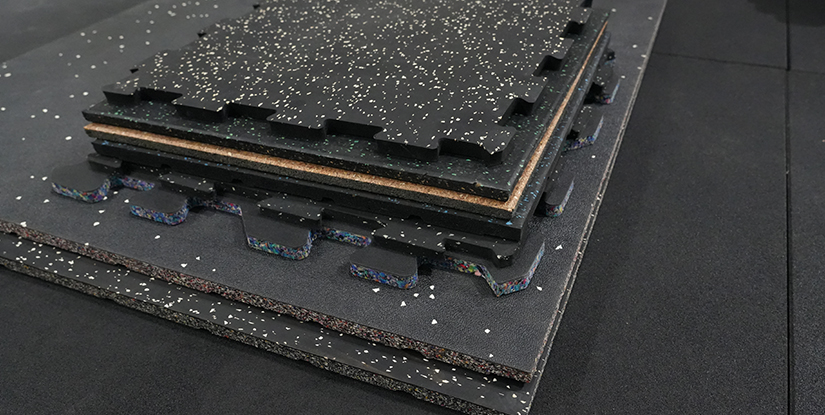
Proper floor preparation is a non-negotiable technical requirement. For heavy free weights and high-impact training areas, using specialized high-density rubber flooring is essential to mitigate vibration. Vibration can travel through the subfloor and affect the calibration of delicate electronic treadmills or elliptical machines in adjacent areas. Ensuring a stable, vibration-dampened foundation extends the life of sensitive electronics and reduces noise complaints in multi-use buildings.
Electrical Load and Cable Management
For facilities incorporating significant amounts of Wholesale Fitness Products in the form of motorized cardio, power distribution is a hidden complexity. Avoid daisy-chaining power strips, which increases fire risk and voltage instability. Instead, plan for dedicated circuits per zone to ensure that a sudden surge from a motorized treadmill does not interrupt the software of a nearby diagnostic console. Additionally, use high-grade cable raceways to prevent tripping hazards and protect cord integrity from heavy footwear.
Through meticulous selection, rigorous inspection, and scheduled maintenance, the lifecycle of your investment is secured. The technical proficiency applied at the procurement stage dictates the long-term profitability and safety of the entire facility operation.