

Optimizing Olympic Dumbbells: A Technical Guide to Selection and Maintenance
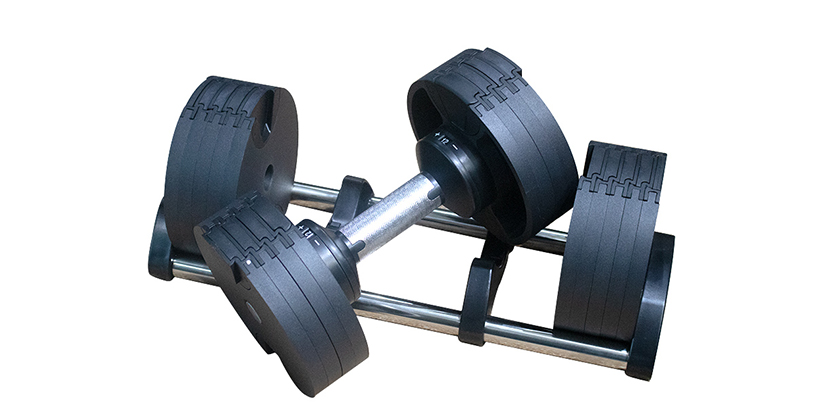
In professional strength and conditioning environments, the unexpected failure of equipment is not merely an inconvenience; it is a significant safety risk and a disruption to operational flow. One of the most common points of failure in high-volume weight rooms involves the structural integrity and grip performance of Olympic Dumbbells. Whether it is a hairline fracture in a cast iron head or a compromised knurling pattern, these issues often stem from improper selection or inadequate maintenance cycles. This guide serves as a technical roadmap for facility managers and equipment operators to identify, prevent, and resolve these common mechanical and ergonomic issues.
Evaluating Material Composition and Structural Integrity
Before a single piece of equipment is even unloaded, the operator must understand the fundamental material science that dictates the longevity of the product. The primary issue in many commercial settings is the mismatch between the intensity of use and the material durability of the dumbbell heads. A failure to distinguish between cast iron, urethane, and rubber-encased options often leads to premature cracking or peeling under high-impact conditions.
Comparing Core Materials and Durance Profiles
Selecting the right material requires understanding the specific impact stresses of your facility. While rubber-encased options offer noise reduction, they are susceptible to environmental degradation if not stored correctly. Cast iron, while highly durable, lacks the impact absorption of advanced polymer coatings.
| Material Type | Primary Benefit | Common Failure Mode | Ideal Environment |
|---|---|---|---|
| Cast Iron | Extreme Durability | Cracking under extreme thermal shock | Standard Commercial Gyms |
| Urethane Encased | High Impact Resistance | Delamination of coating from core | High-Intensity Interval Training (HIIT) |
| Neoprene Coated | Enhanced Grip Texture | Surface wear and discoloration | Small Boutique Studios |
| Steel/Iron Blend | Cost Efficiency | Oxidation and rust at connection points | Budget-Conscious Facilities |
By evaluating these material profiles during the procurement phase, operators can mitigate the risk of structural fatigue. Understanding these material behaviors provides the foundation for the next critical step: ensuring the mechanical interfaces are secure and functional.
Verifying Handle Diameter and Knurling Standards
Once the material durability is established, the focus must shift to the human-machine interface: the handle. A common complaint among high-level athletes is a lack of grip consistency, which is often caused by improper knurling depth or non-standard handle diameters. This mismatch can lead to grip failure during high-intensity movements, increasing the risk of dropping the weight.
Determining Ideal Knurling Specifications
Knurling is the diamond-shaped pattern etched into the metal to provide traction. In professional settings, the precision of this etching is a decisive factor in user safety. A common mistake is purchasing equipment with 'shallow' knurling that wears down quickly under high-frequency use.
- Aggressive Knurling: Best for heavy lifting and sweaty hands; however, it may be too abrasive for casual users.
- Medium/Standard Knurling: The industry benchmark for versatility and long-term durability.
- Smooth/Low-Profile: Often found in cheaper models; high risk of slip-related injuries during heavy sets.
Operators should use a tactile verification method by rotating the handle with a gloved hand to sense if the pattern is consistent across the entire length. Identifying these ergonomic variables ensures that the physical interaction with the equipment remains safe and predictable. Once the grip and handle are validated, the operator must transition to checking the load-bearing connections.
Inspecting Connection Points and Load Stability
The transition from the handle to the weighted head is where the most critical mechanical failures occur. In Olympic Dumbbells designed with modular components, the security of the connection point is paramount. Loose or uneven connections can cause the weight to shift mid-lift, creating a dangerous center-of-gravity imbalance.
Identifying Mechanical Instability in Modular Sets
A recurring problem in facility maintenance is the gradual loosening of the connection between the handle and the weight head. This is often caused by vibration from repeated drops or poor manufacturing tolerances. To verify stability, an operator should perform a manual 'torque test' on a sample of the set.
| Detection Method | What to Look For | Indicated Problem | Action Required |
|---|---|---|---|
| Rotation Check | Does the head move independently of the handle? | Connection Loosening | Immediate Replacement or Re-seating |
| Visual Inspection | Are there cracks at the neck of the handle? | Material Fatigue | Decommission Equipment |
| Sound Test | Does the dumbbell produce a 'clink' when moved? | Internal Component Shift | Structural Integrity Failure |
Regularly checking these pivot points prevents catastrophic failures during heavy compound movements. Having confirmed that the weights are structurally sound, the operator must now address the external environmental factors that impact the equipment's surface and longevity.
Mitigating Environmental Degradation and Surface Corrosion
Even the highest quality equipment will fail if subjected to improper environmental conditions. Oxidation and surface corrosion are the most frequent causes of aesthetic and functional decline in weight rooms. This degradation is often the result of high humidity levels or inadequate cleaning protocols.
The Impact of Humidity and Moisture Management
Moisture is the primary catalyst for rust in steel-based equipment. If a facility lacks climate control, the metallic components of the dumbbells will inevitably show signs of oxidation. This is not just a visual issue; rust can actually compromise the grip and the structural integrity of the metal over time.
- Problem: Visible reddish-brown oxidation on the handles.
- Cause: High humidity and inadequate surface cleaning (sweat residue).
- Fix: Regular cleaning with a specialized metal cleaner and maintaining low humidity levels.
- Verification: A visual scan of all metal surfaces once per week.
By implementing a rigorous cleaning and climate control standard, the facility can extend the life of the equipment significantly. Proper environmental management is a precursor to the final step: developing a long-term maintenance and inspection routine.
Establishing a Routine Maintenance and Inspection Schedule
A reactive approach to equipment failure is both costly and dangerous. To maintain a professional-grade environment, operators must transition from 'fixing when broken' to a proactive maintenance model. A formalized schedule ensures that small issues—like minor knurling wear or slight oxidation—are caught before they become expensive replacements.
The Professional Operator's Inspection Checklist
A successful maintenance program relies on consistency. We recommend a tiered approach to inspections, categorized by frequency and depth of detail. This ensures that every component of the Olympic Dumbbells is accounted for in the facility's safety audit.
| Frequency | Task Type | Focus Area | Target Outcome |
|---|---|---|---|
| Daily | Visual Sweep | Surface cleanliness and visible cracks | Immediate removal of damaged units |
| Weekly | Tactile Audit | Knurling texture and grip consistency | Detection of surface wear |
| Monthly | Structural Integrity Test | Connection points and modular stability | Pre-emptive replacement of loose parts |
| Quarterly | Comprehensive Audit | Material degradation and coating integrity | Budget forecasting for replacement |
Following this checklist ensures that the facility remains compliant with safety standards and that the equipment remains in peak operational condition. With these routines in place, the facility is prepared for the next stage: managing the long-term ROI and lifecycle of the assets.
Maximizing Equipment Lifespan and Return on Investment
The final consideration for any facility manager is the financial implication of equipment turnover. High-quality Olympic Dumbbells are a significant capital expenditure, and maximizing their lifecycle is essential for a healthy bottom line. A well-managed equipment set provides better value over time than a cheaper, poorly made alternative that requires frequent replacement.
Calculating the Total Cost of Ownership
When purchasing, operators should not look at the initial price tag alone. A lower initial cost often masks a higher total cost of ownership (TCO) due to frequent breakage and replacement costs. The TCO includes the purchase price, the cost of maintenance labor, and the frequency of replacement. Professionals should evaluate the 'cost-per-use' of the equipment to make the most informed decision.
- High-End Option: High initial cost, low maintenance, long lifecycle.
- Budget Option: Low initial cost, high maintenance, short lifecycle.
By prioritizing durability and high-quality materials during the selection phase, facilities can significantly reduce long-term operational costs. Consistent monitoring of these metrics allows for better budget planning and more predictable capital expenditure cycles.
Common Misconceptions in Equipment Maintenance
Many operators fall into the trap of assuming that certain maintenance tasks are unnecessary. One of the most common mistakes is believing that a simple wipe-down with a damp cloth is sufficient for all equipment types. This can actually lead to more damage in certain scenarios.
The Dangers of Incorrect Cleaning Protocols
Using the wrong cleaning agents or moisture levels can actually accelerate the degradation of the equipment. For example, using heavy-duty degreasers on neoprene-coated dumbbells can strip the material, while using high-moisture cloths on unsealed steel handles can invite rust. Understanding these nuances is the difference between preserving an asset and destroying it.
- Mistake: Leaving dumbbells on a damp floor after cleaning.
- Result: Accelerated base-plate corrosion.
- Fix: Ensure all surfaces are completely dry before returning equipment to the rack.
Recognizing these common errors allows operators to refine their training for cleaning staff and ensures that the maintenance processes actually support the longevity of the facility's assets.