

Optimizing 45Lbs Weight Bar Performance and Longevity
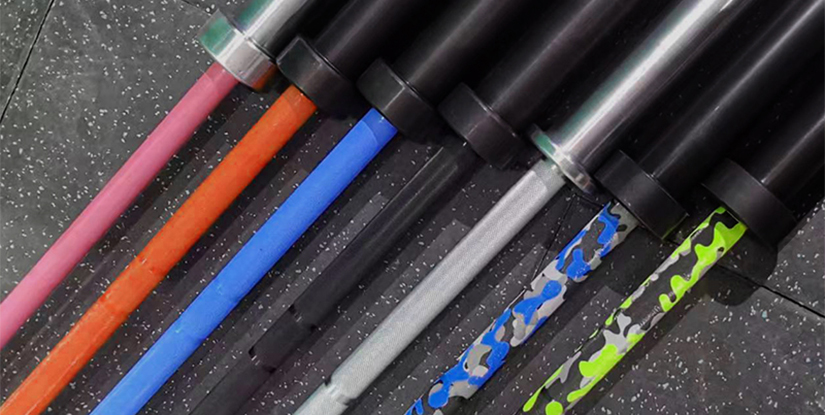
The Myth of Uniformity in the 45Lbs Weight Bar Standard
A common misconception among equipment procurement officers and high-performance training facility managers is that any tool labeled as a 45Lbs weight bar is functionally identical to another. This assumption leads to significant operational discrepancies, ranging from uneven plate loading to premature bearing failure. In reality, the precision of a standard barbell is determined by much more than its nominal weight; it is a complex assembly of metallurgical properties, sleeve rotation mechanics, and knurling consistency.
When an operator relies on a bar that lacks strict tolerance controls, they risk more than just inaccurate training loads. They risk uneven weight distribution across the sleeves, which can lead to catastrophic failure during high-velocity movements like the clean or snatch. This technical guide establishes the baseline for identifying high-quality equipment and provides the protocols necessary to maintain peak operational performance.
Understanding these foundational discrepancies is essential before moving into the technical specifications of material selection and structural integrity.
Recognizing Substandard Deviations
Substandard equipment often suffers from 'weight drift,' where the actual mass deviates significantly from the 45Lbs target. This is frequently caused by poor calibration during the manufacturing process or inconsistent plating thickness. For a professional setting, a deviation exceeding a specific threshold can undermine the integrity of even the most disciplined training programs.
| Feature | Standard Requirement | Substandard Indicator |
|---|---|---|
| Mass Tolerance | +/- 0.1% to 0.5% | Significant variance between identical units |
| Sleeve Rotation | Smooth, consistent RPM | Stuttering or grinding sensations |
| Knurling Uniforms | Consistent depth and spacing | Sharp edges or 'bald' spots |
Establishing these benchmarks allows for better procurement decisions, but physical properties are only half the battle; one must also understand the structural mechanics at play.
Metallurgical Composition and Tensile Strength Realities
Building upon the necessity of strict tolerances, the actual composition of the steel used in a 45Lbs weight bar dictates its long-term durability and safety. A common failure mode in lower-tier equipment is the use of high-carbon steel that lacks sufficient tensile strength, leading to permanent deformation or 'bending' under heavy loads. This is not merely a cosmetic issue; a bent bar fundamentally alters the center of mass, creating dangerous oscillations during lifts.
For high-intensity environments, operators must look beyond the weight and examine the tensile strength ratings. Higher-grade steel is engineered to withstand extreme stress without losing its structural memory. This ensures that after a heavy session, the bar returns to its original straightness, maintaining the predictability required for advanced movements.
Deciphering Tensile Strength and Yield Point
The relationship between tensile strength and yield strength is critical. Tensile strength is the maximum load the bar can carry before breaking, while yield strength is the point at which the bar begins to deform permanently. A high-quality bar will possess a high yield strength, ensuring it can handle repetitive heavy loading without losing its straightness.
- High Yield Strength: Essential for heavy lifting environments to prevent permanent warping.
- Elasticity: A degree of 'whip' is desirable for Olympic lifting, but too much can indicate low-grade steel.
- Corrosion Resistance: Essential for maintaining the steel's integrity in high-humidity environments.
Once the material properties are verified, the next critical component to audit is the mechanical movement of the sleeves, where precision meets friction.
Sleeve Rotation Mechanics and Bearing Lonitation
The technical sophistication of a 45Lbs weight bar is most visible in its sleeves. While the central shaft carries the load, the sleeves must rotate freely to dissipate the centrifugal force generated during dynamic lifts. A primary failure point in many facilities is the use of bars with inferior bushing or bearing systems that do not provide sufficient rotation speed or smoothness.
Poor sleeve rotation is often caused by inadequate lubrication or the use of low-grade bushings that suffer from high friction. When the sleeves do not rotate smoothly, the torque from the rotating plates is transferred directly to the lifter's wrists and elbows, significantly increasing the risk of injury. Operators must decide between bearing and bushing systems based on the specific training intent of their facility.
Comparing Bearing vs. Bushing Systems
| Mechanism Type | Best Use Case | Pros | Cons |
|---|---|---|---|
| Roller Bearings | Olympic Weightlifting (High Speed) | Extreme smoothness and high RPM | Higher maintenance and cost |
| Bronze Bushings | Powerlifting / Strongman (Slow/Heavy) | Durability and high weight capacity | Slower rotation speed |
Choosing the right mechanism is a balance of cost, durability, and movement type. However, even the best bearings will fail if the maintenance cycle is ignored, leading us to the necessity of a structured inspection regime.
Routine Inspection Protocols for Operational Safety
Even with the highest grade of materials and mechanics, a 45Lbs weight bar requires a rigorous inspection cadence to ensure continued safety. Neglecting routine checks leads to undetected wear and tear, which eventually manifests as unexpected mechanical failure during a lift. A proactive inspection model moves the operator from a reactive stance to a preventative one.
The most common mistake in gym management is performing only visual inspections. A professional-grade inspection must involve tactile and mechanical verification to detect subtle changes in the bar's performance. This includes checking the knurling for wear and testing the rotation speed of the sleeves under load.
The Professional Maintenance Checklist
- Daily Visual Check: Scan for any visible rust, plating chips, or deformations in the shaft.
- Weekly Rotation Test: Spin the sleeves by hand to ensure there is no 'catch' or friction during the rotation.
- Monthly Depth Audit: Use a tactile inspection of the knurling to identify areas where the texture is wearing down.
- Quarterly Straightness Check: Roll the bar on a flat surface to detect any slight deviations in the shaft line.
By following this structured checklist, operators can identify failure modes before they become safety hazards. This leads naturally to the practicalities of how to actually clean and preserve these components over time.
Surface Finishes and Corrosion Control Strategies
The exterior finish of a 45Lbs weight bar serves two distinct purposes: providing the necessary grip through knurling and protecting the underlying steel from environmental degradation. A common problem for facility operators is the rapid oxidation of bars due to sweat and ambient humidity. If the finish is compromised, the structural integrity of the bar is eventually threatened by deep-seated rust.
The choice of finish—whether it be hard chrome, zinc, or stainless steel—drastically changes the maintenance requirements. For example, a zinc-plated bar provides good protection but requires more frequent wiping to prevent oxidation, whereas a stainless steel bar is inherently resistant but carries a higher initial procurement cost.
Matching Finish to Environment
Selecting the correct finish depends heavily on the facility's climate control capabilities. In a humid or outdoor-accessible facility, the cost of high-grade stainless steel is often offset by the reduced need for intensive corrosion management.
- Hard Chrome: Excellent for smooth rotation and durability; highly resistant to wear.
- Zinc Plating: Cost-effective; provides a standard layer of protection; requires regular cleaning.
- Stainless Steel: The gold standard for durability and low maintenance; highly resistant to moisture.
Maintaining these surfaces is critical, as even a minor scratch in the plating can become a site for localized corrosion, which may eventually weaken the shaft. This necessitates a standardized cleaning procedure.
Standardized Cleaning and Lubrication Procedures
Effective maintenance of a 45Lbs weight bar involves more than just wiping it down; it requires a specific approach to both cleaning and lubrication. Improper cleaning can actually accelerate the degradation of the bar, particularly if abrasive chemicals or excessive moisture are used on the sleeves and bearings.
The goal of a maintenance protocol is to remove contaminants like sweat, chalk, and skin oils without introducing more moisture into the mechanical components. For instance, using a high-pressure water hose to clean a bar with roller bearings will likely wash away the essential lubrication, leading to immediate bearing failure.
The Two-Stage Cleaning Process
A professional cleaning routine should be divided into two distinct stages: surface cleaning and mechanical lubrication.
| Stage | Action | Recommended Tool | Frequency |
|---|---|---|---|
| Surface Cleaning | Remove chalk and oils | Microfiber cloth & mild soap | Post-session/Weekly |
| Mechanical Care | Ensure smooth sleeve rotation | Specialized bearing oil | Monthly or as needed |
When applying lubricant, the operator must ensure it is a non-detergent oil designed for precision mechanics. Applying too much oil can attract more dust and chalk, creating a sludge that actually increases friction. Once the cleaning and lubrication are understood, the final step is verifying that all components are operating within the expected parameters.
Verifying Performance and Troubleshooting Common Issues
The final stage in the management of a 45Lbs weight bar is the verification of its performance metrics. How does an operator know if a bar is actually 'broken' or just performing sub-optimally? Verification requires a combination of comparative testing and sensory feedback. If a bar that was previously smooth now feels 'crunchy' during a lift, it is a sign of internal mechanical failure rather than just a user error.
Troubleshooting begins with identifying the specific symptom. Is the problem in the shaft, the sleeves, or the grip? By isolating the symptom, the operator can determine if the issue can be fixed with simple maintenance or if the component requires complete replacement.
Troubleshooting Symptom Matrix
| Symptom | Likely Cause | Actionable Fix |
|---|---|---|
| Uneven rotation under load | Bearing debris or low oil | Deep clean and re-lubricate |
| 'Wobble' during heavy lifts | Permanent shaft deformation | Replace the bar immediately |
| Loss of grip/texture | Knurling wear or excessive oil | Thorough degreasing or replacement |
| Squeaking during movement | Dry bushings or bearings | Apply precision lubricant |
Regularly performing these verifications ensures that the equipment remains a reliable tool for high-level training. Maintaining a rigorous standard of oversight is the only way to guarantee long-term operational success.