

Innovation Trends Among CrossFit Equipment Manufacturers: A Technical Manufacturing Deep-Dive
Material Science Advancements in Equipment Fabrication
The journey of high-performance fitness gear begins long before the first weld is made. Understanding the current landscape of innovation trends among CrossFit equipment manufacturers requires a look at the fundamental inputs: raw materials. The transition from standard carbon steel to high-tensile alloys is driven by the need for extreme durability without excessive weight.
High-Tensile Steel and Alloy Selection
Modern manufacturers are increasingly utilizing high-tensile, low-alloy steels. These materials offer a superior strength-to-weight ratio, which is critical for equipment like rig structures and heavy-duty racks. The primary challenge for operators is the fatigue resistance of these materials under repetitive, high-impact loading. When choosing equipment, one must verify the metallurgical certification of the steel to ensure it meets international safety standards for structural integrity.
Polyurethane vs. Rubber Coating Technologies
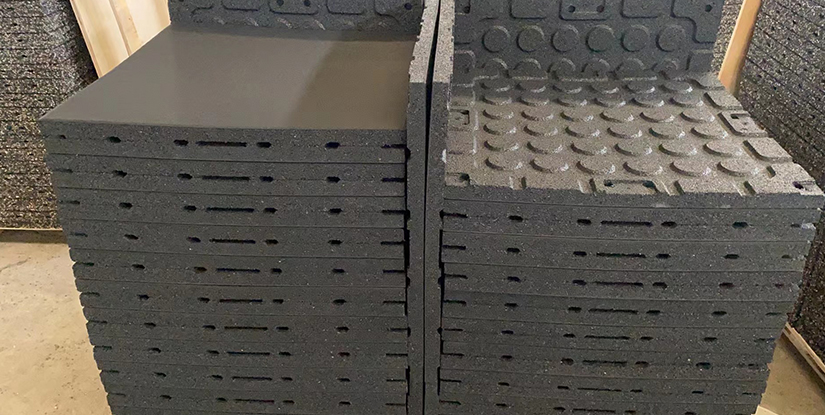
Another major area of material innovation is in the coating of weight plates and bumper bells. While traditional rubber is common, high-end manufacturers are pivoting toward advanced polyurethane coatings. Polyurethane offers a significant advantage in durability and resistance to environmental degradation, but it comes with a higher cost profile. Failure to differentiate between these materials often leads to premature cracking or loss of elasticity in high-traffic facilities.
| Material Type | Durability Rating | Impact Absorption | Primary Use Case |
|---|---|---|---|
| Standard Vulcanized Rubber | Moderate | High | Standard Bumper Plates |
| Advanced Polyurethane | Very High | Moderate | Premium Bumper Bells |
| Powder Coated Steel | High (Static) | Low | Rigs and Weight Racks |
| High-Tensile Alloy Steel | Extreme | Low | Structural Rig Components |
As material science evolves, the focus shifts from the raw substance to the precision with which these substances are shaped and joined. This leads us directly into the complex manufacturing processes that define modern equipment quality.
Precision Welding and Structural Integrity Protocols
Having selected the optimal materials, the next stage involves the physical assembly of the equipment. The strength of a CrossFit rig is only as reliable as its weakest weld. A major trend in manufacturing is the move away from manual arc welding toward highly controlled robotic welding systems to ensure uniformity across large-scale production runs.
Robotic Welding and Heat-Affected Zone (HAZ) Control
Automated welding allows for precise control over the heat-affected zone (HAZ). In manual welding, excessive heat can weaken the crystalline structure of the steel surrounding the weld, creating a brittle point that is prone to failure under heavy oscillation. Robotic systems minimize this risk by providing consistent heat input and travel speed. Operators should look for manufacturers that utilize automated systems to reduce the occurrence of microscopic cracks or structural warping.
Tolerance Verification and Component Alignment
A common failure mode in modular equipment is the misalignment of components during assembly, often caused by poor tolerance management. When parts do not fit perfectly, it introduces unintended stress points. Manufacturers now use laser-guided alignment tools to ensure that every hole and bracket is positioned within tight tolerance ranges. This level of precision ensures that when an operator assembles a modular rig, the structural load is distributed exactly as engineered.
- Verification Step: Inspect weld beads for consistency; uneven or 'lumpy' beads often indicate manual inconsistency.
- Checklist Item: Measure bolt-hole alignment; if components require excessive force to join, the manufacturing tolerances are likely too loose.
Rigid structural integrity is the baseline, but the true technological frontier is being pushed by how manufacturers handle surface finishes and long-term durability.
Advanced Surface Treatments for Longevity
While structural strength is achieved through welding, the longevity of the equipment’s appearance and grip is determined by surface treatment. The shift in innovation trends among CrossFit equipment manufacturers has moved toward high-performance powder coating and chemical treatments that withstand both sweat and high-frequency friction.
Powder Coating vs. Liquid Paint Systems
Standard liquid paints are often insufficient for the high-impact environment of a CrossFit box. Modern manufacturers favor electrostatic powder coating. This process involves applying a dry powder to the metal, which is then cured under intense heat. This creates a much thicker, more resilient skin that is significantly more resistant to chipping and scratching. The critical decision for a buyer is evaluating the 'micron thickness' of the coating to ensure it can withstand years of barbell contact.
Oxidation Resistance in High-Humidity Environments
For facilities located in coastal or high-humidity areas, oxidation (rust) is a constant threat. Innovation in this sector involves the use of zinc-priming or specialized galvanic coatings before the final color layer is applied. Without these sub-layers, even high-quality powder coating can fail if the metal is scratched, leading to deep-seated rust that compromises the structural integrity of the frame.
| Treatment Type | Resistance Level | Cost Impact | Best For |
|---|---|---|---|
| Standard Liquid Paint | Low | Low | Light Commercial Use |
| Electrostatic Powder Coat | High | Medium | Standard Commercial Gyms |
| Zinc-Primed Powder Coat | Extreme | High | High-Humidity/Outdoor Rigs |
A flawless surface finish is aesthetically pleasing, but the real technical merit lies in how these coatings interact with the mechanical components of the equipment.
Explore the complete technical specifications:
Mechanical Component Engineering and Tolerances
Moving from the static frame to the dynamic elements—such as barbell sleeves and pulley systems—revealed a new layer of complexity. The precision of moving parts is where the most significant mechanical innovation is currently occurring, particularly regarding bearing technology and rotational smoothness.
Bearing Technology and Rotational Fluidity
The rotation of a barbell sleeve is a critical factor in preventing injury and ensuring optimal performance during high-velocity movements. Traditional sleeve bushings are being replaced by advanced needle bearing systems. While bushings are more cost-effective, they tend to develop 'play' or wobble over time as the material wears down. High-end needle bearings provide a much smoother, more consistent rotation, which is vital for heavy cleans and snatches.
Pulley Systems and Friction Reduction
In functional trainers and cable machines, the quality of the pulleys dictates the 'feel' of the resistance. A common complaint among operators is 'jerky' resistance, often caused by low-grade plastic pulleys or poorly lubricated bearings. Manufacturers are now integrating high-density composite pulleys with high-grade steel bearings to ensure a seamless transition of force. To verify quality, an operator should test the pulley under load to check for any micro-stuttering or uneven tension.
Verification of Mechanical Stability
To ensure a piece of equipment is built to professional standards, one must test the 'play' in moving parts. A high-quality barbell should have minimal lateral movement in the sleeve, even under moderate weight. Excessive rattling or wobbling is a primary indicator of substandard component tolerances.
Refining these mechanical nuances leads us to the final stage of the equipment lifecycle: the operational deployment and maintenance standards that ensure these innovations last.
Operational Maintenance and Lifecycle Optimization
The final phase of the manufacturing lifecycle is the deployment and long-term maintenance in a live environment. Even the most innovative equipment requires a structured maintenance protocol to prevent the degradation of its advanced features.
Predictive Maintenance vs. Reactive Repair
A major trend among elite facility managers is the move from reactive repair (fixing things when they break) to predictive maintenance. This involves using the technical data provided by manufacturers to set a strict inspection cadence. For example, rather than waiting for a cable to snap, an operator should replace cables based on the manufacturer's recommended cycle of high-intensity use. This minimizes downtime and ensures athlete safety.
Standardized Inspection Checklists for Operators
To maintain a high standard of safety, facilities should implement a weekly and monthly inspection routine. This ensures that the innovations implemented during manufacturing—such as specialized coatings or advanced bearings—are performing as expected.
- Weekly: Visual check for coating chips; check for any unusual noises in pulley systems; inspect barbell knurling for wear.
- Monthly: Torque test critical bolts on rigs; check bearing rotation for smoothness; inspect cables for fraying or kinks.
| Component | Failure Mode | Preventative Action | Verification Metric |
|---|---|---|---|
| Rig Bolts | Loosening due to vibration | Monthly Torque Check | Tightness to spec (Nm) |
| Barbell Sleeves | Bearing Seizure | Regular Lubrication | Rotation speed/fluidity |
| Cable Pulleys | Fraying/Stretching | Visual/Touch Inspection | Tensile consistency |
Understanding these lifecycle-oriented maintenance needs is crucial for calculating the true Return on Investment (ROI) of premium equipment. However, the ability to maintain equipment is ultimately tied to how much technical documentation and support the manufacturer provides at the point of sale.
Strategic Procurement and ROI for Commercial Facilities
When navigating the innovation trends among CrossFit equipment manufacturers, procurement decisions must extend beyond the initial purchase price. A professional operator must evaluate the total cost of ownership (TCO) by considering the quality of the manufacturing processes described above.
Analyzing Total Cost of Ownership (TCO)
An equipment piece with a lower upfront cost often utilizes cheaper materials, such as standard rubber or lower-grade steel. While this looks better on an initial balance sheet, the long-term costs associated with premature replacement, increased maintenance labor, and potential downtime often far exceed the initial savings. A high-quality piece of equipment with advanced coatings and precision welding will have a significantly longer lifespan and lower cost-per-year.
Evaluating Manufacturer Technical Support
A key differentiator for high-end manufacturers is the depth of their technical documentation. A manufacturer that provides detailed torque specifications, material certifications, and a clear maintenance roadmap is an asset to any professional facility. When vetting a supplier, ask for their quality control documentation and their specific protocols for material testing. This level of transparency is a hallmark of the industry's modern innovation landscape.
Smart Integration and Digitalization Trends
The most recent wave of innovation among CrossFit equipment manufacturers involves the integration of digital sensors and IoT-ready components. This moves the equipment from being a purely mechanical tool to a data-generating asset.
Smart Barbells and Sensor Integration
Advanced manufacturers are developing barbell systems with embedded sensors capable of tracking bar path, velocity, and even slight imbalances in weight distribution. These sensors are often integrated into the sleeve or the shaft itself. The goal is to provide athletes with real-time feedback on their lifting mechanics. A common pitfall for facilities is purchasing 'smart' equipment that lacks a robust software ecosystem, rendering the high-tech hardware useless for long-term tracking.
The Role of Connectivity in Rig Design
Even structural rigs are seeing technological upgrades. Newer modular designs are being engineered to act as hubs for digital leaderboards or timer systems. This requires a manufacturer to consider not just the structural load, but the placement of cable routing channels for digital devices. When selecting a rig, ensure it has the capacity for future technological expansions to avoid the need for complete replacement when upgrading your facility's digital interface.
- Decision Criteria: Check if the manufacturer provides an open API or integration support for third-party timing and tracking software.
- Common Mistake: Neglecting to plan for cable routing/management in the rig design, leading to unsightly and unsafe loose wires later.
As the industry moves toward a more interconnected and data-driven future, the importance of selecting manufacturers who prioritize both physical durability and digital compatibility cannot be overstated.