

Strategic Procurement: How to Stock Your Gym with Wholesale Fitness Supplies
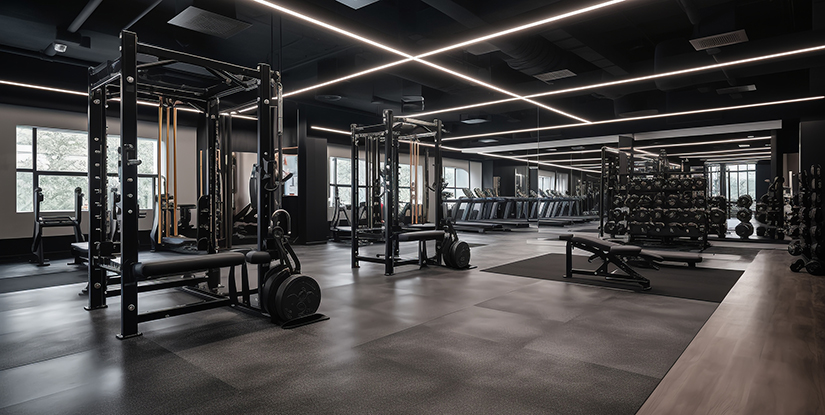
Optimizing Capital Allocation via Wholesale Fitness Procurement
Effective gym management begins long before the first member walks through the door; it starts with the precision of the procurement cycle. Many operators fall into the trap of reactive purchasing—buying small quantities at retail-adjacent prices whenever a piece of equipment breaks or a new trend emerges. This approach creates inconsistent equipment quality and unpredictable cash flow. To achieve a sustainable return on investment (ROI), an operator must treat the process of learning how to stock your gym with wholesale fitness supplies as a strategic capital deployment rather than a simple shopping task.
The primary failure in procurement is not the lack of funds, but the lack of a standardized selection framework. When equipment is purchased without rigorous specification sheets, the facility suffers from a fragmented ecosystem where parts are incompatible and maintenance becomes a logistical nightmare. By shifting from retail-style purchasing to wholesale-driven strategic sourcing, you stabilize your long-term operational costs. Understanding the fundamental layers of equipment durability and supplier reliability is the first step toward building a high-performance facility.
Identifying High-Impact Procurement Variables
Before engaging with any wholesale partner, an operator must define the core variables that dictate the lifespan of their assets. These variables include mechanical complexity, material durability, and the availability of replacement components. A high-end cardio machine might offer better features, but if its internal electronic components are proprietary and difficult to source, the long-term cost of ownership may exceed that of a simpler, more robust model. Establishing these parameters early prevents the common mistake of prioritizing novelty over utility.
Once these foundational variables are defined, the focus must shift toward the actual selection of asset classes and the logistics of their arrival.
Designing a Balanced Asset Mix for Diverse Member Demographics
A common error in gym setup is an over-reliance on a single type of equipment, such as a heavy emphasis on free weights at the expense of functional training tools. While strength training is a staple, an imbalanced facility limits its market reach. A sophisticated procurement strategy requires a tiered approach to asset distribution, ensuring that your floor space is utilized by a diverse range of equipment categories.
The following table outlines the essential categories that a professional-grade facility should consider when building an initial inventory. Each category serves a specific psychological and physiological function for the member base.
| Equipment Category | Primary Function | Procurement Focus | Common Replacement Cycle |
|---|---|---|---|
| Strength Training | Hypertrophy & Power | Structural integrity of frames and upholstery | 5–8 Years |
| Cardiovascular | Endurance & Conditioning | Motor longevity and electronic reliability | 4–6 Years |
| Functional/Mobility | Versatility & Agility | Material density (mats/balls) and durability | 2–3 Years |
| Free Weights | Foundational Strength | Uniformity in weight increments and grip texture | 10+ Years |
This strategic mix ensures that the facility remains attractive to both beginner enthusiasts and seasoned athletes. However, selecting the right categories is only half the battle; the real challenge lies in the technical differentiation between various grades of supplies.
Evaluating Material Durability Standards
When reviewing wholesale catalogs, the distinction between 'commercial-grade' and 'light-commercial' is often blurred. A professional operator must look beyond the marketing terminology and examine the actual material specifications. For instance, in free weights, a high-density urethane coating is significantly more resistant to impact and environmental degradation than standard rubber. In strength machines, the gauge of the steel tubing used in the frame is a non-negotiable metric for safety and longevity.
With a clear understanding of these material requirements, the operator can move into the critical phase of vendor assessment and logistical planning.
Vendor Verification and Quality Assurance Protocols
The procurement of wholesale fitness supplies involves more than just comparing price points; it requires a rigorous verification of the supplier's reliability and the manufacturer's standards. A low initial price often masks a high 'total cost of ownership' (TCO) due to frequent breakdowns and lack of support. A common mistake is failing to audit a supplier's ability to provide consistent replacement parts for specialized components.
To mitigate this risk, operators should implement a verification checklist during the vetting process. This ensures that the chosen partner can support the facility's growth and maintenance needs over several years.
- Documentation Audit: Request full technical specification sheets for all major equipment pieces, not just marketing brochures.
- Component Origin Verification: Determine if critical components (like motors or high-stress bearings) are sourced from reputable industrial manufacturers.
- Support Response Benchmarking: Inquire about the average response time for technical support and the availability of local maintenance technicians.
- Warranty Granularity: Ensure the warranty covers both parts and labor for critical structural elements, not just a limited window of electronic functions.
Following a strict verification process prevents the operational downtime caused by inferior manufacturing. Once the vendor is secured, the next step is the tactical execution of the delivery and installation.
Explore the complete technical specifications:
Logistical Management: Receiving and Initial Inspection
The moment wholesale supplies arrive at your facility is a high-risk period for both damage and undetected defects. Many operators view the delivery as the final step, whereas in a professional operation, the delivery is merely the start of the integration process. An undocumented delivery can lead to significant disputes regarding damaged goods or missing components.
A rigorous receiving protocol is essential for protecting your capital investment. This involves more than just signing a bill of lading; it requires a physical and technical audit of every unit delivered.
The Three-Stage Inspection Protocol
To ensure the equipment meets the promised standards, implement the following three-stage process upon arrival:
| Stage | Action Item | What to Look For | Verification Method |
|---|---|---|---|
| Physical Inspection | Exterior Audit | Dents, paint chips, or upholstery tears | Visual/Tactile check |
| Functional Test | Operational Test | Smoothness of movement, noise, and sensor accuracy | Standardized movement cycle |
| Structural Audit | Integrity Check | Bolt torque, weld strength, and frame alignment | Wrench/Level/Visual inspection |
Performing these checks immediately upon delivery allows for real-time claims against the freight company or the supplier, rather than discovering a defect weeks after the installation was completed. After the equipment is verified and installed, the focus must transition to long-term preservation.
Explore the complete technical specifications:
Preventative Maintenance: Protecting the Asset Lifespan
The greatest threat to a gym's ROI is not the initial purchase price, but the lack of a structured maintenance regimen. Equipment that is neglected will inevitably experience premature failure, leading to both safety hazards and increased replacement frequency. A professional operator treats maintenance as a non-negotiable operational expense rather than an optional task.
The primary cause of equipment failure is often friction and environmental accumulation. Dust, sweat, and skin cells can infiltrate moving parts, causing increased resistance and heat buildup in electronic and mechanical systems. Establishing a tiered maintenance schedule is the most effective way to counteract these natural degradation processes.
Implementing a Tiered Maintenance Schedule
A professional facility should categorize maintenance tasks based on the intensity of use and the complexity of the equipment. This prevents a 'one-size-fits-all' approach that either wastes time or neglects high-use machines.
- Daily/Weekly (Tier 1): Surface cleaning of upholstery, wiping down sweat from metal surfaces, and clearing debris from floor mats. - Monthly (Tier 2): Inspecting cables for fraying, checking bolt tightness on high-impact machines, and testing electronic consoles for responsiveness.- Quarterly (Tier 3): Deep lubrication of bearings and pulleys, tensioning of resistance cables, and thorough inspection of motor ventilation systems.
Regular adherence to these cycles significantly extends the functional life of the inventory. When these protocols are followed, the facility avoids the sudden, catastrophic failures that disrupt member experience and lead to emergency repair costs.
Common Failure Modes in Gym Equipment Operations
Even with the best procurement and maintenance, certain failures are endemic to the fitness industry. Understanding these patterns allows an operator to troubleshoot more effectively and make better future purchasing decisions. Most equipment failures stem from one of three areas: mechanical friction, electrical volatility, or structural fatigue.
A failure to recognize the warning signs of these modes often results in more expensive repairs or total replacement. For example, a subtle change in the sound of a treadmill motor or a slight vibration in a cable machine is a signal that a component is nearing the end of its safe operational life.
Recognizing Early Warning Signs
Operators should train staff to recognize the following indicators of impending failure:
- Acoustic Changes: Squeaking, grinding, or rattling in moving parts usually indicates a lack of lubrication or bearing wear.
- Resistance Fluctuations: Inconsistent resistance in weight stacks or electronic trainers often signals worn cables or faulty sensors.
- Surface Degradation: Cracking in upholstery or peeling of grips is not just an aesthetic issue; it is a hygiene and safety risk that indicates material fatigue.
By training staff to notice these subtle cues, the facility can transition from reactive 'emergency' repairs to proactive 'preventative' maintenance, preserving both the budget and the member experience.
The Future of Gym Asset Management: Sustainability and Tech Integration
As the industry evolves, the methods for managing and stocking gym supplies are also changing. We are seeing a move toward 'smart' equipment that provides real-time data on usage frequency and component health. Integrating these technologies into your procurement strategy can provide an unparalleled advantage in managing a facility's lifecycle.
The shift toward data-driven operations allows for more precise maintenance and better capital planning. Instead of guessing when a machine might fail, operators can use telemetry to predict exact replacement cycles. This level of foresight is the hallmark of a modern, highly efficient fitness enterprise.