

How to Manage Supply Chain Risks in Fitness Equipment Sourcing
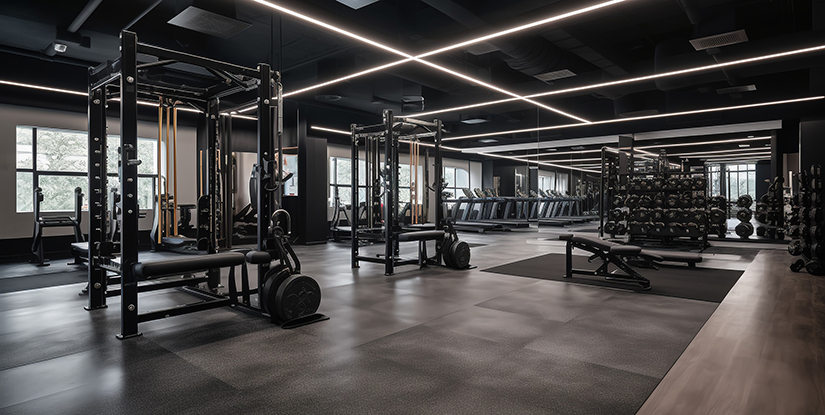
Identifying Core Vulnerabilities in Global Fitness Equipment Procurement
The procurement of commercial-grade fitness equipment often falls victim to unforeseen disruptions, ranging from raw material shortages to sudden geopolitical shifts. For many operators and buyers, the primary pain point is not the initial purchase, but the inability to predict when a critical order—be it a shipment of heavy-duty racks or specialized electronic treadmills—will arrive. This uncertainty can stall facility openings or lead to broken equipment replacement cycles, directly impacting revenue and user satisfaction. Understanding the root cause of these disruptions is the first step in transitioning from a reactive to a proactive management model.
Supply chain volatility in this sector is typically driven by three main factors: reliance on single-source components, lack of visibility into Tier-2 and Tier-3 suppliers, and high sensitivity to international shipping costs. When a single manufacturer relies on one specific steel mill or a unique electronic component factory, a localized issue in that region creates a global bottleneck. To mitigate this, procurement professionals must move beyond simple vendor selection and begin mapping the entire ecosystem of their equipment's construction. By identifying these weak points early, buyers can establish a baseline for risk assessment before a single contract is signed. This foundational understanding of vulnerability leads directly into the necessity of monitoring the more volatile elements of production: raw materials.
Explore the complete technical specifications:
Managing Material Volatility and Component Shortages
Once a buyer understands where the vulnerabilities lie, the next critical step is addressing the actual building blocks of the equipment. Fitness equipment requires a highly specific mix of high-grade steel, specialized polymers, and electronic sensors. The instability of these raw material markets often causes sudden price spikes or total stockouts. For example, a sudden increase in the global cost of high-density foam can lead to immediate delays in the production of premium upholstery for weight benches or stability balls.
The Impact of Material Fluctuations on Production Timelines
Material shortages are rarely isolated; they tend to cascade through the production line. If a manufacturer lacks the specific grade of steel required for structural frames, the entire assembly process halts, even if all other components are present. This creates a 'bottleneck effect' that is often underreported by suppliers until the lead time has already been breached.
| Material Category | Common Risk Factor | Operational Impact | Mitigation Strategy |
|---|---|---|---|
| Structural Steel | Global price volatility | Sudden increases in unit cost | Multi-source procurement agreements |
| Electronic Sensors | Semiconductor shortages | Delayed replacement of high-tech cardio units | Inventory buffering for critical parts |
| High-Density Foam | Chemical precursors scarcity | Delayed upholstery/finishing stages | Diversifying foam suppliers via Tier-1 |
| Synthetic Polymers | Oil price fluctuations | Inconsistent color or texture in grips | Pre-ordering raw resin stocks |
To verify that a supplier is managing these materials effectively, buyers should request documentation regarding their raw material stockpiles or their secondary sourcing agreements. A supplier who can demonstrate a 'safety stock' of critical components is significantly more reliable than one operating on a just-in-time model in a volatile market. Addressing material stability, however, is only effective if the suppliers themselves are subject to rigorous oversight. This brings us to the necessity of formalizing the relationship through structured audits.
Explore the complete technical specifications:
Identifying the Best Fitness Manufacturer for Commercial Use
Implementing Rigorous Supplier Quality and Compliance Audits
Even with stable materials, the risk of receiving substandard or non-compliant equipment remains a significant threat to operational safety and longevity. A common mistake among buyers is relying solely on the manufacturer's self-reported quality data. While certificates of compliance are necessary, they are often insufficient to catch subtle manufacturing flaws that emerge during high-volume production runs. A lack of rigorous onsite or third-party oversight leads to the arrival of equipment with weak welds, inconsistent bolt torques, or electronic malfunctions.
Developing a Multi-Tiered Audit Framework
A professional procurement strategy utilizes a tiered approach to verification. Rather than a single end-of-line check, quality control should be embedded at multiple stages of the manufacturing process. This ensures that flaws are caught at the source, rather than when the shipment arrives at the facility.
- Stage 1: Raw Material Verification: Testing the chemical composition and durability of the steel or plastic before it enters the assembly line.
- Stage 2: Component-Level Inspection: Checking the functionality of individual parts, such as motors in treadmills or pulleys in cable machines.
- Stage 3: Final Assembly Testing: Stress-testing the fully assembled unit under simulated load conditions.
- Stage 4: Pre-Shipment Inspection (PSI): A final physical count and visual check of the entire shipment before it leaves the warehouse.
By institutionalizing these checks, a buyer shifts the responsibility of quality back to the manufacturer. A critical verification step is to request 'batch-specific' test results rather than general product specifications. If a supplier refuses to provide specific data for a production run, it is a major red flag indicating a lack of control. Once quality standards are secured, the focus must expand to the structural integrity of the distribution network itself.
Explore the complete technical specifications:
Diversifying the Vendor Base to Mitigate Geographic Risks
Relying on a single geographic region for all fitness equipment, while cost-effective in the short term, creates an extreme level of risk exposure. Natural disasters, regional conflicts, or localized economic downturns can instantly sever a facility's access to replacement parts or new inventory. The goal is not to abandon established suppliers, but to build a 'redundant' network that can be activated when a primary route is blocked.
Strategic Sourcing: The 70/30 Rule
A common industry benchmark for risk reduction is the 70/30 procurement model. In this scenario, a buyer sources 70% of their equipment from a primary, high-volume supplier to maintain economies of scale, while the remaining 30% is distributed among secondary suppliers in different geographic regions. This ensures that if the primary source fails, the secondary source is already vetted and operational.
| Sourcing Model | Primary Advantage | Main Risk | Ideal For |
|---|---|---|---|
| Single Source | Maximum Economies of Scale | High Vulnerability to Disruption | Small, Low-Budget Facilities |
| Geographic Diversification | Resilience Against Regional Crises | Complex Logistics Management | Large-Scale Commercial Gyms |
| Product-Based Diversification | Avoids Single-Line Failure | Increased Variety in Inventory | Full-Service Fitness Centers |
When implementing diversification, it is vital to verify that the secondary suppliers meet the same technical standards as the primary ones. If a secondary supplier's welding quality or motor reliability is inferior, you are merely trading a logistics problem for a quality problem. With a diverse and audited supplier base in place, the next hurdle becomes the physical movement of the goods through global transit lanes.
Navigating Logistics Disruptions and Transit Latency
Even a perfectly manufactured piece of equipment can be rendered useless if it is stuck in a shipping container at a congested port. Logistics risk is often the most visible failure point in the supply chain, manifesting as unexpected lead-time extensions that disrupt facility planning. The root cause is often a lack of visibility; buyers often do not know an item is delayed until it fails to arrive on the scheduled date.
Advanced Tracking and Buffer Management
To manage transit-related risks, professional operators should demand more than just a 'tracking number.' They should look for suppliers who use integrated logistics management systems that provide real-time status updates at major transit milestones. Furthermore, building 'time buffers' into project timelines is a crucial, though often overlooked, defensive tactic. If a supplier quotes a 12-week lead time, a professional procurement plan should budget for 16 weeks to account for shipping anomalies.
A key metric to track is the 'Transit Variance Ratio'—the difference between the promised arrival date and the actual arrival date. If a supplier’s variance consistently exceeds 15%, their logistics network is unstable and requires a strategic pivot. Managing these transit delays effectively requires a move toward more sophisticated, data-driven procurement tools.
Leveraging Digital Tools for Supply Chain Visibility
The move from manual spreadsheets to integrated digital procurement platforms marks the difference between a reactive buyer and a strategic manager. Digital tools provide the data necessary to identify patterns in delays, quality failures, or price fluctuations before they become catastrophic. The integration of these tools into the procurement process allows for a level of predictive control that was previously impossible.
Key Digital Functions for Modern Procurement
Modern procurement software and ERP (Enterprise Resource Planning) systems offer several critical functions that directly address the risks discussed in this guide:
- Predictive Analytics: Using historical data to predict potential delays based on seasonal trends or regional instability.
- Vendor Scorecarding: Automating the tracking of supplier performance regarding quality, lead time, and price consistency.
- Automated Reorder Points: Ensuring that critical replacement parts are ordered automatically when stock levels hit a predefined threshold.
- Centralized Documentation: Maintaining a single, accessible source for all compliance certificates, test results, and shipping manifests.
As digital maturity increases, the ability to react to a disruption becomes a competitive advantage. The final step in creating a resilient supply chain is not just about current tools, but about establishing long-term, collaborative relationships with the vendors themselves.
Cultivating Strategic Partnerships vs. Transactional Relationships
The ultimate way to manage supply chain risk is to move away from purely transactional buying and toward strategic partnerships. In a transactional model, the supplier's only goal is to fulfill a purchase order at the lowest price. In a strategic partnership, the supplier is an extension of your business, invested in your long-term success and willing to share information regarding potential disruptions.
The Transition from Buyer to Partner
To cultivate these relationships, buyers should offer more than just purchase orders. They should offer stability through long-term contracts and transparent communication. When a supplier knows they have a multi-year partnership, they are more likely to prioritize your orders during a global shortage or provide early warnings about upcoming material price hikes.
This level of cooperation creates a feedback loop of intelligence. A supplier might alert you to a looming shortage in specialized bearings months before it affects production, allowing you to adjust your inventory or find an alternative. Ultimately, managing supply chain risk in fitness equipment sourcing is a continuous cycle of identification, verification, and refinement. By treating the supply chain as a core component of operational success rather than an administrative afterthought, you ensure the long-term viability and safety of your fitness facility.