

How to Identify the Best Gym Equipment Manufacturers in China
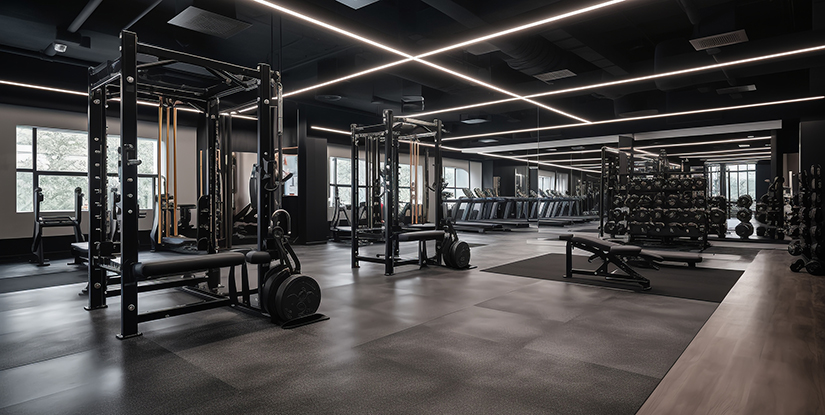
Navigating the Manufacturing Lifecycle of High-End Fitness Equipment
The procurement process for commercial fitness solutions is not a single transaction but a complex lifecycle that begins long before a purchase order is issued. To successfully identify the best gym equipment manufacturers in China, one must understand the journey from raw material input to the final deployment of a functional training station. A failure to grasp this lifecycle leads to the common pain point of receiving equipment that appears structurally sound but suffers from premature mechanical failure due to inferior internal components.
The lifecycle typically follows a strict progression: Material Sourcing → Structural Fabrication → Component Integration → Quality Control → Logistics. A professional buyer must evaluate each stage of this chain to ensure long-term ROI. Understanding these stages allows you to move from being a reactive buyer to a proactive auditor. Once the structural foundations are understood, we must dive into the specific material compositions that dictate durability.
Material Engineering and Structural Integrity Standards
A primary reason for early-onset equipment failure in commercial settings is the use of sub-standard steel grades or improper tubing thickness. When identifying high-tier suppliers, you must look beyond the surface aesthetics and investigate the metallurgical specifications used in the frame construction.
Steel Grade and Wall Thickness Verification
High-quality commercial equipment requires high-tensile steel. A common mistake is accepting equipment with thin-walled tubing (e.g., less than 2.5mm) which can lead to structural bowing under heavy progressive loading. You should verify the specific steel grade, such as low-carbon steel or reinforced alloys, and ensure the welding techniques used—such as TIG or MIG welding—provide deep penetration and smooth transitions.
| Component Type | Standard Requirement | Common Defect to Avoid |
|---|---|---|
| Main Frame Tubing | High-tensile, minimum 3.0mm wall thickness | Thin-walled tubing causing structural bowing |
| Bearing Housers | Hardened steel or high-density polymer | Plastic components that crack under lateral load |
| Weight Stack Rods | Stainless steel or heavy-duty chrome-plated steel | Soft steel that bends under repetitive cycling |
| Upholstery Material | High-density PU leather with anti-microbial coating | Thin vinyl that cracks and peels within 6 months |
The quality of these materials directly impacts the machine's ability to withstand high-frequency use in a commercial environment. After establishing the material baseline, the next critical step is examining how these parts are actually put together through advanced manufacturing processes.
Advanced Fabrication and Assembly Techniques
Having established the material requirements, the focus shifts to the mechanical assembly. The way a machine is assembled determines its smooth movement and long-term operational tolerances. A manufacturer that utilizes automated CNC (Computer Numerical Control) machinery will consistently produce parts with much higher precision than a shop relying heavily on manual bending and cutting.
Precision in CNC Bending and Cutting
Precision in the initial cutting and bending stages is non-negotiable. If the tubing angles are off by even a fraction of a degree, the resulting frame will experience uneven tension, leading to premature wear on bearings and cables. High-end manufacturers utilize 3D laser cutting and CNC tube bending to ensure that every joint fits perfectly, minimizing the reliance on heavy welding to "fix" misalignments.
Tolerance Management in Moving Parts
Moving parts, such as pulleys and weight stacks, require strict tolerance management. A common failure mode in lower-tier manufacturing is the lack of consistent spacing between moving components, which results in friction, noise, and eventual cable fraying. Professional buyers should ask for the manufacturer's standard tolerance range for mechanical assemblies to ensure the equipment remains smooth over thousands of repetitions.
A well-executed assembly process ensures that the structural integrity is matched by mechanical fluidity. However, even the best assembly can fail if the quality control protocols are not rigorous enough to catch human or machine errors during the production run.
Explore the complete technical specifications:
Rigorous Quality Control and Failure Mode Analysis
The most significant risk in international sourcing is the 'sampling trap,' where the first prototype sent to you is perfect, but the mass-produced shipment is riddled with defects. To avoid this, you must identify manufacturers that implement a multi-stage quality control (QC) protocol that covers both the component level and the finished product level.
The Three-Tiered Inspection Protocol
A professional-grade manufacturing facility will typically follow a tiered inspection structure. This ensures that a single defective part does not compromise the entire machine. You should verify if they perform the following:
- Incoming Material Inspection: Testing the hardness and thickness of steel and the quality of incoming cables/pulleys.
- In-Process Inspection: Checking the precision of welds and the alignment of frame segments during assembly.
- Final Product Load Testing: Subjecting the finished machine to simulated peak loads to ensure stability.
Without these checks, you risk receiving equipment with latent defects, such as hairline cracks in welds or improperly seated bearings, which only become apparent after the equipment is installed and in use. The next logical step after verifying the QC process is to understand how to select the right hardware components that complete the machine.
Explore the complete technical specifications:
Component Selection: Pulleys, Cables, and Bearing Systems
The 'soul' of a strength machine lies in its internal hardware. While the frame provides the skeleton, the pulleys and cables provide the movement. Many buyers overlook the fact that a heavy-duty frame is useless if the cable system fails after three months of operation.
Durability Metrics for Cables and Pulleys
When evaluating a manufacturer, ask specifically about their cable coatings and pulley material. A high-quality cable should be nylon-coated or UHMWPE-coated to reduce friction and increase lifespan. Similarly, pulleys should ideally be made of aluminum or high-grade nylon rather than cheap plastic to prevent the 'melting' or deformation that occurs under heavy friction and heat.
| Feature | High-End Specification | Budget/Low-End Specification |
|---|---|---|
| Cable Core | Stainless steel with high-density nylon coating | Single-strand steel wire with minimal coating |
| Pulley Material | Aluminum or heavy-duty reinforced nylon | Thin-walled standard plastic |
| Bearing Type | Sealed ball bearings (precision grade) | Open or non-sealed bushings |
| Weight Stack Guides | Linear rails with high-tolerance alignment | Basic steel rods with high friction |
The interaction between these components determines the 'feel' of the machine. A smooth, low-friction resistance profile is a hallmark of a high-end manufacturer. Once the hardware specifications are locked in, the focus turns to the final aesthetic and protective finishes.
Surface Finish and Protective Coatings for Longevity
The final layer of the manufacturing process—the paint and upholstery—is often the most visible indicator of quality, but it also serves a vital protective function. In high-traffic gyms, equipment is subject to constant sweat, humidity, and physical impact. A poorly applied finish will lead to rust and aesthetic degradation within the first year.
Powder Coating vs. Liquid Painting
For commercial-grade strength equipment, powder coating is the industry standard. Unlike liquid paint, powder coating involves applying a dry powder that is then electrostatically charged and baked in an oven. This creates a much harder, more durable, and more uniform finish that is resistant to scratching and corrosion. If a manufacturer only offers liquid spray painting, expect the finish to chip and wear away quickly under heavy use.
Upholstery Lonness and Maintenance
The upholstery must be able to withstand both high physical pressure and the chemical cleaners used in commercial gyms. Look for high-density foam cores that do not lose their shape and synthetic leathers that feature a high UV and sweat resistance rating. A common failure mode is 'bottoming out,' where the foam collapses, leaving the user to feel the hard base of the machine.
A durable finish ensures the equipment remains an asset rather than an eyesore. With the physical construction and aesthetics accounted for, we must now address the logistical complexity of moving these heavy assets.
Logistics, Packaging, and Risk Mitigation during Shipping
Even the most perfectly manufactured piece of equipment can be ruined by improper logistics. The distance between a Chinese manufacturing hub and your final destination introduces significant risks of transit damage. A professional manufacturer should treat packaging as a critical part of the product, not an afterthought.
Industrial-Grade Packaging Standards
Standard corrugated boxes are insufficient for heavy gym equipment. You should require manufacturers to use high-density reinforced cartons, custom foam inserts, and, most importantly, heavy-duty wooden crates or pallets for ocean freight. If a manufacturer cannot demonstrate a standardized heavy-duty packaging process, the risk of arriving with bent frames or broken pulleys is extremely high.
- Check for: Use of corner protectors on all metal edges.
- Check for: Double-walled heavy-duty cardboard for smaller components.
- Check for: Fully enclosed wooden crates for high-value or heavy items.
A reliable shipping protocol minimizes the need for expensive onsite repairs and ensures that the equipment arrives in the condition it left the factory floor. Managing these logistics properly prepares you for the final phase: long-term maintenance and operational utility.
Maximizing Long-Term ROI through Maintenance and Compliance
The final stage of the manufacturing-to-deployment cycle is the long-term operation. Identifying the best manufacturer isn't just about the build quality; it's about choosing a partner that provides the technical documentation and spare parts support necessary to maintain high uptime.
The Importance of Technical Documentation and Spare Parts
A high-tier manufacturer will provide detailed assembly manuals and, more importantly, a comprehensive list of available wear-and-tear parts (cables, pulleys, bolts, upholstery). If you cannot easily source a replacement cable from the same manufacturer, you will face significant downtime when a failure eventually occurs. Always verify the availability of a 'spare parts kit' for the specific models you are ordering.
Total Cost of Ownership (TCO) Analysis
To truly identify the best manufacturer, you must look at the Total Cost of Ownership rather than just the initial purchase price. A cheaper machine with frequent breakdowns and unavailable parts will always be more expensive in the long run than a premium-built machine with high durability. Use the technical benchmarks discussed—such as steel wall thickness, bearing grades, and coating types—to calculate a realistic TCO during your decision-making process.
By understanding the full spectrum of manufacturing—from the metallurgical properties of the steel to the intricacies of international logistics—you can move beyond superficial comparisons and make a truly professional procurement decision.