

Selecting Gym Equipment Wholesale Suppliers: A Technical Procurement Guide
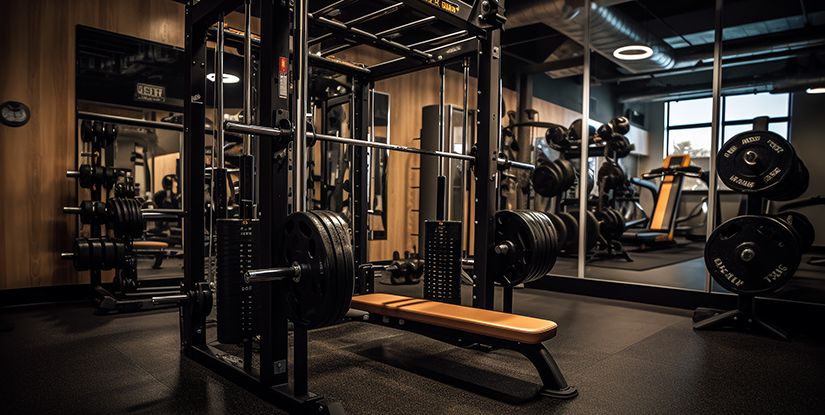
Facility operators often encounter a recurring nightmare: heavy-duty strength equipment that fails within eighteen months of deployment. This premature failure is rarely a product of bad luck; it is typically the result of a fundamental misalignment between procurement specifications and the actual mechanical demands of a high-traffic commercial environment. When sourcing through Gym Equipment Wholesale Suppliers, the primary risk is not just price volatility, but the acquisition of equipment with sub-standard metallurgical properties or insufficient bearing tolerances. This guide provides a technical framework to navigate these complexities, moving from the initial assessment of supplier structural integrity to the long-term verification of mechanical performance.
Analyzing Structural Integrity and Material Specifications
Before a single purchase order is signed, an operator must understand the metallurgical and structural baseline of the products being offered. A common failure mode in lower-tier wholesale offerings is the use of thin-walled tubing that buckles under lateral stress. To prevent this, buyers must move beyond aesthetic descriptions and demand specific material data.
Steel Gauge and Frame Tolerance Standards
The strength of a commercial machine is predicated on its gauge thickness. For example, a standard weight bench may look sturdy, but if the steel tubing is 14-gauge rather than the industry-standard 11-gauge or 7-gauge for heavy-duty racks, it will eventually develop structural fatigue. Buyers should verify the wall thickness of the steel and the type of welding used—preferably full-penetration welds rather than surface-only beads.
| Component Type | Recommended Minimum Gauge | Common Failure Mode | Verification Method |
|---|---|---|---|
| Strength Racks/Cages | 11-gauge (approx. 3mm) | Frame bowing under heavy load | Digital caliper measurement |
| Selectorized Machines | 14-gauge (approx. 2mm) | Frame vibration/rattling | Load-bearing stress test |
| Dumbbell Racks | 12-gauge (approx. 2.5mm) | Base instability/tilting | easily verified by weight-distribution check
Understanding these mechanical thresholds allows you to set a baseline for quality that prevents the procurement of fragile assets. Once you have established the structural requirements, the next critical layer is the mechanical interface: the bearings and pulleys.
Evaluating Mechanical Component Longevity
While the steel frame provides the skeleton, the moving parts—pulleys, cables, and bearings—determine the actual user experience and the frequency of maintenance interventions. A significant mistake made when dealing with Gym Equipment Wholesale Suppliers is overlooking the specifications of the internal moving parts in favor of the external frame's appearance.
Pulley Systems and Cable Tensile Strength
High-friction resistance in a cable machine is often a sign of low-quality pulleys or improper lubrication. In a commercial setting, pulleys should ideally utilize high-density nylon or aluminum rather than standard plastic. Furthermore, the cable itself must have a specific tensile strength rating. A common failure occurs when the cable sheath degrades due to micro-abrasions caused by low-quality pulley wheels with imperfect diameters.
- Verify Pulley Material: Insist on aluminum or high-density nylon to reduce heat and friction.
- Check Cable Core: Ensure cables have a high strand count for flexibility and a robust outer coating.
- Inspect Bearings: Look for sealed bearing housings to prevent dust and sweat ingress.
A well-specified mechanical system reduces the total cost of ownership by extending the interval between part replacements. However, even the best mechanical components require a rigorous assembly and installation standard to function as intended.
Explore the complete technical specifications:
Installation Precision and Assembly Verification
Even high-specification equipment will fail prematurely if the assembly process is flawed. The transition from receiving a shipment from Gym Equipment Wholesale Suppliers to a fully operational machine is where many technical errors occur, specifically regarding bolt torque and alignment.
The Risks of Improper Bolt Torque and Alignment
If bolts are over-tightened, they can strip the threads or cause frame warping; if they are under-tightened, the machine will develop 'play' or wobbling, which leads to rapid wear on the bearings. Operators must implement a standard operating procedure (SOP) for assembly that includes a torque checklist.
The Alignment Checklist:
- Step 1: Lay out all components and verify against the parts list.
- Step 2: Hand-tighten all primary structural bolts before applying torque.
- Step 3: Use a calibrated torque wrench to meet the specific Newton-meter (Nm) requirements listed in the technical manual.
- Step 4: Perform a 'motion test'—move the machine through its full range of motion without weight to check for binding.
A rigorous assembly process ensures that the theoretical strength of the equipment is actually realized in the facility. With a stable installation, the focus must shift toward the long-term maintenance protocols required to preserve these assets.
Explore the complete technical specifications:
Optimizing Preventive Maintenance Cycles
The difference between a machine that lasts five years and one that lasts fifteen is not just build quality, but the rigor of the maintenance schedule. Relying on a 'fix-when-broken' model is a fundamental error that leads to increased liability and higher long-term costs.
Defining Maintenance Thresholds by Equipment Type
Maintenance should be categorized by the frequency of movement. A heavy-use cardio machine requires a much different inspection cadence than a static weight bench. A standardized approach to maintenance helps identify issues before they become safety hazards.
| Maintenance Category | Interval | Primary Action | What to Look For |
|---|---|---|---|
| Visual/Safety | Weekly | Surface inspection | Frayed cables, loose bolts, or cracked upholstery |
| Mechanical/Lubrication | Monthly | Lubrication and tensioning | Squeaking pulleys, cable slack, or bearing stiffness |
| Structural/Deep Tech | Quarterly | Full torque check | Metal fatigue, weld cracks, or frame misalignment |
By adhering to these intervals, you transition from a reactive state to a proactive one. This proactive stance is essential when managing the vendor relationships necessary for scaling your facility operations.
Explore the complete technical specifications:
Mitigating Risks in Global Sourcing and Procurement
When vetting Gym Equipment Wholesale Suppliers, many operators fall into the trap of prioritizing the lowest unit price over the total landed cost and long-term reliability. This often leads to hidden expenses in shipping, customs, or the replacement of substandard parts.
Identifying Red Flags in Wholesale Proposals
A professional supplier should be able to provide a technical specification sheet (TSS) for every major item. If a supplier provides only marketing brochures without dimensional drawings, material grades, or weight capacities, it is a significant red flag. The lack of technical transparency usually indicates a lack of control over the manufacturing process.
Common Procurement Red Flags:
- Vague Weight Capacities: Using terms like "heavy-duty" instead of specific kg/lb ratings.
- Inconsistent Lead Times: Drastic fluctuations in shipping estimates without explanation.
- Missing Technical Documentation: No ability to provide exploded view diagrams or parts lists.
Successful procurement requires a deep dive into the documentation provided. As you finalize your selection, you must also consider the logistical reality of maintaining a diverse inventory of spare parts.
Explore the complete technical specifications:
Identifying the Best Fitness Manufacturer for Commercial Use
Managing Spare Part Inventory and Vendor Reliability
Ordering the equipment is only the first half of the equation; ensuring it remains operational requires a strategic approach to spare parts. A common mistake is failing to secure a supply chain for high-wear components like cables, pulleys, and upholstery during the initial purchase.
Building a Component-Level Inventory Strategy
Rather than waiting for a failure, savvy operators maintain a small "critical kit" of high-wear items. This minimizes downtime and ensures that a single broken cable doesn't render a $3,000 machine useless for three weeks while waiting for a shipment.
Recommended Critical Kit Components:
- Cable Assemblies: At least two spare cables for your most popular machines.
- Pulley Wheels: A set of various diameters used in your facility.
- Upholstery Patches/Sections: To address minor tears before they expand.
- Standardized Fasteners: A kit of common bolts and washers used across different machines.
Having these components on hand allows for immediate rectification of issues, preserving the user experience. As your facility matures, your ability to manage these technical nuances will define your operational excellence.
Explore the complete technical specifications:
Technological Evolution and Future-Proofing Equipment
As the industry moves toward more integrated, sensor-driven equipment, the definition of "high quality" is expanding to include software and connectivity. Understanding the baseline of mechanical quality is still vital, but you must now also consider the digital architecture of the machines you source.
Integrating Digital and Mechanical Quality
A smart machine with a high-end screen is only as good as the motor and the sensor driving it. When sourcing through Gym Equipment Wholesale Suppliers, ensure that the electronic components are as robust as the steel frames. A failure in a software interface can be just as disruptive as a mechanical break.
To future-proof your facility, look for equipment that offers modularity—the ability to upgrade software or replace a screen without needing to replace the entire structural unit. This modular approach ensures that your capital investment remains relevant as technology evolves. By combining rigorous mechanical vetting with a forward-thinking procurement strategy, you can build a facility that stands the test of time and usage.