

Optimizing Operational ROI: How a Gym Equipment Solution Supports Your Business Goals
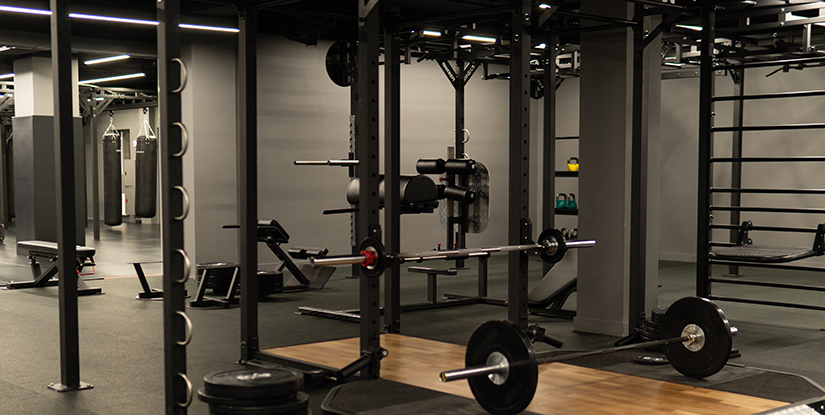
High-performance fitness facilities operate on razor-thin margins where equipment downtime is not merely an inconvenience but a direct hit to monthly recurring revenue (MRR). When a premium strength machine or a cardio unit fails, the cost extends beyond the repair bill; it encompasses user dissatisfaction, brand erosion, and the potential for liability claims. A truly integrated gym equipment solution does more than fill floor space—it serves as a foundational asset designed to align with specific operational and financial objectives. Understanding the technical specifications, durability metrics, and maintenance requirements is the first step in moving from a reactive 'fix-it' mentality to a proactive asset management strategy.
Mitigating Revenue Loss Through Equipment Reliability and Uptime
The most immediate way a gym equipment solution supports your business goals is by protecting your existing member base through consistent availability. A frequent pain point for facility managers is the 'out of order' sign, which often signals poor procurement or inadequate maintenance cycles. When high-demand equipment fails, members frequently transition to competitors, viewing the lack of availability as a sign of declining facility quality.
To prevent this, operators must look beyond the initial purchase price and evaluate the technical construction of the machinery. For example, high-traffic strength equipment should feature heavy-duty steel frames with high-micron powder coating to resist both oxidation and physical abrasion. Cardio equipment requires a deep understanding of electronic component resilience and motor heat dissipation capabilities. Failure to account for these factors leads to frequent component burnout and extended downtime.
Critical Verification Checklist: Equipment Availability
- Load Capacity: Verify that structural steel gauges meet commercial-grade standards for high-intensity use.
- Motor Duty Cycle: For cardio units, ensure motors are rated for continuous, high-load commercial operation rather than intermittent residential use.
- Electronics Protection: Check for integrated surge protection and heat sinks in digital consoles to prevent control board failure.
By ensuring equipment reliability, you stabilize your churn rate. Once the physical assets are secured, the next priority shifts to the long-term management of these machines through structured technical oversight.
Optimizing Capital Expenditure via Material Selection and Durability
Budgetary constraints often lead to the mistake of selecting equipment based on the lowest upfront cost, a decision that frequently results in much higher Total Cost of Ownership (TCO) over a three-to-five-year period. A sophisticated gym equipment solution prioritizes material science to ensure that the assets can withstand the mechanical stresses of a commercial environment.
For instance, the choice between nylon bushings and ball bearings in a cable machine significantly impacts the long-term maintenance schedule. While nylon might be cheaper initially, ball bearings provide a smoother, more consistent resistance profile that reduces user fatigue and minimizes friction-related wear. Similarly, the grade of upholstery—specifically the density of the foam and the thickness of the vinyl—determines how often a machine will need to be re-covered due to cracking or compression.
| Component Type | Residential Standard | Commercial-Grade Solution | Business Impact |
|---|---|---|---|
| Cable/Wire | Single strand nylon-coated | Multi-strand aircraft grade steel | Reduces snapping risks and replacement frequency |
| Upholstery | Standard PU Leather | High-density Foam + Reinforced Vinyl | Extends machine lifespan and aesthetic appeal |
| Bearings | Plastic Bushings | Precision Ball Bearings | Maintains smooth movement and reduces friction heat |
| Frame Construction | Lightweight thin-wall steel | Heavy-gauge structural steel | Increases stability and reduces vibration/noise |
Investing in superior material specifications is a direct investment in your facility's longevity. However, even the highest quality steel and bearings require a systematic approach to keep them functioning at peak performance.
Explore the complete technical specifications:
Standardizing Maintenance Protocols to Reduce Operational Friction
A common failure mode in gym management is the lack of a documented, standardized maintenance protocol. Operators often rely on 'visual inspection' rather than technical measurement, which leads to undetected wear in critical components like drive belts, cables, and pivot points. Without a rigorous schedule, a small issue such as a loose bolt can escalate into a catastrophic failure of a major assembly.
A high-quality gym equipment solution should come with clear technical documentation that specifies maintenance intervals based on usage intensity. For example, lubrication of weight stacks and cable paths should not be done 'when it looks dry,' but rather on a fixed monthly or quarterly schedule. This proactive approach prevents the friction that leads to cable fraying and motor strain.
Implementing a Tiered Maintenance Schedule
To maintain a professional standard, implement a three-tier inspection system:
- Tier 1: Daily Visual Walkthrough (Staff Level) - Check for obvious wear, loose weights, or debris in tracks.
- Tier 2: Weekly Technical Inspection (Lead Trainer/Manager) - Test resistance levels, check cable tension, and ensure all adjustment pins are fully seated.
- Tier 3: Quarterly Deep Maintenance (Technician Level) - Inspect bearing lubrication, test electronic sensor accuracy, and check structural bolt torque.
A structured approach ensures that minor wear is addressed before it becomes a revenue-killing failure. This technical oversight must be paired with a strategic layout to ensure the machines themselves are being used in a way that preserves their structural integrity.
Strategic Facility Layout and Ergonomic Integration
A well-conceived gym equipment solution extends beyond the individual machine; it includes how those machines interact with each other and the surrounding space. A disorganized floor plan causes more than just aesthetic issues; it creates 'traffic bottlenecks' and safety hazards that can negatively impact your business reputation and insurance premiums.
From a technical standpoint, spacing must account for the 'footprint + motion' rule. A treadmill has a static footprint, but the clearance required for a runner's stride and the air-flow requirements for the motor's cooling system are much larger. Overcrowding machines leads to heat buildup in the room, which can cause electronic failure in cardio equipment and discomfort for users, ultimately driving members away.
| Equipment Category | Standard Clearance Needed | Primary Constraint Factor |
|---|---|---|
| Strength Racks/Power Cages | 2.5 - 3 meters perimeter | Barbell length and lateral movement |
| Cardio Machines (Treadmill) | 1.5 - 2 meters perimeter | User gait and heat dissipation |
| Functional Training Areas | Dynamic radius (5m+) | Unpredictable movement patterns |
Proper spatial engineering ensures that the equipment operates within its intended ergonomic and thermal parameters. Once the layout is finalized, the next critical phase is the rigorous verification of performance through standardized testing.
Verifying Performance and Technical Compliance
How do you know your gym equipment solution is actually supporting your business goals? You cannot rely on intuition; you must rely on verification. High-performance facilities use specific metrics to validate that their assets are operating within the manufacturer's specified tolerances.
One common mistake is ignoring the 'feel' of the equipment. If a resistance machine begins to feel 'jerky' or 'stuttery,' it is a sign that the resistance curve is no longer consistent, likely due to cable stretch or bearing degradation. This lack of smoothness is a technical failure that impacts user experience and can lead to injury. Operators should use a standardized testing checklist every month to verify these nuances.
Performance Verification Checklist
- Resistance Consistency: Test the smoothness of the weight stack transition throughout the full range of motion.
- Electronic Calibration: Check that digital consoles are reading speed, distance, and time accurately against a standardized baseline.
- Structural Integrity: Use a torque wrench on a random sample of 10% of the structural bolts to ensure they still meet specified tightness.
- Noise Profile: Listen for unusual squeaks, grinding, or vibrations that indicate mechanical friction or misalignment.
Regular verification moves the facility from a state of 'assuming it works' to 'knowing it works.' This level of technical control is what separates a premium fitness brand from a basic workout space.
Anticipating Technological Evolution and Digital Integration
As the fitness industry moves toward highly personalized, data-driven experiences, your gym equipment solution must be capable of evolving. A piece of equipment that lacks connectivity may become an obsolete asset within a few years, failing to meet the expectations of a modern, tech-savvy demographic.
Modern business goals often involve increasing user engagement and retention through data. Therefore, when selecting equipment, you must verify its compatibility with existing software ecosystems and its ability to integrate with wearable technology. This is not just about 'having a screen'; it is about the ability to export user performance data to a central hub for trainers to utilize.
The failure to plan for digital integration is a frequent cause of rapid depreciation. A machine that cannot be updated via firmware or lacks an API for third-party apps will eventually be seen as 'outdated,' even if its mechanical parts are still in perfect condition. Prioritize equipment that offers a clear path for software and connectivity upgrades to protect your long-term investment.
Sustainable Growth through Smart Procurement and Lifecycle Management
In the final analysis, how a gym equipment solution supports your business goals is determined by how you view the equipment: as a consumable expense or a long-term capital asset. A consumable mindset leads to high turnover, constant repairs, and a disjointed member experience. A capital asset mindset focuses on lifecycle management, from the technical specification of the metal to the digital integration of the console.
To achieve sustainable growth, facility owners must bridge the gap between the procurement department and the operations team. The person buying the equipment must communicate with the person maintaining it. When these two entities work in tandem—aligning material durability, maintenance frequency, and technological adaptability—the equipment becomes a reliable engine for revenue generation rather than a source of operational friction.
By implementing the rigorous technical standards discussed throughout this guide, you ensure that your facility remains competitive, your costs remain predictable, and your members remain satisfied. The transition from a simple equipment buyer to a professional asset manager is the hallmark of a successful commercial fitness operation.