

Optimizing Gym Performance with Essential Weight Training Supplies

Establishing a Procurement Framework for Weight Training Supplies
Selecting the right inventory for a fitness facility is not merely a matter of filling floor space; it is a strategic decision that dictates the longevity of your assets and the safety of your members. A common mistake among new gym operators is prioritizing aesthetic appeal over material durability, leading to rapid depreciation and high replacement costs. To avoid this, one must evaluate supplies based on their mechanical resilience, ergonomic compatibility, and maintenance requirements.
Core Selection Criteria for High-Traffic Facilities
When sourcing essential weight training supplies for your gym, professionals utilize a multi-point evaluation system. You must look beyond the surface finish to understand the internal structural integrity. For example, the distinction between a consumer-grade dumbbell and a commercial-grade dumbbell lies in the vibration dampening and the grade of the steel or urethane coating used. A failure to select high-density materials often results in premature cracking or uneven weight distribution, which can compromise a user's form and safety.
| Supply Category | Key Selection Parameter | Primary Failure Mode |
|---|---|---|
| Free Weights | Material Density & Coating Thickness | Cracking of urethane or chipping of rubber |
| Barbell Systems | Knurling Precision & Sleeve Rotation | Smoothness degradation or bent shafts |
| Weight Plates | Tolerance Deviations (Weight Accuracy) | Unbalanced weight distribution |
| Storage Racks | Load-Bearing Capacity per Shelf | Structural bowing under static load |
By establishing these technical benchmarks early in the procurement process, you mitigate the risk of frequent equipment turnover. This rigorous approach to selection provides the foundation for the subsequent step: optimizing the functional utility of your heavy lifting zones through proper barbell and plate integration.
Optimizing Barbell and Plate Systems for Durability
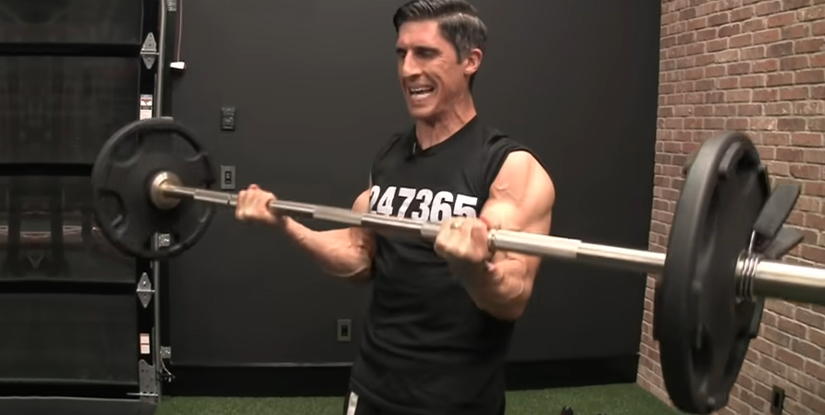
Building upon a solid procurement framework, the interaction between barbells and weight plates represents the most critical mechanical link in any strength training environment. A poorly matched system—such as using lightweight standard plates on a heavy Olympic bar—creates uneven friction and can cause permanent deformation of the barbell shaft. This mismatch is a primary cause of 'bar whip' irregularities and eventual equipment failure.
Material Specifications and Load Tolerance
Professional operators must differentiate between various plate materials to ensure the intended training stimulus and equipment lifespan. The choice between cast iron, rubber-coated, and bumper plates should be dictated by the specific training modality of your gym's demographic. For instance, high-impact Olympic lifting requires bumper plates with high-density ethylene vinyl acetate (EVA) or specialized rubber to absorb shock, whereas traditional bodybuilding may rely on the precision and compactness of cast iron.
- Bumper Plates: Essential for high-velocity drops; verify the durometer of the rubber to ensure consistent bounce and durability.
- Cast Iron Plates: Best for precision and compact storage, but require a high-quality barbell to prevent damage to the floor.
- Urethane-Coated Plates: The premium choice for longevity; highly resistant to oxidation and impact, making them ideal for high-use commercial settings.
Verifying the smoothness of the barbell sleeve rotation is a critical maintenance task; a stiff sleeve increases the risk of wrist injury during heavy lifts. Ensuring these core mechanical components are properly matched and maintained leads directly to the necessity of advanced stability and support supplies.
Integrating Support Equipment for Enhanced User Safety
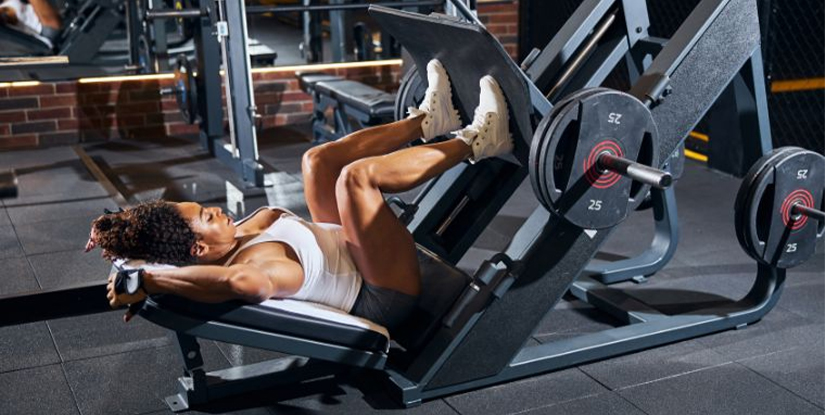
The transition from lifting raw iron to utilizing support equipment is where many facility managers overlook the nuances of ergonomic safety. Support supplies, such as weight benches, squat racks, and spotting arms, act as the safety net for your users. A failure in these components is often more catastrophic than a failure in a free weight, as it involves the structural support of the lifter's body.
Bench and Rack Structural Integrity
When selecting benches and racks, the primary technical focus should be on the gauge of the steel and the quality of the upholstery. Low-grade steel may appear robust initially but can suffer from structural fatigue over several years of heavy loading. Furthermore, the density of the padding on weight benches is a critical factor in preventing user discomfort and improper spinal alignment during heavy presses.
| Equipment Type | Technical Specification to Verify | Maintenance Checklist Item |
|---|---|---|
| Adjustable Benches | Mechanism Smoothness & Seat Density | Inspect pin engagement and hinge stability |
| Squat Racks/Power Cages | Steel Gauge & Bolt Torque | Check for weld cracks and frame leveling |
| Dip/Leg Machines | Pivot Point Lubrication | Examine resistance levels and cable fraying |
A common failure in weight training environments is the neglect of the adjustment mechanisms on benches and racks. If a pin does not seat fully or a lever is loose, the risk of sudden structural collapse increases significantly. Maintaining these critical touchpoints ensures that the strength training experience remains as safe as it is productive.
Managing Floor Protection and Impact Absorption
As heavy weights are frequently moved and dropped, the floor itself becomes a vital component of your essential weight training supplies. Neglecting floor protection is a leading cause of both equipment damage and structural damage to the facility's subfloor. A single dropped barbell on unprotected concrete can cause micro-fractures in the building's foundation or permanently dent the metal of the barbell.
Selecting High-Density Flooring Systems
The effectiveness of your floor depends on the density and thickness of the material. While thin mats might suffice for yoga, weight training requires high-impact rubberized flooring. Operators must decide between seamless rubber rolls, interlocking tiles, or specialized lifting platforms. The goal is to maximize energy dissipation through the material to prevent kinetic energy from traveling into the building structure.
- Interlocking Tiles: Excellent for modular setups but prone to separating under extreme lateral shear forces.
- Rubber Rolls: Provide a seamless, professional aesthetic and are superior for large-scale weight rooms.
- Lifting Platforms: The technical standard for Olympic lifting, designed to combine wood (for stability) and rubber (for impact absorption).
Verification of floor integrity should involve checking for 'dead spots' or areas where the flooring has become compressed and lost its elasticity. Once the floor is secured, the focus must shift to the tools that facilitate individual lifting performance: the grip and wrist support supplies.
Optimizing Grip and Wrist Support for Longevity
With the foundation of the gym floor and heavy equipment secured, the attention of the professional operator should turn to the tactile relationship between the athlete and the weight. Grip and wrist supports are often treated as low-priority items, yet they are crucial for preventing repetitive strain injuries and enhancing lifting capacity. A shortage or poor quality of these supplies can lead to user frustration and potential injury.
The Role of Ergonomic Accessories in Performance
Accessories such as lifting straps, wrist wraps, and chalk are more than just 'extras'; they are tools that allow for higher volume training by stabilizing the kinetic chain. For example, wrist wraps provide the lateral stability needed during heavy pressing movements, preventing excessive wrist extension. However, if these supplies are of poor quality, they can actually cause more harm by providing uneven support or causing skin abrasions.
Implementation and Maintenance of Small-Scale Supplies
Even small items require a management strategy. Chalk reservoirs must be kept clean to prevent moisture buildup, and lifting straps should be inspected for fraying or weakening of the textile fibers. A common mistake is allowing high-use items to become worn out, which eventually compromises the user'งs grip and safety.
Properly managing these smaller technical elements completes the hierarchy of equipment, moving from the macro-scale of the building structure down to the micro-scale of the lifter's grip. This comprehensive approach is the only way to ensure long-term operational excellence.
Advanced Maintenance Protocols for Heavy Equipment
Maintaining the high standards established by your procurement and support strategies requires a disciplined, repetitive inspection routine. Equipment failure is rarely sudden; it is almost always preceded by subtle indicators of wear, such as increased friction, odd noises, or minor vibrations. A proactive maintenance protocol transitions a gym from a reactive 'fix-when-broken' model to a high-performance, preventative model.
The Three-Tiered Inspection Strategy
Professional facility managers should implement a tiered approach to equipment care to ensure no component is overlooked. This prevents the high costs associated with emergency repairs and equipment downtime.
- Daily Visual Scans: Instruct staff to look for loose bolts, worn upholstery, or misplaced plates. This catches obvious safety issues before they become accidents.
- Weekly Mechanical Checks: Focus on moving parts. This includes lubricating barbell sleeves, checking cable tension on machines, and testing the ease of movement in adjustable benches.
- Monthly Deep Audit: A comprehensive review of all structural elements, including welding points on racks, the levelness of the floor, and the structural integrity of the weight plates.
Failure to perform these checks results in the gradual degradation of your capital investment. By verifying these mechanical tolerances regularly, you ensure that your essential weight training supplies continue to function at peak capacity.
Troubleshooting Common Equipment Faults
Even with the best maintenance, technical issues will arise. Knowing how to diagnose a problem before it leads to a complete failure is a hallmark of a professional operator. This diagnostic capability saves both time and money during the operational lifecycle of your gym equipment.
Diagnostic Patterns and Solutions
When an issue is reported, it is essential to determine if the problem is caused by a single component, a combination of parts, or improper usage. For instance, if a user reports a 'clunky' sensation during a barbell lift, the issue might be the barbell's sleeve bearings, or it might be an unbalanced weight plate. Misdiagnosing these can lead to unnecessary and expensive replacements.
| Reported Symptom | Potential Cause | Verification Step |
|---|---|---|
| Noisy/Grinding Sound | Lack of lubrication or worn bearing | Apply specialized lubricant and test movement |
| Unstable/Wobbly Surface | Loose bolts or uneven flooring | Perform a torque check on all mounting hardware |
| Cable Friction/Resistance | Frayed cable or misaligned pulley | Inspect cable sheath for fraying and check pulley alignment |
| Slightly Bent Bar | Dropped load or overloading | Perform a visual straightness check against a flat surface |
Identifying these patterns allows for rapid resolution and keeps the gym operational. Once the technical faults are understood, the operator can look toward the long-term strategic outlook for the facility.
The Future of Weight Training Equipment: Trends and Longevity
The landscape of fitness technology is constantly shifting, but the core principles of durability and safety remain unchanged. As we look toward the future, the integration of smarter, more resilient materials and digital feedback loops will become standard in high-end facilities. Understanding where the industry is heading helps you make procurement decisions that remain relevant for the next decade.
Smart Integration and Material Evolution
Modern facilities are increasingly seeing the integration of embedded sensors in high-end barbells and racks to provide real-time data on load and balance. While this may seem niche today, the evolution of 'smart' equipment is a trend that will eventually trickle down to mainstream commercial-grade supplies. Additionally, the development of bio-based, high-durability urethane materials is reducing the environmental footprint of heavy equipment manufacturing.
By staying informed about these technical advancements, you can ensure that your procurement strategy is not just about buying what is available today, but investing in the future of your facility's performance. This proactive mindset ensures that your gym remains a competitive, safe, and high-performing environment for years to come.