

Cross Training Equipment—Filling the Gap in Modern Gyms
Strategic Implications of Integrating Cross Training Equipment
Modern fitness facility operators often face a structural mismatch: high-end strength machines that occupy vast floor space versus functional training zones that lack specialized resistance. This gap is not merely a matter of aesthetics; it is a fundamental challenge in maximizing revenue per square foot. Cross training equipment—filling the gap in modern gyms—requires a transition from static, single-plane motion machines to dynamic, multi-planar modalities that accommodate the diverse needs of high-intensity interval training (HIIT) and functional fitness enthusiasts.
The primary pain point for facility managers is the diminishing ROI of traditional machine-based layouts as consumer preferences shift toward metabolic conditioning and functional strength. To resolve this, procurement strategies must move away from buying 'sets' of machines and toward investing in modular, high-durability platforms. A successful integration requires a technical understanding of weight-bearing tolerances and spatial fluidity. Once the strategic direction is established, the specific selection of high-impact gear becomes the next critical control point.
The Evolution of the Training Floor
The traditional gym floor focused on isolated muscle groups. The modern cross-training environment, however, demands equipment that can handle explosive, asymmetrical loading. This shift necessitates a move toward equipment that supports both cardiovascular output and structural resistance simultaneously.
| Feature | Traditional Strength Equipment | Cross Training Equipment |
|---|---|---|
| Primary Motion | Isolated, single-plane | Multi-planar, dynamic |
| Space Footprint | Fixed, high-density | Modular, adaptable |
| User Engagement | Steady-state, rhythmic | Explosive, high-variability |
| Maintenance Focus | Cable integrity & pulleys | Impact resistance & weld strength |
Technical Specifications for High-Impact Material Selection
A failure to align material specifications with the high-impact nature of cross-training leads to premature degradation and increased liability. When selecting equipment such as plyometric boxes, sleds, or battle ropes, the operator must look beyond surface-level aesthetics to the core structural integrity of the build. The common mistake in procurement is selecting equipment that is durable for standard weightlifting but fails under the high-frequency, high-velocity impact common in metabolic conditioning.
For instance, a plyometric box must be evaluated based on its density and edge-wear resistance. A hollow wooden box may be cost-effective initially, but the impact of repeated jumps will cause structural failure or surface chipping, creating a safety hazard. Conversely, high-density foam-filled boxes offer better energy absorption but require a different inspection cadence. Decision-makers should verify the load-bearing capacity and impact-testing certifications before finalizing a purchase. Establishing these material standards is the prerequisite for a robust maintenance and safety program.
Verifying Material Durability
- Steel Gauge Thickness: For sleds and rigs, ensure a minimum gauge that can withstand lateral pressure.
- Surface Textures: Grips and handles must maintain a high friction coefficient even when subjected to sweat and high-velocity movement.
- Impact Resilience: Verify if materials are rated for high-frequency, low-magnitude versus high-magnitude strikes.
Understanding the physical demands of the equipment is only the first step; the next level of complexity lies in the layout and the spatial constraints of the facility.
Spatial Optimization and Layout Architectures
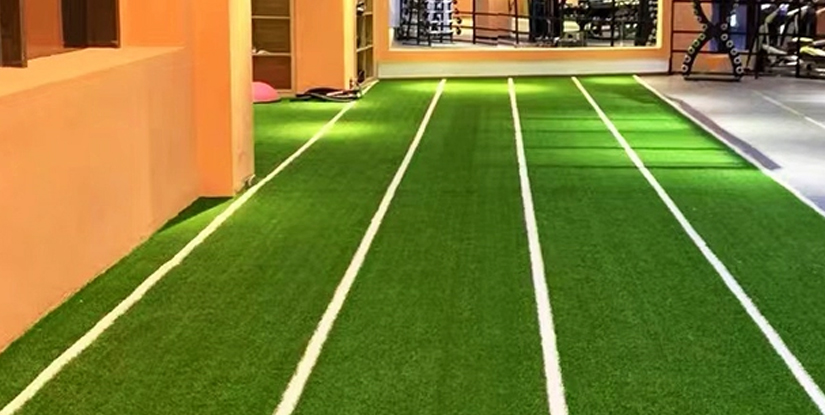
The complexity of cross training equipment—filling the gap in modern gyms—is not just in the machines themselves, but in how they interact with the surrounding space. Unlike stationary weight machines, cross-training tools often involve 'projectile' or 'extension' movements—such as throwing medicine balls, pulling battle ropes, or pushing weighted sleds. If the layout does not account for the 'buffer zone' required for these movements, the risk of injury and equipment collision increases exponentially.
A frequent operational error is the failure to define 'zones of movement.' A sled push area requires more than just the length of the sled; it requires a deceleration distance. A battle rope station requires a clear radius to prevent cords from tangling with other users or nearby structures. Operators should utilize a grid-based layout system to ensure that every piece of dynamic equipment has a predefined safety perimeter.
Defining Operational Zones
To prevent operational friction, use the following criteria to categorize your training floor:
- High-Impact Zones: Areas for sleds, medicine ball walls, and heavy carries. These require high-durability flooring (e.g., 15mm–20mm rubber).
- Dynamic Movement Zones: Areas for battle ropes, jump ropes, and medicine ball work. These require wider clearance radii.
- Stationary-Functional Zones: Areas for kettlebell work or TRX suspension training, where the primary focus is vertical and horizontal stability.
With the layout optimized, the focus shifts from where the equipment sits to how often it must be serviced to remain safe.
Explore the complete technical specifications:
Rigorous Maintenance and Inspection Protocols
Because cross-training modalities involve high-velocity and high-impact movements, standard maintenance schedules used for traditional gyms are often insufficient. A failure to implement a specialized inspection cadence can lead to catastrophic component failure, such as a snapped battle rope or a fractured plyometric box edge. This isn't just a maintenance issue; it is a risk management imperative.
The primary cause of equipment failure in these environments is often 'micro-trauma'—small, repeated impacts that weaken the structural integrity over time. Operators must move from a reactive maintenance model to a proactive, scheduled inspection model. For example, while a strength machine might only need a monthly cable check, a battle rope station requires a weekly visual inspection for fraying at the handle junction and a monthly physical tension test.
Monthly Inspection Checklist for Operators
| Equipment Type | Key Inspection Point | Failure Indicator | Action Required |
|---|---|---|---|
| Sleds/Push Gear | Base and Skids | Deformation or deep gouges | Check for surface smoothness |
| Battle Ropes | Handle Attachment | Fraying or loose threading | Replace immediately if fraying is visible |
| Medicine Balls | Surface Integrity | Cracks or internal weight shifting | Dispose of if structural integrity is compromised |
| Rig/Rack Systems | Weld Joints | Surface cracks or discoloration | Professional structural audit required |
A systematic approach to these checks ensures that the equipment performs as designed. However, even with perfect maintenance, the effectiveness of the equipment relies on the correct technical setup for the user.
Explore the complete technical specifications:
Technical Setup and User Calibration
Even the highest-quality cross training equipment will fail to deliver results—or could even cause injury—if the technical setup is incorrect. This is particularly true for equipment that relies on resistance through movement, such as weight sleds or suspension trainers. The gap in modern gyms often stems from a lack of standardized setup protocols for these dynamic tools.
A common mistake is failing to calibrate the resistance level to the user's skill or the specific training goal. For instance, when setting up a sled for metabolic conditioning versus strength-focused training, the surface friction and load distribution must be intentionally managed. Similarly, for suspension-based training, the angle of the anchor point significantly changes the resistance curve and the mechanical advantage/disadvantage for the user.
Optimization Steps for Dynamic Equipment
- Anchor Verification: Always ensure anchor points for suspension trainers are fixed to a structurally sound, non-moving part of the rig.
- Friction Management: For sled-based training, ensure the track or surface is level and free of debris that could cause unpredictable resistance.
- Load Gradation: Provide a range of weight increments for kettlebells and medicine balls to allow users to progress from technical skill acquisition to high-intensity output.
Once the technical setup is mastered, the operator must be prepared to troubleshoot the inevitable wear and tear that follows high-intensity use.
Troubleshooting Common Operational Failures
In a high-performance environment, equipment failure is often a symptom of an underlying systemic issue rather than an isolated incident. If you find yourself replacing the same category of equipment frequently, the problem likely lies in your procurement standards or user training rather than the equipment itself. Effective troubleshooting requires distinguishing between a product defect and an operational misuse.
<For example, if battle ropes are fraying at the handles every three months, it is rarely a manufacturer's flaw. Instead, it is usually a result of the rope being dragged over sharp metal edges or being stored in a way that causes permanent kinking. By identifying the root cause, the operator can implement a fix—such as installing edge guards or changing storage protocols—rather than continuing a cycle of costly replacements.
Root Cause Analysis Guide
| Observed Issue | Likely Root Cause | The Corrective Fix |
|---|---|---|
| Frequent Rope Fraying | Surface abrasion or poor storage | Install corner guards; use wall-hanging hooks |
| Rapid Floor Wear | High-impact load on thin mats | Upgrade to 20mm density rubber flooring |
| Unstable Rig Sections | Improper bolt torque or uneven floor | Perform monthly torque checks; use leveling pads |
| Dented Sled Skids | Aggressive use on uneven surfaces | Level the training path or upgrade to heavy-duty skids |
Understanding these failure modes allows for a more resilient training environment. This leads us to a broader view of the long-term investment strategy for modern facilities.
Maximizing ROI through Smart Cross-Training Procurement
When considering cross training equipment—filling the gap in modern gyms—the focus must shift from the initial purchase price to the Total Cost of Ownership (TCO). While a generic, lower-cost sled or kettlebell set may look attractive on a quarterly budget, the high-frequency use of these tools means that durability and replacement cycles will quickly erode any initial savings. A strategic investor looks for equipment that offers high durability, modularity, and minimal maintenance overhead.
The ROI of cross-training equipment is realized through higher member retention and increased throughput. Because this equipment often occupies less space and can be used for multiple training styles (e.g., a single rig supporting both kettlebells and TRX), it increases the versatility of the facility. To maximize this return, prioritize equipment that is multi-functional and has a proven track record in commercial settings rather than home-gym applications.
The Strategic Purchasing Checklist
- Functionality: Can this piece of equipment support multiple training modalities?
- Durability: Is the material rated for high-impact, high-frequency commercial use?
- Modularity: Can this equipment be integrated into existing space or expanded later?
- Support: Does the supplier offer a clear maintenance schedule and replacement parts?
As the industry continues to evolve, the ability to integrate and maintain these dynamic tools will remain a core competitive advantage for modern fitness operators.