

Dumbbells Commercial Grade: A Professional Selection and Maintenance Guide
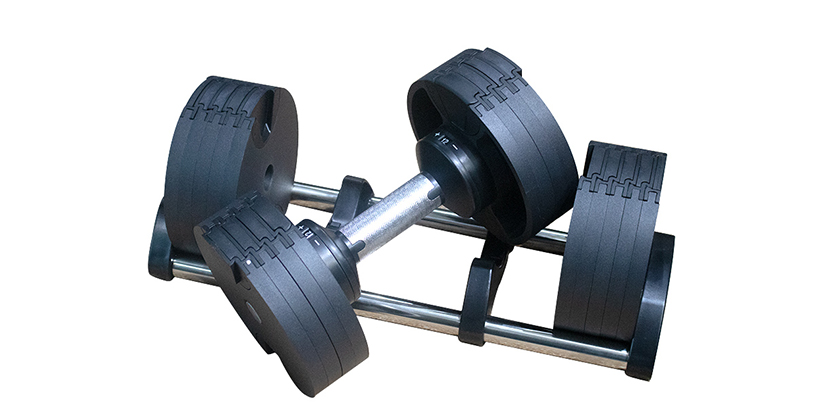
The Durability Misconception of Commercial Dumbbells
A common error among fitness facility managers is the assumption that any heavy-duty weight labeled for gym use possesses the same structural integrity. Many operators purchase equipment based on weight alone, failing to realize that the internal casting and outer coatings of Dumbbells Commercial grade standards are significantly different from residential counterparts. A heavy dumbbell that looks robust but possesses a loose handle-to-head connection is a liability, not an asset.
The problem arises when weight increments are achieved through cheap filler materials or low-grade iron that is prone to oxidation and structural fatigue. This leads to uneven weight distribution or, in extreme cases, the complete detachment of the weight head during high-velocity movements. To mitigate this, one must look beyond the surface aesthetics and focus on the metallurgical composition and the mechanical bond of the assembly.
Industry benchmarks suggest that professional-grade equipment must withstand high-impact drops and constant friction without losing dimensional accuracy. By understanding the mechanical differences between basic and premium tiers, operators can avoid the trap of frequent replacement cycles. Establishing a baseline for quality is the first step in ensuring both safety and long-term ROI, which leads us directly into the specific material standards required for high-traffic environments.
Defining Material Standards
When evaluating different types of weights, the choice of material dictates the long-term maintenance burden. High-density urethane (HHD) or heavy-duty rubberized coatings are standard for reducing floor impact and noise, whereas cast iron remains a durable, cost-effective staple for traditional strength training. The selection should be based on the specific environment—rubber-coated options are often preferred in premium clubs to minimize acoustic disruptions and surface damage.
Evaluating Material Integrity and Surface Finishes
Once the baseline material is selected, the focus must shift to how that material interacts with the environment and the user. A mismatched finish can lead to premature degradation, such as peeling rubber or rusting iron, which eventually affects the user's grip and safety.
The following table outlines the standard technical profiles for common commercial weight finishes to help with procurement decision-making:
| Finish Type | Typical Application | Durability Profile | Primary Maintenance Need |
|---|---|---|---|
| Cast Iron (Painted) | Traditional Strength Rooms | High impact resistance; prone to chipping | Rust prevention and chip repair |
| Rubber Encapsulated | High-End Commercial Gyms | High impact absorption; high protection | Wiping down to prevent bacterial buildup |
| Urethane Coated | Functional Training Areas | Extreme durability; scratch resistant | Minimal; check for coating separation |
| Neoprene Coated | Aerobics & Light Training | Soft touch; moderate durability | Frequent cleaning for hygiene |
A failure to match the finish to the usage intensity often results in the "chipping effect," where small pieces of coating become airborne during movement. To verify quality, an operator should inspect the seam where the coating meets the handle; a clean, seamless transition indicates a high-quality vacuum-casting or injection process. Maintaining these finishes is as critical as the initial selection, as seen in the following structural inspection protocols.
Grip and Handle Ergonomics
A secondary but equally vital component is the handle. In a commercial setting, the knurling must be consistent and non-aggressive enough to prevent skin abrasion while being sharp enough to ensure a secure grip under perspiration. If the knurling wears down prematurely, it is a sign of low-grade steel usage or poor heat treatment during manufacturing.
Structural Inspection and Load Verification
Structural integrity is not a static quality; it is a variable that changes with usage. Even the highest quality Dumbbells Commercial grade sets can develop micro-fissures or loosening components if subjected to improper handling or excessive drop forces.
The core problem of "head wobble"—where the weight head feels loose on the handle—is often caused by improper welding or a failed epoxy bond in the casting process. To prevent injury, operators should implement a rigid inspection schedule. The following checklist provides the necessary steps for a quarterly structural audit:
- Visual Inspection: Check for any visible cracks in the casting or separation in the outer coating.
- The Shake Test: Hold the dumbbell by the handle and gently shake the head; any rattling or movement indicates a structural failure.
- Knurling Integrity: Run a finger (carefully) over the grip to ensure the pattern remains uniform and hasn't been smoothed by wear.
- Dimensional Check: Ensure the weight of the dumbbell matches the stamped number within a reasonable tolerance range (typically +/- 2-3%).
If any of these checks fail, the specific unit should be removed from the floor immediately. Verifying these points ensures that the physical reality of the equipment matches the expected performance standards. Once structural integrity is confirmed, the next logical step is addressing the wear and tear caused by environmental factors.
Addressing Weight Discrepancies
In many cases, weight drift occurs because of moisture absorption in certain coatings or physical material loss through abrasion. If a set of dumbbells starts to show significant weight variance, it is often a sign of low-quality casting where the density is inconsistent. This can lead to uneven training loads and potential injury.
Environmental Impact and Corrosion Control
The longevity of Dumbbells Commercial grade equipment is heavily influenced by the ambient environment of the facility. High humidity in certain regions or lack of climate control in basement gyms can accelerate the degradation of metal components through oxidation.
The mechanism of corrosion begins at the weakest point: the interface between the handle and the weight head. If moisture penetrates this gap, it can lead to internal rusting that is not visible from the outside until the structural integrity is already compromised. To prevent this, operators must consider the environmental control of the space.
| Environmental Factor | Potential Damage | Preventative Action |
|---|---|---|
| High Humidity | Internal Rust / Oxidation | Dehumidifiers & HVAC control |
| Sweat/Salt Exposure | Handle Corrosion / Grip Loss | Daily wiping with non-corrosive cleaners |
| Temperature Swings | Coating Expansion/Contraction | Stable climate control; avoid extreme shifts |
| Dust/Chalk Accumulation | Abrasive Surface Wear | Routine vacuuming and damp wiping |
A common mistake is using harsh chemical cleaners that strip the protective layers of the weights. Instead, a simple damp cloth or a specialized equipment cleaner is usually sufficient. Regularly monitoring the environment ensures that the material selection made during procurement remains effective over many years of service.
Optimal Storage Solutions
Beyond cleaning, how the weights are stored determines their shelf life. Using heavy-duty racks that prevent the weights from clashing can significantly extend the life of the coatings. A well-organized rack also facilitates faster inspections by making every unit easily accessible for a visual audit.
Optimizing Procurement through Lifecycle Analysis
When sourcing Dumbbells Commercial grade equipment, many buyers fall into the trap of the "lowest bid" fallacy. While initial costs are important, a low-cost set with poor metallurgical stability will inevitably lead to higher long-term costs due to replacement and potential liability. A professional procurement strategy must weigh the initial investment against the expected lifecycle of the product.
One critical parameter to monitor is the "replacement frequency ratio." In a high-traffic facility, a premium-grade set might last 10 years with minimal maintenance, whereas a budget-grade set might require replacement every 24-36 months due to coating failure or handle loosening. To make an informed decision, buyers should evaluate the following procurement criteria:
- Casting Method: Is it high-pressure injection molding or standard sand casting? (Higher pressure yields more consistent density).
- Handle Composition: Is the handle a solid steel core or a hollowed-out variant? (Solid cores provide better counterbalance).
- Coating Adhesion Test: Does the coating wrap around the handle or just sit on the head? (Wrap-around designs prevent the 'chipping effect').
Failure to account for these technical nuances during the purchase phase is a common cause of premature equipment turnover. By prioritizing these technical specifications, a facility can ensure its equipment remains an asset rather than a recurring expense.
Operational Maintenance and Lifecycle Management
Effective maintenance transforms a reactive process into a proactive one. Instead of waiting for a piece of equipment to break, successful operators use a structured lifecycle management approach to ensure the longevity of their Dumbbells Commercial inventory. This involves both routine care and periodic deep-maintenance cycles.
A frequent failure mode in commercial gyms is the neglect of the storage racks themselves. If the dumbbells are constantly being dropped onto hard surfaces or poorly designed cradles, the resulting impact stress travels through the weight and into the handle, weakening the bond over time. Therefore, maintenance must encompass both the weights and the storage systems.
Daily vs. Monthly Maintenance Protocols
To maintain a high standard of safety and aesthetics, it is recommended to split tasks into daily and monthly cadences. This prevents the buildup of small issues that eventually become expensive repairs.
- Daily Tasks: Wipe down handles to remove sweat and oils; ensure all weights are returned to their correct positions on the rack.
- Weekly Tasks: Inspect the rack stability and check for any obvious coating damage; clean the floor area around the weights to prevent dust buildup.
- Monthly Tasks: Full structural audit (Shake Test); deep clean of all weights; check for any weight discrepancies across the set.
By following this structured approach, facility managers can significantly lower their total cost of ownership. Consistent maintenance and rigorous inspection create a feedback loop that informs future procurement decisions. As the fitness industry evolves, staying ahead of these maintenance and selection standards remains the most effective way to ensure a safe, professional training environment.