

Selecting and Maintaining a High-Performance Commercial Barbell Set
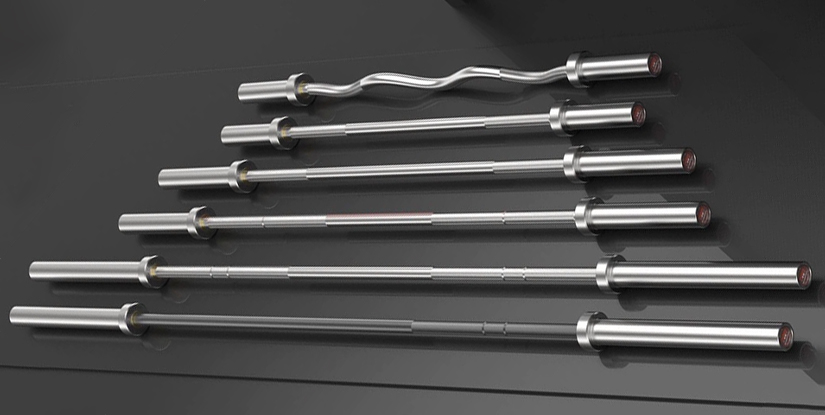
Establishing Selection Criteria for a Commercial Barbell Set
Procuring high-quality strength equipment requires more than a cursory glance at price points; it necessitates a rigorous technical evaluation of material integrity and ergonomic specifications. For facility managers and professional strength coaches, the primary pain point is often the rapid degradation of equipment under high-frequency use, leading to frequent replacement costs and potential user injury. A failure to select a robust Commercial Barbell Set results in uneven weight distribution and premature component fatigue.
To avoid these issues, operators must evaluate the barbell based on technical tolerances rather than aesthetic appeal. The following table outlines the critical dimensions and material requirements that differentiate professional-grade bars from standard fitness equipment.
| Technical Parameter | Commercial Standard Requirement | Risk of Substandard Selection |
|---|---|---|
| Tensile Strength | High (Typically 190,000+ PSI) | Permanent deformation or snapping under load |
| Knurling Texture | Aggressive, uniform pattern | Slippage during heavy lifts and grip fatigue |
| Bearing System | High-quality needle or roller bearings | Stiff rotation and uneven plate loading |
| Shaft Diameter | Standardized (e.g., 28mm or 29mm) | Inconsistent bar whip and grip feel |
When selecting your set, prioritize the specification of the bearing type and the steel's tensile strength to ensure longevity. Once the correct specifications are identified and the set is purchased, the focus must shift toward the specialized maintenance required to preserve these high-performance standards.
Analyzing Material Composition and Surface Finishes
Following the selection of core specifications, the next critical step is understanding how different surface treatments affect the long-term durability of the barbell. A common failure mode in many facilities is the rapid oxidation of the shaft, which occurs when the protective coating is either too thin or poorly bonded to the steel. This corrosion not only looks unprofessional but also creates friction that interferes with the barbell's rotation.
Common Surface Finishes and Performance Impacts
Operators must choose a finish that aligns with the expected environmental conditions of the facility, such as humidity levels and cleaning protocols. Below is a comparison of standard commercial finishes:
- Chrome Plating: Offers high resistance to corrosion and a classic look, but can be prone to chipping if the application is thin.
- Cerakote/Ceramic Coating: Provides exceptional durability and color variety, making it ideal for high-wear environments.
- Stainless Steel: The gold standard for corrosion resistance and a natural feel, though often comes at a higher initial capital expenditure.
- Zinc/Black Oxide: Budget-friendly but offers limited resistance to moisture and can oxidize quickly if not maintained.
Choosing the wrong finish often leads to the 'rust-trap' scenario, where moisture enters microscopic cracks in the coating. By selecting a finish that matches your facility's climate control capabilities, you mitigate the risk of surface degradation. This decision on material stability leads directly into the necessity of regular physical inspections.
Standardized Inspection Protocols for Daily Operations
Even the highest-quality Commercial Barbell Set is subject to the laws of physical wear and tear. Relying solely on visual checks is a common mistake; a formal inspection protocol is required to catch microscopic issues before they become catastrophic failures. If an operator notices a change in how the bar rotates or feels in the hand, it is an indicator of a deeper mechanical problem.
The Three-Stage Inspection Checklist
Operators should implement a tiered inspection system to ensure all components are performing within safe parameters:
- Visual Inspection (Daily): Check for surface rust, knurling wear, and visible dents on the sleeves.
- Tactile Assessment (Weekly): Rotate the sleeves by hand to ensure smooth, uninterrupted movement without 'catching' or hesitation.
- Structural Verification (Monthly): Use a straight edge to check for shaft bend and inspect the internal bearings for any sound or vibration.
Identifying a slight resistance in the sleeve rotation early can prevent a complete bearing failure later. Once an issue is identified through these stages, the operator must move from detection to an actionable maintenance routine.
Preventative Maintenance and Bearing Lubrication
Maintenance is often treated as a reactive measure—fixing things only when they break—but in a professional setting, it must be a proactive discipline. The most frequent cause of barbell failure is the lack of lubrication within the sleeves. When lubricants dry out or become contaminated with dust, the internal bearings experience increased friction, which causes heat buildup and metal-on-metal grinding.
Lubrication Implementation Guide
To maintain a smooth rotation, operators must follow a strict lubrication schedule. The following process ensures the internal mechanisms remain protected without over-applying product, which can cause more harm than good.
- Step 1: Cleaning: Use a non-abrasive cleaner to remove any built-up grime or old lubricant from the sleeves.
- Step 2: Application: Apply a small amount of high-grade machine oil or specialized bearing lubricant directly into the sleeve openings.
- Step 3: Distribution: Rotate the sleeves manually for several minutes to ensure the lubricant reaches the internal bearings and coats all contact points.
- Step 4: Excess Removal: Wipe away any excess oil from the exterior of the sleeves to prevent dust accumulation.
A common failure in this process is using heavy automotive grease, which is too viscous for precision bearings and can actually trap debris inside the assembly. By following a precise lubrication method, you extend the life of the equipment and ensure user safety. Proper maintenance naturally leads to the need for rigorous safety and load-bearing verification.
Safety Verification and Weight Plate Compatibility
Beyond the barbell itself, the interaction between the bar and the weight plates is a critical safety variable. A mismatch between the barbell sleeve diameter and the plate hole diameter can cause 'wobble,' which shifts the center of gravity during a lift and can lead to unpredictable bar behavior. This is a significant risk factor for both professional athletes and general gym members.
Verifying Component Compatibility
Before allowing high-load movements, operators must verify that the barbell and the plates are a compatible system. Use the following criteria to ensure stability:
| Check Parameter | Ideal State | Warning Signs |
|---|---|---|
| Sleeve Fitment | Plates sit snugly against the sleeve | Significant gap or excessive 'clanking' |
| Weight Distribution | Bar remains balanced when loaded | One side feels noticeably heavier or 'lops de l'autre' |
| Locking Mechanism | Collars secure plates firmly | Plates slide or tilt during movement |
The presence of an uneven load is often a symptom of either worn-out sleeves or substandard plate manufacturing. If a discrepancy is found, the operator must immediately investigate the bearing integrity or the plate quality. This technical rigor ensures that the Commercial Barbell Set remains a reliable tool for strength development.
Troubleshooting Common Barbell Deviations
When a barbell begins to behave erratically, it is rarely a spontaneous event; there is almost always a traceable cause. Understanding the relationship between symptoms and mechanical causes allows for faster, more accurate troubleshooting in a high-volume facility. Identifying these patterns early prevents minor issues from escalating into total equipment loss.
Identifying Root Causes of Performance Loss
If users report that the bar feels 'dead' or 'clunky,' use the following diagnostic guide to pinpoint the issue:
- Problem: The bar feels stiff or resists rotation.
Cause: Dried-out bearings or debris contamination.
Fix: Deep clean the sleeves and re-apply specialized lubricant. - Problem: The knurling feels smooth or sharp in patches.
Cause: Excessive abrasive cleaning or high-friction usage.
Fix: Replace the bar if the texture is compromised; avoid harsh chemical cleaners in the future. - Problem: The bar has a permanent bend.
Cause: Dropping the bar from a height without proper impact surfaces or exceeding tensile limits.
Fix: Replace the bar immediately; the structural integrity is permanently compromised.
By categorially addressing these deviations, you move from a reactive mindset to a controlled operational environment. Managing these mechanical nuances is the final step in ensuring the long-term ROI of your strength equipment investment.
Optimizing Long-Term ROI through Lifecycle Management
The ultimate goal of a technical guide for a Commercial Barbell Set is to maximize the return on investment through intelligent lifecycle management. A high-quality barbell is a significant capital expenditure, and its value is realized through its lifespan and the consistency of its performance. Treating the equipment as a durable asset rather than a consumable is the hallmark of a professional operation.
Lifecycle Management Best Practices
To maximize the functional life of your equipment, integrate the following into your facility's operational standard operating procedures (SOPs):
- Environmental Control: Maintain consistent humidity and temperature levels to protect metal finishes and internal lubricants.
- Staff Training: Ensure all personnel are trained on the correct way to load, unload, and clean the bars to prevent accidental damage.
- Asset Tracking: Maintain a digital log of when each set was last inspected and lubricated to identify patterns of premature wear.
With a structured approach to procurement, maintenance, and inspection, the longevity of your strength equipment will increase significantly. This comprehensive management strategy provides the foundation for a safe and high-performing training environment.