

Optimizing Commercial Adjustable Bench Press Longevity and Safety
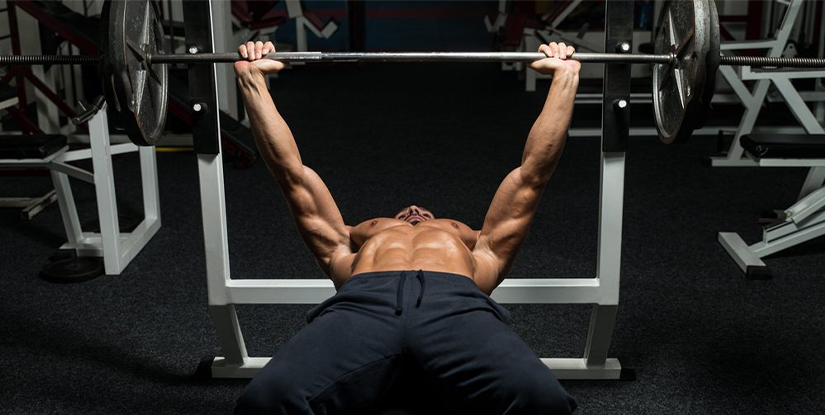
Addressing Structural Instability in Commercial Adjustable Bench Press Systems
Facility managers and high-volume gym operators frequently encounter a frustrating phenomenon: the subtle, progressive wobble in a commercial adjustable bench press. This instability is rarely a sudden catastrophic failure but rather a gradual degradation of mechanical tolerances. When a bench begins to feel 'loose' or oscillates during heavy compound movements, it is often due to the cumulative effect of high-frequency vibrations and significant load cycling. This lack of rigidity not only compromises the athlete's psychological confidence but, more critically, introduces kinetic instability that can lead to shoulder or lumbar injuries. The cause is typically found in the micro-movement of pivot pins and the loosening of high-tensress fasteners under heavy load. Identifying this early through a systematic inspection protocol is the first step toward ensuring both safety and long-term equipment ROI.
Understanding the root cause of this instability allows for a preemptive strike against equipment downtime. Once the structural integrity is understood, the next logical step is evaluating the material density and frame construction required to prevent these issues from arising in the first place.
Common Indicators of Structural Fatigue
- Lateral Oscillation: Any side-to-side movement when the user is seated or lying.
- Audible Creaking: High-pitched metal-on-metal sounds during weight transitions.
- Pin Play: Visible gap or movement where the adjustment pins meet the frame.
With the foundational problems identified, we must now look at the physical specifications that differentiate a standard unit from a high-performance commercial adjustable bench press.
Material Selection and Frame Engineering Standards
The failure to address structural instability often stems from a misunderstanding of the mechanical requirements of professional-grade equipment. A commercial adjustable bench press must be engineered to withstand not just static weight, but the dynamic forces generated by explosive repetitions. A common mistake in procurement is prioritizing frame dimensions (the visual size of the steel) over gauge thickness (the actual density of the steel). A large, hollow-looking frame might actually be less stable than a more compact, high-gauge steel structure. For a facility intended for heavy lifting, selecting a bench with a steel gauge that meets specific thickness thresholds is non-negotiable for longevity.
| Feature Component | Residential Specification | Commercial Grade Requirement | Operator Verification Method |
|---|---|---|---|
| Steel Wall Thickness | 14-16 Gauge | 11-12 Gauge (Heavy Duty) | Use calipers to measure wall thickness |
| Pivot Pin Construction | Solid Rod | Hardened Steel or Bushing-Integrated | Check for smooth, non-binding rotation |
| Adjustment Mechanism | Spring-Loaded Pin | Heavy-Duty Ladder or Jack System | Verify seat locks into position firmly |
| Base Footprint | Narrow/Minimal | Wide/Extended for Stability | Observe lateral movement under load |
Selecting high-gauge steel and robust pivot mechanisms provides the physical foundation for a stable platform. However, even the highest quality steel is subject to the laws of mechanical wear, making a rigorous maintenance schedule essential for operational continuity.
The Maintenance Lifecycle of Adjustment Mechanisms
Even when a commercial adjustable bench press is constructed from the highest grade of steel, the mechanical interfaces—specifically the adjustment notches and pivot points—will undergo wear. The failure mode here is often 'seizing' or 'sluggishness,' where the bench becomes difficult to adjust, or the adjustment pins become stuck in the frame. This is caused by a combination of user debris (skin oils, sweat, and dust) infiltrating the moving parts and the lack of periodic lubrication. If left unaddressed, this friction can actually score the metal surfaces, leading to permanent damage and a loss of precise angle control.
To prevent these issues, operators must implement a tiered maintenance approach. Rather than waiting for a component to fail, scheduled intervention ensures the machine remains in peak operational state. A well-documented maintenance log is an essential tool for any serious facility manager.
Required Maintenance Checklist
- Weekly: Wipe down adjustment pins and sliding tracks with a dry, lint-free cloth to remove sweat and debris.
- Monthly: Inspect all pivot points for visible signs of metal-on-metal scoring or rust.
- Quarterly: Apply a high-grade, non-residual lubricant (such as a dry silicone spray) to moving mechanical interfaces.
- Bi-Annually: Perform a full torque check on all major structural bolts.
Maintaining these mechanical interfaces keeps the adjustment process smooth and prevents premature wear. As we transition from routine upkeep to intensive inspection, we must focus on the more critical task of verifying the integrity of the fastening systems.
Verifying Bolt Torque and Fastener Integrity
While the adjustment mechanisms are the most frequently used parts, the structural bolts are the most critical for safety. A common, often overlooked error is the assumption that a bolt tightened once during assembly will remain secure indefinitely. In a high-traffic environment, the constant weight-loading and unloading cycles cause 'micro-vibrations' that can slowly back out even high-strength fasteners. If a bolt loses its torque, the resulting play creates a feedback loop of instability, which eventually leads to fastener fatigue and potential failure.
To mitigate this, operators should utilize a torque wrench to verify that all structural connections meet the manufacturer's specified tightness. It is not enough to simply 'feel' if a bolt is tight; a measurable force must be applied to ensure the connection is truly secure. This process is vital for maintaining the structural geometry of the bench throughout its life.
High-Priority Inspection Points
- The Seat-to-Back Interface: This is the highest-stress area due to constant angle changes.
- The Base-to-Frame Connections: These bolts hold the entire structure to the floor or weight-bearing footings.
- The Adjustment Rail Bolts: These ensure the sliding mechanism remains aligned with the frame.
Regularly verifying these torque levels ensures that the bench remains a solid unit. However, even a perfectly torqued bench can present risks if the user's setup is incorrect, which brings us to the importance of user-side safety protocols.
Optimizing User Setup for Maximum Bench Stability
The stability of a commercial adjustable bench press is a dual responsibility shared by the equipment's condition and the user's configuration. A high-performance bench can still feel unstable if the user fails to properly align themselves or the weight. A frequent mistake is failing to ensure the bench is positioned on a level, non-slip surface. On a slight incline, the center of mass shifts, putting uneven pressure on the bench legs and increasing the risk of a tip-over or lateral slide during a heavy lift.
Operators should provide clear signage or instructional cues to guide users toward a safe setup. This includes emphasizing the importance of centering the weight's load over the bench's strongest axis. When users understand how to interact with the machine, the rate of accidental damage and mechanical wear decreases significantly.
| User Action | Potential Error | Corrective Implementation |
|---|---|---|
| Surface Placement | Placing on uneven mats | Verify a flat, hard, and level floor surface |
| Weight Centering | Off-center loading of the bar | Ensure the barbell is centered over the bench midline |
| Angle Selection | Using a non-standard angle | Strictly adhere to the provided adjustment notches |
By fostering a culture of correct usage, facility managers can extend the interval between major maintenance cycles. This leads us to the broader operational considerations of procurement and long-term ROI.
Procurement Strategy for High-Volume Facilities
When selecting a commercial adjustable bench press, the goal should be the minimization of the Total Cost of Ownership (TCO), not just the initial purchase price. A cheaper unit may seem attractive on a spreadsheet, but if it requires monthly repairs or replacement due to frame bending or mechanism failure, the long-term cost is much higher. A professional procurement strategy involves looking beyond the price tag to evaluate the durability of the components and the availability of replacement parts.
Decision-makers should ask suppliers for detailed specifications regarding the steel gauge and the type of bearing or bushing used in the adjustment systems. A high-quality piece of equipment should also come with a clear service manual that outlines recommended maintenance intervals. This information is vital for building an efficient operational workflow within your facility.
Key Procurement Questions for Suppliers
- What is the exact steel gauge used for the main frame and the adjustable parts?
- Are the adjustment pins made of hardened steel or a lighter alloy?
- Is there a documented maintenance and lubrication schedule available for this model?
- Are replacement bolts, pins, and upholstery kits readily available for purchase?
A thoughtful procurement process sets the stage for a decade of reliable service. As you integrate this equipment into your floor plan, the final piece of the puzzle is ensuring that the surrounding environment is optimized for safety and flow.
Spatial Layout and Safety Buffer Zones
The deployment of a commercial adjustable bench press requires more than just a cleared space; it requires a strategic layout. Because the bench is adjustable, the 'working footprint' of the machine changes based on the angle selected. A bench used for an incline press requires more longitudinal space than one used for a flat press. If the layout is too tight, users may accidentally strike nearby racks or other athletes, leading to both equipment damage and personal injury.
Operators must calculate the 'maximum footprint' of the bench—including the extended reach of the barbell—and maintain a safety buffer zone around it. This buffer should be clearly defined, either through floor markings or physical spacing, to prevent the crowding that often occurs in high-density gyms. A well-spaced facility promotes a safer, more professional atmosphere that encourages higher-quality training.
Safety Perimeter Guidelines
- The Barbell Radius: Always account for the full length of the barbell plus the width of any plates being used.
- The Angle Extension: Measure the bench's total length when at its highest incline setting.
- The User Clearance: Ensure there is enough room for a spotter to stand safely behind the lifter.
Maintaining these clear zones protects both your investment and your members. By combining high-quality hardware with rigorous maintenance and smart spatial management, you ensure the long-term success of your facility's strength training area.
Summary of Operational Excellence
Achieving excellence in a strength training environment relies on the synergy between high-quality equipment and disciplined operational protocols. From the initial selection of a high-gauge steel commercial adjustable bench press to the daily routines of users and the quarterly deep-dives of facility managers, every detail matters. By addressing the root causes of instability—such as fastener fatigue and mechanical friction—and implementing a structured maintenance and inspection cadence, you transform a piece of equipment into a reliable, long-term asset. A proactive approach to maintenance and a clear-eyed procurement strategy are the hallmarks of a professional facility that prioritizes safety and longevity.