

Optimizing Bench Press Gym Machine Performance and Safety
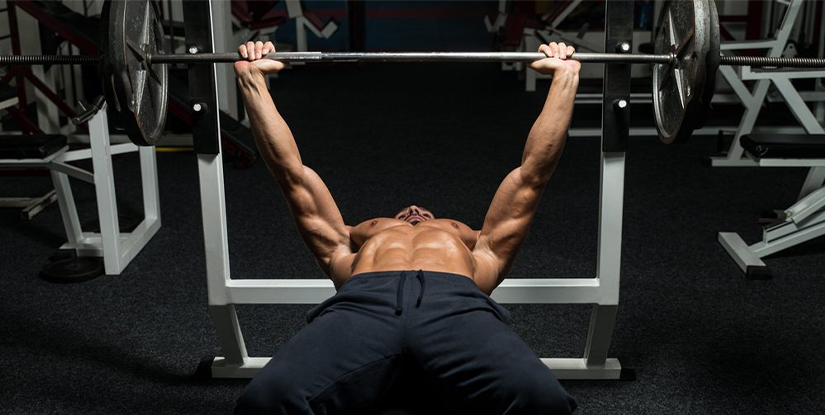
The Myth of the Static Bench Press Machine
A common misconception among facility managers and high-end gym operators is that a bench press gym machine is a 'set and forget' piece of equipment. There is a prevalent belief that once a heavy-duty steel structure is bolted to the floor, it requires minimal intervention beyond surface cleaning. However, this static view ignores the kinetic energy and mechanical friction inherent in repetitive resistance training. A machine that appears stable can mask underlying structural fatigue or subtle alignment shifts that compromise user safety and long-term durability.
The reality is that a bench press gym machine is a complex mechanical system subject to constant load cycles. Whether it is a plate-loaded model or a selectorized version, the stress points—specifically the pivot points, guide rods, and upholstery—undergo significant wear. Ignoring these micro-changes leads to much larger issues, such as uneven resistance or catastrophic structural failure. Understanding the basic mechanics of load distribution is the first step toward effective oversight, which leads directly to the necessity of a standardized inspection framework.
Establishing a Rigorous Inspection Framework
Following the realization that stability is not permanent, operators must implement a structured inspection protocol. A failure to standardize these checks often results in inconsistent maintenance quality, where one technician checks the bolts while another ignores the lubrication levels. An effective framework categorizes components by their failure modes: structural, mechanical, and ergonomic.
Structural Integrity and Load-Bearing Points
The primary concern for any heavy-duty press machine is the integrity of the steel frame. Over time, high-frequency heavy lifting can cause microscopic fractures in welds or even slight warping in the main chassis. Operators should look for signs of stress at the connection points where the press arms meet the main frame.
- Weld Integrity: Inspect all visible weld beads for hairline cracks or discoloration, which often indicates metal fatigue.
- Fastener Security: Check the torque of all primary bolts. A common mistake is only checking the floor bolts while ignoring the frame-to-arm assembly bolts.
- Leveling: Ensure the machine remains perfectly level; a slight tilt can cause asymmetrical loading, leading to uneven wear on the guide rods.
Mechanical Components and Motion Smoothness
While the frame provides the skeleton, the mechanical components provide the movement. If a machine feels 'jerky' or has a 'catch' in the middle of a repetition, the issue is rarely user error; it is a mechanical symptom that requires immediate attention.
| Component Type | Expected Performance | Common Failure Mode | Actionable Fix |
|---|---|---|---|
| Guide Rods / Bearings | Smooth, consistent glide | Stickiness or 'catching' during movement | Clean and apply silicone-based lubricant |
| Pivot Pins/Bushings | Zero lateral play | Excessive wobbling or squeaking | Replace worn bushing or lubricate pin |
| Weight Selector Pin | Firm fit, no rattling | Pin bending or losing tension | Replace pin or check selector rod alignment |
| Counterbalance Systems | Consistent weight Feel | Uneven resistance during lift | Calibrate weight stack or check cable tension |
By identifying these mechanical nuances, an operator can transition from reactive repairs to proactive maintenance. This systematic approach to hardware reliability is the foundation for the next level of operational control: the precision of the user interface.
Optimizing User Ergonomics and Surface Integrity
Once the mechanical stability of the bench press gym machine is confirmed, the focus must shift to the user's direct contact points. Even a perfectly functioning machine becomes a liability if the ergonomics are compromised. A common failure in gym management is neglecting the upholstery and padding, assuming that as long as the steel is strong, the machine is safe.
Upholstery and Contact Point Assessment
The bench pad and arm supports serve two purposes: comfort and stability. If the padding is uneven, the user's spine or shoulder positioning may shift, leading to injury. This is especially critical during heavy sets where stability is paramount.
- Compression Testing: Apply firm pressure to the bench pad. If the foam does not immediately rebound, the internal density has failed.
- Surface Tension: Inspect the vinyl or leatherette for tears or peeling. A tear isn't just an aesthetic issue; it allows sweat and skin oils to penetrate the foam, causing rapid internal degradation.
- Alignment Verification: Ensure the bench center-line aligns perfectly with the machine's center-of-gravity to prevent asymmetrical pressure on the user's back.
Adjustability and Setting Precision
The ability to adjust the bench angle or the width of the press arms is a key feature, but it is also a high-wear area. If the adjustment mechanisms are not maintained, the machine may not hold the selected position under load.
Common Mistake: Operators often assume that if a pin 'clicks' into place, it is secure. However, if the adjustment holes are worn or the pin is bent, the bench could slip mid-lift. A professional operator should perform a 'stress test' on any adjustment setting by applying weight to the machine in that specific configuration before allowing full-scale use. This precision ensures that the transition to long-term care remains seamless.
Advanced Lubrication and Cleaning Standards
Maintenance of a bench press gym machine is not merely about keeping it clean; it is about managing the friction and environmental factors that degrade high-performance parts. Relying on generic cleaning methods can actually accelerate the wear of the machine if the wrong chemicals or lubricants are used.
The Perils of Improper Lubrication
One of the most frequent mistakes in commercial gym maintenance is the application of heavy grease or incorrect oil to guide rods or pivot points. While this might provide a temporary feeling of smoothness, it often attracts dust, hair, and gym debris, creating an abrasive paste that ruins the bearings.
| Lubricant Type | Recommended Use | Avoid If... |
|---|---|---|
| Dry Silicone Spray | Guide rods and plastic-on-metal interfaces | Used on rubber or certain specialized upholstery edges |
| White Lithium Grease | Heavy-duty pivot pins and high-load joints | Applied to guide rods (will attract grit) |
| Mineral-Based Oil | Internal mechanical linkages only | Used on external surfaces or near upholstery |
| Isopropyl Alcohol (70%) | Vinyl and leatherette surfaces | Used on any exposed metal parts (can cause oxidation) |
Environmental and Hygiene Control
A professional-grade machine must be kept in a state of high hygiene to prevent the degradation of both the machine and the user experience. Moisture is a silent killer of gym equipment. Sweat contains salts and acids that, if left on the frame or upholstery, will lead to oxidation and material breakdown.
- Daily Wipe-Down: Use a pH-neutral cleaner on all non-porous surfaces at the end of every shift.
- Moisture Management: Ensure that the cleaning process does not introduce excessive liquid into the mechanical joints or the weight stack area.
- Dry-Cleaning Protocols: For the guide rods, use a dry, lint-free cloth to remove accumulated dust before applying a light mist of dry lubricant.
Strict adherence to these cleaning and lubrication standards ensures that the machine operates at peak performance for years. Mastering these maintenance layers allows the operator to move into the final stage: identifying and resolving operational deviations.
Troubleshooting Common Operational Deviations
Even with rigorous maintenance, a bench press gym machine may occasionally exhibit deviations from standard performance. A professional operator must be able to differentiate between a machine malfunction, a weight discrepancy, and a user-specific limitation. Understanding these nuances is essential for maintaining high uptime and safety standards.
Identifying Mechanical Drift vs. Weight Discrepancy
When a user reports that the machine 'feels different' or the weight 'feels heavier,' it is often a symptom of mechanical drift. This isn't always a problem with the weights themselves, but rather how the machine is interacting with the load.
- The Resistance Lag: If the resistance feels inconsistent throughout the range of motion, check for a cable that is not seated correctly in its pulley or a guide rod that has accumulated debris.
- Weight Discrepancy: If the machine feels too heavy or light, check the weight stack for any stuck plates or debris lodged between the plates that might be preventing a full descent.
- The Squeak Test: A persistent squeak is a diagnostic tool. A high-pitched squeal usually indicates metal-on-metal contact in a bearing, whereas a low-pitched groan often suggests a loose structural bolt or a lack of heavy lubrication in a pivot.
Systematic Verification of Performance
Once a potential issue is identified, the operator must verify the fix through a structured test. Simply adding more lubricant or tightening a bolt is not enough; the root cause must be addressed and then proven to be resolved.
- Step 1: Isolate the Component. If the issue is a jerky motion, focus only on the guide rods and pulleys.
- Step 2: Perform the Fix. Apply the correct lubricant or tighten the specific fastener.
- Step 3: The Load Test. Test the machine with a moderate load through the full range of motion. If the 'catch' or 'squeak' remains, the issue is deeper within the assembly.
- Step 4: Documentation. Record the intervention in the maintenance log to track the frequency of this specific failure.
Consistent tracking of these variables is the key to moving from reactive troubleshooting to predictive management.
Long-Term Asset Management and ROI
Effective maintenance of a bench press gym machine ultimately serves the bottom line. By treating the machine as a dynamic asset rather than a static piece of furniture, facility owners can significantly extend the replacement cycle and increase the Return on Investment (ROI). High-quality equipment that is poorly maintained becomes a liability, whereas well-maintained equipment remains a centerpiece of the facility.
Lifecycle Planning and Replacement Cycles
A professional operator does not wait for a machine to break to plan for its replacement. Instead, they use the maintenance data gathered during routine inspections to predict the end-of-life. This prevents sudden capital expenditures and ensures a smooth transition when new equipment arrives.
| Indicator of End-of-Life | Observation Method | Recommended Action |
|---|---|---|
| Repeated Structural Stress | Visual inspection of welds/joints | Schedule replacement within 6-12 months |
| Frequent Mechanical Friction | Daily performance testing | Audit parts supply or switch to higher-grade models |
| Upholstery Degradation | Weekly physical compression test | Order replacement padding/covers immediately |
By integrating these lifecycle metrics, you transition from being a reactive technician to a strategic asset manager, ensuring your facility's longevity and profitability.