

Standardizing Training with the Barbell Weight 45 Lb Metric
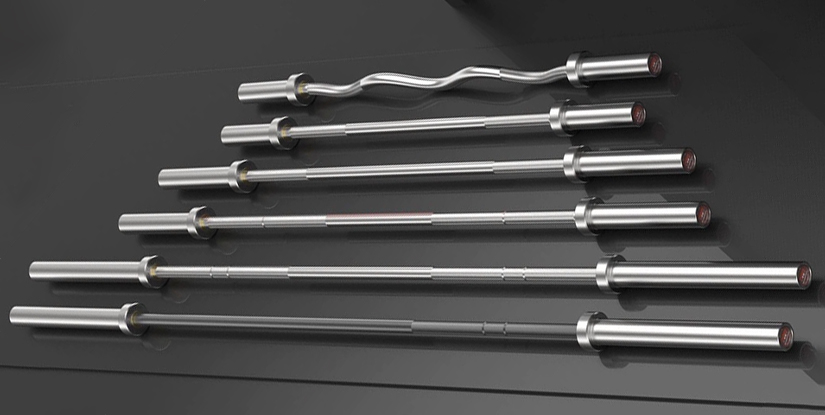
In professional strength conditioning and commercial weightlifting environments, consistency is the foundation of measurable progress. Central to this consistency is the barbell weight 45 Lb standard, which serves as the fundamental unit of measure for virtually all compound lifting movements. However, discrepancies in actual mass versus declared weight can lead to significant training errors, skewed performance data, and even safety risks in high-intensity environments. This guide addresses the technical nuances of weight verification, material selection, and maintenance to ensure that a standard 45 Lb barbell performs exactly as intended.
The Critical Importance of Mass Accuracy in Standardized Lifting
Precision in barbell mass is not merely an academic concern; it is a functional necessity for athletes and facility operators. When a barbell deviates from its intended 45 Lb specification, the physiological load on the lifter changes, affecting neurological adaptation and strength curves. For example, a deficit in mass can lead to an unintentional decrease in intensity, while an excess can lead to premature fatigue or improper technical execution.
The primary cause of mass deviation is typically poor manufacturing tolerances or the accumulation of oxidation and debris within the sleeve assemblies. To mitigate this, operators must implement a rigorous procurement and verification protocol. Before integrating new equipment into a high-performance environment, verify the weight against a calibrated industrial scale to ensure the deviation falls within acceptable professional tolerances (typically +/- 1-2%).
Establishing a baseline of accuracy is the prerequisite for long-term equipment reliability and precise load tracking.
Analyzing Material Compositions for the Barbell Weight 45 Lb Standard
Understanding the structural composition of the barbell is the next step in ensuring that the 45 Lb mass remains consistent over years of heavy use. The density and durability of the steel used directly impact the barbell's resistance to bending and its ability to maintain weight accuracy under extreme stress.
Different material grades offer distinct advantages depending on the intended usage environment. High-carbon steel is often preferred for its ability to balance tensile strength with elasticity, allowing the bar to whip and return to shape during heavy lifts without permanent deformation. A failure to select the correct steel grade often results in 'permanent set'—a condition where the bar remains bent after a heavy load is removed.
Material Specification Comparison
| Material Type | Primary Benefit | Common Failure Mode | Best Use Case |
|---|---|---|---|
| High-Carbon Steel | Superior Elasticity | Surface Corrosion if untreated | Competitive Weightlifting |
| Stainless Steel | High Corrosion Resistance | Higher Production Cost | Commercial/High-Moisture Gyms |
| Chrome Plated Steel | Aesthetic Longevity | Flaking under high friction | General Strength Training |
Once the material integrity is understood, the focus must shift to how these materials interact with the barbell's mechanical components, specifically the sleeves and bearings.
Mechanical Integrity: Sleeves and Bearing Systems
A common problem in barbell operation is the degradation of the rotation mechanism within the sleeves. The 45 Lb mass is distributed across the bar, but the dynamic load is concentrated on the sleeves during movements like the clean and jerk or snatch. If the internal bearings or bushings fail, the rotational friction can cause the bar to 'catch' during the lift, a major safety hazard.
Operators often mistake a 'stiff' barbell for a lack of weight, when in reality, the issue is rotational drag. To verify the health of the bearing system, perform a 'spin test': hold the barbell stationary and flick one sleeve; it should rotate smoothly and silently for several seconds without immediate resistance. If the rotation is jerky or produces a grinding sound, the bearings require cleaning or replacement.
A smooth-spinning sleeve ensures that the weight is handled dynamically, which leads directly into the necessity of regular maintenance schedules.
Maintenance Protocols for Maintaining Weight Precision
Routine maintenance is the single most effective way to prevent the degradation of a barbell's specified weight and mechanical function. Neglecting maintenance leads to the buildup of chalk, sweat, and rust, all of which can add irregular mass to the barbell or interfere with its rotation.
The following checklist provides a standard operating procedure for maintaining high-end training bars:
- Monthly Visual Inspection: Check for any signs of surface rust or pitting, especially near the knurling and sleeve interfaces.
- Knurling Cleaning: Use a specialized nylon brush to remove deeply embedded chalk and skin debris from the knurling area.
- Sleeve Lubrication: Apply a non-drying lubricant to the bearing housing every 6 months to ensure smooth rotational movement.
- Weight Verification: Once per quarter, weigh the barbell on a calibrated scale to ensure it still meets the 45 Lb standard within tolerance.
Implementing these steps prevents the gradual loss of performance and ensures that the equipment remains a reliable tool for high-intensity training.
Troubleshooting Common Barbell Performance Issues
Even with consistent maintenance, operators may encounter performance issues that affect the user experience. These issues are often the result of environmental factors or improper handling. Identifying the root cause is essential for a quick and cost-effective fix.
The table below outlines the most frequent issues encountered with standard 45 Lb barbells and their technical resolutions.
Performance Issue Resolution Matrix
| Observed Symptom | Potential Cause | Technical Fix/Action |
|---|---|---|
| Uneven Rotation | Debris in bearing or lack of lubrication | Clean with compressed air and re-lubricate |
| Permanent Bend (Set) | Exceeding tensile strength limits | Replace barbell; check load management protocols |
| Surface Texture Roughness | Oxidation or coating degradation | Polishing or re-coating application |
| Increased Mass (Variance) | Heavy oxidation or debris buildup | Deep clean and weight re-verification |
Effective troubleshooting keeps the facility running smoothly and prevents the unnecessary replacement of functional equipment.
Ensuring Longevity Through Proper Storage and Handling
After addressing immediate performance issues, the final tier of operational excellence involves proactive storage. Many barbell failures occur not during use, but during periods of inactivity due to improper storage conditions.
High humidity is the primary enemy of steel-based equipment. Moisture exposure leads to oxidation, which can eventually compromise the structural integrity and the weight precision of the bar. For a professional setting, storing barbells in a climate-controlled environment or utilizing specialized barbell racks that elevate the bar off damp surfaces is highly recommended. Additionally, avoid leaving the barbell on a concrete floor, as concrete can absorb and retain moisture, accelerating the corrosion process.
By mastering the lifecycle of the equipment—from material selection to climate-controlled storage—operators can ensure their 45 Lb standard remains a constant in their training regimes.
Standardizing the Lifting Environment
As we have explored, the 45 Lb barbell is a precision instrument that requires specific care to maintain its utility. From the initial material selection and the verification of mass to the ongoing maintenance of the sleeve bearings and the control of storage environments, every step is designed to preserve the integrity of the training experience. Maintaining these standards ensures that every lift is a true reflection of the athlete's strength, rather than a reflection of equipment inconsistency.