

Mastering the 40Kg Kettlebell: Technical Standards and Operational Safety
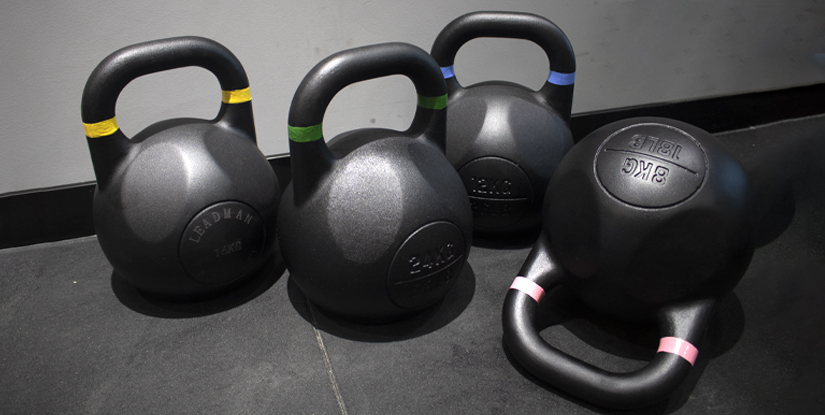
The Criticality of Precision in 40Kg Kettlebell Standards
When handling extremely heavy implements like a 40Kg kettlebell, the margin for error regarding equipment integrity is non-existent. A single manufacturing defect or a failure in surface texture can transition a high-performance training session into a high-risk injury event. Many professional operators face the recurring problem of inconsistent weight distribution or grip slippage, often caused by sub-standard casting or poor finishing processes. This guide addresses these technical nuances to ensure that your heavy equipment remains a reliable tool rather than a liability.
Before attempting any high-velocity or high-repetition movements, understanding the structural composition of your equipment is the first step in risk mitigation. This technical overview establishes the baseline for what a professional-grade heavy kettlebell should look like in terms of density, balance, and surface integrity. Once these physical benchmarks are understood, we can move into the specific inspection protocols required for daily operation.
Understanding Weight Distribution and Center of Gravity
A common failure mode in heavy implements is an off-center mass. If the internal casting is not uniform, the center of gravity will shift during swings or snatches, causing unpredictable torque on the wrist. Professional operators should verify weight distribution by rotating the bell and observing if the swing arc feels rhythmic or erratic. An erratic arc is a primary indicator of an unbalanced core. To ensure optimal performance, verify that the handle sits perfectly centered relative to the bell's widest point.
Structural Integrity and Material Selection Protocols
Moving from the conceptual understanding of weight distribution, we must examine the physical material that contains that mass. The durability of a 40Kg kettlebell is heavily dependent on the casting method and the metal alloy used during production. Low-quality cast iron is prone to internal micro-fractures, which may not be visible to the naked eye but can fail catastrophically under the stress of dynamic loading.
The core problem frequently encountered in commercial environments is the use of high-carbon iron that lacks sufficient ductility, making it brittle. This is especially dangerous when the kettlebell is dropped or undergoes repeated impact. To avoid this, operators must select equipment that meets specific density and impact-resistance criteria. The following table outlines the common material-related issues and the technical standards used to prevent them.
| Material Type | Common Failure Mode | Verification Method | Professional Standard |
|---|---|---|---|
| Cast Iron | Brittle fracture under impact | Visual inspection for hairline cracks | Uniform density with no visible surface fissures |
| Steel Shell | Weld separation at handle | Stress test under load | Seamless or high-strength continuous weld |
| Coated/Powdered | Peeling or flaking finish | Texture/Touch test | Adhesion that withstands high-friction use |
Ensuring the material can withstand the physical stress of a 40Kg load is a prerequisite for any safe movement. However, even the highest quality material is useless if the surface interface—the handle—is compromised. This leads us to the critical examination of handle geometry and ergonomic requirements.
Handle Geometry and Ergonomic Tolerities
The diameter of the handle is a crucial decision criterion for strength athletes. A handle that is too narrow can create excessive pressure points, while one that is too wide may prevent a secure grip during high-speed transitions. For a 40Kg kettlebell, the handle must accommodate both bare hands and heavy-duty lifting gloves without sacrificing the ability to rotate the bell smoothly through the wrist.
Failure to verify handle clearance often results in bruised calluses or loss of control during the snatch. An ideal handle should offer a consistent diameter throughout its length to ensure balanced weight distribution during complex lifts. For example, a standard professional handle usually ranges between 35mm and 40mm in diameter to balance grip security with rotational ease. With the handle geometry verified, the next priority shifts to the exterior surface finish, which directly impacts grip reliability.
Handle Dimensions and Grip Stability
When selecting or auditing a 40Kg implement, check for the following:
- Consistency: The diameter should not taper or swell significantly.
- Smoothness: Absence of sharp burrs or metal shards that can cause lacerations.
- Tolerance: Sufficient space for the knuckles to clear the bell during a clean or snatch.
Effective handle geometry ensures the user remains in control of the implement. However, even a perfect handle can become a liability if the exterior surface texture is improperly managed.
Surface Texture and Friction Management
While the handle is the primary point of contact, the body of the kettlebell also plays a role in stability and grip, especially in movements like the goblet squat or overhead press. A significant pain point for heavy implement users is the buildup of sweat and oils, which can turn a smooth surface into a lethal slip hazard. This issue is often caused by improper powder coating or the use of highly polished finishes that lack micro-texture.
To mitigate this, operators should implement a strict surface maintenance regimen. A high-quality 40Kg kettlebell should possess a slightly textured finish that provides tactile feedback without being abrasive to the skin. This balance of texture is essential for maintaining control during high-repetition training.
- Problem: Excessive slipping during high-intensity intervals.
- Cause: Surface finish is too smooth or contaminated with oils.
- Fix: Utilize chalk or switch to a textured-body implement.
- Verification: Perform a dry-grip test with controlled, moderate tension.
Effective texture management ensures that the user remains in control of the implement regardless of perspiration levels. However, keeping the surface clean is only part of the equation; we must also ensure the equipment is stored and maintained to prevent long-term degradation.
Preventing Oxidation and Surface Degradation
Even high-quality cast iron is susceptible to oxidation if stored in humid or non-climate-controlled environments. Rust on a 40Kg kettlebell is more than an aesthetic issue; it can alter the grip texture and potentially weaken the structural integrity of the handle interface over time. Monitoring for oxidation is a fundamental part of a professional maintenance routine.
Regularly checking for rust ensures that the equipment remains in peak condition for heavy loading. Once the surface integrity is maintained, the focus must shift to the actual physical handling and the specific environmental factors that can lead to mechanical failure. This brings us to the operational safety protocols for heavy lifting.
Oxidation Control and Storage Parameters
To prevent the degradation of your 40Kg kettlebell, consider these environmental factors:
- Humidity: Keep equipment in an environment with <60% relative humidity if possible.
- Surface Protection: Apply a micro-thin layer of specialized oil to prevent oxygen contact.
- Cleaning: Never use abrasive chemicals that strip the protective coating.
Maintaining these parameters protects both the user and the tool. With the environment secured, we must look at the immediate workspace required for the heavy lift itself.
Operational Safety and High-Impact Handling
Operating with a 40Kg kettlebell requires a different level of environmental readiness than lighter implements. The impact energy generated by a 40Kg mass hitting the floor is substantial, and failing to provide adequate damping can lead to floor damage and equipment bouncing, which creates unpredictable movement. The cause of most accidental injuries in this weight class is not the weight itself, but the unpredictable reaction of the implement after an uncontrolled drop.
To prevent these incidents, operators must follow a strict deployment protocol. This involves more than just lifting the weight; it involves preparing the environment to receive the weight. The following checklist is designed to verify operational readiness before any heavy set begins.
Pre-Lift Operational Checklist
Before engaging with the 40Kg kettlebell, verify the following parameters to ensure a safe working environment:
- Floor Surface: Ensure the landing area is equipped with high-density rubber matting (at least 25mm–50mm) to absorb impact.
- Clearance Zone: Verify a 3-meter radius is free of other equipment or personnel.
- Implement Inspection: Check the handle for any sign of bending or surface rust.
- Personal Gear: Confirm footwear provides adequate lateral stability for heavy loading.
Adhering to this checklist significantly reduces the risk of secondary accidents caused by impact or environmental failure. By controlling these variables, you move from reactive training to proactive, professional-grade strength development.
Maintenance Intervals and Long-Term Reliability
Consistent use of a heavy implement leads to inevitable wear and tear. However, a structured maintenance schedule can extend the life of your equipment and ensure that the 40Kg kettlebell remains within its original performance specifications. Without regular intervention, minor issues like surface oxidation or slight handle imbalances can escalate into structural problems.
The key to longevity is moving from reactive repairs to preventative maintenance. This involves a tiered approach to inspection, ranging from daily visual checks to monthly technical assessments. A well-maintained implement is a predictable implement, and predictability is the cornerstone of safety in heavy strength training.
| Frequency | Action Item | Objective |
|---|---|---|
| Daily (Pre-Use) | Visual check for cracks and surface rust | Immediate hazard detection |
| Weekly | Wipe down with dry cloth/oil removal | Maintain optimal grip texture |
| Monthly | Weight and balance verification | Confirm no mass shifting |
| Quarterly | Full structural audit | Deep inspection of handle/body integrity |
With these maintenance cycles in place, the operational lifespan of your heavy training tools is maximized. As we look toward the future of high-intensity strength training, maintaining the integrity of your heaviest tools remains the most important factor in long-term performance and safety.