

Optimizing Strength Training with the 100 Lb Bumper Plate
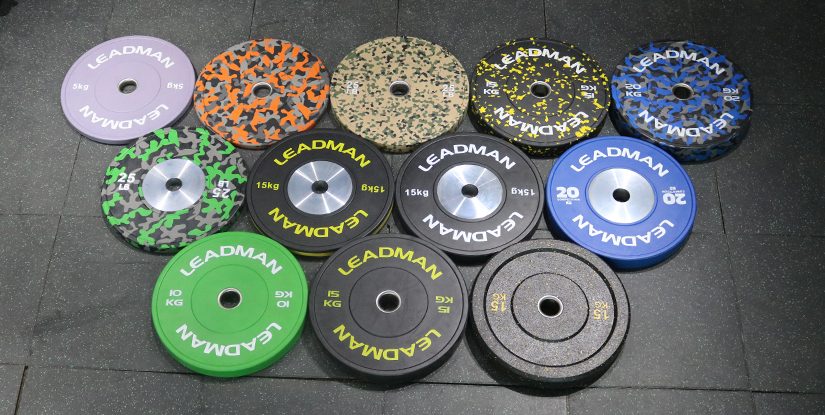
Challenging the Uniformity Myth of Bumper Plate Density
A common misconception among facility managers and strength athletes is that all high-mass rubberized plates are created equal. Many operators assume that if a piece of equipment is labeled as a 100 Lb Bumper Plate, its density and structural integrity are standardized across the industry. This assumption frequently leads to significant operational issues, such as uneven barbell oscillations or premature material degradation. In reality, the internal composition of high-mass plates can vary wildly between manufacturing processes.
When a plate lacks consistent density, the weight distribution becomes asymmetrical. This is not merely a theoretical concern; it results in actual physical imbalances during heavy lifts like deadlifts or cleans. For instance, a plate that is too soft may compress unevenly under the extreme load of a 100-pound increment, causing the barbell to tilt. To avoid these issues, operators must look beyond the weight label and verify the material density through standardized testing or by observing the compression rebound characteristics. Understanding these density variations is the prerequisite for selecting equipment that survives high-volume commercial environments.
Density Variance and Loading Stability
Density is not just about weight; it is about how that weight remains stable under dynamic movement. A low-quality 100 Lb Bumper Plate might utilize a recycled rubber blend that lacks the structural rigidity required for heavy-duty training. This lack of rigidity leads to 'ringing' or vibration issues when the weight hits the floor. To ensure stability, professionals should prioritize high-density vulcanized rubber, which maintains its shape even after repeated high-velocity drops. Establishing a baseline for material density ensures that the equipment behaves predictably during heavy-duty training sessions.
Material Selection and Durability Requirements
Building on the need for density, the actual material composition dictates the long-term ROI of your strength equipment. A frequent failure in gym procurement is the failure to distinguish between standard rubber and high-grade vulcanized rubber. While standard rubber may seem cost-effective, it is prone to cracking and shedding when subjected to the massive kinetic energy generated by a 100-pound impact.
The mechanical stress of dropping a 100 Lb Bumper Plate is exponentially higher than dropping smaller fractional plates. This impact energy can cause micro-fractures in the internal steel ring or the outer rubber shell if the material is not sufficiently resilient. High-quality plates typically utilize a high-grade synthetic rubber that offers both high impact resistance and minimal bounce. By selecting the correct material profile, you prevent the catastrophic failure of the plate's structure during peak usage.
| Material Type | Durability Profile | Typical Use Case | Risk Factor |
|---|---|---|---|
| Standard Recycled Rubber | Moderate; prone to cracking | Light commercial/Home use | Surface chipping under heavy drops |
| High-Density Vulcanized Rubber | High; excellent shock absorption | Professional/Competitive lifting | Higher initial procurement cost |
| Polyurethane Blend | Extreme; high density/low bounce | Specialized lifting facilities | Can be too stiff for some floor types |
Evaluating these material profiles allows an operator to match the equipment to the specific intensity of their facility. Once the material suitability is determined, the next critical step is understanding how the plate integrates with the barbell through precise tolerances.
The Impact of Material on Floor Longevity
It is a mistake to focus solely on the plate's durability while ignoring the floor. A dense 100 Lb Bumper Plate with minimal bounce is essential for protecting the subfloor and the lifting platform. If the material is too hard (such as certain polyurethanes), it may transfer too much shock directly into the ground, potentially damaging the facility's structural base. Conversely, a plate that is too soft may absorb impact but will wear down much faster, requiring frequent replacement. An ideal balance of density and shock absorption is the hallmark of professional-grade equipment.
Precision Tolerances and Central Bore Specifications
Having established the material necessity, we must now address the mechanical interface between the plate and the barbell. A significant pain point for heavy lifters is the 'wobble' or uneven loading caused by imprecise central bore dimensions. A 100 Lb Bumper Plate must maintain a strict tolerance to ensure it sits perfectly centered on a standard 2-inch Olympic barbell.
If the central bore is too wide, the plate will shift during movement, creating a dangerous centrifugal imbalance. If it is too narrow, it will be difficult to load and may damage the barbell's sleeve. Professionals should verify the bore diameter and the concentricity of the plate before committing to a large-scale purchase. A truly high-performance plate features a precision-machined steel or reinforced rubber center that ensures a snug, centered fit every time.
- Target Bore Diameter: Should be sized for a standard 50mm (approx. 2-inch) sleeve with minimal play.
- Concentricity Check: The weight should be evenly distributed from the center point to the outer edge.
- Loading Speed: A well-sized bore allows for rapid loading and unloading, which is critical for high-volume sessions.
Ensuring these tolerances are met prevents much more than just minor wobbles; it protects the longevity of your expensive barbell sleeves. With the mechanical fit secured, the focus shifts to the essential maintenance required to keep these heavy units operational.
Rigorous Inspection and Maintenance Protocols
Once the equipment is in place, the focus must transition from procurement to long-term operational oversight. Neglecting the maintenance of heavy equipment leads to two primary failure modes: surface degradation and structural instability. Because a 100 Lb Bumper Plate undergoes extreme physical stress, it requires a systematic approach to inspection that goes beyond a simple visual glance.
A common mistake is waiting for a visible crack or a physical deformation before taking action. By then, the structural integrity of the plate is likely already compromised, posing a safety risk to users. A proactive inspection routine involves checking for several key indicators of wear. This process ensures that the equipment remains safe for high-intensity training and maintains its resale or secondary value.
| Inspection Metric | What to Look For | Frequency | Corrective Action |
|---|---|---|---|
| Surface Integrity | Cracks, chipping, or rubber peeling | Weekly | Replace if cracks are structural or deep |
| Bore Alignment | Deformation of the center ring or sleeve area | Monthly | Check if plate fits snugly/centered on bar |
| Impact Response | Excessive or irregular bouncing | Bi-Weekly | Monitor for changes in material density |
| Weight Consistency | Significant deviation in perceived weight/balance | Quarterly | Verify with professional scale if suspect |
Following a consistent inspection cadence allows operators to identify small issues before they become expensive replacements. However, even with perfect maintenance, there are operational nuances regarding how these plates should be stored and moved.
Optimizing Storage and Handling for Heavy Loads
Handling a 100 Lb Bumper Plate requires more than just strength; it requires proper technique to prevent both operator injury and equipment damage. One of the most frequent errors is dragging plates across the floor, which causes excessive wear on the outer edges and the lifting surface. Instead, plates should always be lifted vertically and placed carefully.
Furthermore, storage height is critical; stacking high-mass plates in unstable configurations can lead to toppling, which can damage the edges of the bottom plates and create a safety hazard in the facility. When selecting storage solutions, ensure they are rated for the specific weight of your 100 Lb Bumper Plate inventory. A common mistake is using standard weight trees that are not designed for the dimensional diameter of bumper plates, leading to uneven leaning and eventual structural failure of the storage unit.
- Vertical Lifting: Always lift from the center or use a specialized plate carrier to prevent edge damage.
- Stacking Protocol: Never stack more than 4-5 plates high unless using a specialized heavy-duty rack.
- Environmental Control: Store plates in a climate-controlled area to prevent rubber hardening or cracking due to extreme temperature shifts.
Proper handling preserves the physical geometry of the plate. Moving from manual handling to systematic storage helps prepare a facility for the next level of performance.
Addressing Wear Patterns and Performance Decline
Even with optimal care, a 100 Lb Bumper Plate will eventually show signs of performance decline. Understanding the difference between 'normal wear' and 'failure' is essential for deciding when to retire a piece of equipment. As the material undergoes thousands of impact cycles, the polymer chains within the rubber may begin to break down, leading to a change in the plate's characteristic 'bounce' or density.
When you notice a plate becomes significantly more 'lively' or begins to bounce unpredictably, this is often an indicator of internal structural fatigue. This decline in performance can disrupt a lifter's rhythm and increase the risk of injury. Operators must have a clear threshold for when a plate is no longer fit for professional use. This threshold should be based on objective signs rather than subjective feeling.
- Threshold 1: Visible loss of edge shape (bevel deformation).
- Threshold 2: Audible changes in impact sound (loss of deep 'thud').
- Threshold 3: Physical separation of the center ring from the outer rim.
By establishing these clear-cut criteria, you eliminate the guesswork often associated with equipment replacement. A well-defined replacement policy ensures that your facility always provides a high-standard training environment.
Long-Term Lifecycle Management and ROI
The final stage of managing your heavy equipment is understanding the total cost of ownership. While a high-quality 100 Lb Bumper Plate may have a higher initial price point than a generic alternative, its lifecycle and operational reliability often lead to a much better return on investment (ROI). Cheap, low-density plates may save money upfront, but the cost of frequent replacement, damaged flooring, and increased liability outweighs those initial savings.
To maximize ROI, operators should track the 'impact-to-replacement' ratio. This involves monitoring how many months or years a specific batch of plates lasts under a certain volume of use. High-performing facilities use this data to refine their procurement cycles. Instead of buying on a whim, they invest in high-spec equipment that is proven to withstand their specific training density.
| Metric | Low-Cost Option (Generic) | High-Spec Option (Professional) |
|---|---|---|
| Expected Lifespan | 12-18 Months | 36-60+ Months |
| Replacement Frequency | High (Annual) | Low (Multi-year) |
| Maintenance Cost | Low initial, High long-term | Moderate initial, Low long-term |
| Secondary Market Value | Negligible | High/Stable |
By treating the 100 Lb Bumper Plate as a long-term asset rather than a consumable, you build a more resilient and profitable strength training facility.