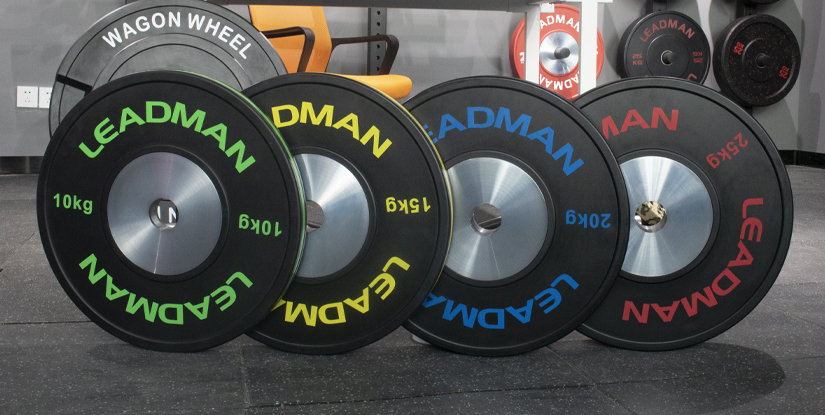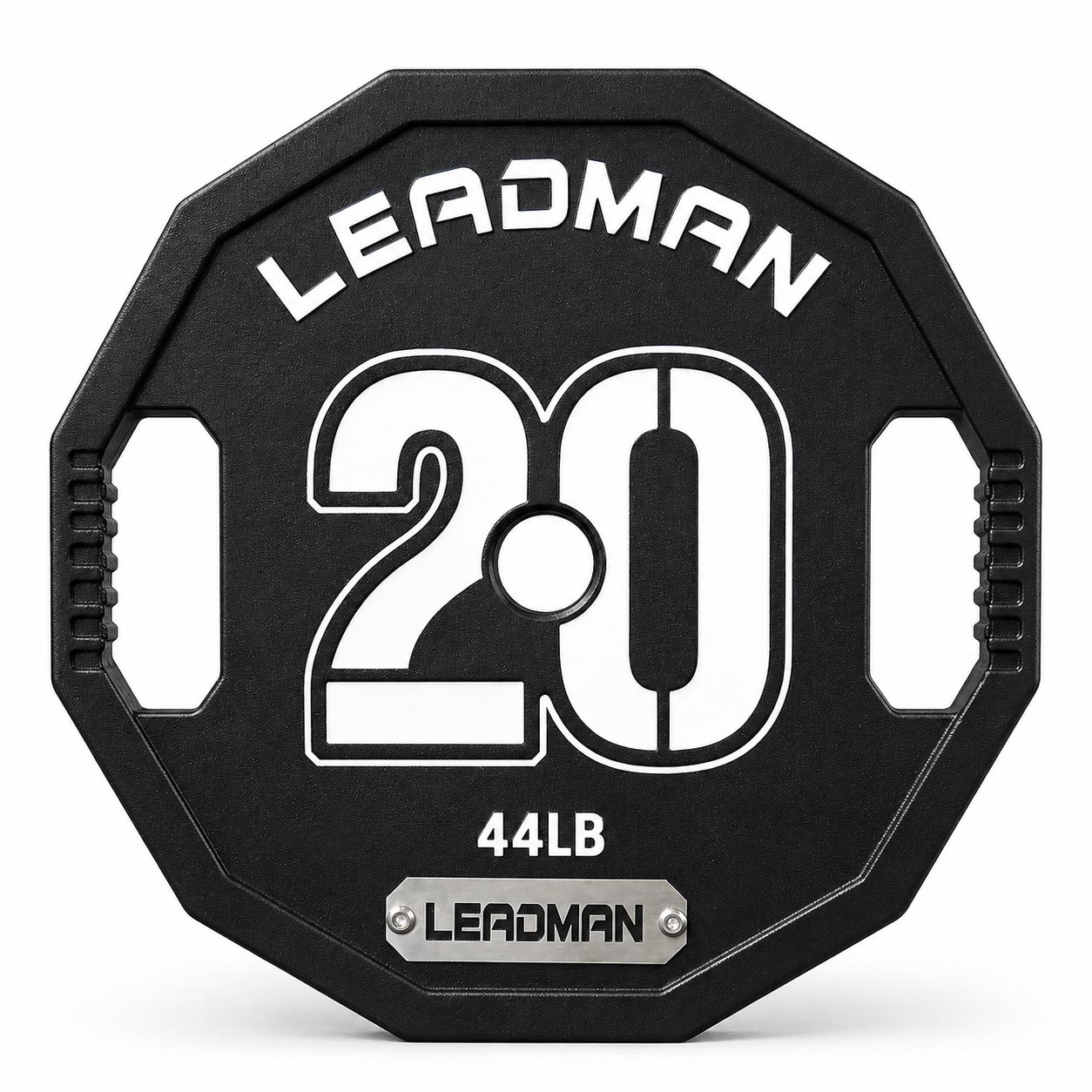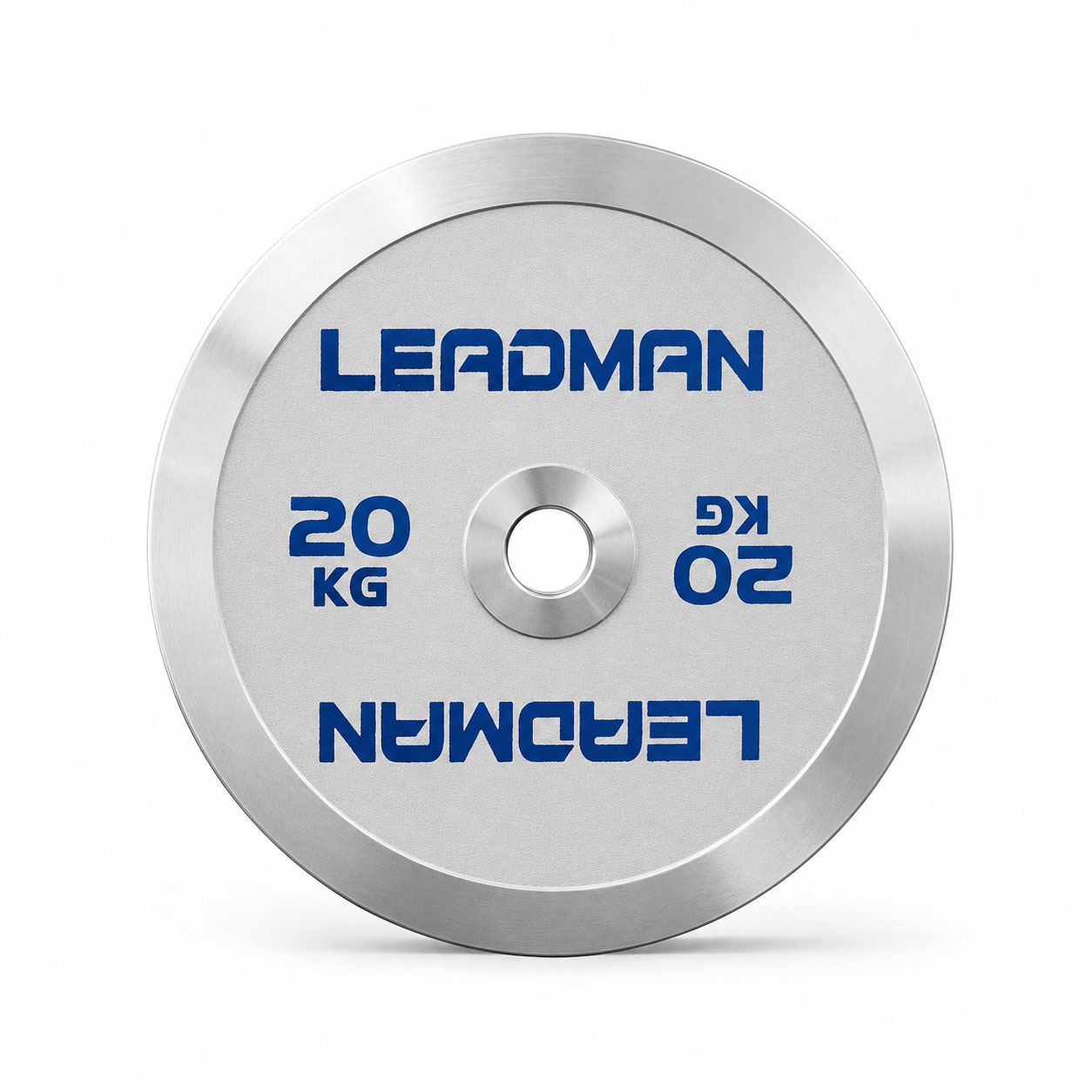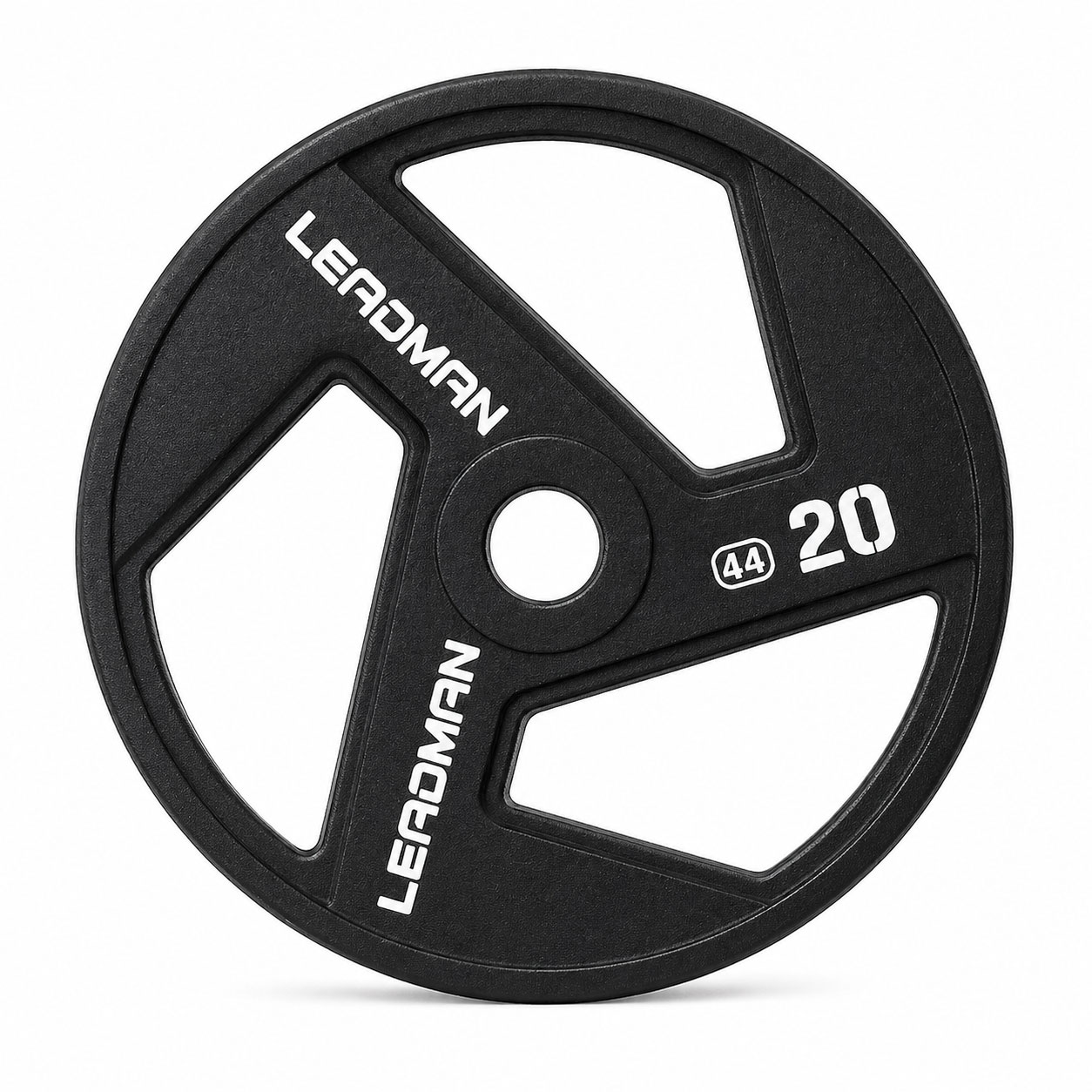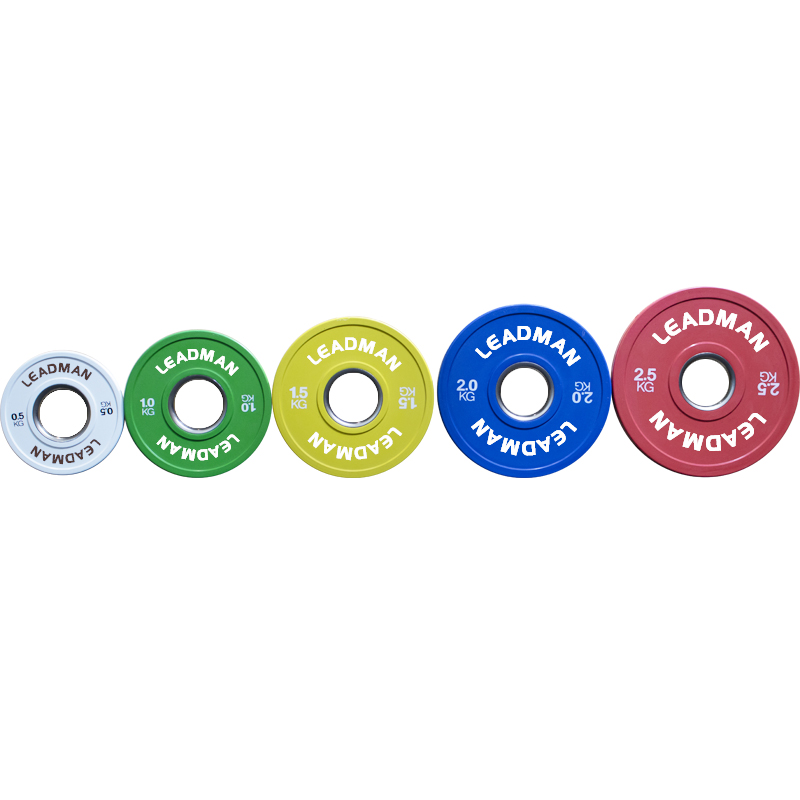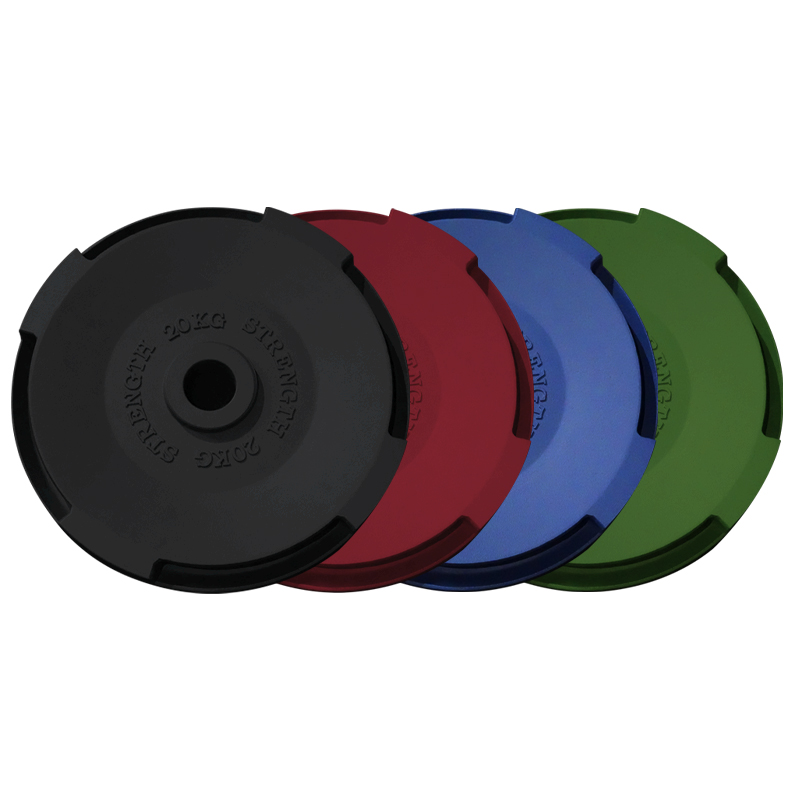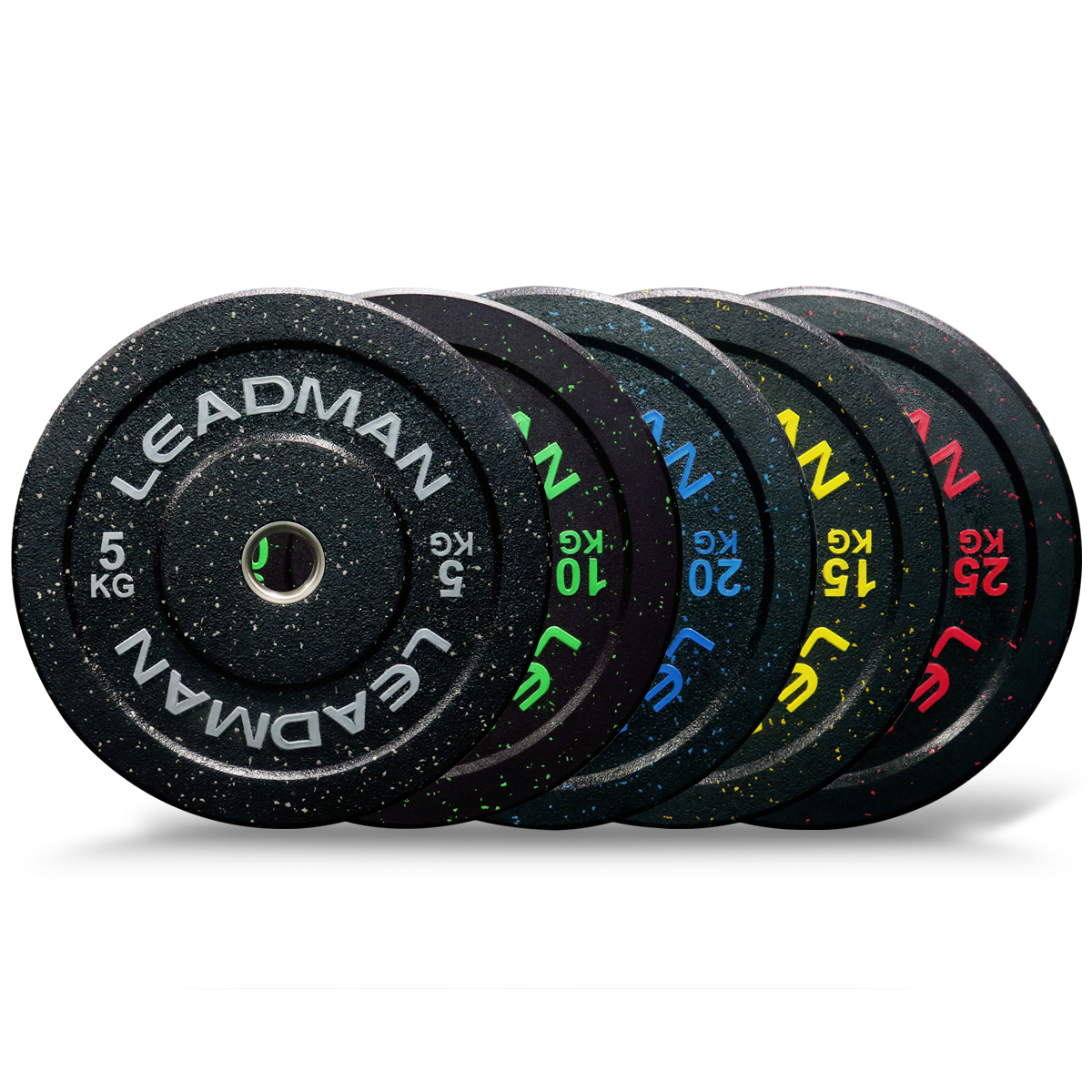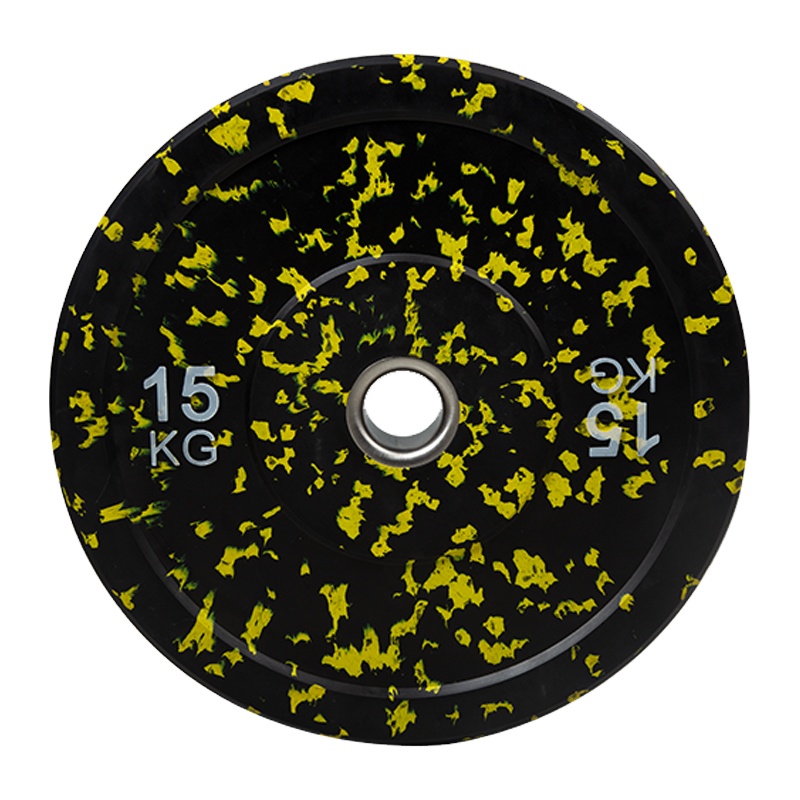
A weight plates manufacturer specializes in producing cast iron, rubber-coated, urethane, or competition-style plates designed to fit standard 50mm Olympic barbell sleeves, with production processes ranging from traditional sand casting to precision CNC machining that achieves weight tolerances as tight as ±1% for commercial lines or ±0.5% for calibrated competition plates. Raw material selection—recycled pig iron versus virgin steel—directly impacts the plate's density, durability, and long-term dimensional stability under repeated dropping.
Understanding how different manufacturing processes affect plate performance guides purchasing decisions. Sand-cast plates with exposed metal surfaces often develop rust in humid environments and exhibit surface voids that can chip over time. Rubber-coated variants add a protective vulcanized layer that absorbs impact energy, reducing floor damage and noise by approximately 40–60 decibels compared to bare iron drops. Urethane-encapsulated plates represent the premium tier, offering superior abrasion resistance and maintaining their aesthetic finish for 5–8 years in commercial settings.
Weight tolerance specifications separate consumer-grade from professional-grade plates. Entry-level manufacturers often ship plates with ±3% variance, meaning a "45-pound" plate could actually weigh between 43.6 and 46.4 pounds—sufficient for general fitness but problematic for progressive overload programming. Reputable weight plates manufacturers advertise verified tolerances and provide individual plate weight markings. Facilities hosting powerlifting competitions require calibrated plates with ±0.5% or better accuracy, typically achieved through post-casting grinding and individual weighing certification.
For commercial gym operators, the insert hub design critically affects long-term usability. Chrome-plated or stainless steel inserts with machined inner diameters maintain consistent fit on barbell sleeves, preventing the "wobble" that occurs when plates develop ovalized bores. Lower-cost manufacturers use bare cast iron hubs or thin zinc coatings that wear through within 12–18 months, leading to loose-fitting plates that shift during dynamic lifts and accelerate barbell sleeve wear.
Thickness variation across the same weight rating distinguishes advanced manufacturing capability. A manufacturer producing 45-pound plates at 1.25-inch thickness allows more plates per sleeve (typically 6–7 per side) versus budget plates at 1.75–2 inches thick (4–5 per side). This density optimization matters for athletes approaching 600-pound deadlifts or squats where sleeve length becomes limiting. Premium weight plates manufacturers achieve higher density by using higher-carbon steel alloys and precision compression molding rather than simple casting.
Drop testing and warranty expectations vary significantly by manufacturer tier. Commercial-grade rubber plates from established manufacturers typically withstand 10,000+ drops from rack height before showing structural cracks or insert separation. Budget manufacturers often fail within 1,000–2,000 drops, with the rubber separating from the insert—a failure mode that creates hazardous loose weight pieces on gym floors. Independent testing certifications (such as ASTM standards) provide verifiable performance benchmarks beyond manufacturer claims.
When evaluating weight plates manufacturers, inquire about their inspection protocols and rejection rates. Manufacturers performing 100% individual plate weighing and bore diameter measurement before packaging demonstrate quality commitment. Those relying on batch sampling may ship inconsistent products where one plate in twenty falls outside advertised specifications. Requesting a sample plate for independent testing remains the most reliable pre-purchase validation method for high-volume buyers.
The shift toward eco-friendly manufacturing influences material sourcing and waste management. Leading weight plates manufacturers now use recycled rubber content (30–50% post-consumer) in bumper plates, reduce volatile organic compound emissions in coating processes, and implement water recirculation systems for cooling during casting. These practices appeal to environmentally conscious facilities while maintaining performance standards comparable to virgin-material plates at similar price points.
Lead times for bulk orders from international weight plates manufacturers typically require 60–90 days for production plus ocean freight, though domestic or regional manufacturers often deliver within 14–30 days. The trade-off involves price versus speed, with overseas manufacturers offering 20–40% cost savings but requiring larger minimum order quantities (typically 2,000–5,000 pounds) that suit commercial expansions or new facility openings rather than home gym upgrades.
For facility owners seeking long-term relationships, evaluating a weight plates manufacturer's design stability and parts availability matters. Manufacturers that frequently change plate dimensions or insert specifications create compatibility issues when adding plates years later—new purchases may not match existing plates in diameter, thickness, or fit. Requesting documentation of unchanged spec periods (e.g., "Model X plate unchanged since 2018") indicates manufacturing consistency and facilitates future expansions without equipment mismatch problems.

Let our experts design the perfect gym solution for your business. Get a free consultation and quote today.