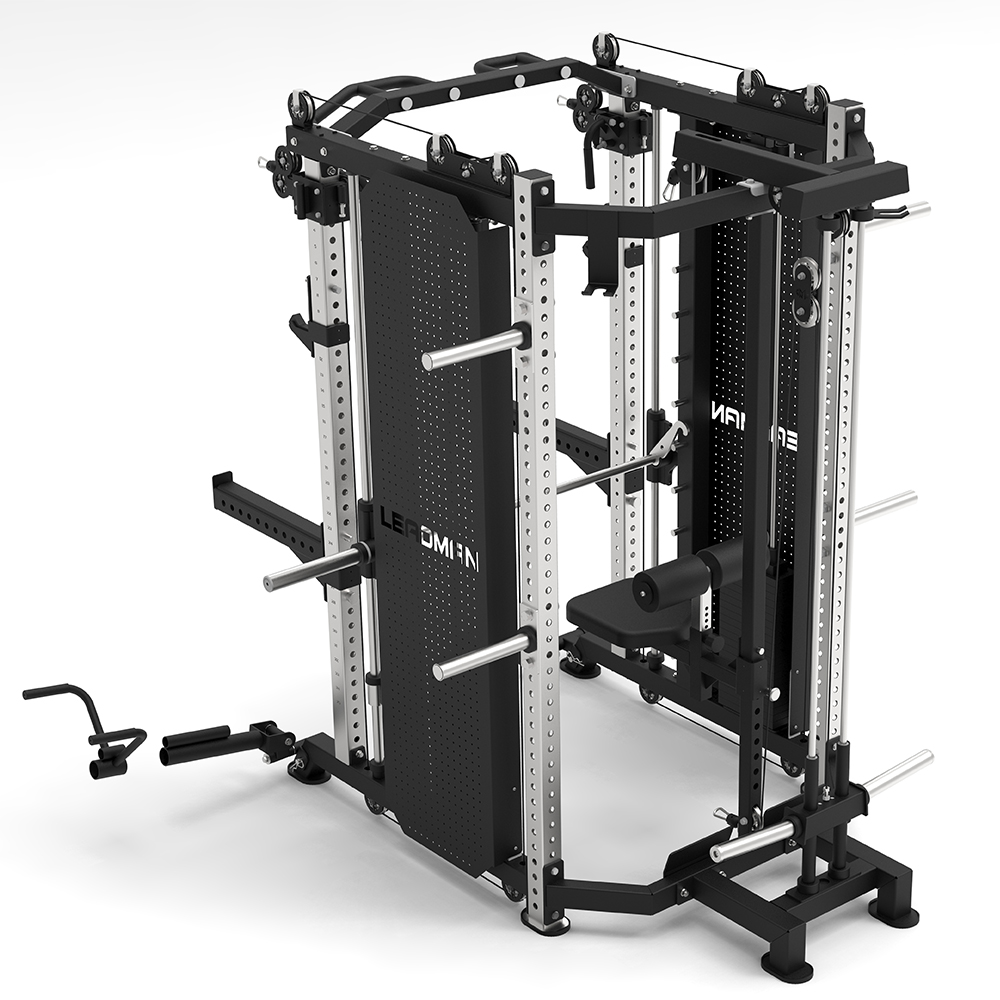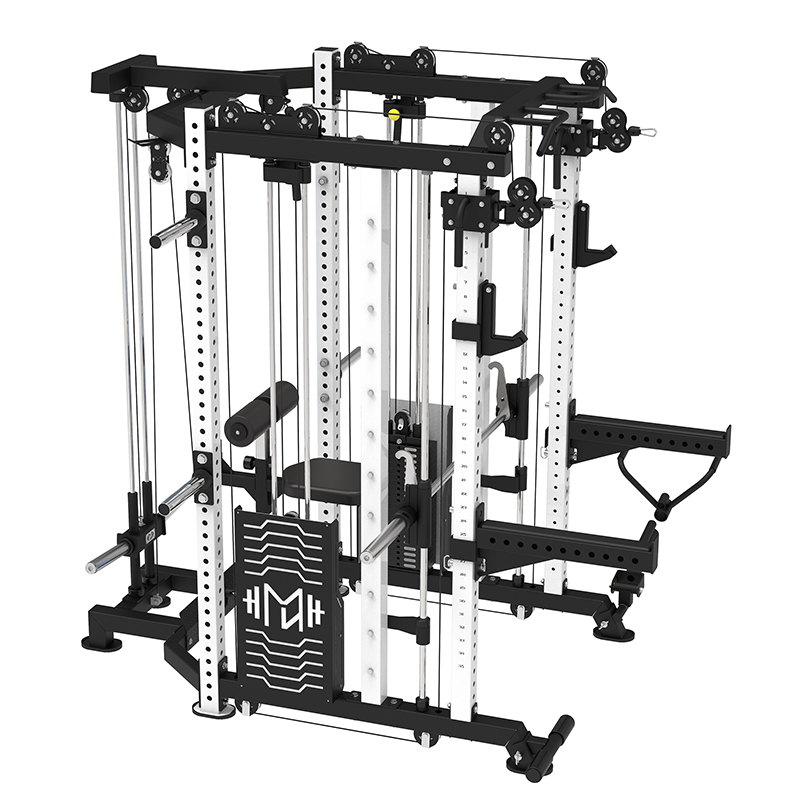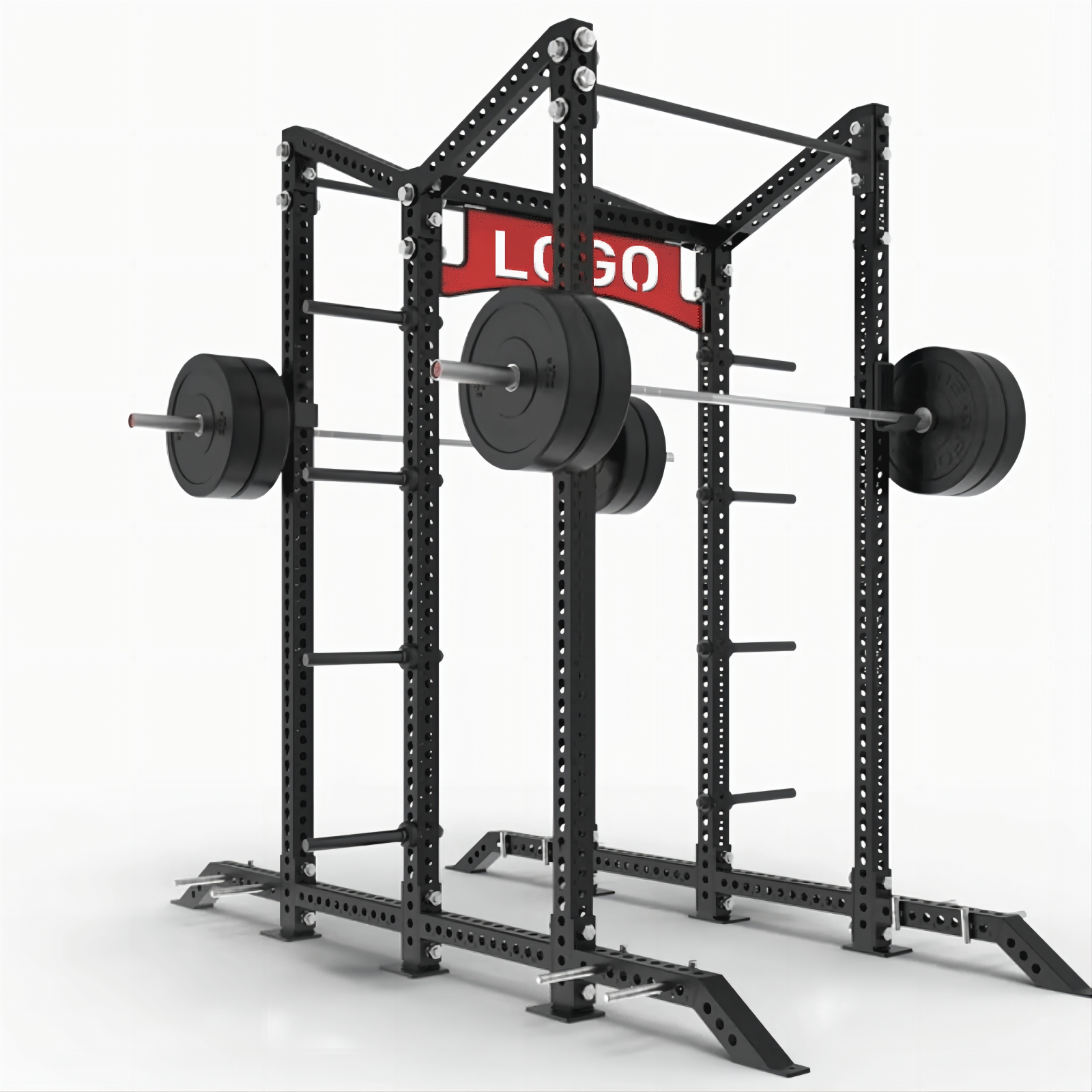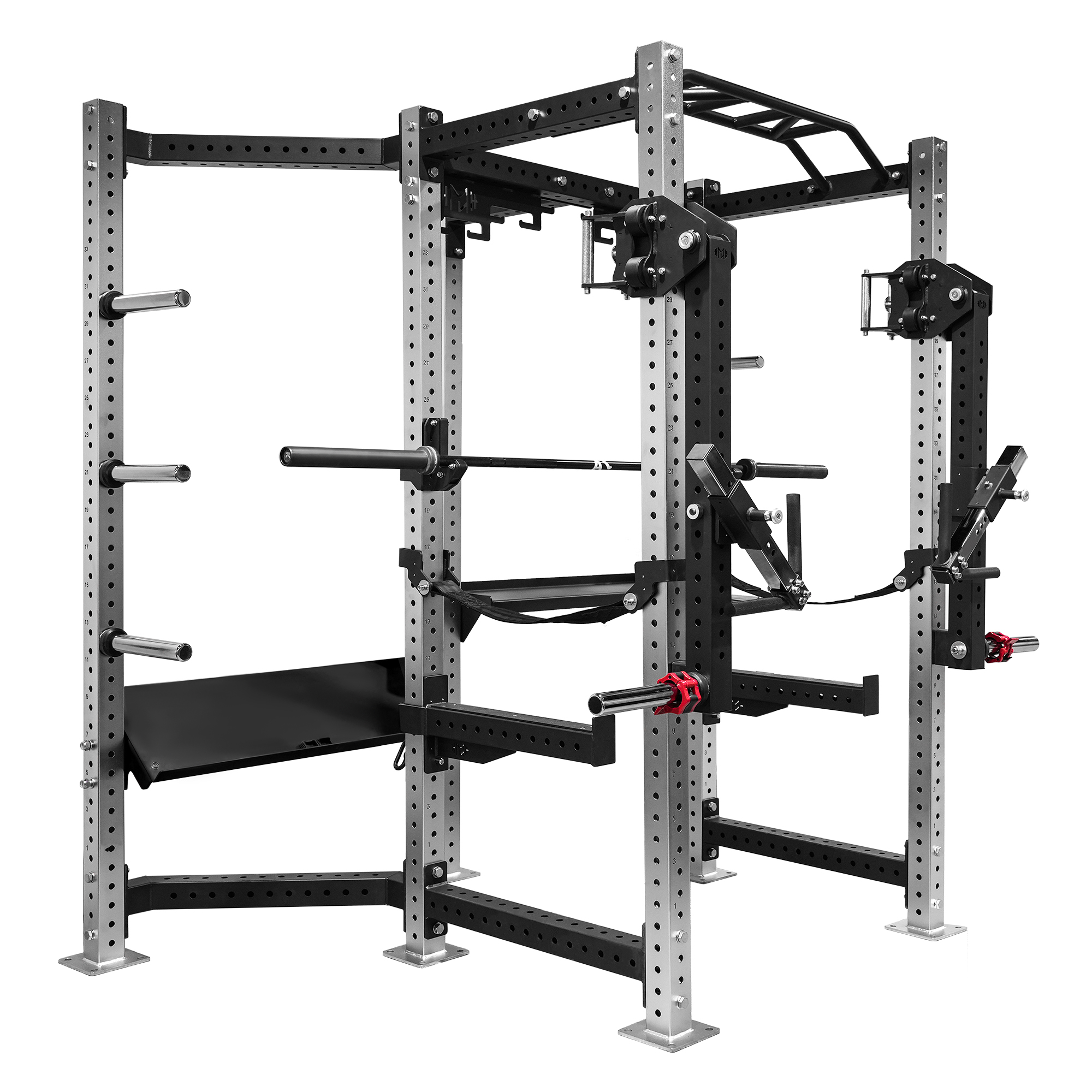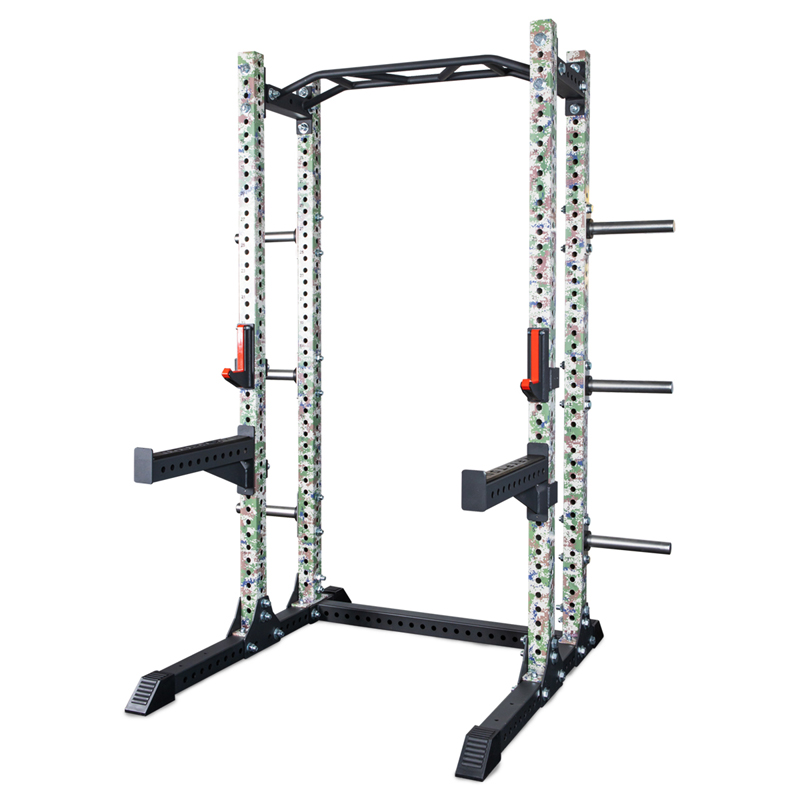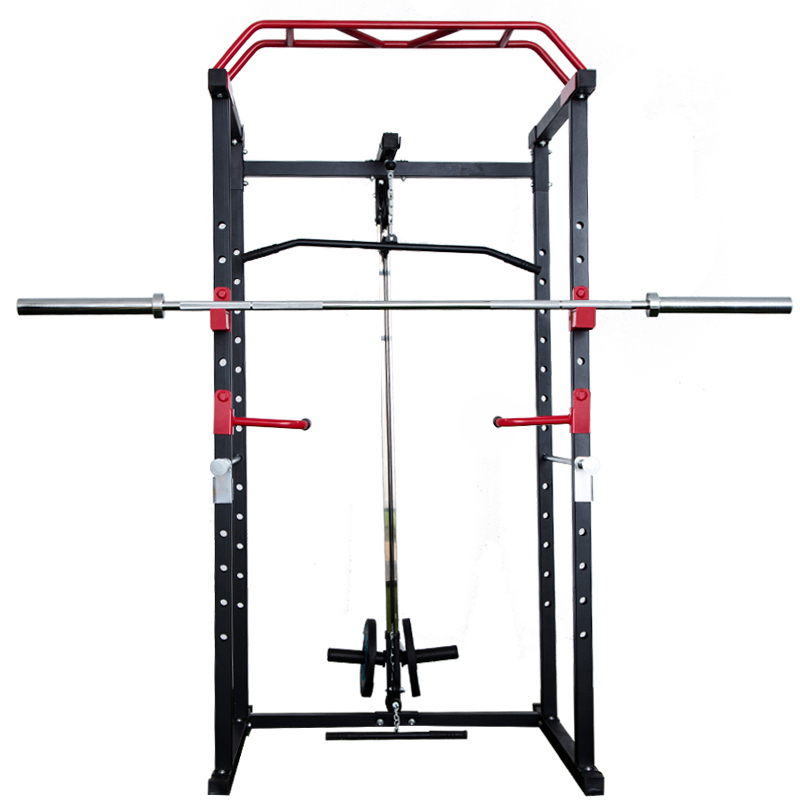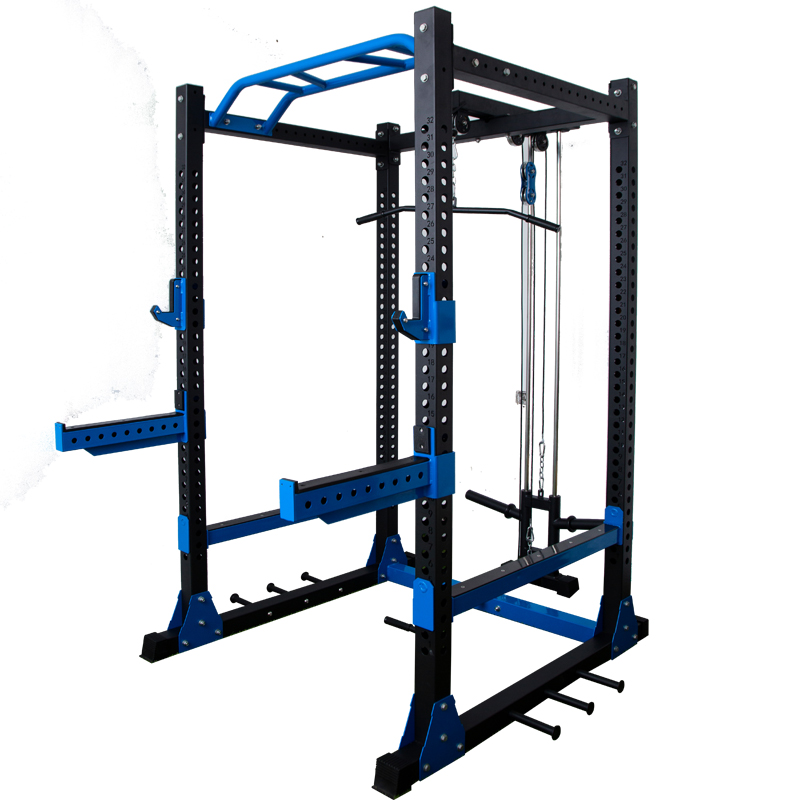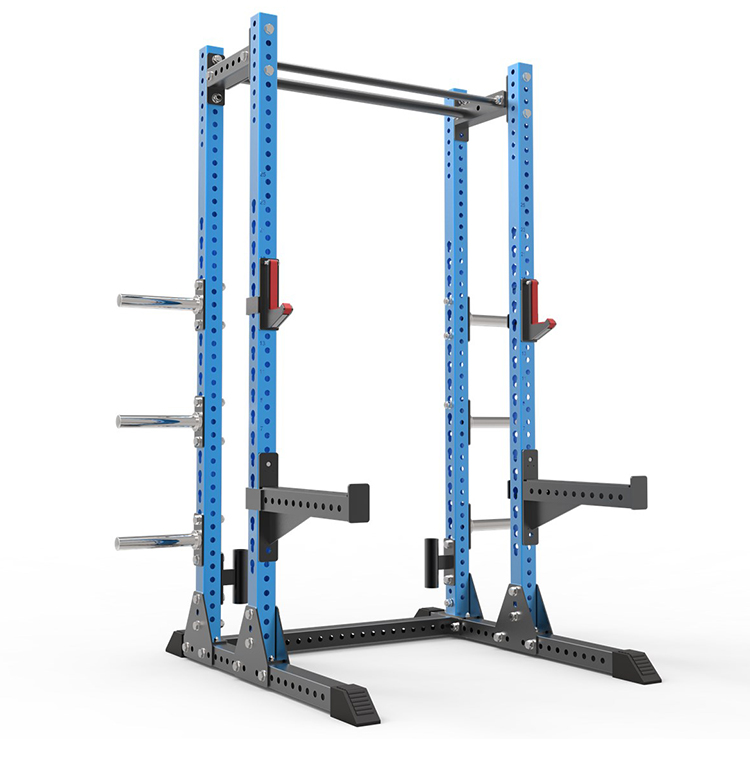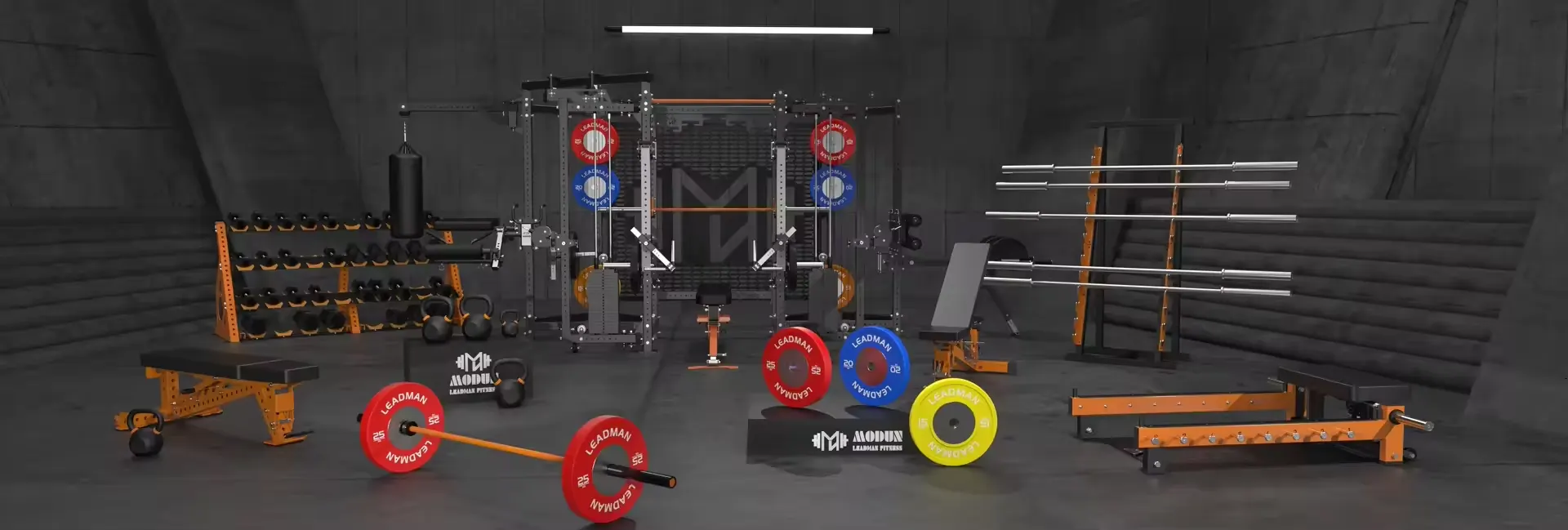
The commercial power rack represents the structural anchor of any serious strength training facility, serving as the primary station for squats, bench presses, overhead presses, and a vast array of accessory movements. Unlike consumer-grade racks designed for occasional use, commercial power racks are engineered to withstand the relentless demands of high-traffic gym environments, where they support daily loads exceeding hundreds of kilograms across multiple stations. For procurement managers, the selection of power rack commercial equipment is a decision that directly impacts member safety, equipment longevity, and the facility's reputation among discerning strength athletes who prioritize stability and performance over decorative considerations.
From a structural engineering perspective, the defining feature of commercial-grade power racks is their use of heavy-gauge steel tubing and robust joint connections. Premium commercial racks utilize 11-gauge (3mm) to 7-gauge (4.5mm) steel, with uprights measuring 90mm by 90mm or larger in cross-section. This robust construction provides a low center of gravity and exceptional lateral stability, essential for absorbing the dynamic forces generated during heavy squats or failed bench press attempts. The uprights incorporate precision-engineered hole patterns—typically 50mm spacing for the main rack and 25mm spacing for finer adjustments—accommodating j-hooks, spotter arms, dip attachments, and an expanding ecosystem of compatible accessories. Gusset plates and cross-bracing further enhance the rack's structural rigidity, distributing loads across the frame and preventing lateral deflection during maximal loads.
For facility operators, the strategic planning of power rack commercial equipment extends beyond the rack itself to encompass layout and station design. An effective power rack zone requires sufficient clearance around each station, typically 1.5 meters of unobstructed space on all sides, to accommodate lifters, spotters, and plate loading. The flooring beneath and immediately surrounding the rack must provide adequate shock absorption while maintaining stability—heavy-duty rubber mats of at least 20mm thickness are standard in commercial facilities. The integration of additional accessories such as multi-grip pull-up bars, landmine attachments, and band pegs transforms the power rack from a single-purpose station into a comprehensive functional training hub, maximizing return on investment through programming versatility. For facilities with diverse membership bases, power rack compatibility with both Olympic and standard weight plates ensures seamless integration with existing inventory.