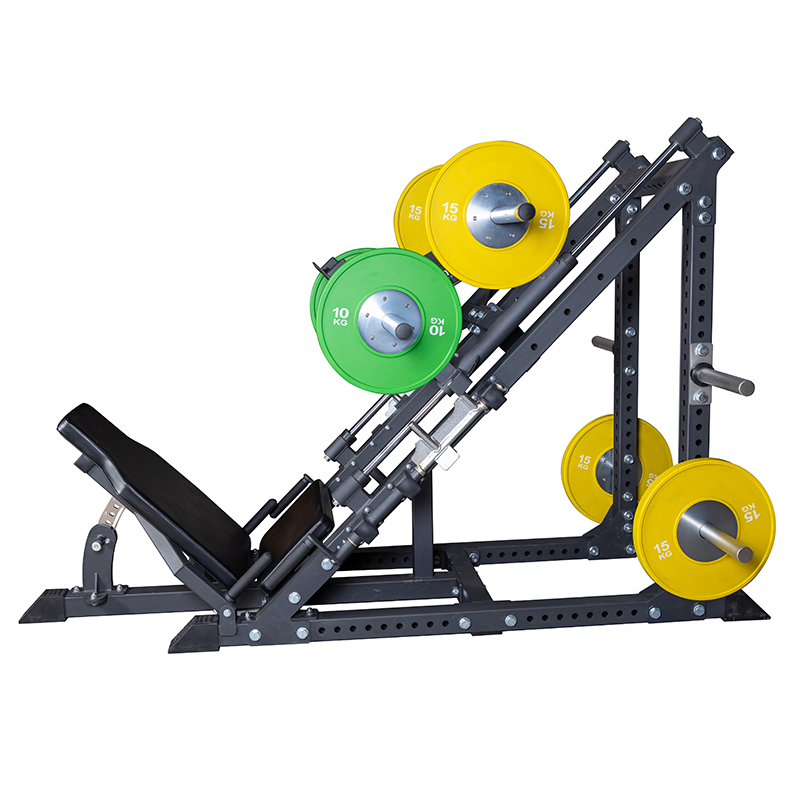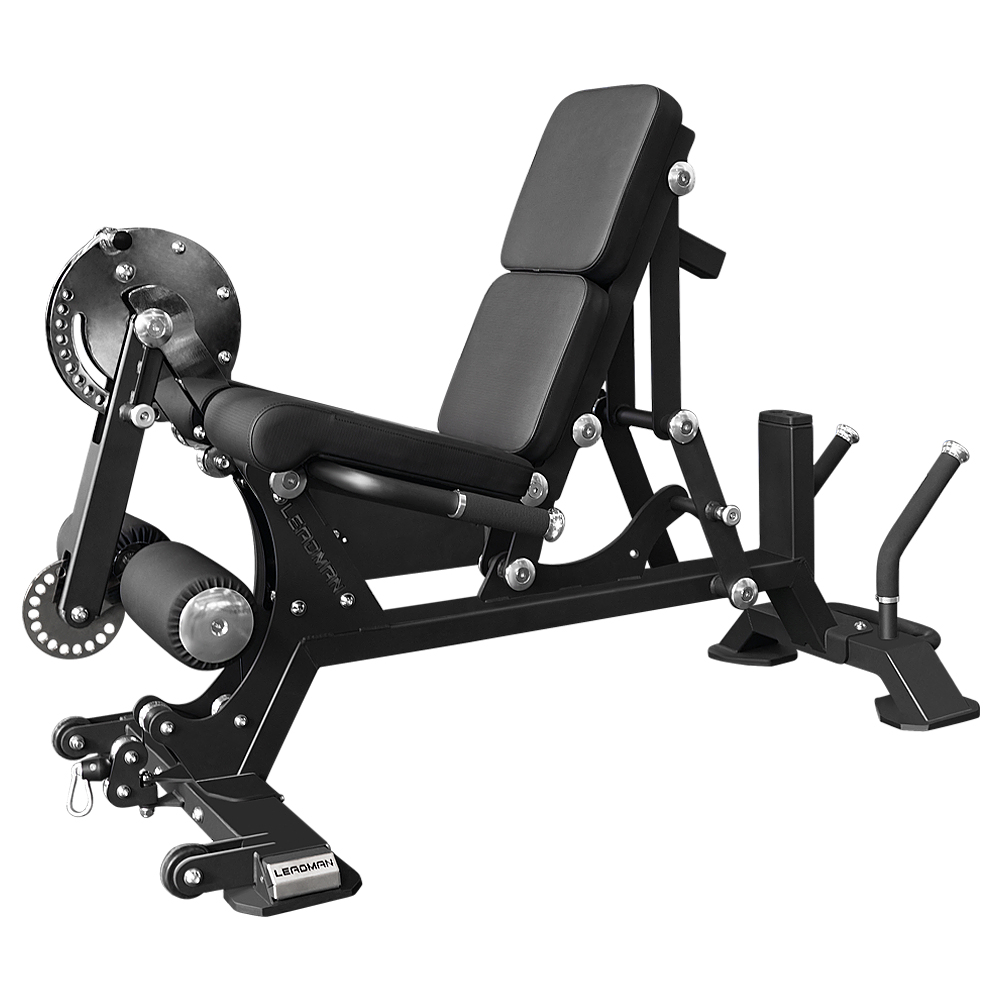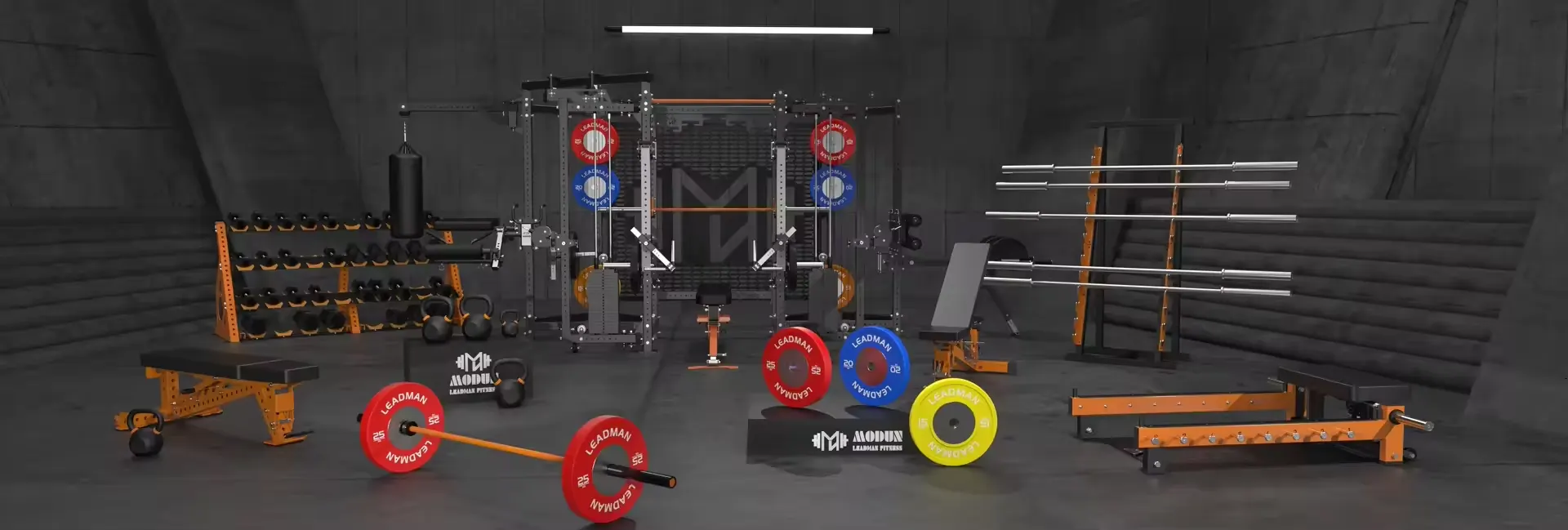
The global market for leg press machine manufacturers spans specialized engineering firms that produce 45-degree sleds, horizontal plate-loaded presses, and selectorized cable-driven units. Commercial-grade machines feature 11-gauge steel frames, linear bearings or UHMW wear pads on carriage guide rails, and footplates with diamond-plate or laser-engraved grip patterns. Weight tolerances for plate-loaded horns follow Olympic 50mm standards, while selectorized stacks range from 150 to 400 lbs. Biomechanical pivot point alignment reduces knee shear, making these machines essential for hypertrophy and rehabilitation. Manufacturing certifications (ASTM F3105, EN 957-2 Class S) validate structural integrity under 500+ lb dynamic loads. For facility owners, evaluating manufacturers involves assessing carriage guidance systems (square rails vs. round rods), bushing materials (bronze vs. nylon), and replacement parts availability for wear items like gas return springs and upholstery.
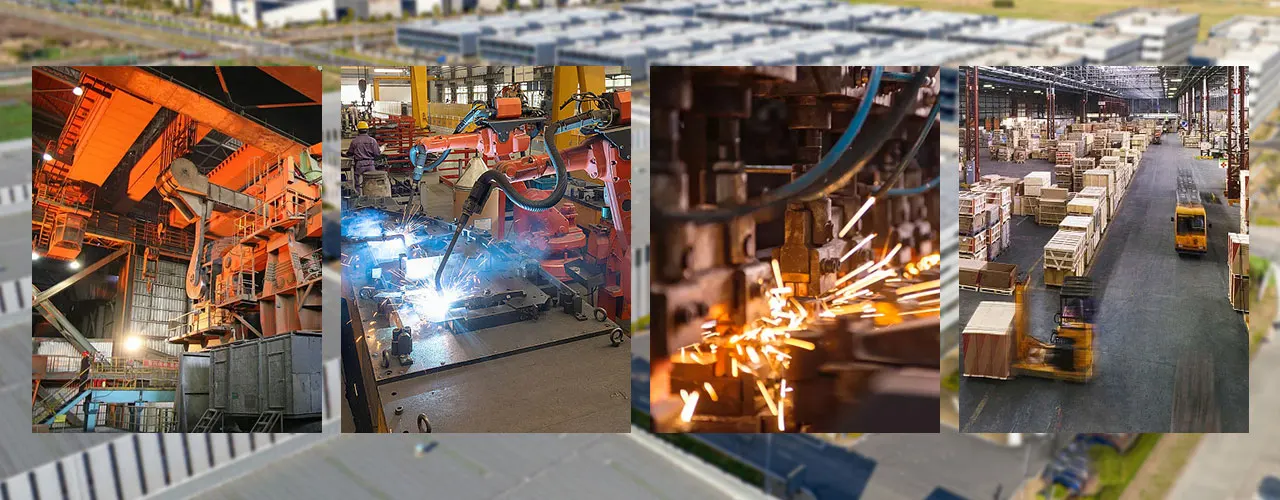
Sourcing directly from an OEM manufacturer rather than a distributor reduces per-unit cost by 30-50% for volume purchases (50+ units). However, buyers must verify batch consistency through third-party pre-shipment inspections. European manufacturers often emphasize variable cam resistance profiles that match human strength curves, while Asian suppliers focus on cost efficiency with standardized linear resistance. Key quality indicators include robotic welding (consistent penetration), five-stage powder coating wash (corrosion resistance), and documented load testing of each frame. Facilities with rehabilitation clientele should seek manufacturers offering low starting resistance (under 20 lbs via 4:1 cable ratio) and adjustable footplates with +/-15 degree tilt. For high-traffic strength zones, plate-loaded designs with 1-inch thick steel carriage plates and pinned sleeve connections outlast selectorized units. A reputable manufacturer provides a parts availability commitment of 7+ years after model discontinuation and publishes explosion-view diagrams for field serviceability.
Emerging trends among leg press machine manufacturers include integrated linear encoders for velocity-based training, electromagnetic resistance motors (eliminating weight stacks), and RFID-tagged components for predictive maintenance alerts. While still premium-priced, these smart machines appeal to data-driven facilities. For most commercial buyers, the traditional plate-loaded or selectorized leg press remains the best value, with urethane-coated guide rods and bolted steel inserts extending service life past 15 years. When comparing manufacturers, request sample carriage guidance assemblies to assess bushing-to-rail fit (zero lateral play at full extension). Avoid suppliers that cannot provide third-party test certifications for the safety stop mechanism—a critical feature that prevents carriage over-travel and user entrapment. Properly engineered leg presses from established manufacturers deliver 20,000+ cycles before bushing replacement, with frame warranties often matching the building's lifespan.
Let our experts design the perfect gym solution for your business. Get a free consultation and quote today.