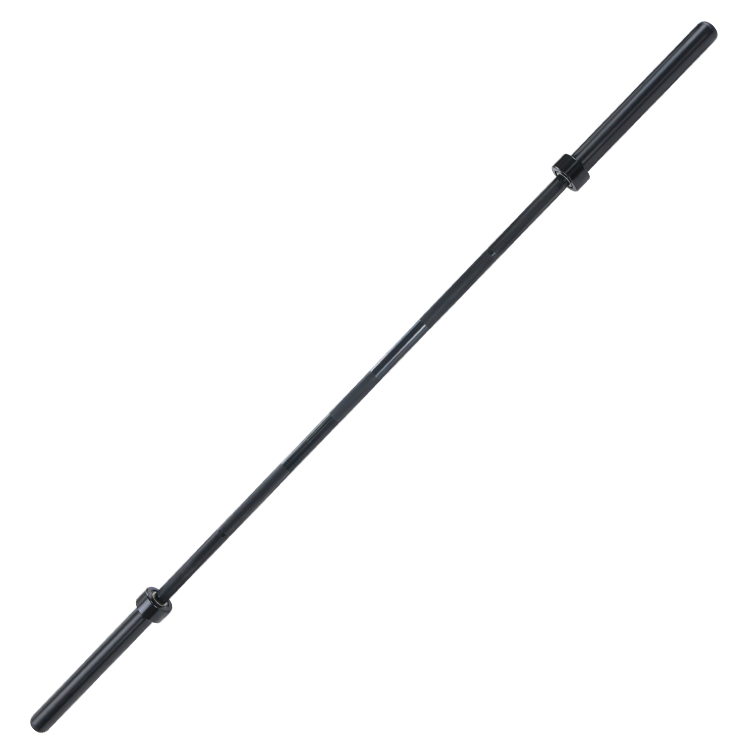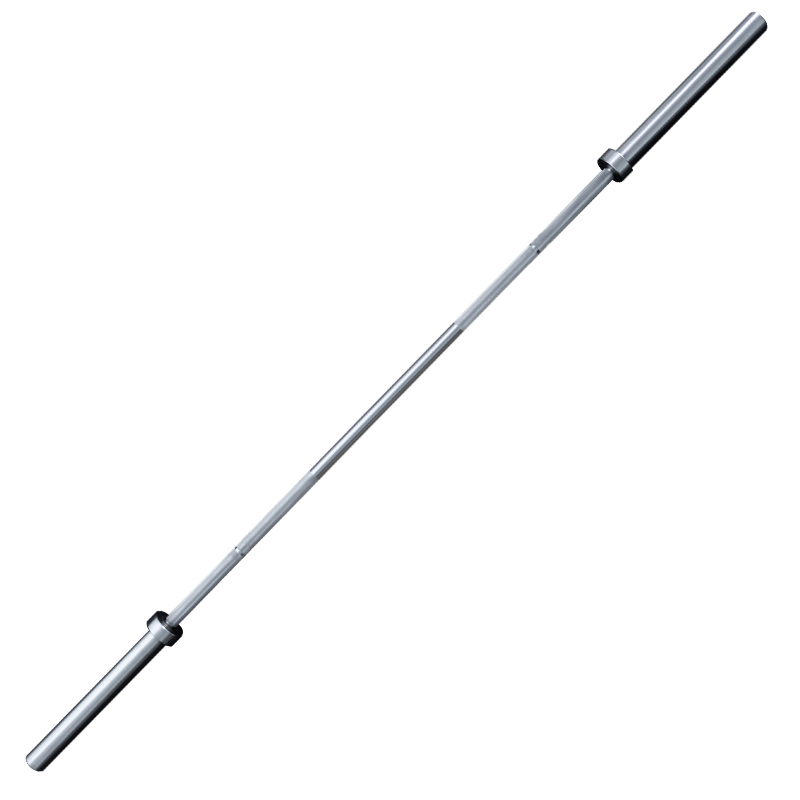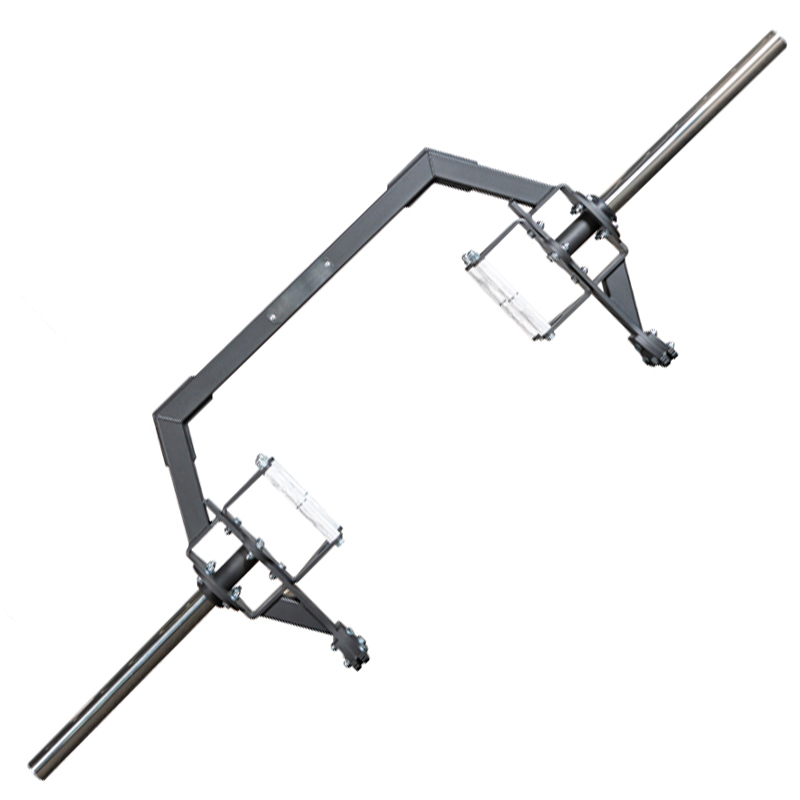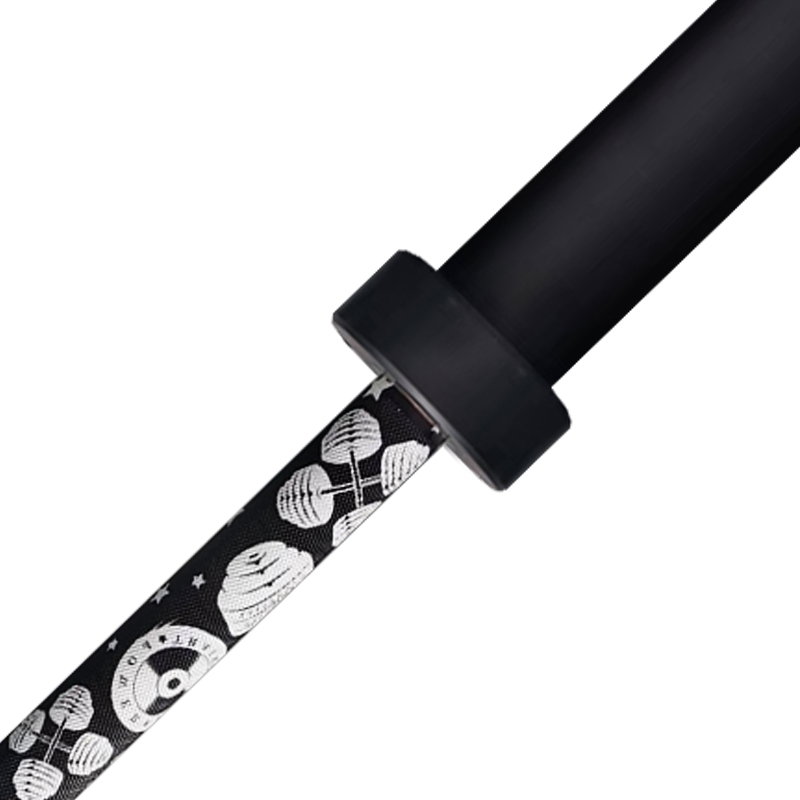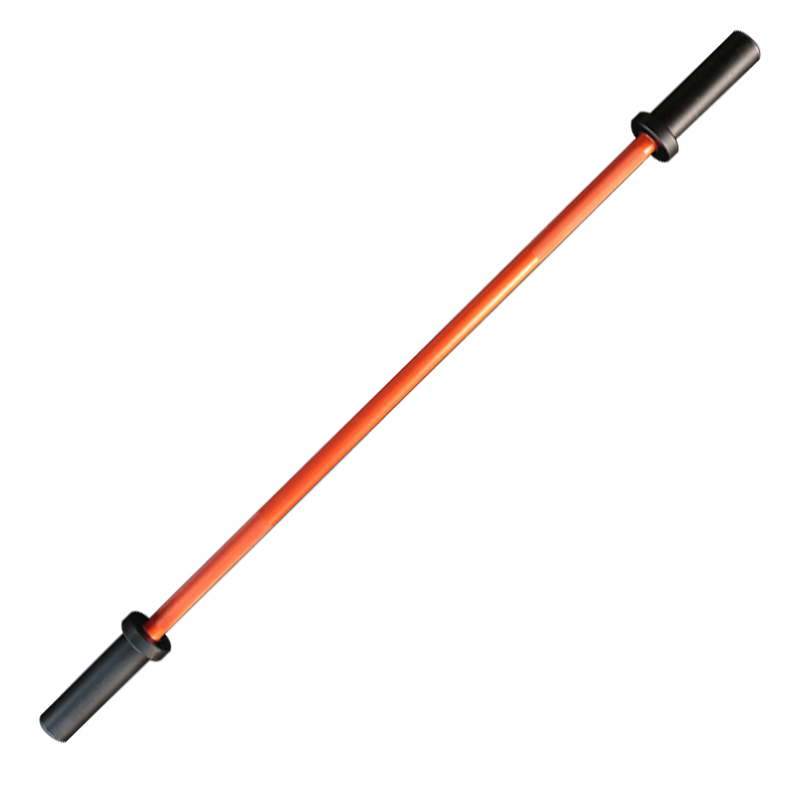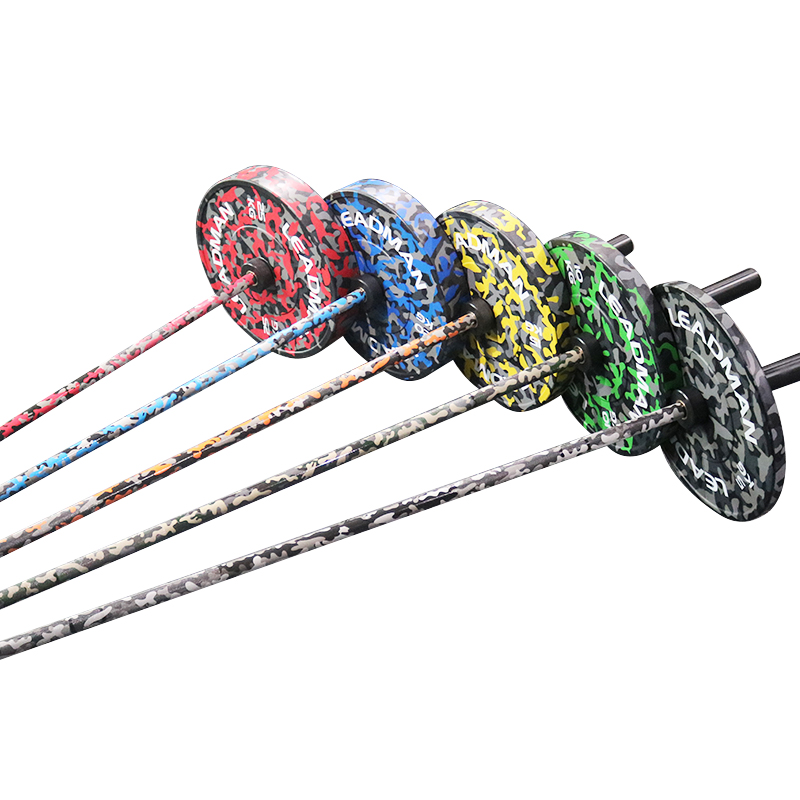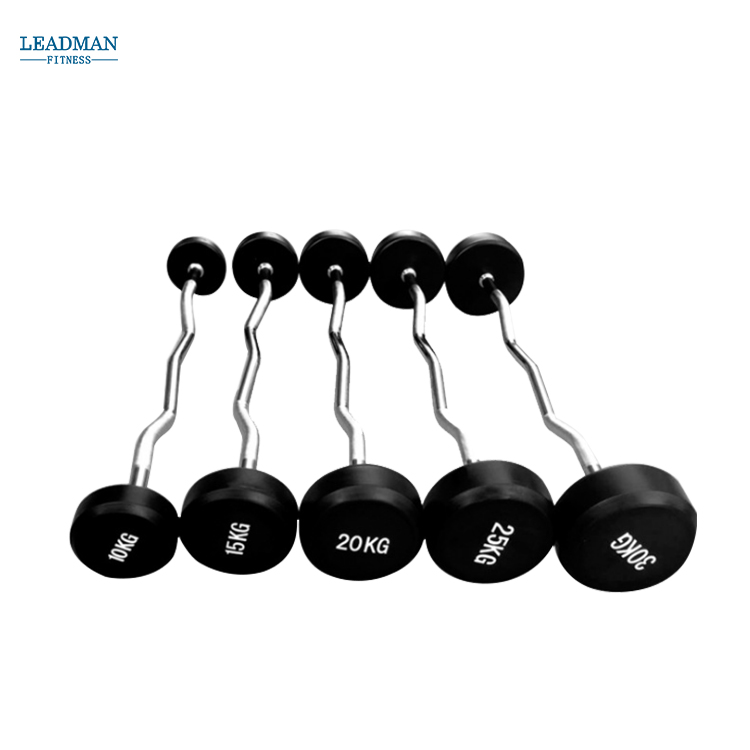
The diameter of standard barbell shafts varies significantly by type, intended use, and governing federation specifications. Unlike the common misconception that all barbells share the same thickness, shaft diameters range from 25mm to 32mm, with each millimeter affecting grip security, bar whip, and exercise suitability. Understanding these differences is critical for buyers selecting barbells for specific training styles or lifter populations.
The most prevalent diameter is 28mm for Olympic weightlifting barbells. This thinner shaft maximizes whip (elastic deformation), allowing the bar to bend and snap during the clean and snatch, reducing the distance the lifter must pull the bar. Olympic barbells prioritize rotational speed and whip over absolute stiffness. Powerlifting barbells typically measure 29mm, offering increased stiffness for squat and bench press stability while maintaining secure grip. The additional 1mm reduces whip by approximately 15-20%, preventing oscillation during maximal lifts.
Industry specifications reveal further specialization. Deadlift barbells feature 27mm shafts, maximizing whip to allow the lifter to break the bar from the floor before the plates fully engage—a mechanical advantage that reduces initial pull difficulty. Multi-purpose or "fitness" barbells often use 28.5mm, attempting to balance Olympic and powerlifting characteristics. Woman's Olympic barbells are standardized at 25mm diameter, accommodating smaller hand sizes while maintaining appropriate whip for female lifters. Cheap or entry-level barbells frequently use 30-32mm shafts with poor knurling, making grip the limiting factor rather than lifter strength.
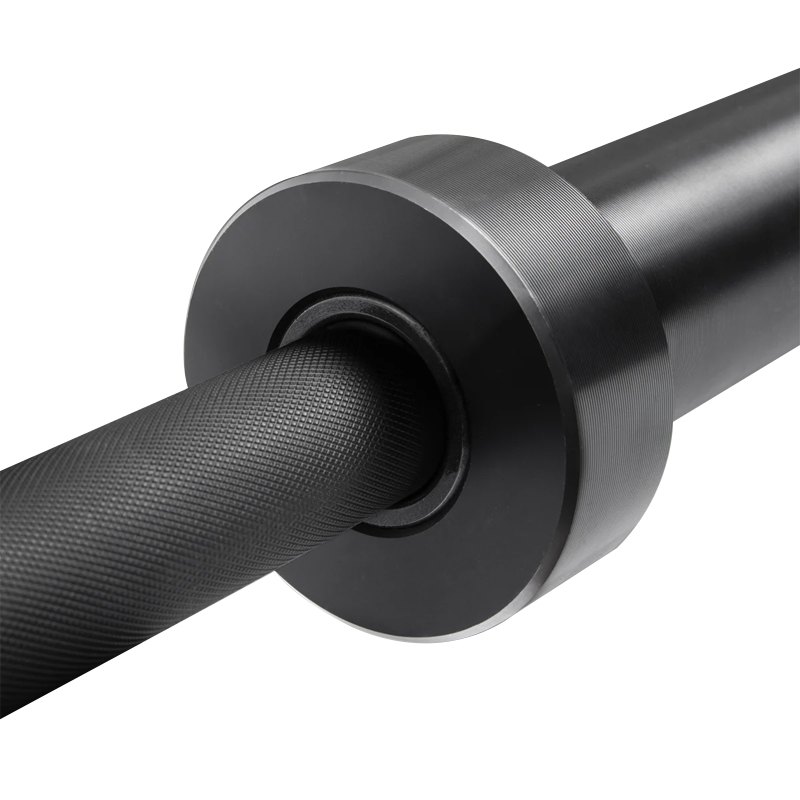
For buyers selecting a barbell based on shaft diameter, match the measurement to the lifter's hand size and training goals. Small-handed lifters (women, youth, or athletes with glove sizes under 7) should prioritize 25-28mm bars to maintain secure grip without forearm fatigue. Large-handed lifters (men with glove sizes 10+) may prefer 29-32mm for comfort during high-volume pulling. For cross-training or general fitness facilities, 28.5mm offers the best compromise across user populations. Always verify the knurling pattern and depth alongside diameter—a 28mm bar with shallow knurling slips more than a 29mm bar with aggressive texture. Competition-bound lifters must adhere to federation rules: IPF powerlifting requires 29mm, IWF weightlifting requires 28mm for men and 25mm for women. Expect to pay $200-400 for quality 28-29mm bars; sub-$100 bars typically use 30mm+ diameters with poor steel quality, making them unsuitable for serious training.