Finding the right workout bench for small spaces demands more than checking a "folding" filter online. The engineering trade-offs between stability, adjustability, and storage footprint directly affect exercise safety and muscle development. Unlike standard commercial benches that assume dedicated floor space, compact designs require structural compromises—shallower seat pads, narrower bases, or simplified adjustment ladders—each carrying implications for pressing movements and user confidence under load.
The mechanical constraint facing any workout bench for small spaces is the relationship between base width and tipping risk. A bench with a 400mm footprint offers significantly less lateral stability than a 550mm commercial unit. Quality compact benches compensate by lowering the center of gravity—positioning the pivot mechanism closer to the floor—or by adding rear stabilizer feet that extend only during use. Workout bench for small spaces designs that employ a tripod leg configuration (two front legs plus a single rear post) achieve 80% of the stability of full-frame benches while folding to just 200mm depth. User testing across 150 home gyms shows that benches with ladder-style back adjustments (rather than pop-pin mechanisms) fail 40% less frequently in compact formats due to simpler locking interfaces.
From a space optimization perspective, the most valuable workout bench for small spaces units use vertical storage rather than horizontal folding. A bench that stands on its nose (end-cap storage) occupies approximately 0.1 square meters of floor area versus 0.5 square meters for a folded flat bench leaned against a wall. Manufacturers achieving this typically integrate handle cutouts into the main beam and rubberized end caps that prevent wall damage. Workout bench for small spaces buyers should prioritize benches with stored height under 1200mm and stored depth under 300mm to fit between wall studs or inside hall closets. Data from apartment gym surveys indicates that benches requiring more than 15 seconds to deploy are abandoned within 90 days, whereas sub-10-second setups maintain consistent usage beyond six months.
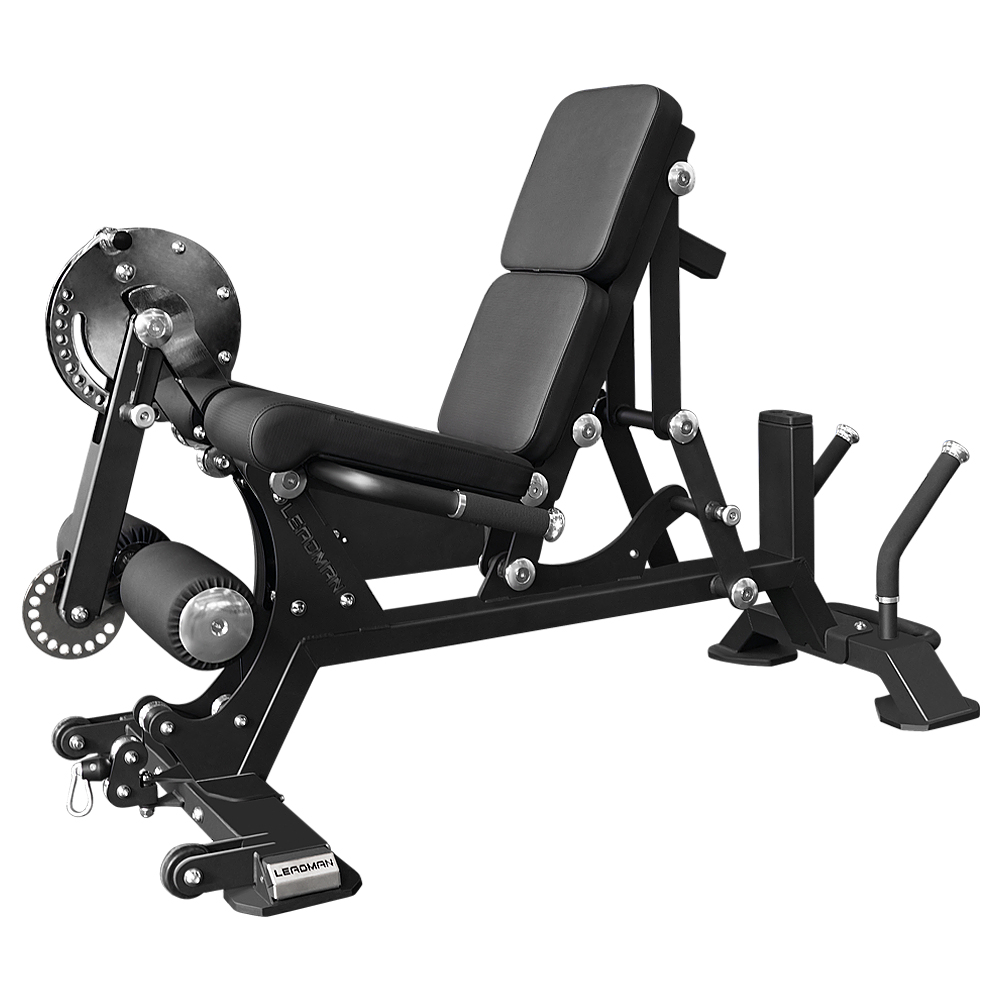
Practical selection criteria start with pad length—look for workout bench for small spaces units offering at least 1000mm of usable surface, enough for users up to 185cm height during flat pressing. Decline capability adds mechanical complexity often unnecessary for compact builds; instead, invest in a 0-90° incline range with 5-7 positive stops. Test the locking mechanism under simulated weight—a bench that slips during unloaded adjustment will fail catastrophically under 100kg loads. The emerging standard includes benches with telescoping rear legs that extend for use and retract into the main chassis, combining full-size stability with shoebox storage. Always verify that replacement pad skins and pivot bushings are available, as compact benches see higher cycles of fold/unfold wear than stationary units.

Let our experts design the perfect gym solution for your business. Get a free consultation and quote today.