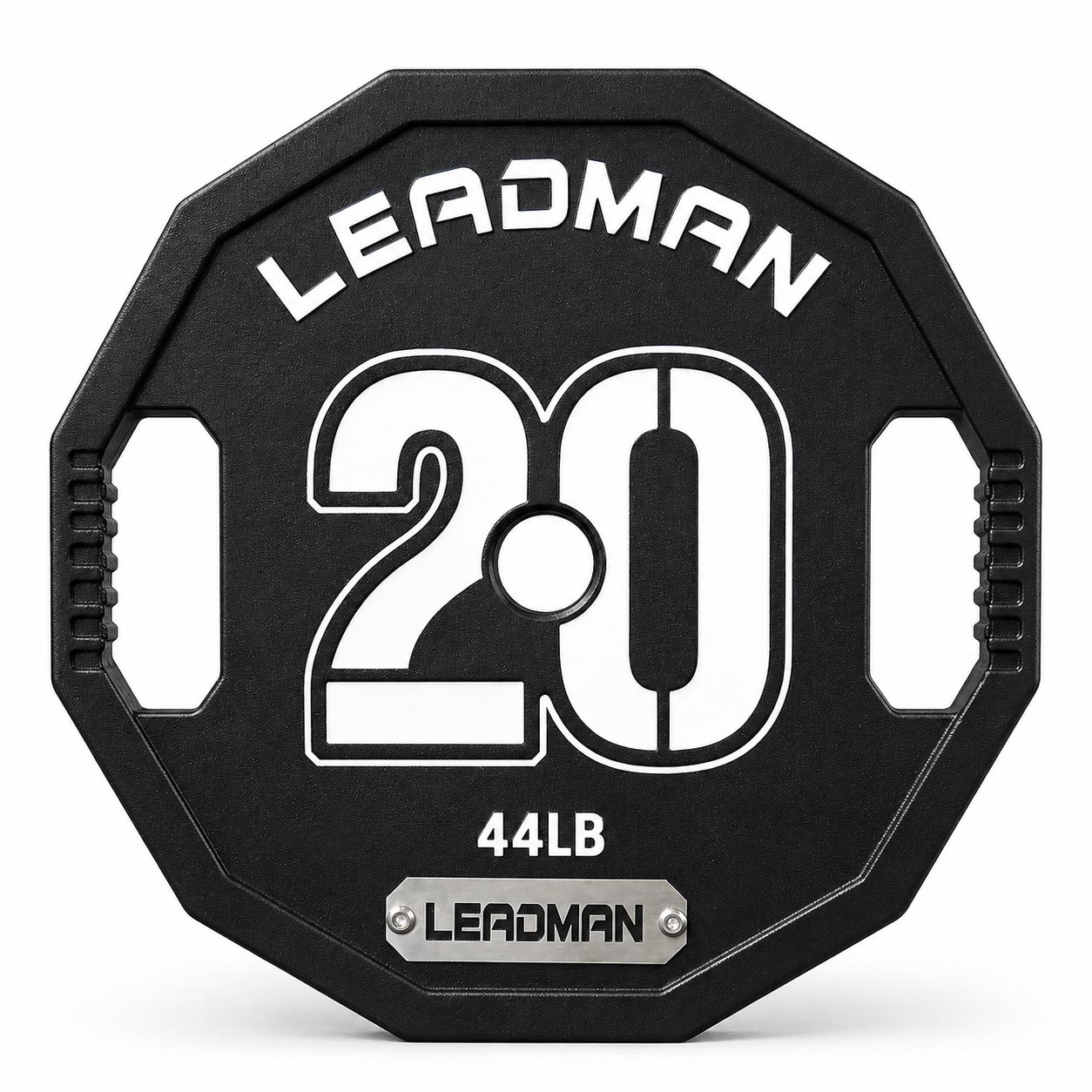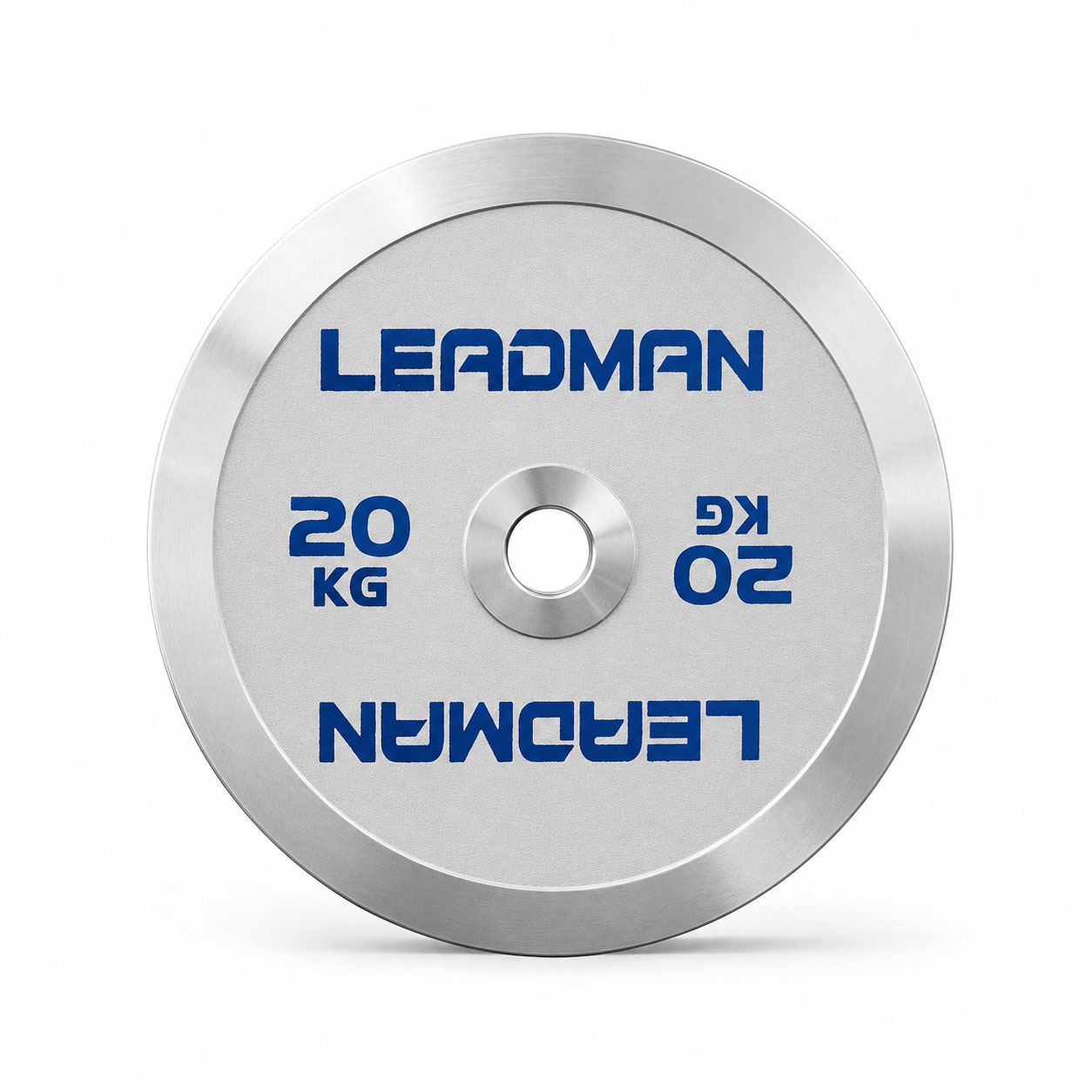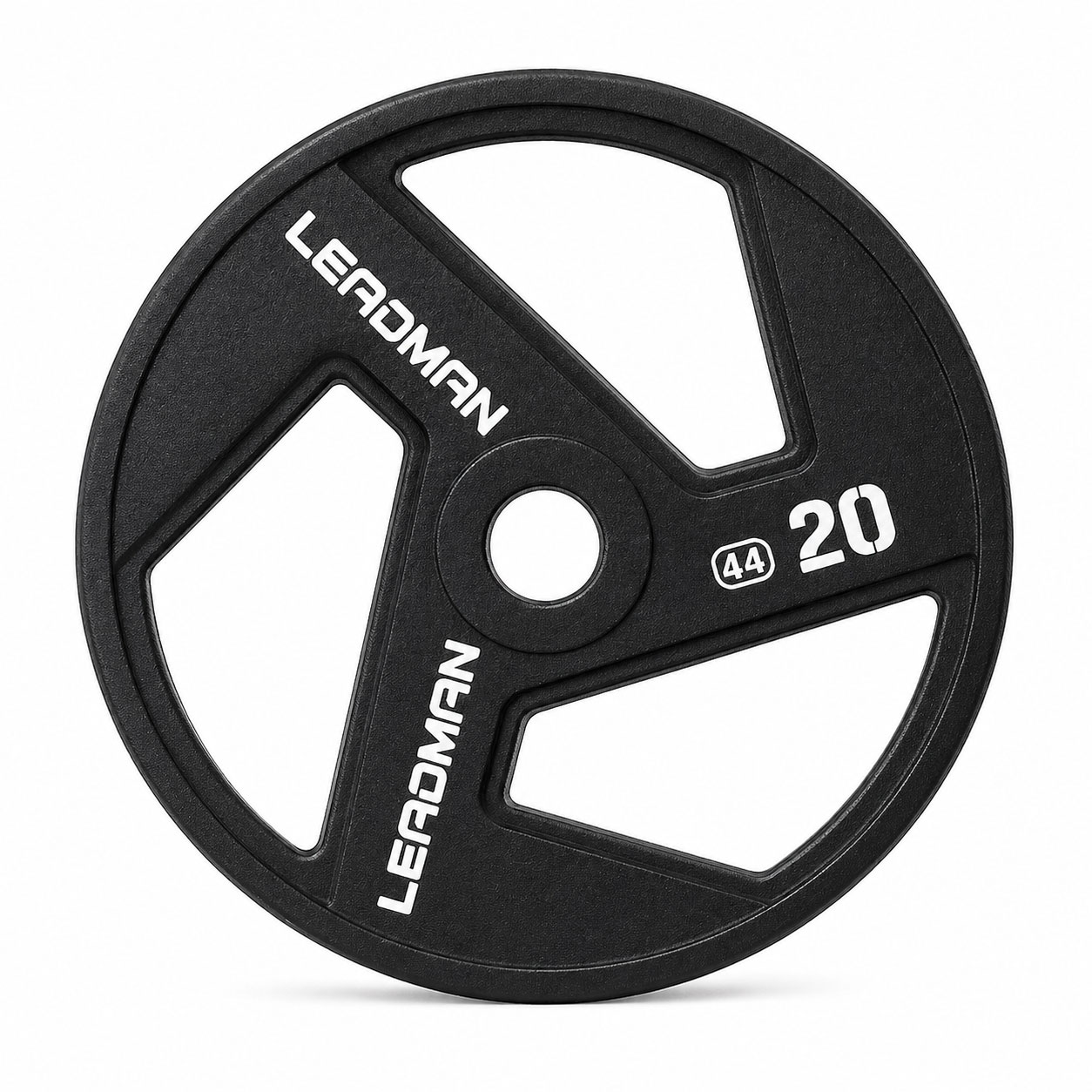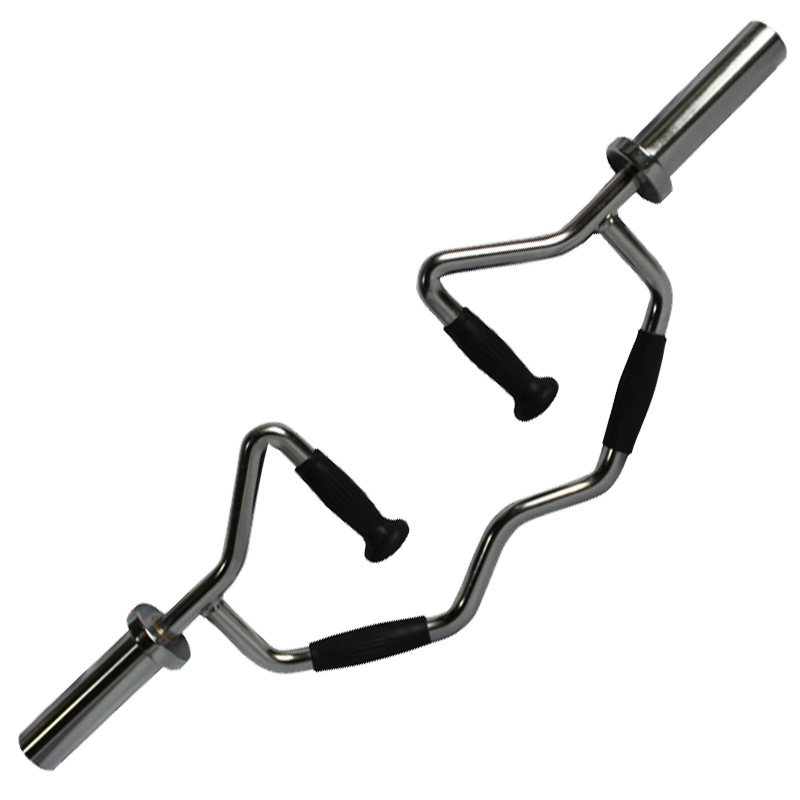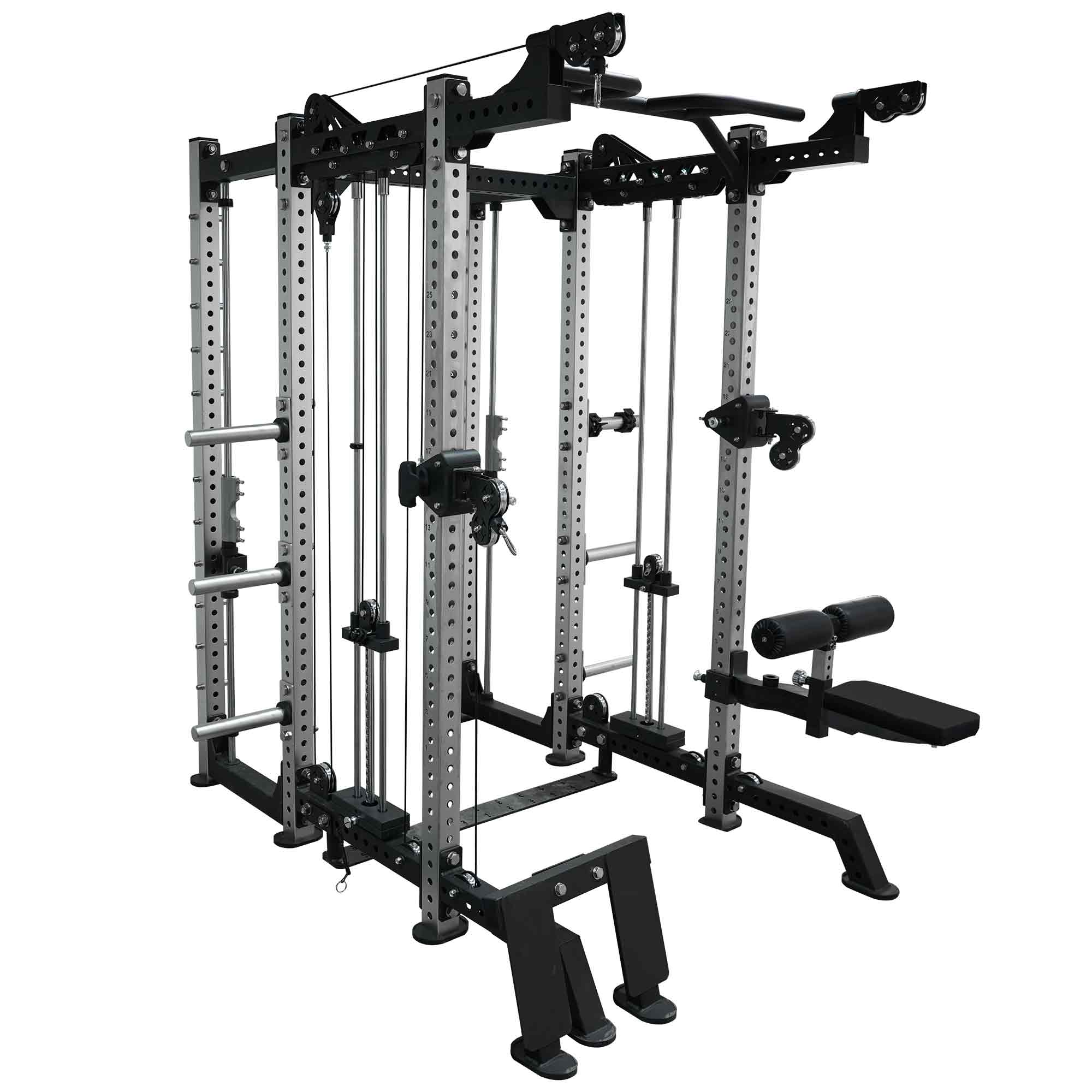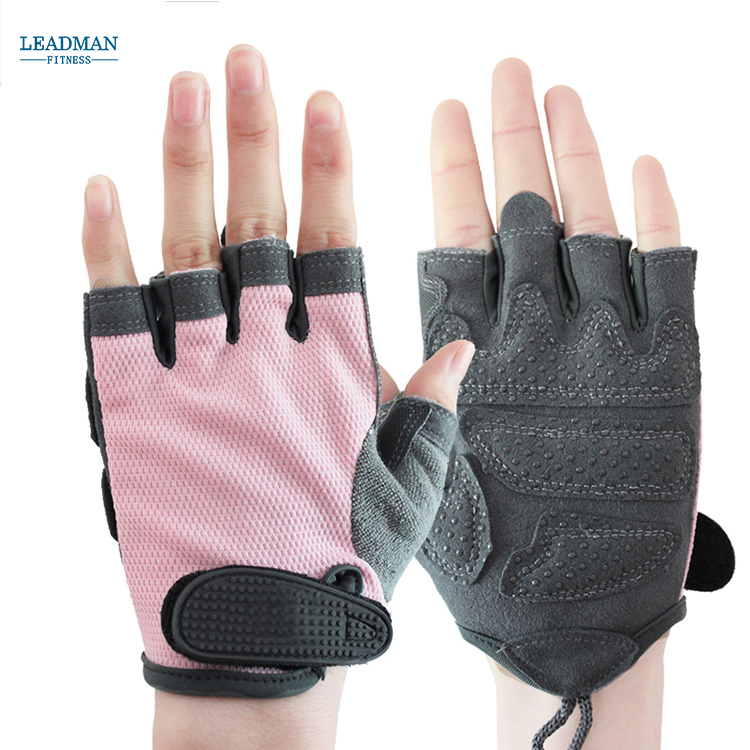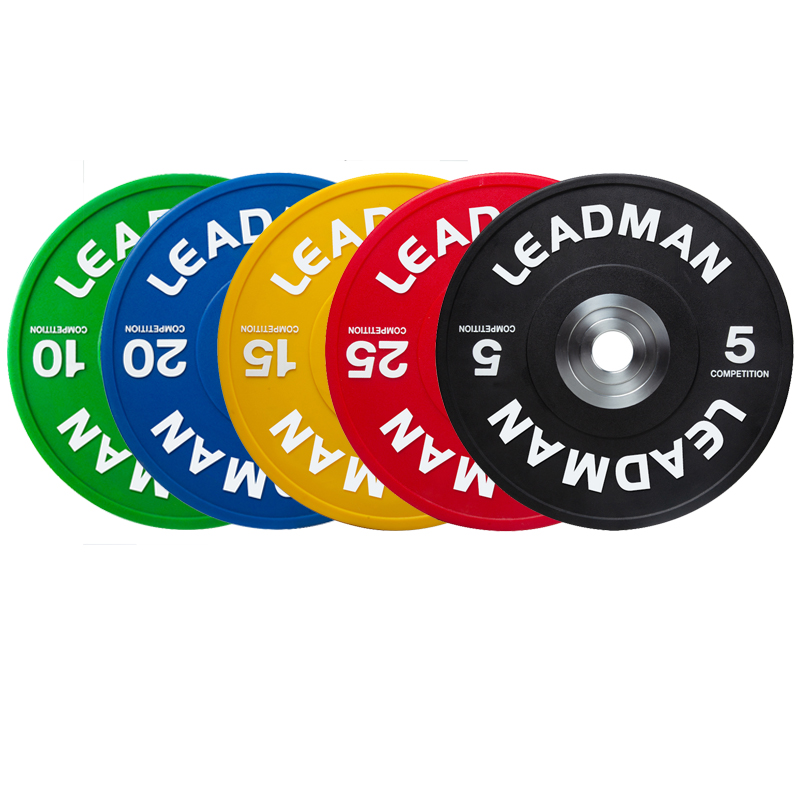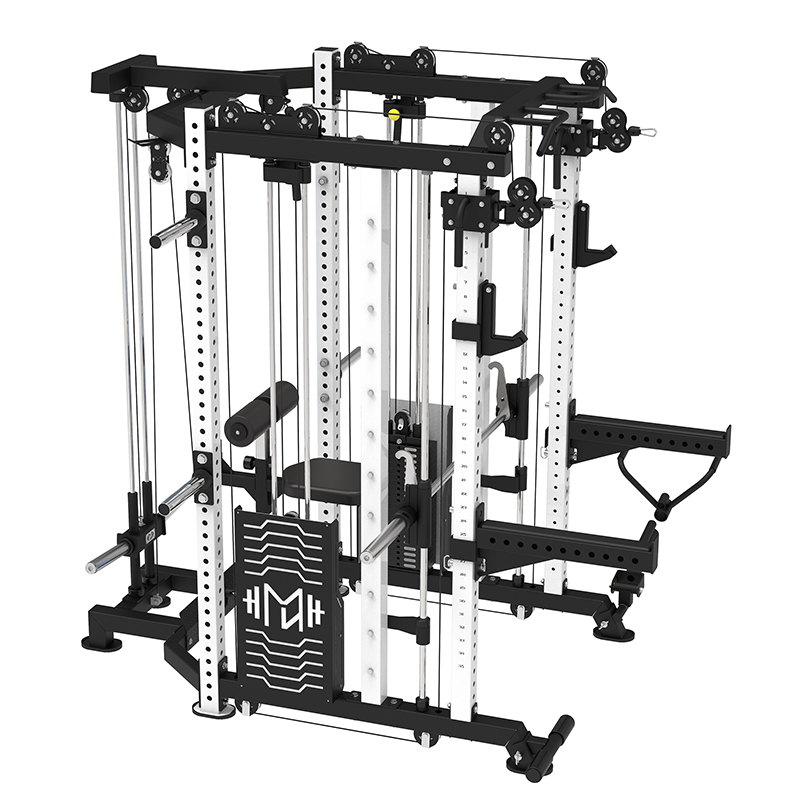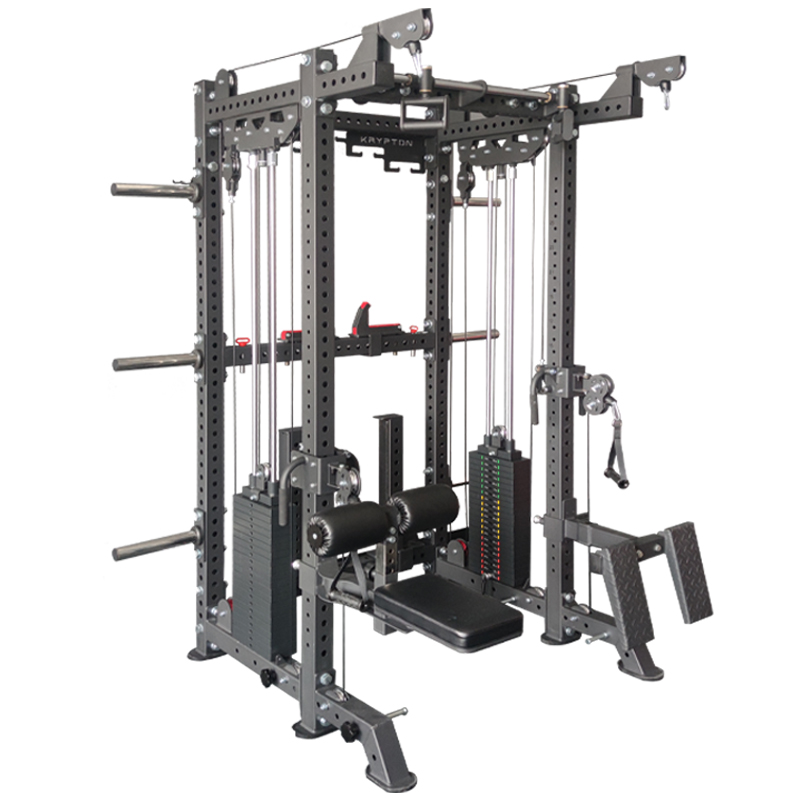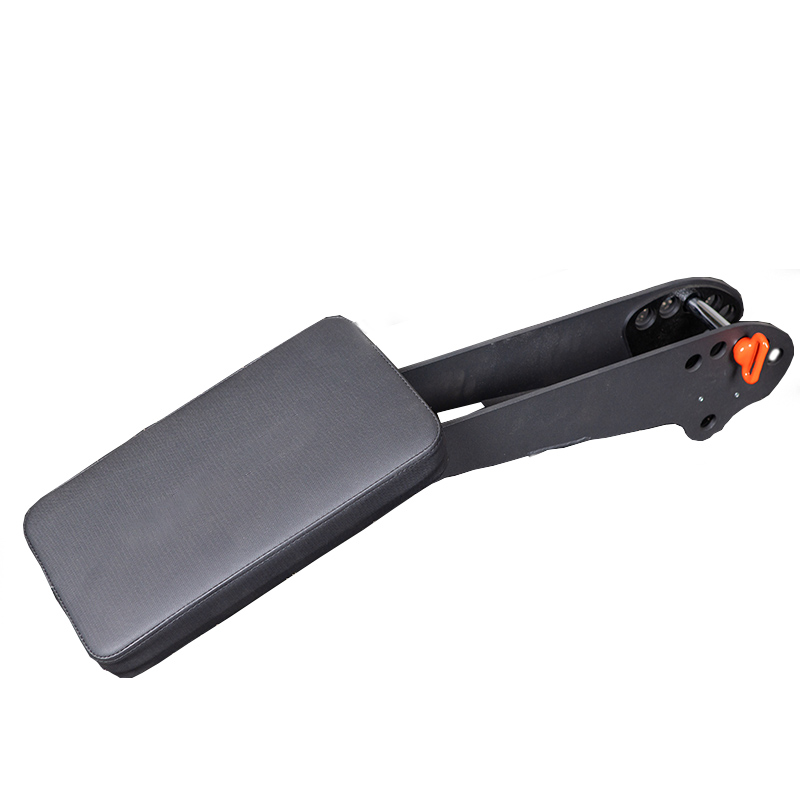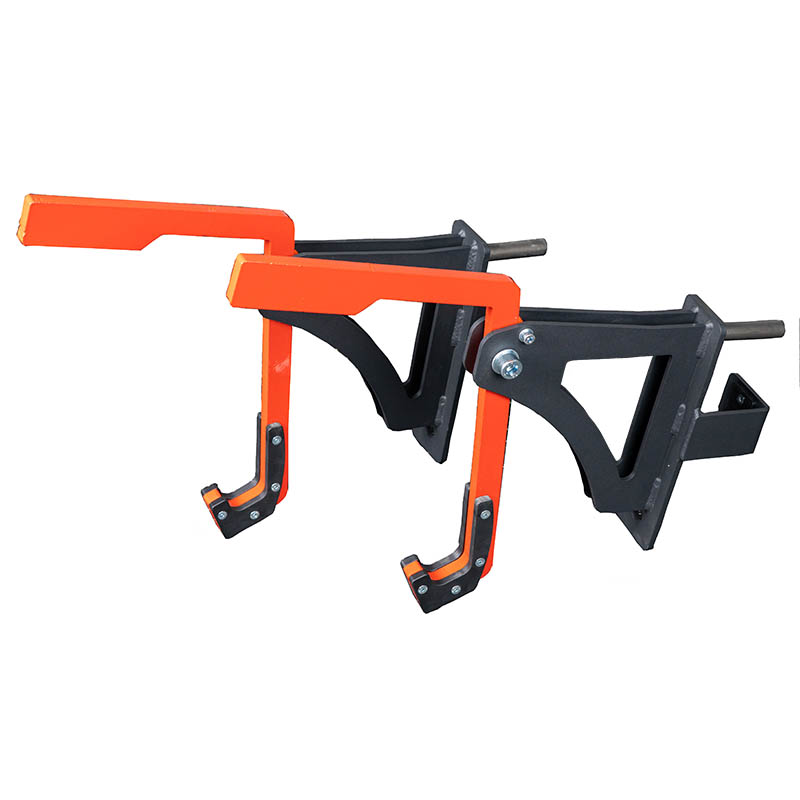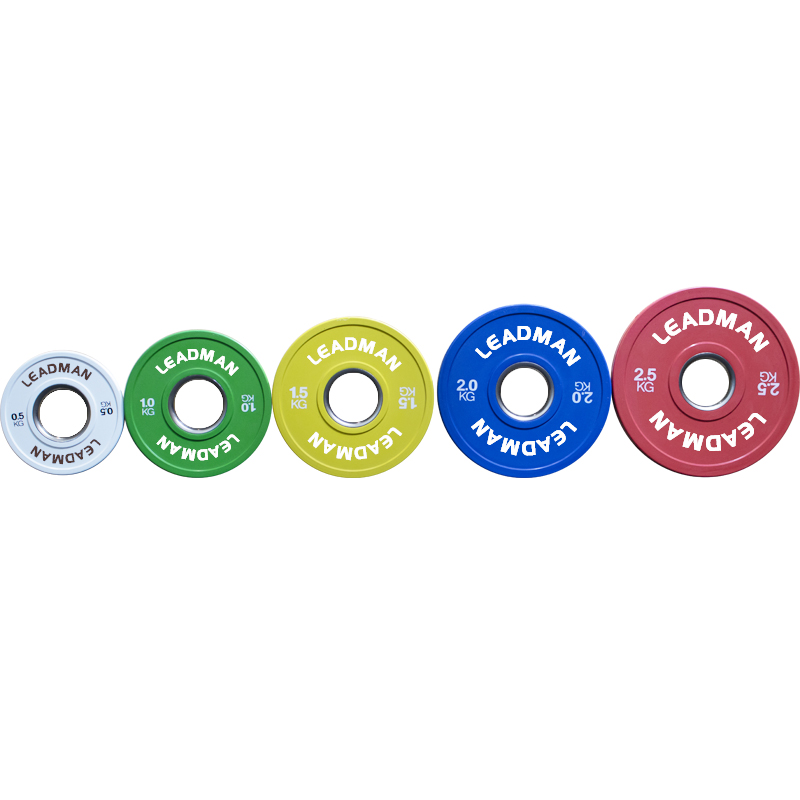
Navigating wholesale price gym equipment requires understanding a fundamentally different pricing logic than retail or even B2B drop-ship models. Wholesale pricing is not merely a discount applied to a retail number—it is a function of order volume, container utilization, factory-direct negotiations, and the buyer's willingness to accept longer lead times or lower-touch support. For gym operators, franchise purchasers, and resellers, decoding this structure can mean the difference between a 25% margin and a 55% margin on resold equipment or outfitted facilities.
The primary lever affecting wholesale price gym equipment is Minimum Order Quantity (MOQ) across product families rather than per SKU. A manufacturer offering a $150 retail dumbbell set might quote $85 per unit at wholesale—but only if you order 200+ mixed-weight sets on a pallet. The underlying mechanism involves fixed mold amortization, batch material purchasing, and production line changeover costs. When you consolidate multiple equipment types (dumbbells, barbells, benches, racks) into a single container shipment, per-unit logistics costs drop by 30–40%, and manufacturers pass a portion of those savings forward. Data from equipment importers indicates that full 20-foot container orders achieve 18–22% lower per-kg rates compared to LCL (less than container load) shipments.
Smart buyers analyze wholesale price gym equipment by distinguishing between factory pricing and landed cost. The quoted ex-factory price excludes sea freight, customs clearance, inland trucking, tariffs, and warehousing. For example, a $10,000 equipment order might incur $3,200 in freight, $900 in tariffs (variable by country), and $600 in customs brokerage—adding 47% to the true cost. Wholesale price gym equipment suppliers who provide transparent Incoterms (typically FOB or EXW) allow you to control shipping logistics; those quoting DDP (delivered duty paid) embed a markup of 15–25% for convenience. Experienced purchasers consistently choose FOB terms and hire their own freight forwarders, achieving 12–18% net savings on large orders.
For procurement optimization, begin by requesting a tiered wholesale price gym equipment sheet showing rates at 100, 250, 500, and 1,000 unit volumes. Prioritize suppliers offering sample approval with cost credited toward first bulk order. Avoid manufacturers who cannot provide ASTM/EN testing certifications, as customs rejection or liability claims erase any wholesale savings. The most competitive suppliers operate on 35–45% gross margins from wholesale pricing, leaving room for negotiation—especially when ordering in off-peak seasons (Q2 calendar). Emerging models include hybrid wholesale-direct programs, where manufacturers offer near-wholesale pricing on smaller MOQs in exchange for exclusive territorial rights or branded showroom commitments. Always calculate your equipment cost per member or per square foot, not just per unit, to validate whether the wholesale price genuinely improves your business economics.
Let our experts design the perfect gym solution for your business. Get a free consultation and quote today.