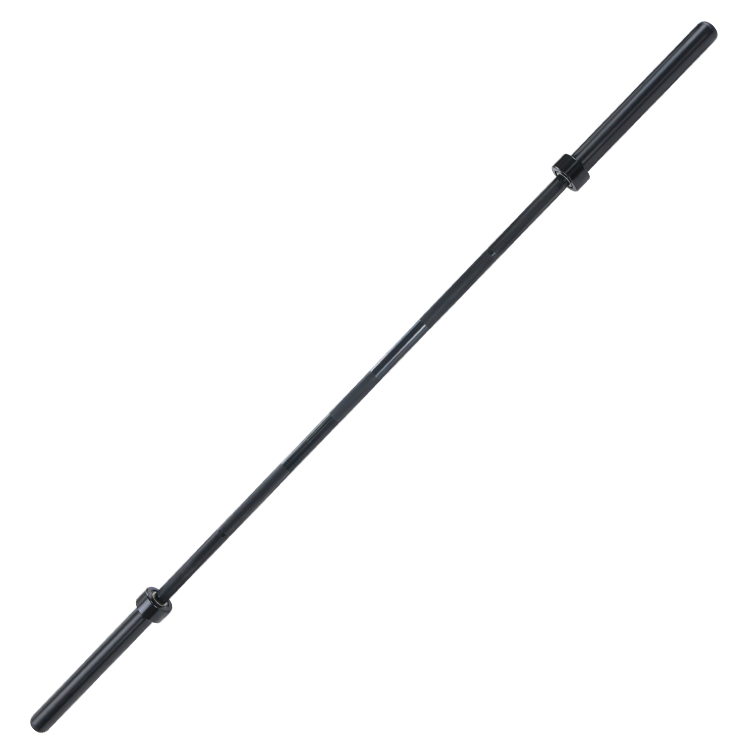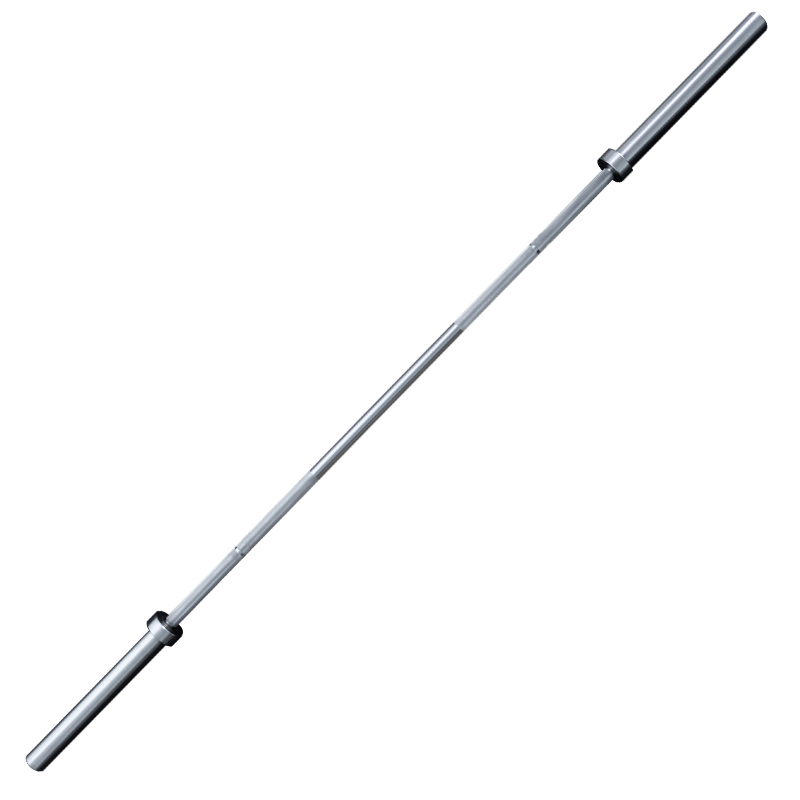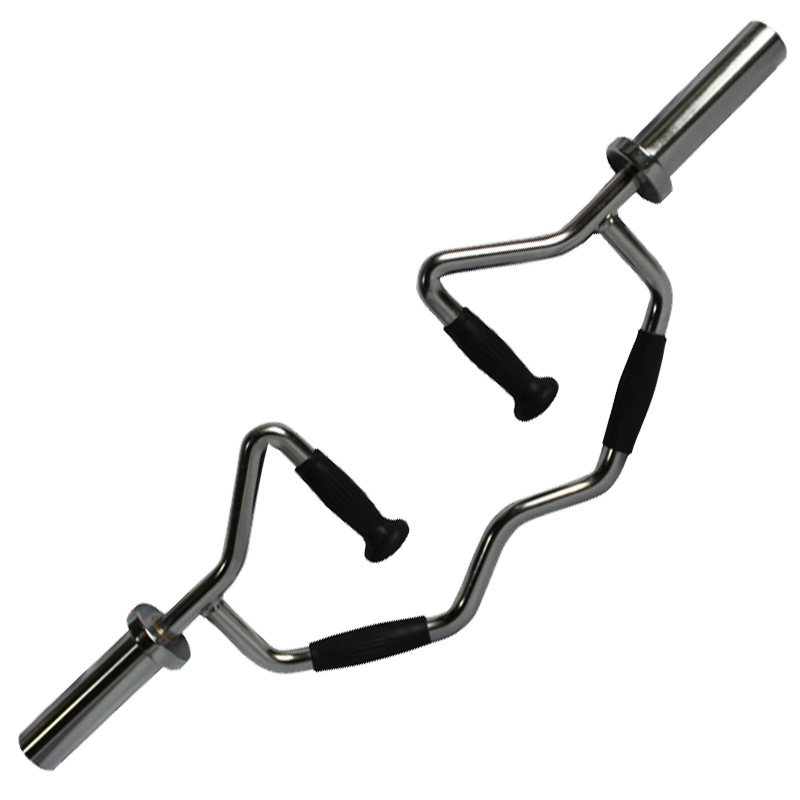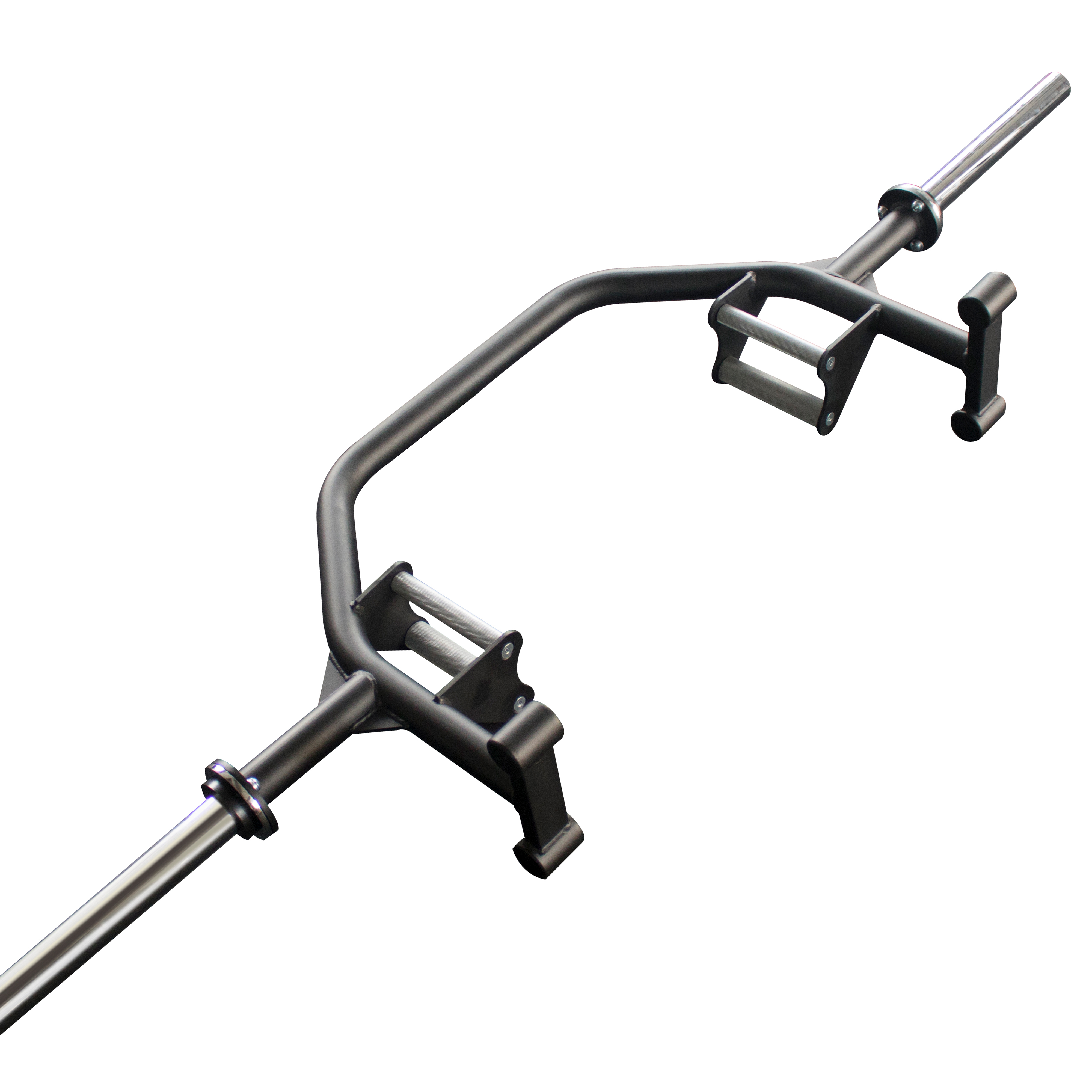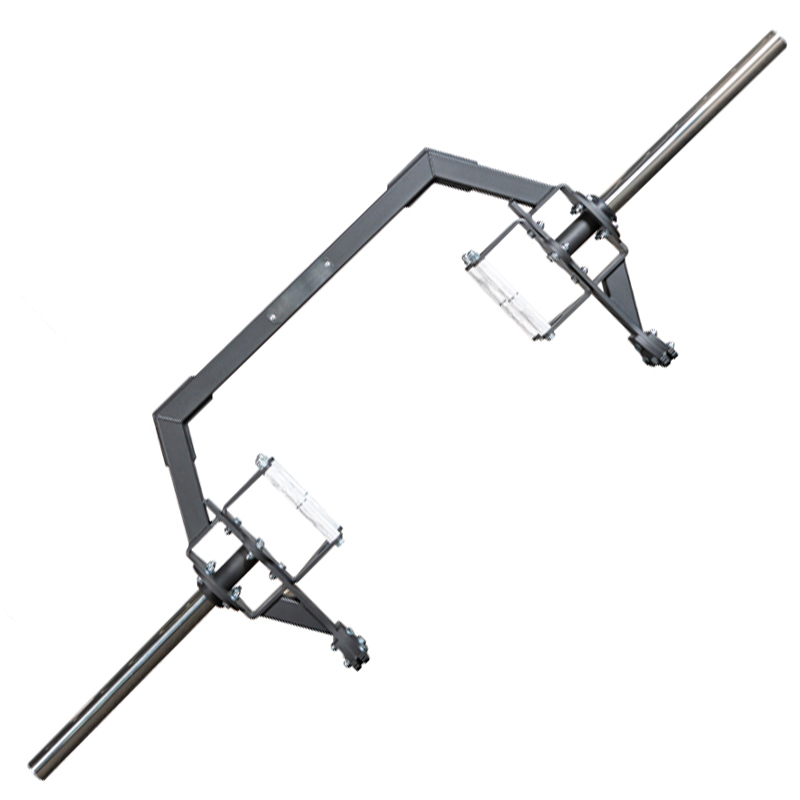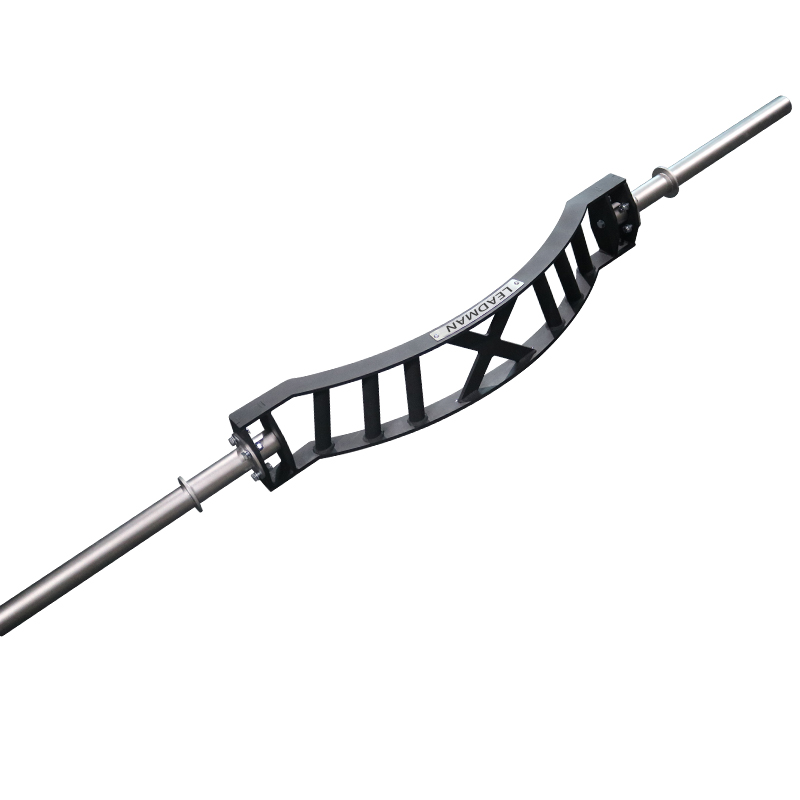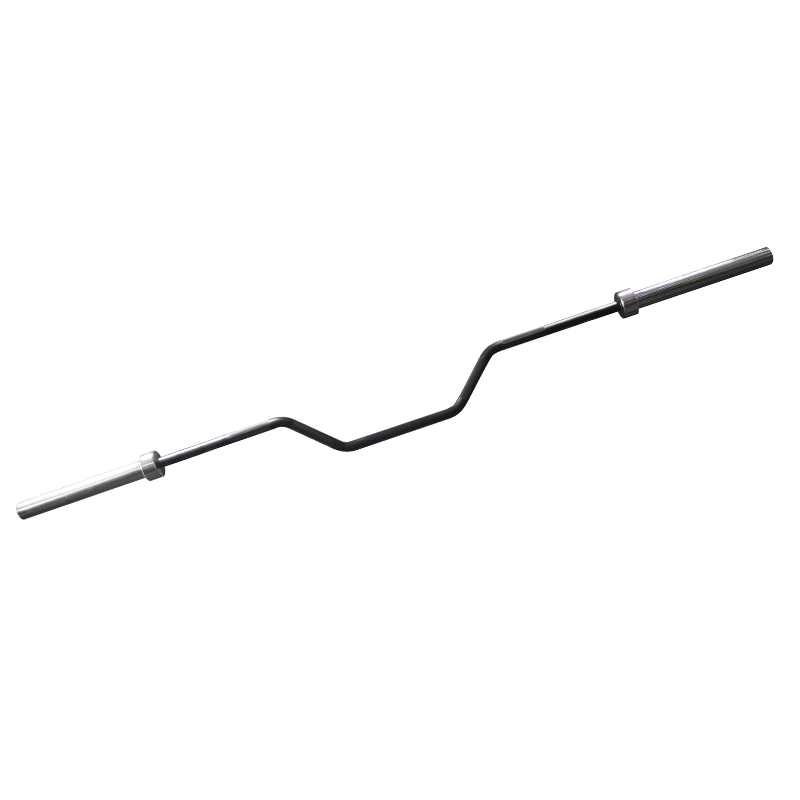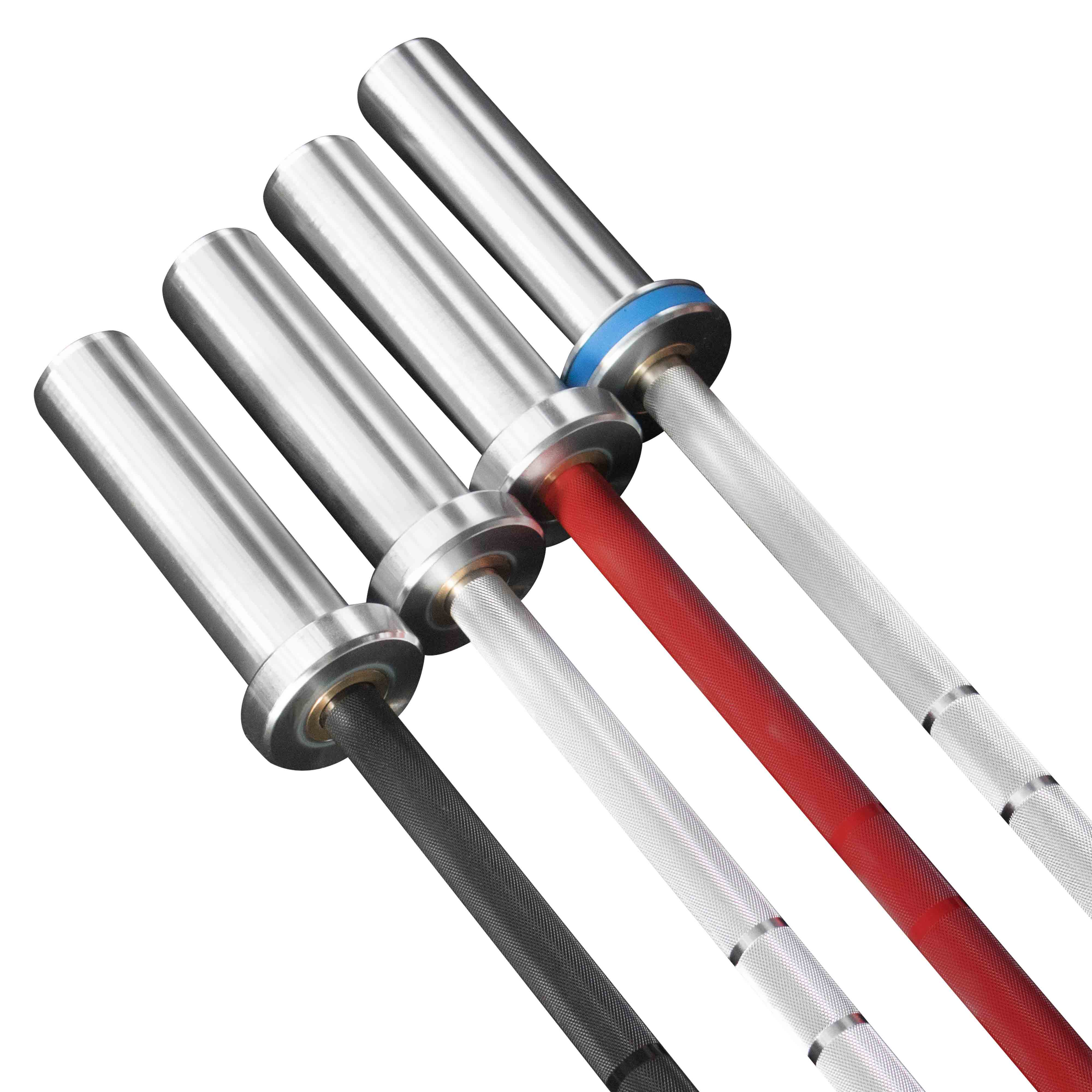
Understanding the weight of 1 inch barbell is a fundamental specification that significantly influences equipment selection, loading calculations, and programming accuracy in both commercial and home gym environments. Unlike Olympic barbells that follow standardised weight conventions—20kg (44lbs) for men and 15kg (33lbs) for women—1-inch standard barbells exhibit notable weight variability based on bar length, shaft diameter, and manufacturing tolerances. This variation, while often overlooked by casual users, directly impacts progressive overload tracking, plate matching, and safety compliance, particularly when integrating standard plates with specialty bars or machine attachments.
A typical 1-inch barbell weighs between 10lbs (4.5kg) and 18lbs (8.2kg), with 15lbs (6.8kg) representing the most common weight encountered in general fitness facilities. This base weight serves as the foundation for all loading calculations: a 15lbs standard bar loaded with two 25lbs plates totals 65lbs, whereas a 10lbs bar with identical plates yields 60lbs—a 5lbs discrepancy that matters significantly in incremental programming, particularly for novice lifters. Manufacturers often specify bar weight on the end cap or shaft engraving, but absent this data, facility operators should verify actual weight using certified scales to establish precise baseline measurements.
The practical implications of bar weight extend beyond arithmetic. Lighter bars facilitate technique development in beginner and youth populations, allowing movement pattern mastery without excessive load. Conversely, heavier 1-inch bars approximate Olympic bar weight, enabling seamless transitions between barbell types. Standard barbell weight also influences plate storage and rack design: lighter bars impose less static load on vertical storage units, while heavier variants require reinforced hangers to prevent long-term sagging. Furthermore, when pairing standard bars with plate-loaded machines—leg presses, hack squats, and lat pulldowns—precise bar weight knowledge enables accurate total load calculation, affecting exercise prescription and progression tracking across multi-station circuits.
Material and construction differences further affect standard bar weight. Solid steel bars without chroming fall at the lower end of the range, while chrome-plated or zinc-coated bars may weigh slightly more due to surface coating. Threaded sleeve bars and fixed-collar designs also introduce minor weight variations. For commercial facilities, establishing a consistent inventory of 1-inch bars with matching weights across all units simplifies member education and reduces confusion during group fitness programming. Facilities serving diverse populations—youth, female, senior, and beginner lifters—should consider stocking 10–12lb bars alongside standard 15lb bars, ensuring appropriate starting weights for every demographic while maintaining consistent bar handling characteristics.
>
Let our experts design the perfect gym solution for your business. Get a free consultation and quote today.