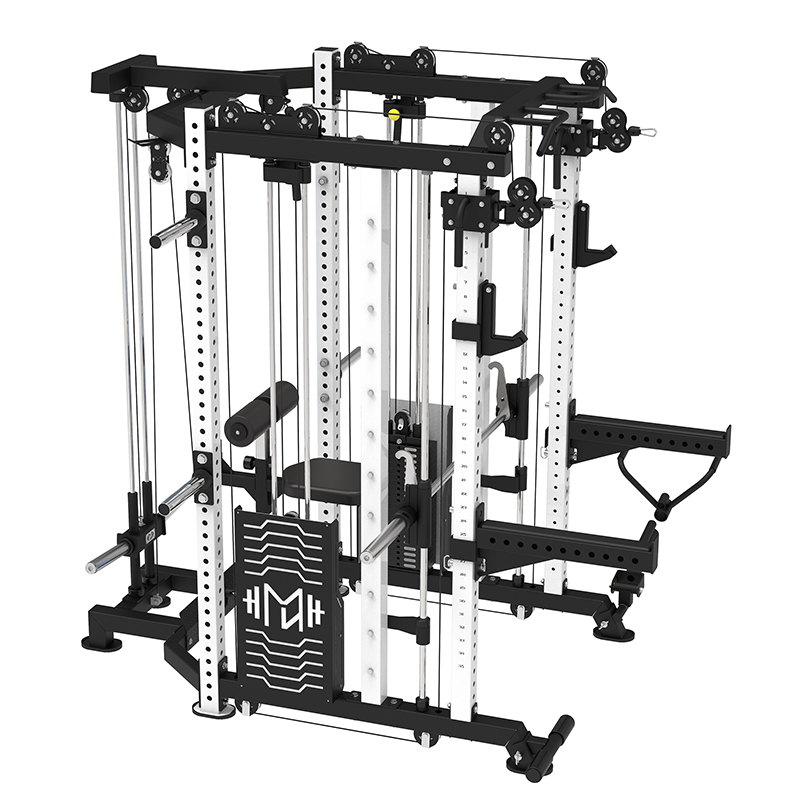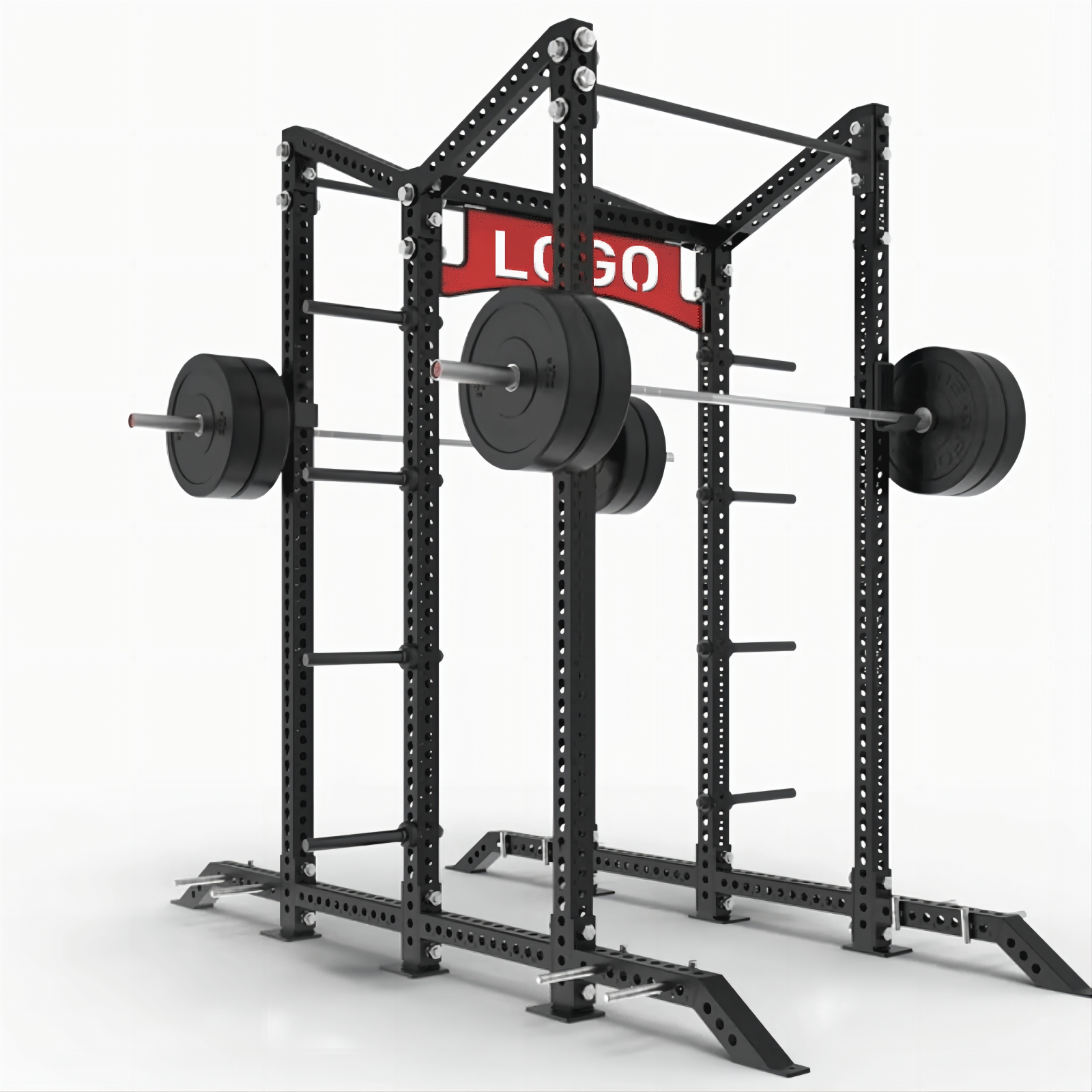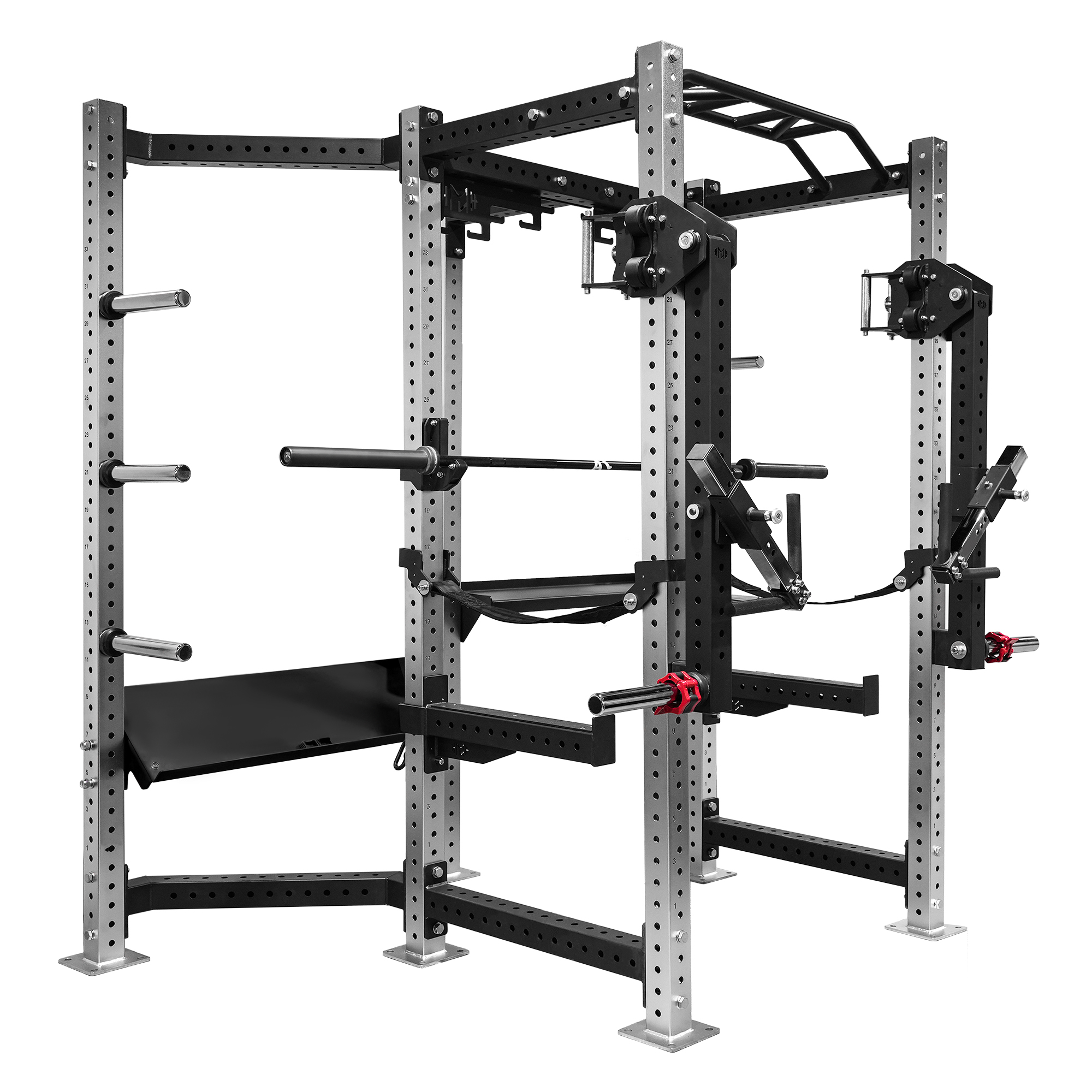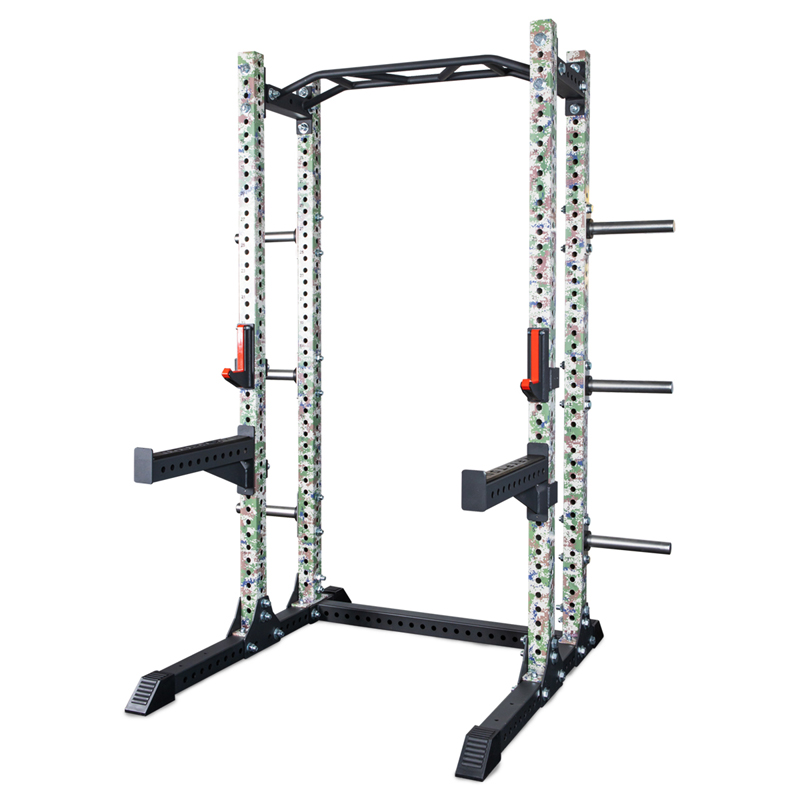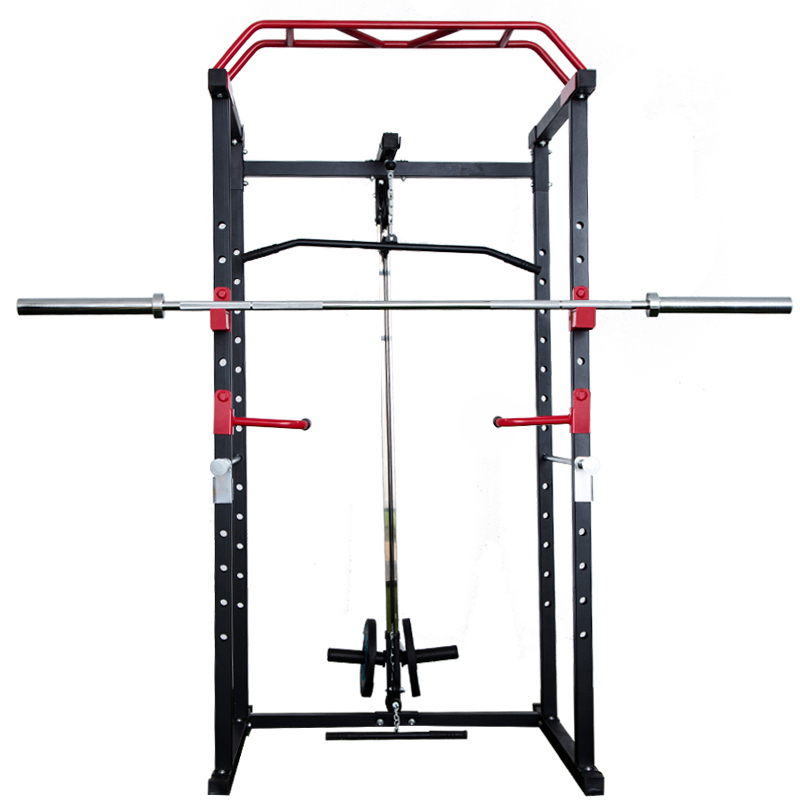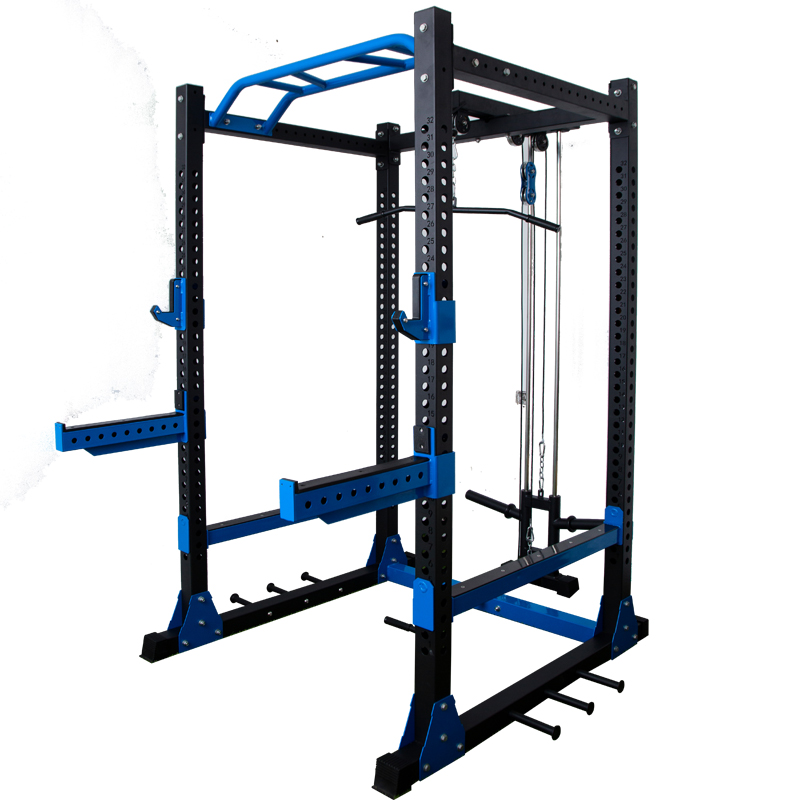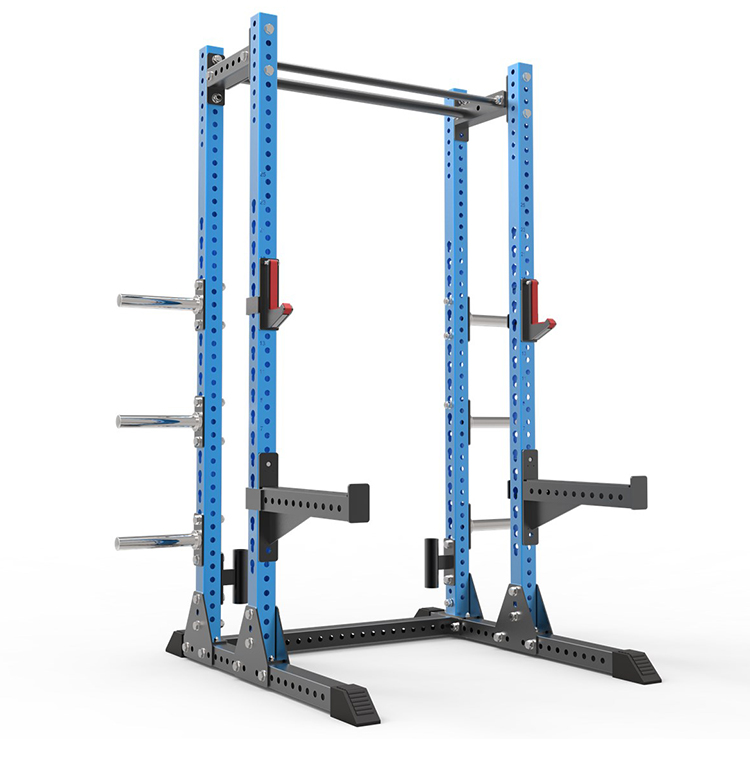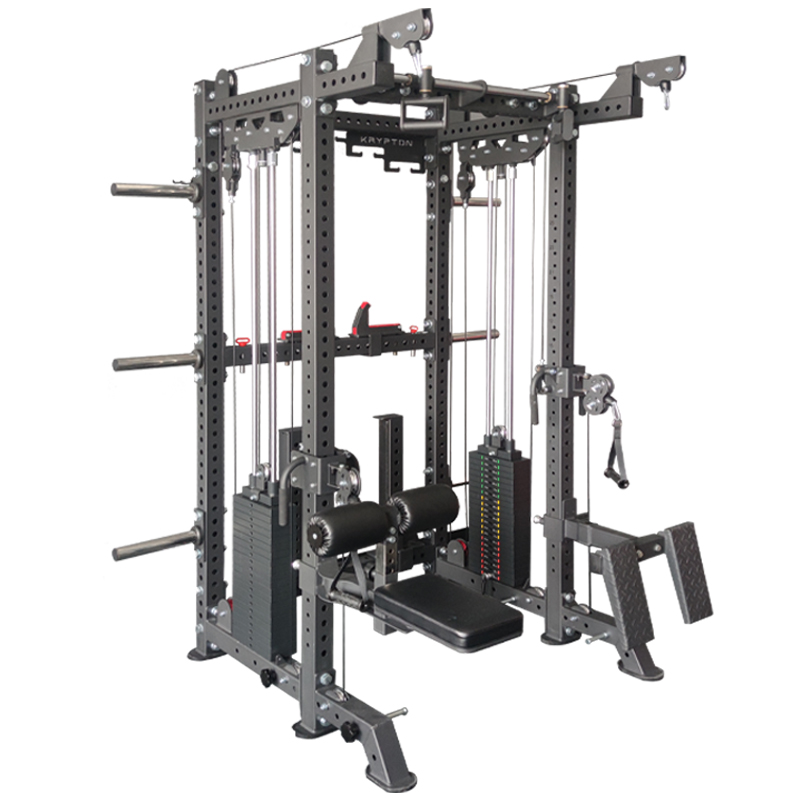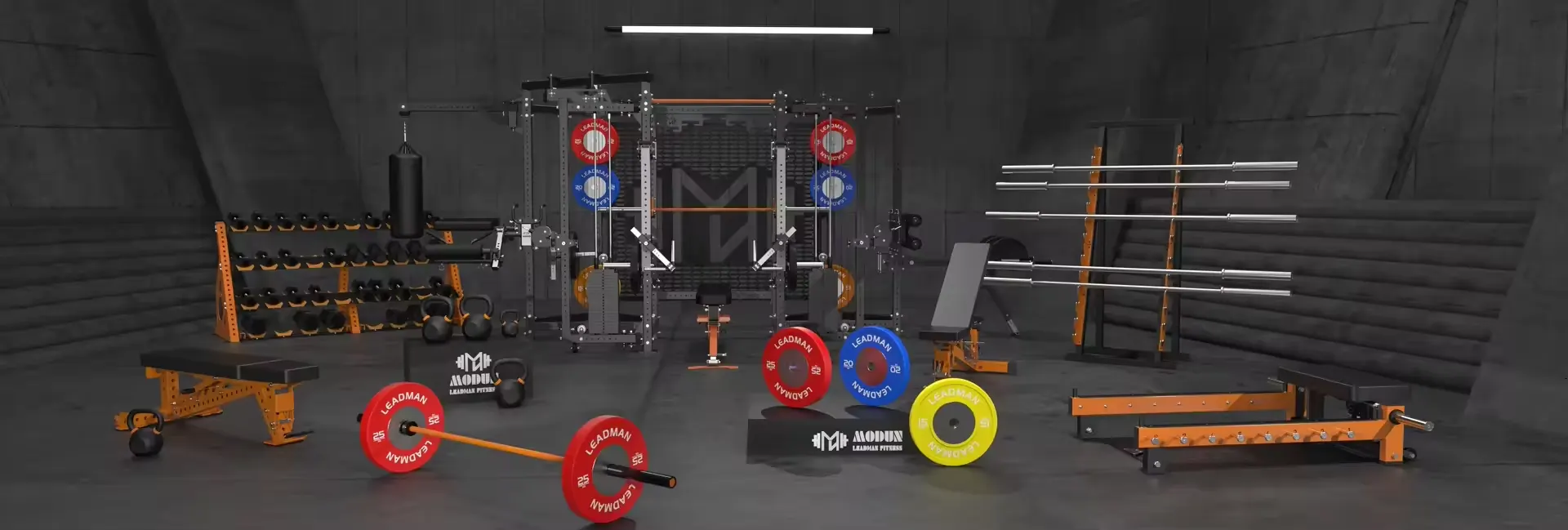
The Smith rack stands as a cornerstone of modern strength training, combining the structural integrity of a power cage with the guided movement benefits of a dedicated Smith machine. This hybrid equipment configuration—often referred to as a Smith machine power rack—integrates fixed vertical guide rails within a robust four-post frame, creating a training environment that supports both unrestricted free-weight exercises and controlled barbell movements along a predetermined path. The versatility of this Smith cage system emerges from its dual functionality: lifters can perform conventional squats, bench presses, and overhead presses using a standard Olympic barbell, then seamlessly transition to Smith-specific movements that eliminate balance requirements for targeted hypertrophy or rehabilitation programming. For commercial facilities optimizing floor space, the Smith rack delivers approximately 70% of the functionality of separate power rack and Smith machine installations within a single compact footprint—typically 48 inches by 60 inches—representing exceptional value for facility planners managing square footage constraints.
Engineering excellence in Smith rack systems manifests in the guide rail geometry and carriage bearing design, components that determine movement quality and long-term operational reliability. Premium configurations employ precision-ground chrome guide rods with diameter exceeding 2 inches, coupled with self-lubricating linear bearings that resist corrosion and maintain consistent travel characteristics across temperature fluctuations. The counterbalance mechanism—whether employing friction-based resistance or gas spring assist—must deliver sufficient support to reduce effective barbell weight to manageable levels during exercise setup, enabling users to position the carriage without muscular strain. For commercial environments where equipment undergoes continuous daily use, the guide rod alignment tolerances prove critical: misaligned rails create binding points that accelerate bearing wear and create jerky, unpredictable movement that compromises lifter confidence. The integration of Smith rack with cables adds another dimension of versatility, incorporating high and low pulley stations that extend exercise capabilities to include cable crossovers, tricep pushdowns, and seated rows—effectively covering all major functional movement patterns within the same equipment footprint.
Safety engineering distinguishes premium Smith racks from entry-level alternatives, with locking mechanisms representing the most critical safety component. The catch system—typically featuring twelve to twenty adjustment positions spaced at 2-inch or 3-inch intervals—must engage positively and release smoothly, with audible confirmation that reassuringly verifies secure engagement. Drop-in designs that permit single-handed operation enhance workout efficiency, enabling rapid position changes during circuit training without requiring spotter assistance. The frame architecture must resist deflection under maximal loading, with cross-bracing and gusset reinforcements strategically placed at stress concentration points. For facilities considering Smith machine power cage configurations for comprehensive training zones, the inclusion of dual pull-up bars, landmine attachments, dip stations, and band peg systems transforms the Smith rack into a multi-functional training anchor that supports athlete development across the entire strength continuum—from novice rehabilitation protocols to advanced performance preparation.

Let our experts design the perfect gym solution for your business. Get a free consultation and quote today.